



Fluted Ceramic Dish
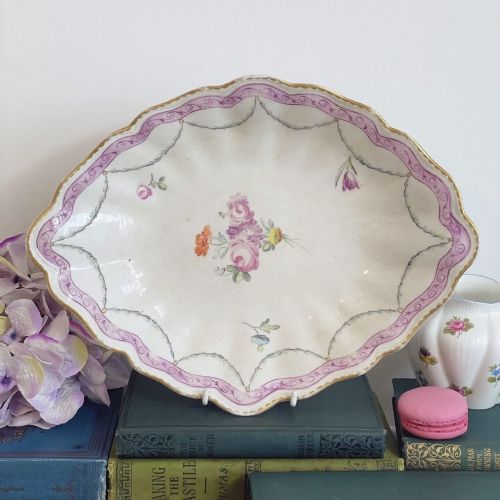
A fluted ceramic dish brings tactile ribbed form and painted detail to a table, offering centuries of historic craftsmanship for modern display.
Fluted Ceramic Dish
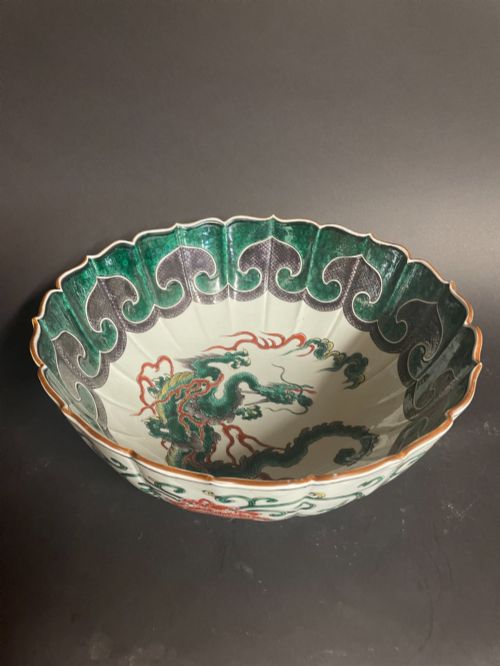
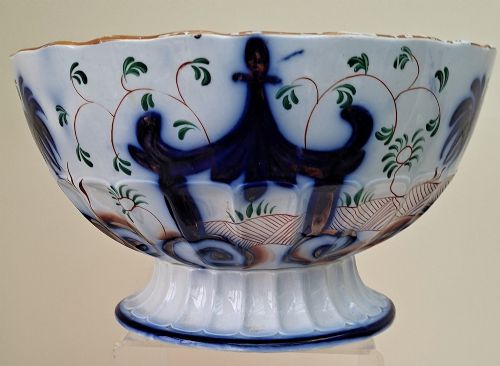
A fluted ceramic dish encompasses a variety of antique forms, including serving dishes, footed bowls, and decorative plates created across multiple centuries. Buyers searching for a fluted ceramic dish will encounter diverse regional traditions, from English porcelain and earthenware to Japanese Imari and Dutch Delft ware.
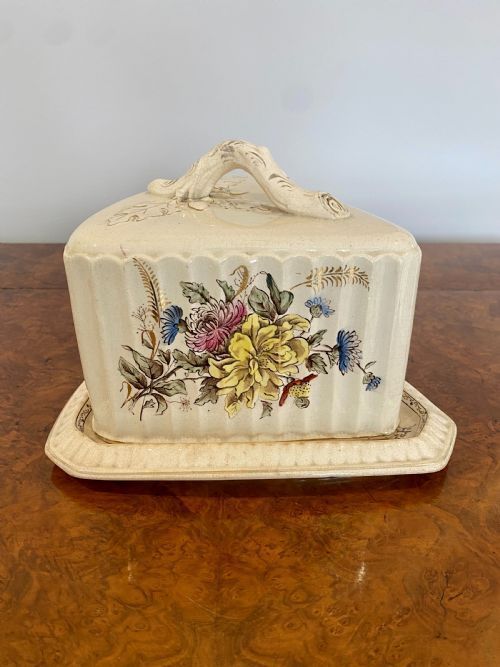
The pieces listed on this page originate predominantly from the eighteenth and nineteenth centuries, alongside earlier seventeenth-century examples. Forms range from scallop-edged bowls and lobbed dishes to cheese dishes and large decorative plates featuring distinct moulded ribs.
How they were made
Potters shaped these vessels using traditional ceramic and earthenware bodies, frequently applying tin glazes or fine white glaze before handpainting floral or patterned motifs. Many pieces incorporate polychrome enamels and subtle applications of gold leaf to accentuate the moulded fluting and scalloped edges.
Firing techniques varied significantly between European factories and Japanese kilns, resulting in distinct paste densities and surface textures. Artisans utilised handpainting methods to apply cobalt blue marks, Kakiemon-style quail patterns, and intricate pagoda designs directly onto the raw or glazed surfaces.
Two persistent quails share a quiet moment on an eighteenth-century bowl, proving that fine art often prefers small birds.
What varies in quality
Quality in a fluted ceramic dish rests upon the crispness of the moulded ribs and the precision of the handpainted decoration. Superior examples display clean, well-defined scalloped edges and carefully controlled glaze application without pooling or heavy crazing.
The prestige of the maker and the complexity of the pattern further distinguish the pieces. Finer works exhibit accomplished polychrome detailing, balanced compositions, and well-preserved overglaze enamels that have survived centuries of handling.
Derby·Copeland·KPM·Bow
The Fluted Ceramic Dish Glossary
- Fluted
- Having parallel grooves or ribs moulded into the body of the ceramic. This technique adds both structural rigidity and visual depth to bowls and plates.
- Imari
- A style of Japanese porcelain exported from the port of Imari, traditionally characterised by a palette of underglaze blue, iron red, and gold.
- Tin-Glazed Earthenware
- Pottery covered with a white tin-oxide glaze that provides an opaque background for painted decoration, common in Dutch Delft production.
- Lobbed
- Divided into rounded lobes or segments along the rim, creating a scalloped or undulating edge characteristic of certain historic dishes.
Fluted Ceramic Dish: Frequently Asked Questions
What is a fluted ceramic dish?
A fluted ceramic dish is a bowl, plate, or serving vessel featuring moulded vertical grooves or ribs along its sides. These historic pieces span various European and Japanese traditions from the seventeenth century onwards.
Such vessels were designed for both practical dining use and decorative display on tables and sideboards. Their distinctive ribbed surfaces catch the light, enhancing painted motifs like floral sprays or Imari patterns.
How do I care for an antique dish?
Antique ceramic dishes require gentle handling and hand washing with mild soap to preserve their glazes and enamel decoration. Modern dishwashers can damage delicate gold leaf and historic earthenware bodies.
Displaying them safely on stable surfaces or using padded plate hangers protects the edges from chips. Avoid sudden temperature changes to prevent thermal shock in older ceramic materials.
What is Dutch Delftware?
Dutch Delftware is a type of tin-glazed earthenware produced in the Netherlands, particularly during the seventeenth century. It is known for its white opaque glaze and blue painted ornamentation inspired by imported Chinese porcelain.
Dishes from this tradition often feature lobbed rims and handpainted scenes of landscapes or flowers. The earthenware body is thicker than porcelain and carries a characteristic historic weight.