



Botanical Porcelain Platter
A botanical porcelain platter brings hand-painted naturalism to the table, combining functional serving ware with meticulous botanical illustration.
Botanical Porcelain Platter
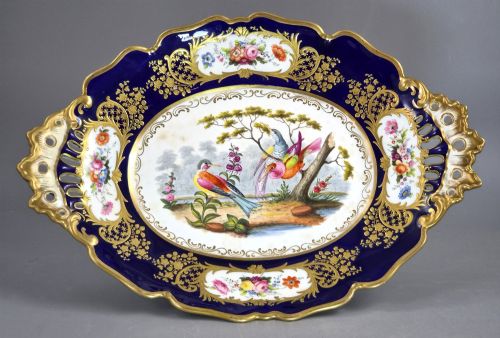
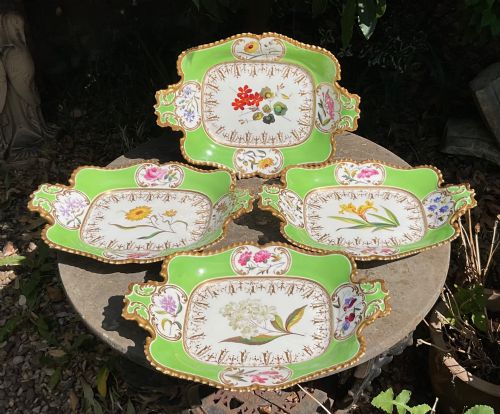
When you search for a botanical porcelain platter, you are looking at serving dishes, trays, and chargers adorned with hand-painted floral or faunal subjects. These pieces span the Georgian, Regency, and Victorian periods, showcasing detailed studies of flora and fauna.
The versions you are most likely to meet on this page include English and continental serving dishes from the nineteenth century. Makers such as Coalport, Spode, and Chamberlains Worcester feature prominently in these forms.
The selection ranges from early nineteenth-century serving dishes in the union pattern to later Victorian part dinner services. Each piece serves as a functional platter while displaying intricate botanical or bird motifs.
Materials and manufacture
These pieces are constructed from hard or soft-paste porcelain, earthenware, and felspar porcelain bodies, shaped into serving platters, oval dishes, and wall chargers. The ceramic body provides a smooth white canvas suited for detailed painting.
Makers applied polychrome enamel colours by hand to depict botanical specimens, birds, and floral bouquets directly onto the glazed ceramic surface. Gilding and gold leaf accents often outline the rims and handles, applied over the fired glaze.
Firing techniques varied across the periods represented, from early nineteenth-century kilns to later Victorian production methods. Final glazing protected the painted enamel pigments and created a durable, glossy finish for table use.
Botanical Porcelain Platter Retail Price Guide 2026
Typical asking prices for botanical porcelain platter among the pieces listed under this phrase on Sellingantiques today, from the lower quarter to the upper quarter. They describe what is for sale here now, not the wider market.
Some nineteenth-century artists clearly struggled with ornithology, rendering goldfinches with the confident proportions of well-fed barnyard fowl.
Assessing quality and execution
Quality rests in the precision and delicacy of the hand-painted botanical or bird motif. Superior examples display botanical accuracy and fine brushwork, whereas lesser pieces rely on simpler transfer-printed outlines filled with flat colour washes.
The crispness of the porcelain body and the richness of the gilding separate the finer services from standard wares. Felspar porcelain and specialised bodies developed by factories like Spode and Coalport offer superior translucency and durability.
The complexity of the form, such as shaped ribbon handles, fluted edges, or moulded Rococo Revival scrolls, indicates the ambition of the original manufacture. Well-preserved enamel colours without rubbing demonstrate careful handling over the centuries.
Herend·Coalport·Chamberlains Worcester·Wedgwood·Spode·Copeland·Royal Crown Derby·Meissen·KPM·Fukagawa
The Botanical Porcelain Platter Glossary
- Felspar porcelain
- A specialised ceramic body patented by Josiah Spode II containing feldspar, which increased translucency and strength. This material allowed for finer potting and sharper moulded details on serving dishes.
- Enamel
- Vitreous coloured glass fused to the porcelain surface through secondary low-temperature firings. These paints provided the vibrant greens, pinks, and yellows seen in botanical illustrations.
- Gilding
- The application of gold leaf or powdered gold suspended in a medium to the ceramic surface. It highlights handles, borders, and rims on fine nineteenth-century tableware.
- Rococo Revival
- A nineteenth-century design style characterised by C-scrolls, asymmetrical plant forms, and shell motifs. This aesthetic heavily influenced the moulding of mid-Victorian dishes and trays.
- Cabinet plate
- A decorative ceramic plate intended for display in a cabinet rather than for serving food at the table. These pieces often feature more elaborate hand-painted scenes and heavy gilding.
Botanical Porcelain Platter: Frequently Asked Questions
Were these platters used for food?
Yes, botanical porcelain platters and serving dishes were designed for presenting food at dining tables during the Georgian and Victorian eras. Their glazed ceramic surfaces provided a hygienic and elegant base for meats, fruits, and desserts.
Over time, many surviving pieces transitioned from active dining service to display items, particularly cabinet plates and wall chargers intended solely for interior decoration.
How do I date a porcelain platter?
Dating relies on examining the factory marks stamped or painted on the underside, combined with the stylistic clues of the period. Georgian and Regency pieces often feature handwritten pattern numbers or simple factory punch marks.
Later nineteenth-century items frequently display registration diamonds or printed manufacturer badges that narrow the production window to specific decades, such as the 1840s or 1850s.
What is felspar porcelain?
Felspar porcelain is an innovative ceramic body introduced by Spode in the early nineteenth century. By incorporating feldspar into the paste, manufacturers achieved a whiter, more translucent material that rivaled bone china.
This improved body supported intricate hand-painted botanical designs and complex moulded shapes without sacrificing structural integrity during high-temperature kiln firings.
How should I care for antique porcelain?
Antique porcelain requires gentle hand washing in warm water using mild soap, avoiding abrasive sponges or harsh chemical detergents. Dishwashers can damage fragile enamel painted details and wear away historical gilding.
When displaying or storing platters, use padded plate stands or felt dividers between stacked pieces to prevent scratching the glaze and the hand-painted botanical motifs.