
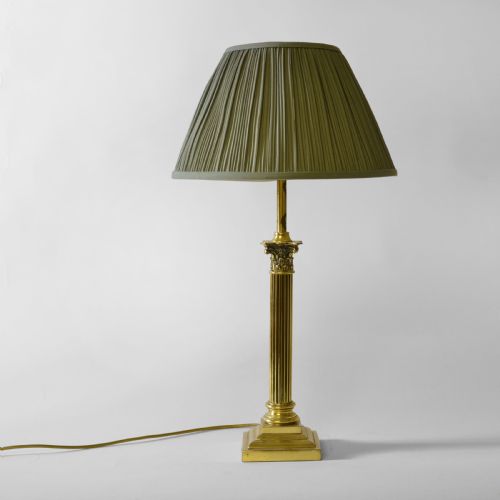
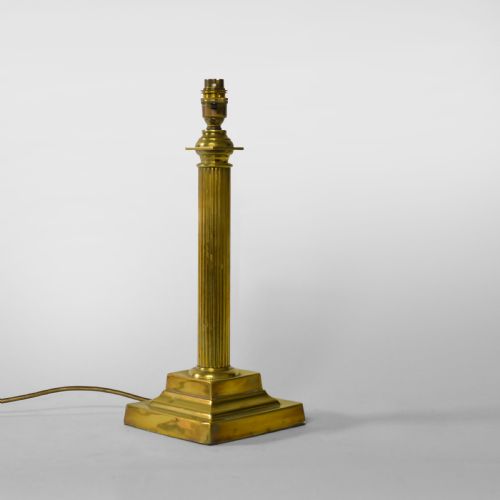
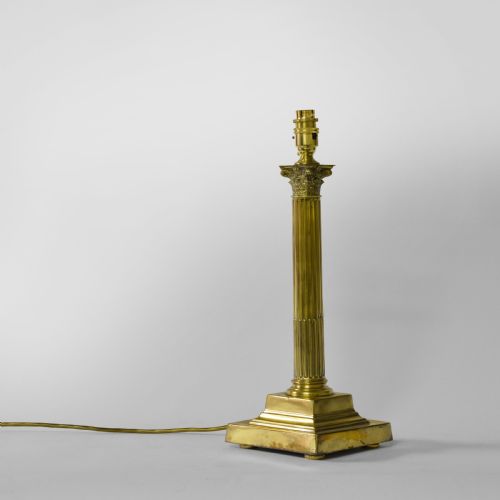


Fluted Brass Desk Lamp
These fluted brass desk lamp pieces provide targeted task lighting through architectural metal forms suited to traditional and period workspaces.
Fluted Brass Desk Lamp
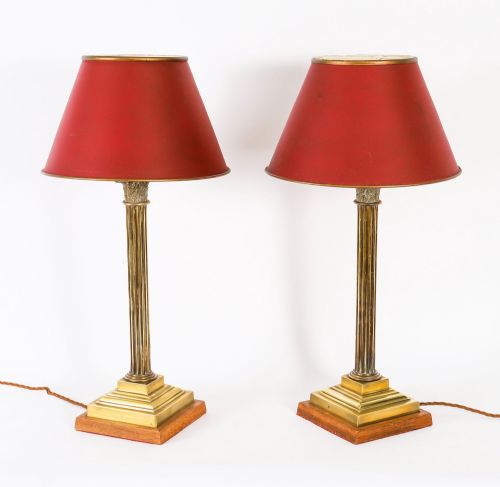
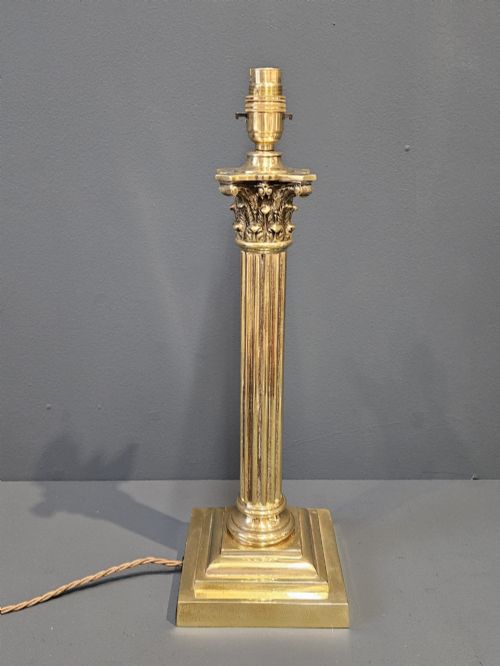
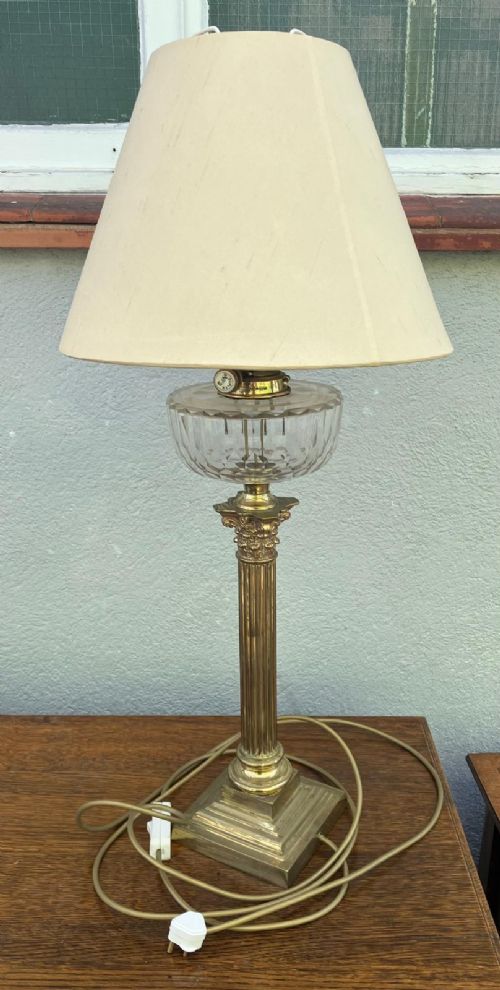
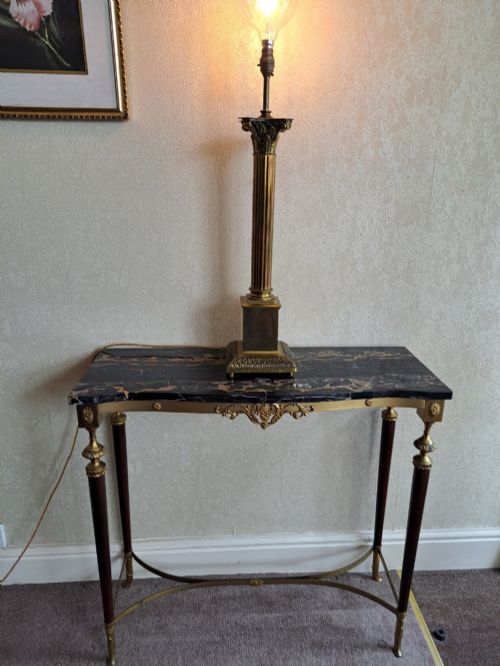
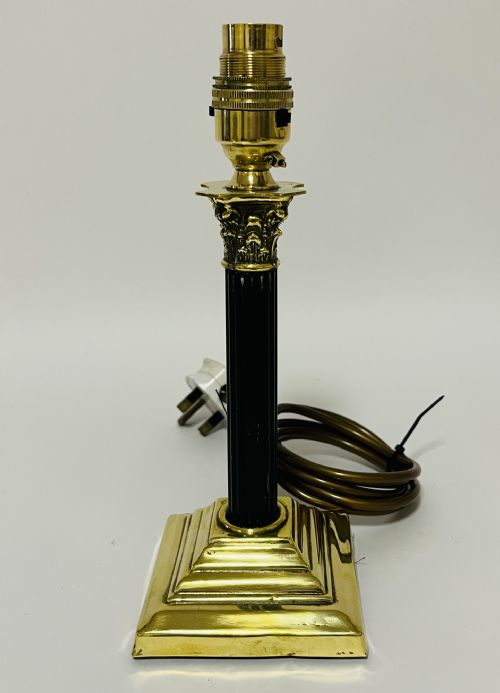
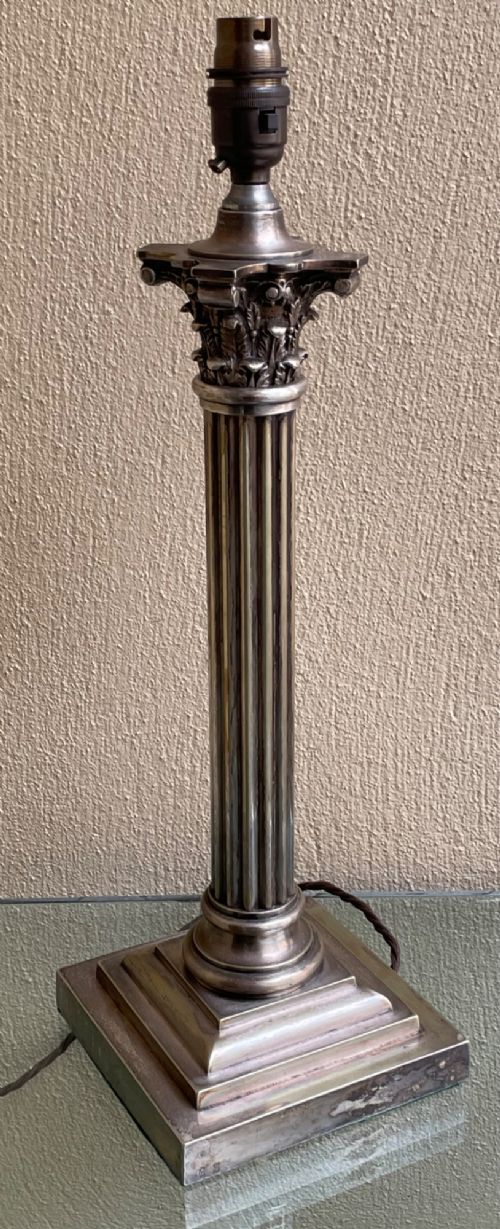
A fluted brass desk lamp typically manifests on this page through columnar table designs originating from the nineteenth century into the Edwardian era. Buyers regularly encounter classical revival interpretations, specifically Corinthian and ionic column configurations built in brass, sometimes adapted from earlier oil lamps.
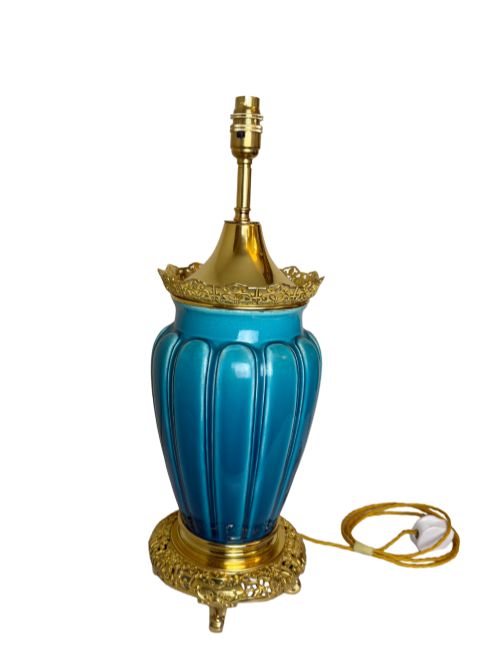
The selection ranges from tall nineteenth-century examples to compact twentieth-century variants, featuring weighted metal bases and occasionally incorporating ceramic reservoirs, cut glass, or opaline glass shades.
Materials and Construction
Makers utilised cast and turned brass, often combining metal shafts with glass or porcelain components such as opaline shades and ceramic bases. Many surviving examples began as oil lamps before undergoing conversion to electricity during subsequent decades.
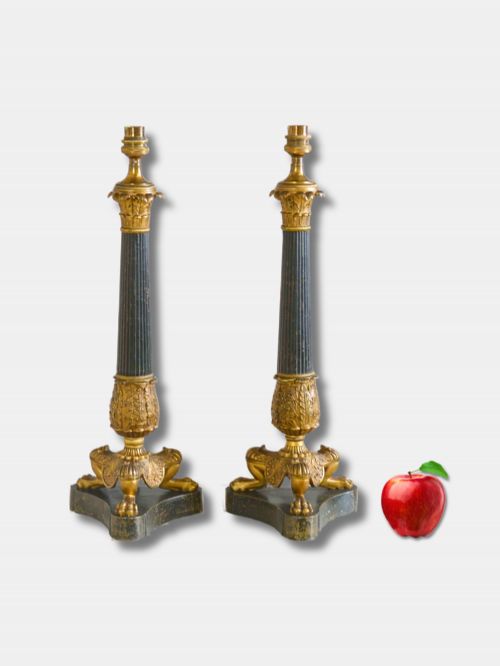
Surface treatments include silver plating, electroplating, and fire gilding on ormolu elements, paired with structural detailing like stepped plinths and lions paw feet on French models.
Several heavy column lamps feature miniature lions paw feet, ensuring your desk lighting stands its ground firmly.
Quality and Execution
Superior examples distinguish themselves through crispness of casting in architectural column capitals and substantial overall scale rather than mere decorative embellishment. The precision of the fluting and the weight of the metal base govern the structural stability of the piece.
Original components, such as matching opaline shades or intact cut glass reservoirs, elevate individual items above later marriages of disparate parts.
JOSEPH HINKS
The Fluted Brass Desk Lamp Glossary
- Corinthian Column
- An architectural order featuring ornate capitals decorated with acanthus leaves, frequently utilised for nineteenth-century lamp standards. This classical motif originates from ancient Greek architecture.
- Opaline Glass
- A pale, translucent white glass popular in Victorian lighting shades and reservoirs. It diffuses light softly without glare.
- Ormolu
- Gilded bronze utilised in French decorative metalwork, cast and finished with gold amalgamation. It provides a rich, durable metallic surface.
- Ionic Column
- A classical column style characterised by scroll-like volutes on the capital. This design appears frequently on Victorian brass lamp bases.
Fluted Brass Desk Lamp: Frequently Asked Questions
How do I date a brass column lamp?
Dating relies primarily on construction methods, switch types, and base materials. Nineteenth-century examples often display heavy cast brass components and remnants of burner mechanisms from original oil configurations.
Later Edwardian and twentieth-century pieces generally incorporate lighter gauge metals and factory-standard electrical fittings applied during initial production rather than later conversion.
Were these always electric lamps?
Many tall column lamps on this market started life as nineteenth-century oil lamps burning paraffin or colza oil. These pieces were subsequently adapted for domestic electricity use during twentieth-century modernisations.
Some smaller forms were designed specifically for electricity or gas from the outset, particularly those dating to the Edwardian period and the early twentieth century.
How do I clean antique brass safely?
Preserving the aged patina requires avoiding harsh chemical dips that strip the historical surface. Dusting with a dry microfiber cloth maintains the finish without removing oxidation.
If polishing is necessary, use a non-abrasive metal cleaner sparingly on unlacquered surfaces to protect the underlying brass.
What styles complement these lamps?
Neoclassical and Victorian revival designs integrate smoothly into traditional studies, libraries, and formal living spaces. Their architectural proportions anchor classic mahogany and oak desk arrangements.
They also provide a deliberate period contrast when placed within minimalist modern interiors.