




Florentine Style Frame
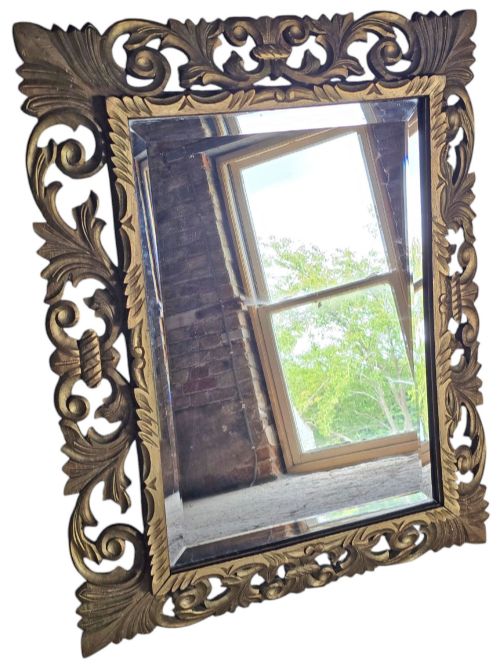
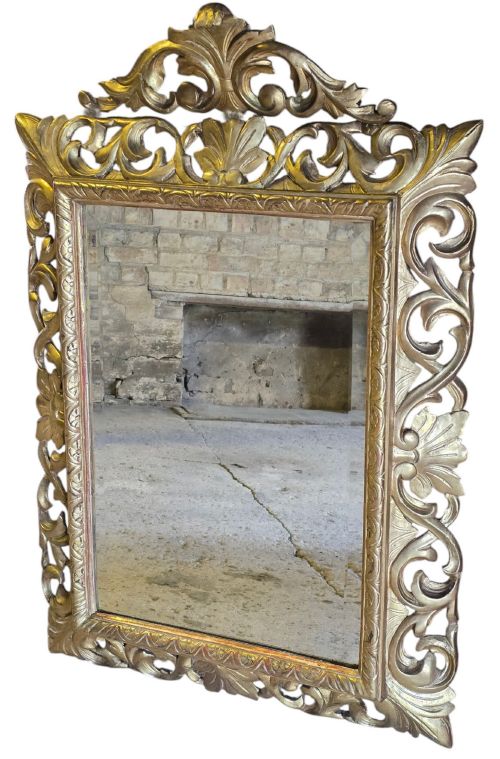
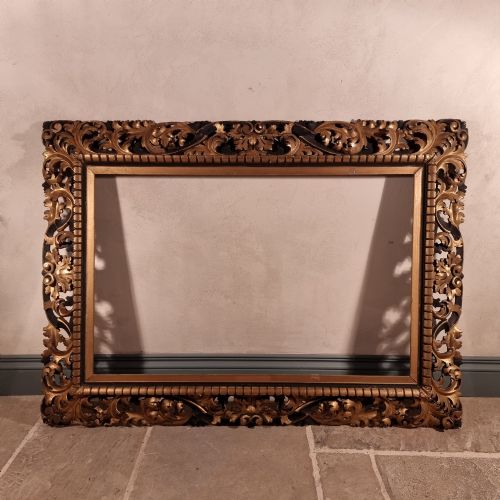
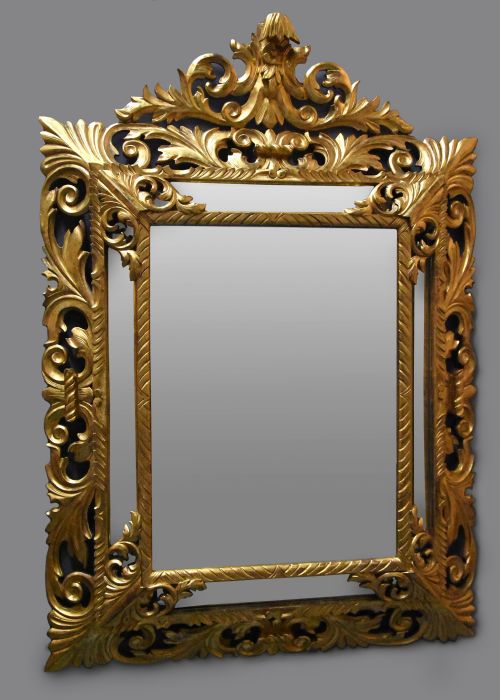
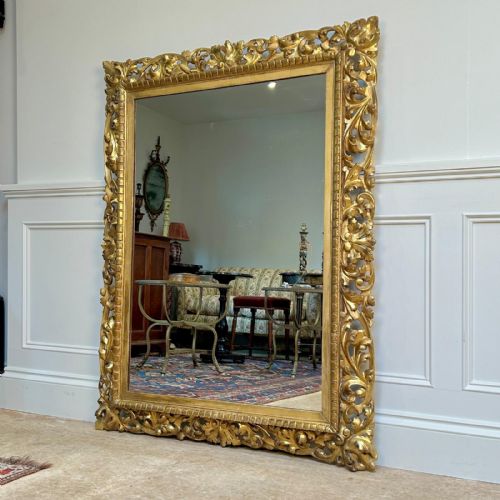
These florentine style frame pieces bring carved gold leaf and ornate Italian revival design to your walls.
Florentine Style Frame
A florentine style frame centres on elaborate gilded woodwork, appearing across wall mirrors, picture frames, overmantles, and girandoles. These pieces trace back through the eighteenth and nineteenth centuries into the early twentieth century, showing revival influences like Italian Renaissance, Baroque, and Rococo.
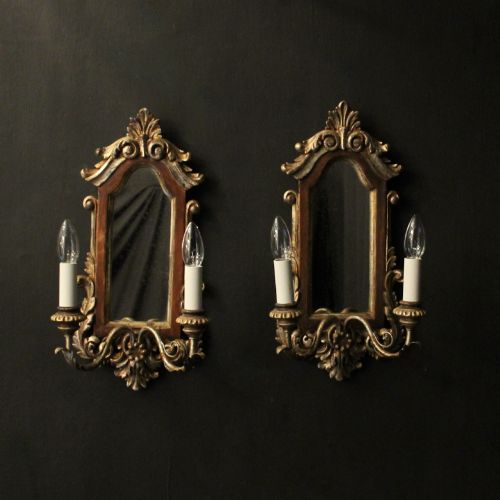
You will most commonly encounter nineteenth-century wall mirrors and picture frames finished in giltwood or gold leaf. The selection ranges from small hand-carved mirrors to large statement overmantles and matched pairs of twin-arm girandoles.
How they were made
Makers shaped these pieces from timber and carved wood, building up surface detail with gesso before applying gold leaf or paint. This traditional layering created the deep, reflective surfaces seen on giltwood frames.
The combination of carved wood and gesso allowed craftsmen to achieve high relief and intricate scrollwork. Hand-carved elements and hand-painted finishes define the physical construction of these Italian mirrors and frames.
Periods represented span from the eighteenth century through the nineteenth century up to nineteen thirty.
What varies in quality
Depth and precision of the wood carving separate ordinary mouldings from finer examples. Crisp undercut scrollwork and detailed relief show superior craftsmanship in the giltwood medium.
The warmth and depth of the original gilding dictate the visual impact of the piece. Superior surfaces retain their gold leaf and gesso foundation harmoniously across the carved forms.
The Florentine Style Frame Glossary
- Giltwood
- Wood that has been coated with gold leaf or a gold-coloured finish. This material forms the primary surface of traditional Florentine mirrors.
- Gesso
- A plaster-like mixture applied to wood surfaces as a base for gilding and carving. It allows artisans to sculpt fine details before applying gold leaf.
- Girandole
- A branched wall mirror or sconce designed to hold candles. These fixtures combine reflective glass with ornamental arms.
- Overmantle
- A large mirror designed to hang above a fireplace mantel. These imposing pieces often serve as central decorative statements in a room.
- Pier glass
- A tall mirror specifically made to hang on the wall space between windows. They frequently feature decorative frames suited to narrow architectural spaces.
Florentine Style Frame: Frequently Asked Questions
How do I clean a giltwood mirror?
Dust the carved surfaces gently with a soft dry brush to protect the delicate gold leaf layer.
Avoid using liquid cleaners or abrasive cloths on the gesso and giltwood frame to prevent damaging the finish.
Where should I hang an overmantle?
Mount your overmantle securely above a fireplace mantel where it can reflect light and anchor the room's proportions.
Ensure the wall fixings match the substantial weight of the timber and carved wood construction.
What is the difference between Baroque and Rococo?
Baroque styles display heavier, symmetrical architectural forms with bold relief and grand proportions.
Rococo designs introduce lighter, asymmetrical scrollwork, curves, and playful natural motifs across the carved frame.
Can I hang a girandole safely?
Check the structural integrity of the twin arms and wall brackets before mounting the piece.
Use appropriate wall anchors to support the combined weight of the carved wood, mirror glass, and candle holders.