
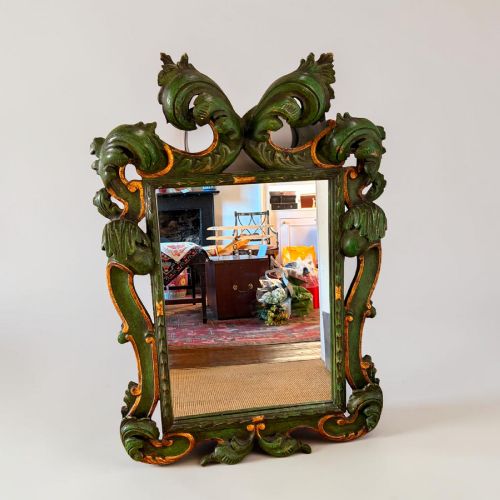
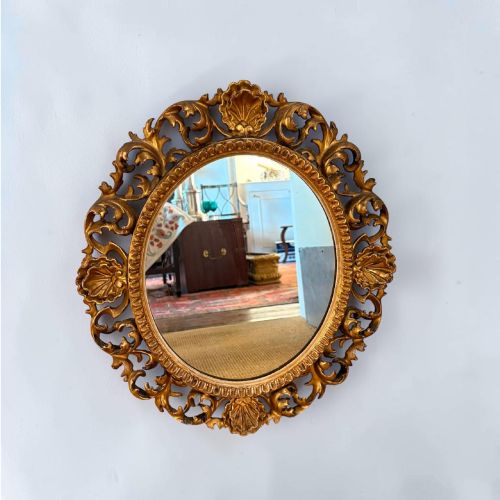
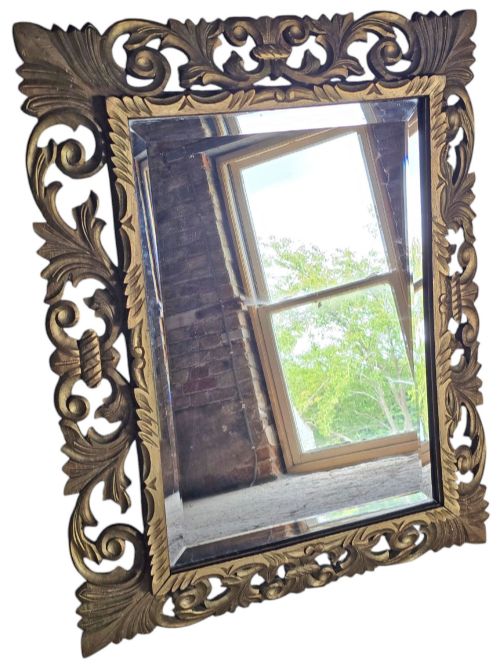
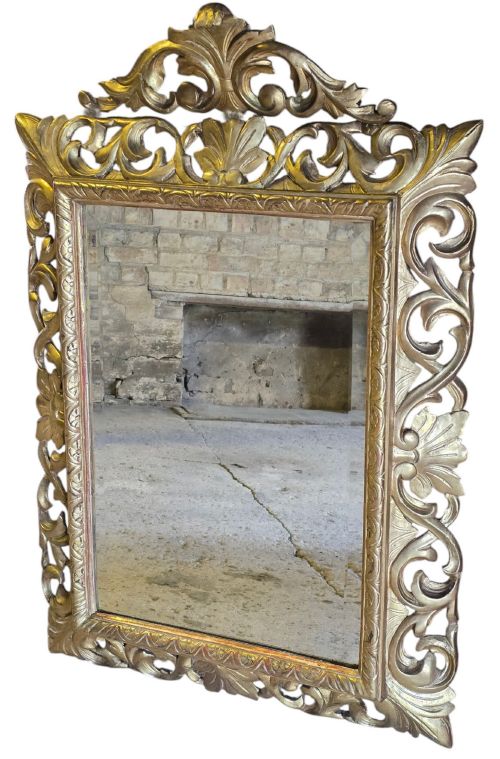


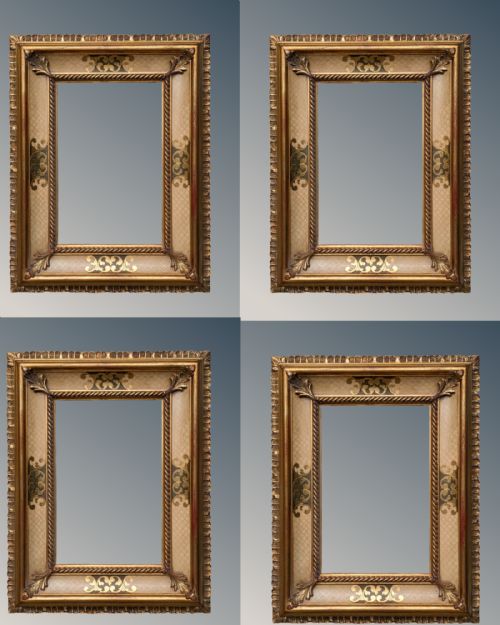


Florentine Carved Wall Mirror
A florentine carved wall mirror brings opulent Italian craftsmanship into a room, offering striking reflection and intricate woodwork.
Florentine Carved Wall Mirror
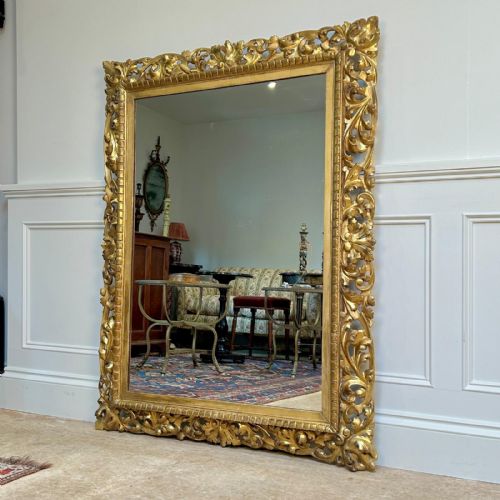
A florentine carved wall mirror is an ornamental piece originating from Italy, typically designed to command attention in a principal room. You will frequently encounter nineteenth-century examples spanning rectangular, oval, and cushion shapes.
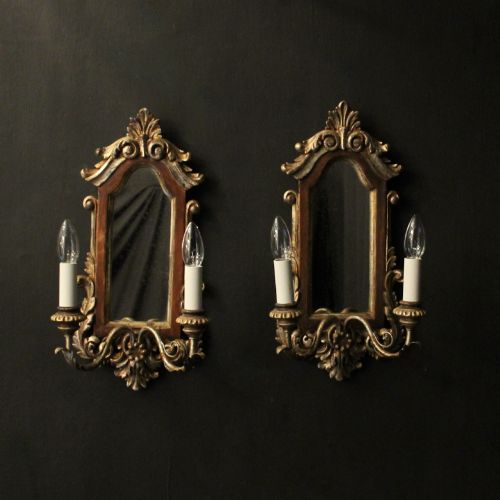
The selection ranges from grand overmantle statements to pairs of girandoles and smaller wall mirrors. These pieces often draw upon Rococo and Baroque revivals, displaying ornate flourishes and carved motifs.
Makers shaped these items from carved wood and gesso, applying gold leaf and giltwood finishes to catch the light. Alongside standard wall mirrors, the inventory records pier glasses, picture frames, and console mirrors with shelves.
How they were made
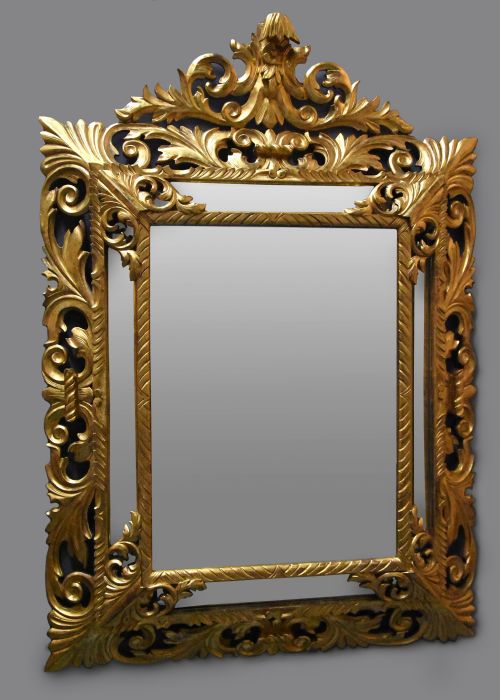
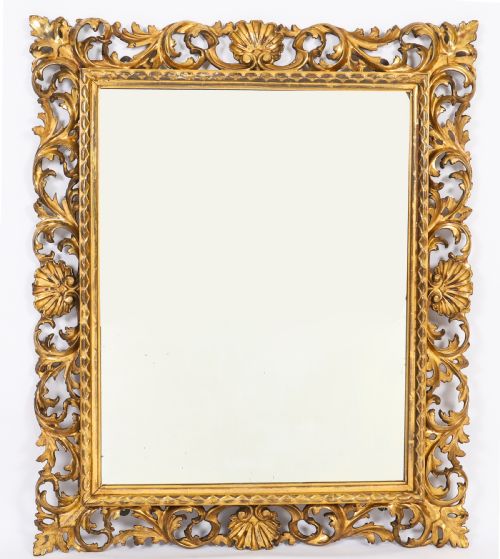
Artisans built these frames using carved wood, sometimes utilising padauk alongside traditional timbers. The woodwork relies on deep relief carving to produce scrolls, vines, and symmetrical foliage.
Workers applied layers of gesso onto the carved wooden base to create a smooth surface for gilding. Gold leaf was then laid down by hand over the prepared gesso to give the frame its luminous metallic finish.
Several mirrors feature carved fruiting vines winding through the gesso, bringing a touch of an Italian orchard indoors.
What varies in quality
Depth and precision in the hand carving distinguish superior examples from simpler production. Master carvers produced undercut foliage and sharp definition that maintain their visual weight from across a room.
The integrity of the original giltwood surface dictates the character of the piece over time. Finer surfaces retain their gold leaf layers evenly across complex scrolls and high relief mouldings.
The Florentine Carved Wall Mirror Glossary
- Giltwood
- Wood that has been coated with gold leaf or gold paint. This finish creates a bright, reflective surface characteristic of formal European furniture.
- Gesso
- A plaster mixture applied to wood as a base for paint or gold leaf. It allows artisans to carve fine details before gilding.
- Girandole
- A decorative wall-mounted mirror equipped with candle sconces. These fixtures multiplied candlelight within darkened rooms.
- Overmantle
- A large mirror designed to hang directly above a fireplace mantel. They typically span considerable widths to anchor the wall space.
- Padauk
- A dense tropical timber known for its durability and rich colour. It provides a sturdy structural base for specific carved frames.
Florentine Carved Wall Mirror: Frequently Asked Questions
Where should I hang a florentine carved wall mirror?
These mirrors suit prominent positions such as above a drawing room fireplace or a hallway console table. Their reflective glass and ornate frames brighten darker interior walls.
Ensure the wall structure can support the weight of a heavy giltwood frame before installation. Placing them opposite a window will maximise the reflection of natural light into the space.
How do I clean a giltwood mirror frame?
Dust the carved wooden elements gently using a soft, dry brush to avoid disturbing the fragile surface. Liquid cleaners should be kept away from antique gold leaf.
Mirror glass can be wiped with a clean cloth and standard glass cleaner applied sparingly. Take care to prevent any moisture from seeping behind the glass edge or touching the surrounding gesso.
Are these mirrors from the 19th century genuine antiques?
Many examples date from the eighteen hundreds, reflecting popular Baroque and Rococo revival tastes of that era. Period materials like old mirror glass and layered gesso help confirm their age.
Later twentieth-century adaptations also exist on the market with similar decorative styles. Examining the backboards, joinery, and wear on the gold leaf helps clarify the true period.
What is the difference between a pier glass and an overmantle mirror?
A pier glass is traditionally designed to hang on the narrow wall space between two windows. These tall, slender mirrors were intended to bounce light further into the room.
An overmantle mirror is wider and built to sit horizontally above a fireplace opening. Both formats utilise intricate carved giltwood frames to project formal status.