
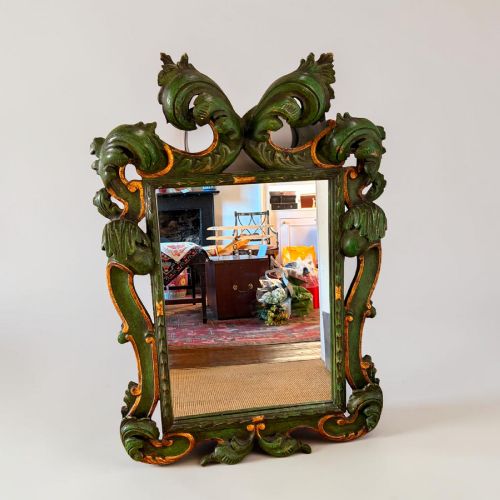
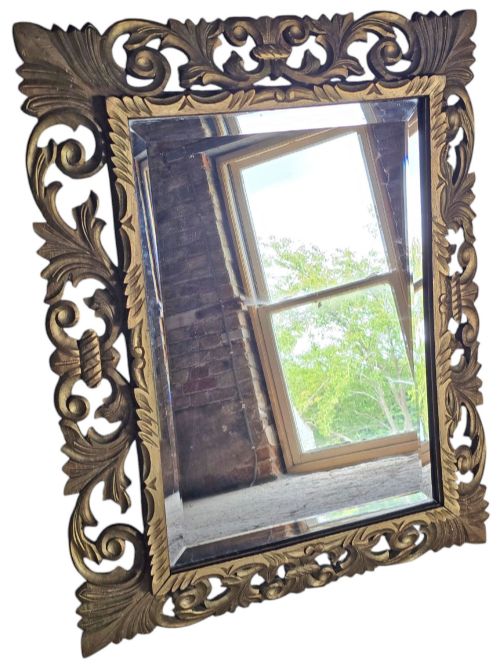
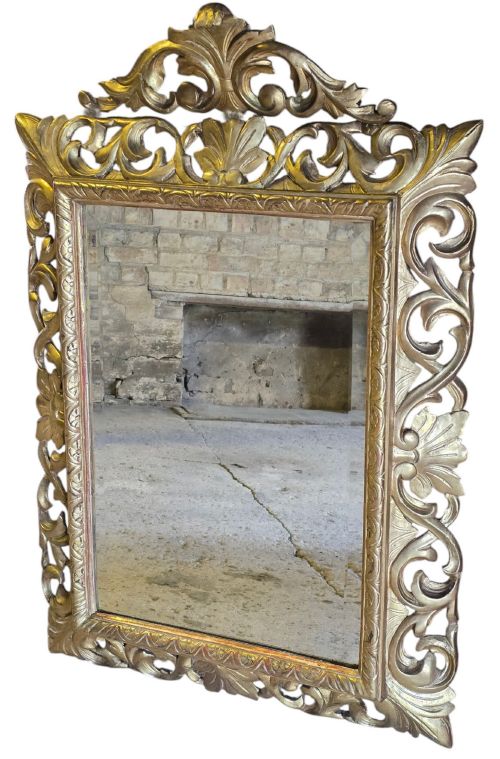

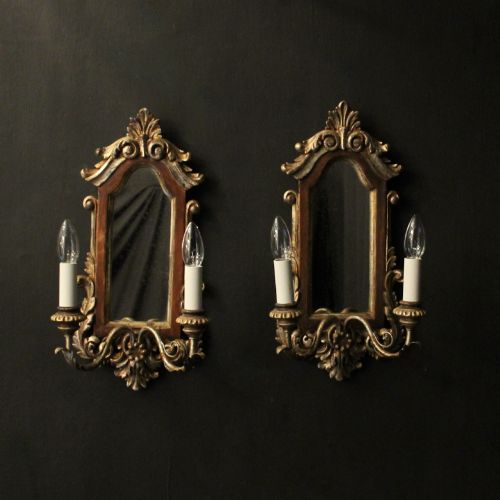
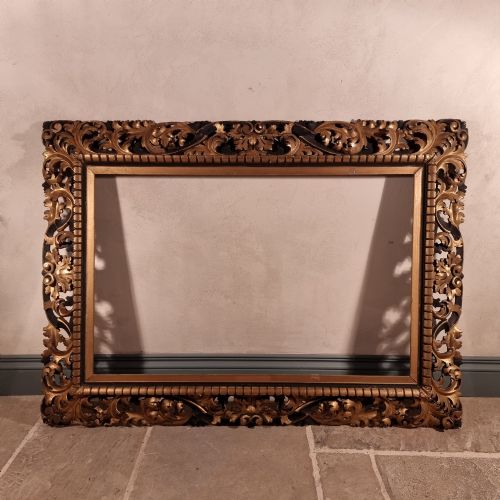
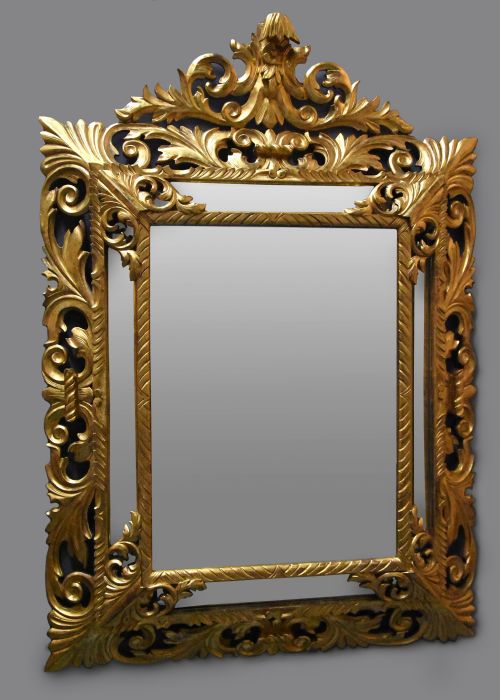
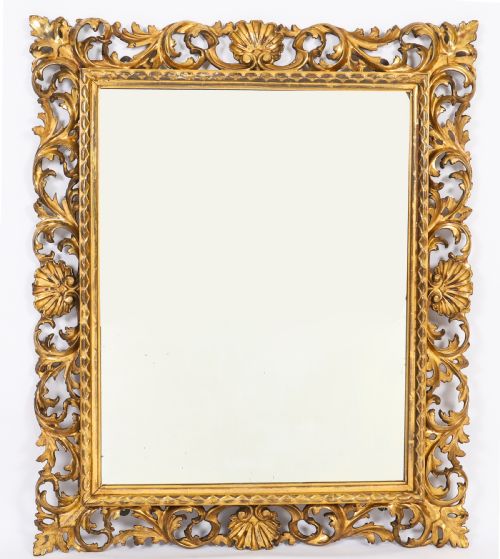
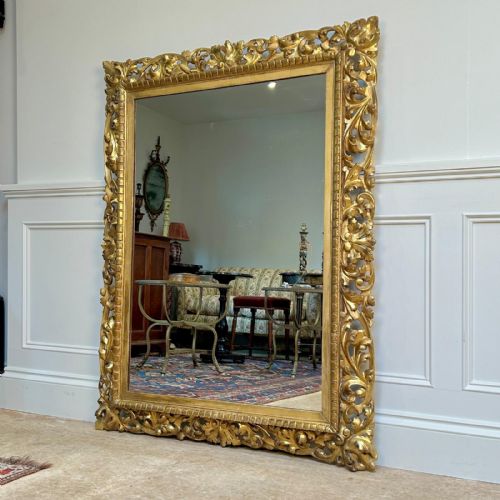

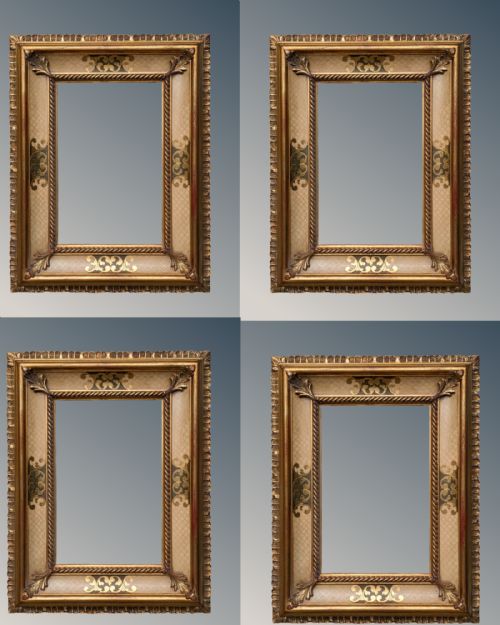


Florentine Carved Frame Mirror
These florentine carved frame mirror examples combine Italian craftsmanship and ornate giltwood, offering a striking focal point for any interior space.
Florentine Carved Frame Mirror
When you search for a florentine carved frame mirror, you encounter pieces designed primarily as wall mirrors, overmantle mirrors, and pier glasses, alongside related picture frames and girandoles. These items originate predominantly from the nineteenth century, with additional examples spanning the eighteenth century through to the early decades of the twentieth century.
The objects display diverse stylistic influences, including Florentine Baroque, Florentine Rococo, and Italian Renaissance Revival designs. You meet both rectangular and oval formats, frequently characterised by cushion profiles and elaborate carvings of fruiting vines.
How they were made
The construction of these pieces relies heavily on timber, carved wood, and metal elements shaped into intricate decorative forms. Artisans applied gesso to the carved surfaces to prepare them for finishing.
Makers utilised gold leaf and water gilding techniques to coat the giltwood frames, achieving a brilliant metallic sheen that endures across the centuries.
Listings feature items spanning the eighteenth century to the twentieth century, incorporating materials like glass, gold leaf, and gesso.
What varies in quality
The standard of carving distinguishes exceptional pieces from ordinary ones, particularly in the depth and intricacy of the foliage and vine motifs. Crisp details in the wood and gesso indicate superior craftsmanship.
The execution of the gilding further defines the grade of the work, where smooth application of gold leaf across large surfaces or complex girandole arms reveals the artisan's skill.
The Florentine Carved Frame Mirror Glossary
- Giltwood
- Wood that has been coated with gold leaf or gold paint. This finish creates the characteristic bright appearance seen on Italian frames.
- Gesso
- A plaster mixture applied to carved wood to create a smooth surface for gilding. It allows for sharp, detailed moulding.
- Girandole
- A wall mirror featuring attached candle branches or arms. These reflective sconces were designed to multiply candlelight in a room.
- Overmantle mirror
- A large mirror intended to hang specifically above a fireplace mantel. They often dominate a wall through their scale.
- Pier glass
- A tall mirror designed to fit on the wall space between windows. These pieces enhance light distribution in formal rooms.
Florentine Carved Frame Mirror: Frequently Asked Questions
Where should I hang a florentine carved frame mirror?
These mirrors suit prominent locations such as living room walls, above mantelpieces, or in entrance halls where their decorative frames can be fully appreciated.
Ensure the wall structure supports the weight of the timber and glass construction before installation.
How do I identify a nineteenth century piece?
Nineteenth century examples often display characteristic Florentine Baroque or Rococo revival motifs carved deeply into giltwood frames. Examining the construction of the wood and the wear on the gold leaf helps indicate age.
Archival records and historical styles also provide context for dating these items accurately.
What is the difference between a mirror and a girandole?
A standard wall mirror serves primarily for reflection and decoration within a carved frame. A girandole includes integrated candle arms projecting from the frame for illumination.
Both forms utilise similar Italian carving and gilding techniques.
How should I clean the giltwood frame?
Dust the carved wooden surfaces gently with a soft, dry brush to prevent accumulation of debris. Avoid liquid cleaners or harsh chemicals that might damage the gold leaf.
Preserving the original gesso and gilding maintains the integrity of the antique finish.