




Italian Rococo Gilt Mirror
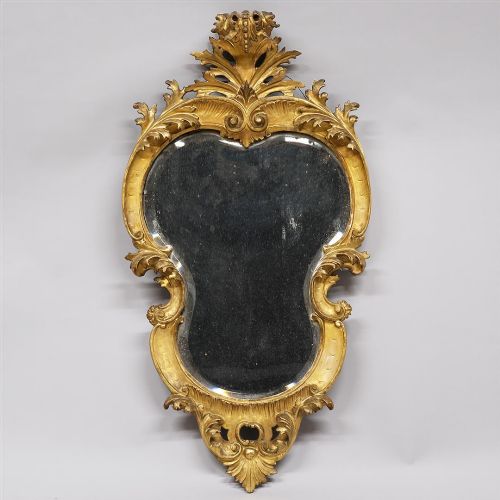
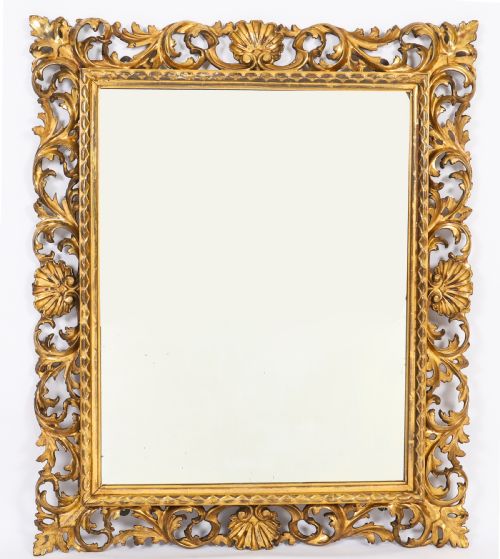
An italian rococo gilt mirror brings sweeping asymmetry, pierced carving and bright gilded surfaces into a room.
Italian Rococo Gilt Mirror
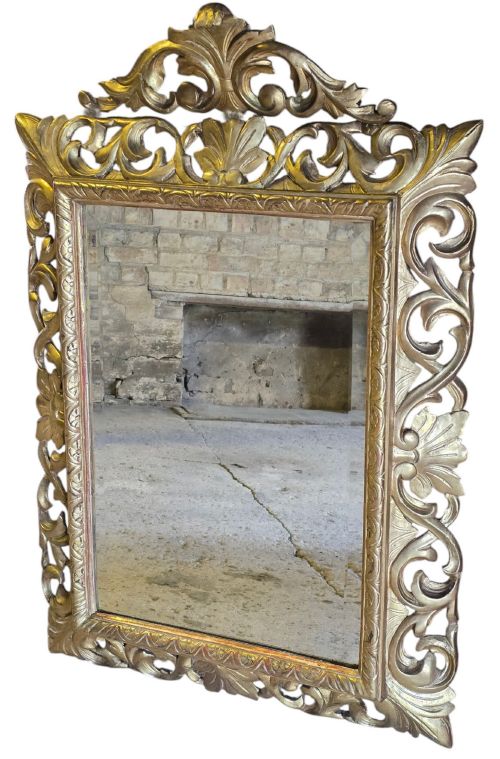
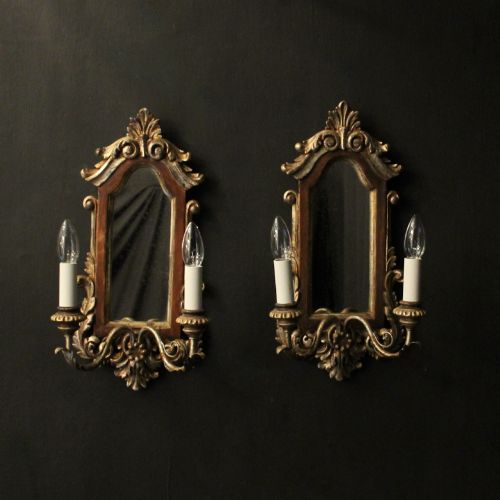
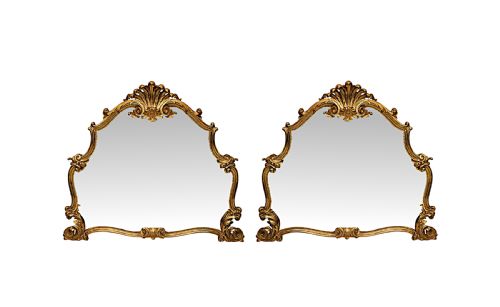
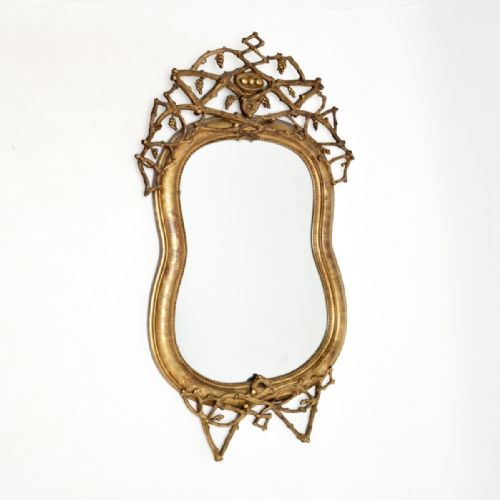
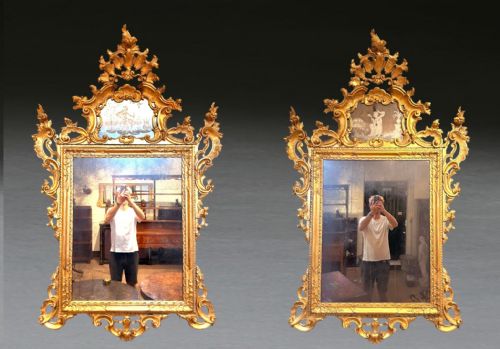
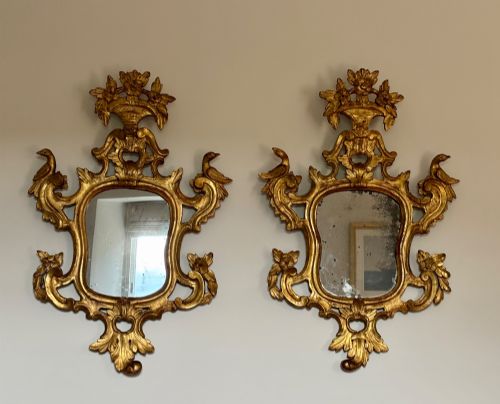
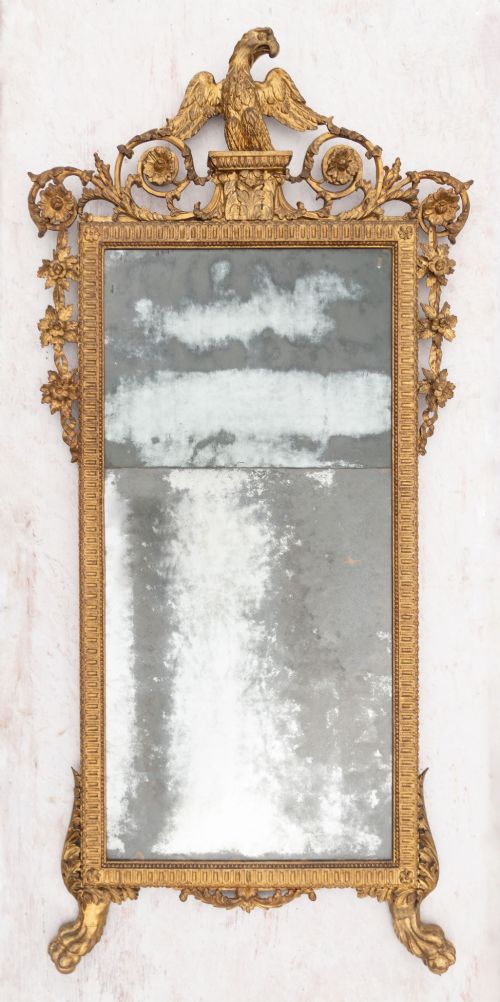
An italian rococo gilt mirror captures the theatrical excess of eighteenth-century design through scrolls, cartouche forms and asymmetric frames. These decorative objects take the shape of wall mirrors, pier glasses and girandoles designed to reflect candlelight and brighten dark panelled rooms. Buyers encounter eighteenth-century originals alongside nineteenth-century revivals and early twentieth-century interpretations produced in regional workshops.
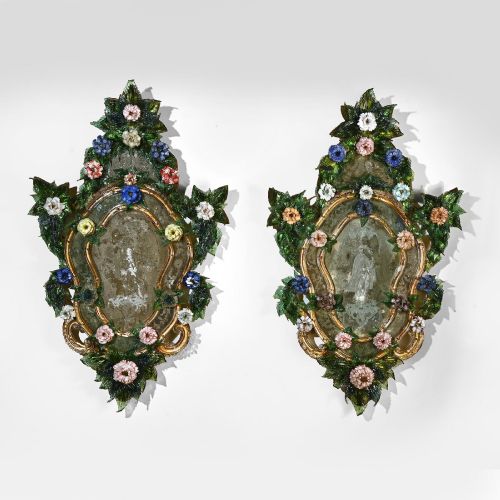
The nineteenth-century revival pieces dominate the selection, bringing heavy carved ornamentation and grand proportions suited for overmantels and hallways. Earlier examples from the eighteenth century appear less often, showing finer hand-carved details and original foxed mirror plates. Workshops in Florence and Venice produced distinct regional variants, ranging from deeply pierced Florentine frames to ornate Venetian glass plates.
Materials and construction
Carvers shaped wooden foundations from soft timbers like pine or lime, applying layers of gesso to build up high-relief scrolls and floral motifs before applying gold leaf or silver leaf. Artisans used water gilding techniques to adhere thin sheets of gold to a prepared chalk ground, allowing areas to be burnished to a high gloss while leaving recessed details matte.
Glass production relied on mouth-blown cylinder methods or early plate techniques, resulting in uneven thickness, bubbles and silvering degradation known as foxing. Many frames incorporate carved wood panels joined with traditional pegging, while painted surfaces utilise oil-based pigments combined with parcel gilding.
Listings feature pieces spanning the eighteenth century through the 1930s, utilising carved wood, gesso, hand-painted details and original mirror glass.
Judging quality
The depth and crispness of the wood carving distinguish superior examples from standard production pieces, as skilled carvers undercut scrolls to create true three-dimensional movement. Original gilding surfaces retain their warmth and subtle tonal variations from wear, whereas later repainting obscures the sharpness of the underlying gesso work.
The retention of the original mirror plate adds considerable character, particularly when age has created dark foxing spots that confirm long survival. Structural integrity depends on the stability of the joined frame corners and the preservation of fragile crestings without major losses to the gesso decoration.
The Italian Rococo Gilt Mirror Glossary
- Cartouche
- An ornamental frame resembling a rolled-up piece of parchment or a shield, often forming the central motif of rococo mirrors.
- Gesso
- A plaster mixture applied to wood frames to create a smooth surface for subsequent carving and gilding.
- Girandole
- A decorative wall mirror featuring attached candle sconces that project forward to reflect flickering light.
- Pier Glass
- A tall, narrow mirror designed specifically to hang on the wall space between windows.
- Foxed plate
- Mirror glass showing mottled dark spots and age-related degradation of the silver backing layer.
Italian Rococo Gilt Mirror: Frequently Asked Questions
How do I hang a heavy gilt mirror safely?
Wall attachment requires substantial fixings screwed directly into structural masonry or timber studs behind the plaster. The weight of carved wood and gesso frames demands professional load-bearing brackets rather than simple picture wire.
Positioning the glass at eye level or above a mantelpiece distributes visual weight correctly within the room while preventing accidental knocks to the fragile cresting.
Are eighteenth-century mirrors different from nineteenth-century revivals?
Eighteenth-century originals display hand-carved details with subtle irregularities and thinner applications of gesso over native timber foundations. Nineteenth-century revival pieces often feature heavier proportions, denser composition ornaments and brighter, more uniform metallic leaf surfaces.
Examining the backboards, nail types and the condition of the glass plate helps differentiate original period items from later nineteenth-century interpretations.
What causes the dark spots on old mirror glass?
Foxing occurs over decades as moisture penetrates the protective backing behind the silver layer, causing oxidation and chemical breakdown. This natural ageing process creates atmospheric dark patches across the reflective surface.
Collectors prize genuine foxed plates because they confirm the antique status of the glass rather than indicating modern damage.