




Gilded Acanthus Leaf Mirror
A gilded acanthus leaf mirror brings carved foliage and radiant gold into a room, catching the light across centuries of design.
Gilded Acanthus Leaf Mirror
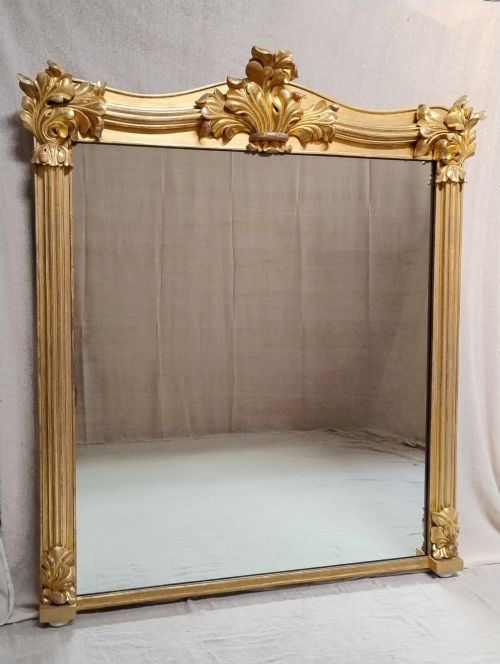
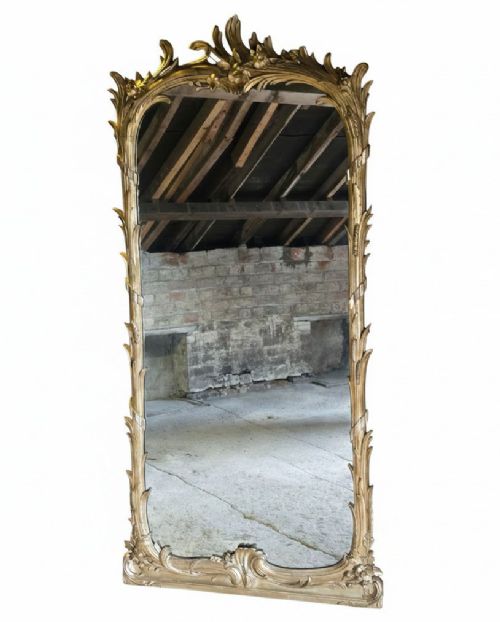
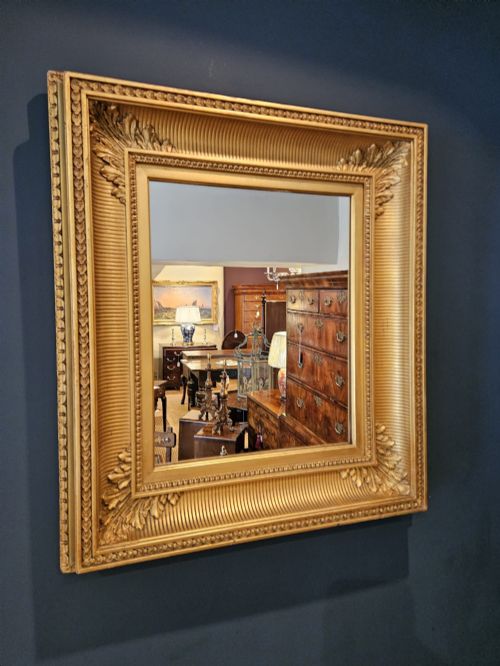
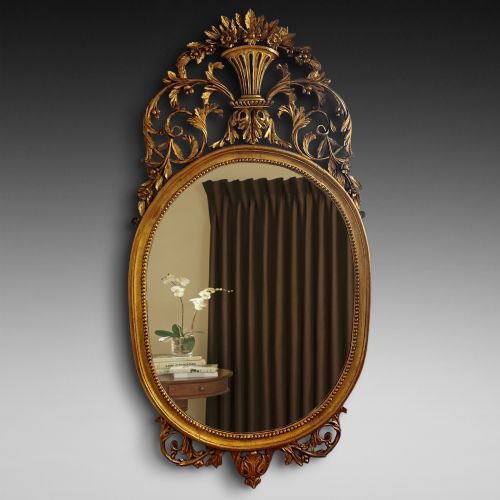
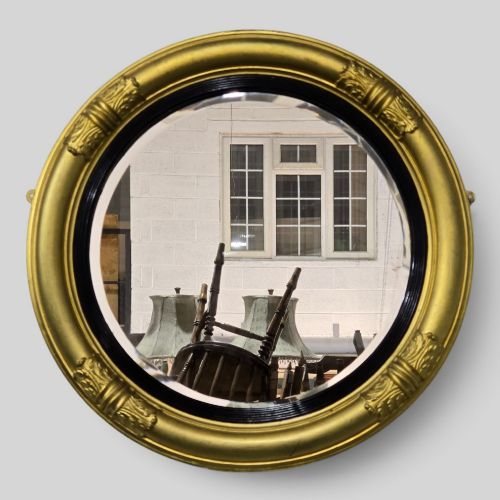
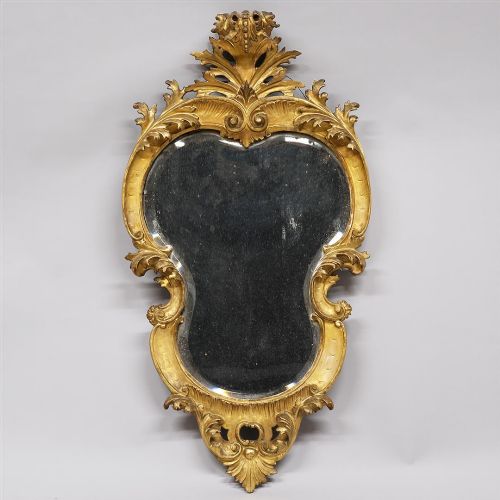
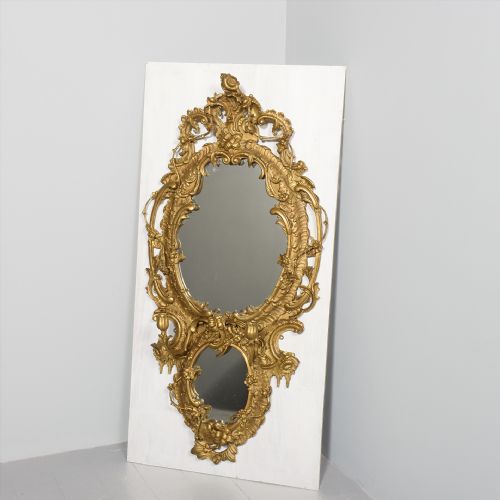
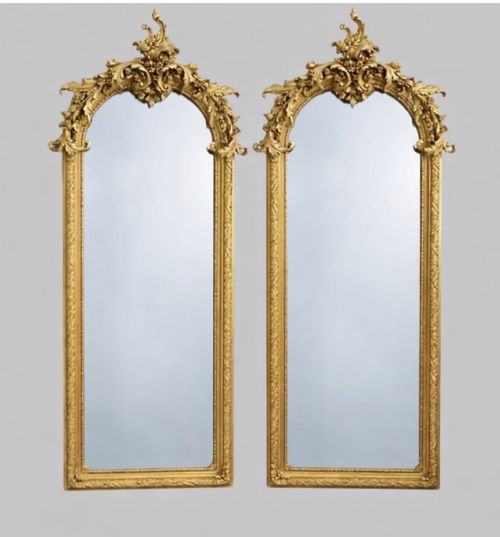
A gilded acanthus leaf mirror takes many structural forms, ranging from grand overmantels and tall wall pieces to compact oval frames and cushion shapes. These objects originate from various periods including the Georgian and Victorian eras, as well as specific years such as eighteen-eighty and nineteen-ten.
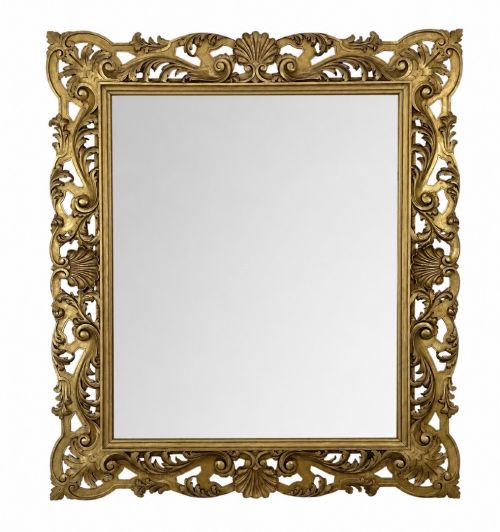
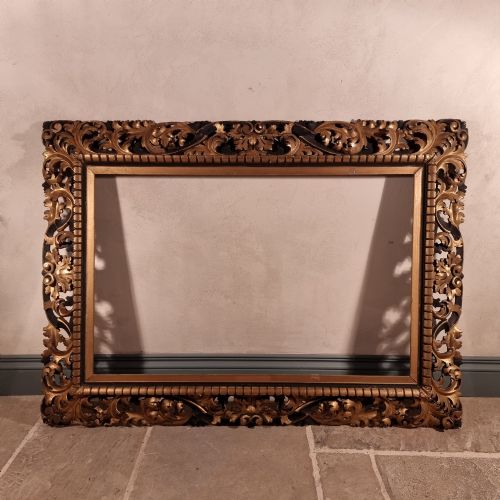
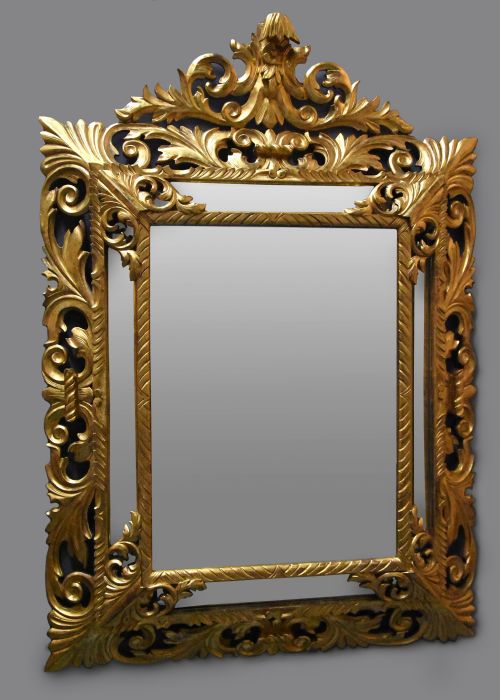
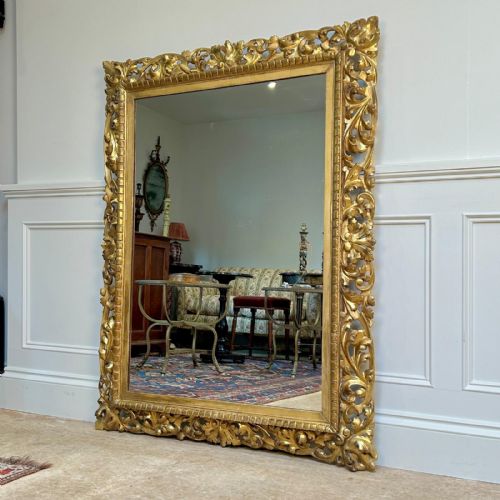
The version most commonly met on this page is the nineteenth century wall mirror or overmantel, often displaying elaborate carving rooted in Rococo or Florentine design. Pieces span English, French, and Italian origins, demonstrating diverse regional interpretations of classical foliage motifs.
Makers and workshops across different centuries applied these scrolling leaf patterns to pier mirrors, picture frames, and triptych overmantels alike. The unifying element remains the prominent acanthus decoration paired with a gilt surface.
Materials and construction methods
Artisans built the structural frames primarily from timber such as carved wood or sturdy underlying planks, applying gesso to smooth the surface before adding fine gold leaf or silver and gold leaf. Composition material also appears on specific mouldings, allowing for crisp relief work on repetitive floral and leaf details.
Carvers shaped the timber by hand to create the undulating scrolls and deep relief of the acanthus foliage characteristic of Rococo and Baroque revivals. The glass plates, including mirror glass, were then fitted into the finished frames to complete the reflective surface.
Several mirrors carry the invisible weight of centuries, having spent lifetimes reflecting changing fashions, candlelight, and Victorian drawing rooms.
Distinctions in craftsmanship and finish
Quality rests significantly upon the depth and sharpness of the hand-carved woodwork, where crisp undercutting on the acanthus leaves separates superior examples from softer, moulded alternatives. The subtlety of the gilding technique also dictates the overall presence of the piece, with genuine gold leaf ageing differently than later metallic paints.
Proportion and architectural balance define the higher tiers of these mirrors, ensuring that the decorative foliage complements rather than overwhelms the glass plate. The integrity of the underlying gesso and wood structure further determines the longevity and preservation of the frame.
The Gilded Acanthus Leaf Mirror Glossary
- Giltwood
- Timber that has been coated with gold leaf or gold powder. This surface finish gives antique mirrors their characteristic warm metallic lustre.
- Gesso
- A plaster-like mixture applied to wood frames as a base. It is smoothed and carved before gilding to provide a crisp foundation for leaf details.
- Acanthus
- A classical Mediterranean plant motif used extensively in architecture and ornamentation. Its stylized spiky leaves form the primary scrollwork on these frames.
- Overmantel
- A large mirror designed to hang specifically above a fireplace mantel. These pieces frequently feature expansive glass plates and architectural framing.
- Pier mirror
- A tall, narrow mirror created to hang on the wall space between windows. They often reflect additional light into darker period rooms.
Gilded Acanthus Leaf Mirror: Frequently Asked Questions
Where should I hang a gilded acanthus leaf mirror?
These mirrors suit spaces where they can reflect natural light, such as above a drawing room fireplace or opposite a window.
Their substantial frames also function well as focal points in hallways or dining rooms above antique sideboards.
How do I clean a gilded surface safely?
Dust the carved acanthus leaves gently with a soft, dry brush to avoid disturbing the fragile gold leaf.
Keep moisture and chemical sprays away from the gilt surface entirely to preserve the historic finish.
Are these mirrors heavy to mount?
Due to the dense carved wood and gesso construction, many pieces carry considerable weight.
Secure mounting into wall studs or using appropriate heavy-duty fixings is essential for safe installation.
How do I identify a Florentine style frame?
Florentine mirrors typically display dense, continuous leaf and scroll carving that frames the glass closely.
Their origins trace to Italian workshops that favoured rich surface ornamentation and deep profile mouldings.