





Floral Porcelain Display
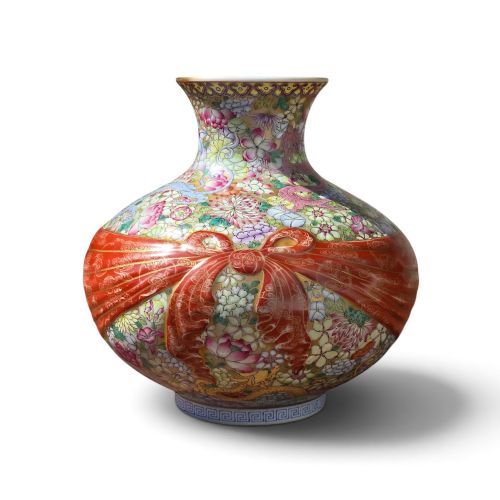
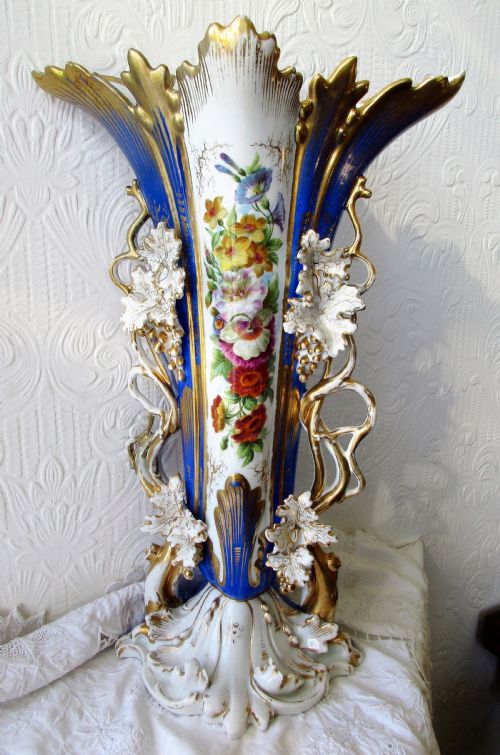
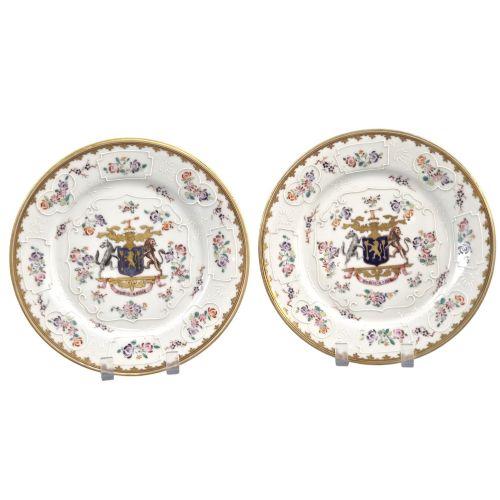
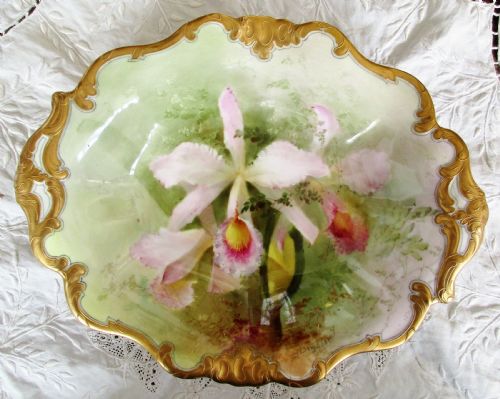
These floral porcelain display pieces bring handpainted botanical scenes and traditional palettes into rooms through chargers, cabinet plates and vases.
Floral Porcelain Display
Floral porcelain display covers decorative plates, bowls, chargers and vases produced across the eighteenth, nineteenth and early twentieth centuries. Pieces originate from English factories, continental European makers and Japanese export kilns.
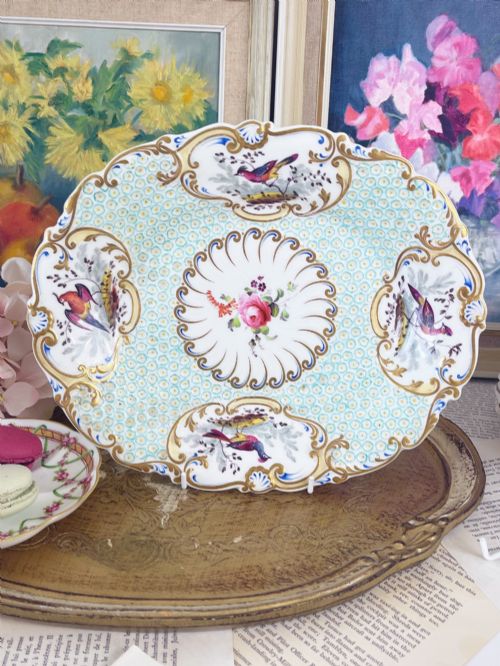
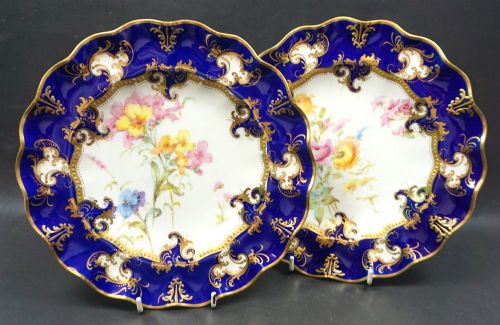
Cabinet plates and large chargers form the core of this selection, alongside decorative bowls and vases painted with botanical subjects. English porcelain and earthenware sit alongside Japanese Imari wares from the Meiji period.
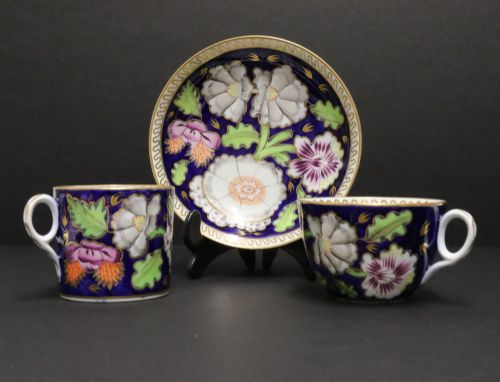
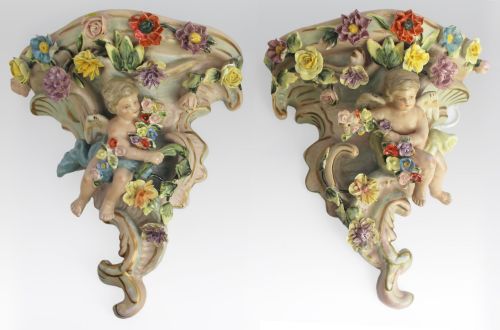
Makers range from Staffordshire potteries and Worcester manufacturers to French studios and Japanese workshops. Forms span simple serving dishes to ornamental wall corbels and cabinet trios.
How They Were Made
Potters shaped porcelain, bone china, ironstone and earthenware bodies before applying white or tinted glazes. Kiln firing fixed the ceramic base prior to subsequent enamel decoration.
Painters applied handpainted designs using iron-red pigments, cobalt blue underglazes and polychrome enamels. Gilding, gold leaf and enamel touches accented floral motifs and bird scenes.
Listings feature porcelain, earthenware and bone china from Victorian, Regency and eighteenth-century periods.
What Varies in Quality
Painting precision defines the upper tier of these ceramics, where brushwork on botanical studies and bird subjects shows careful detail. Lesser examples rely on repetitive stencilling or heavier, less refined enamel application.
The crispness of moulded edges on scalloped plates and hexagonal dishes separates standard production from finer output. Uniformity in glaze finish and the careful placement of gold leaf contribute to an object's overall visual balance.
H & R Daniel·Hampton & Sons·Royal Crown Derby·Edmé Samson & Cie·Royal Doulton·Doe & Rogers·John Ridgway·Furstenberg·Pucher Deroche
The Floral Porcelain Display Glossary
- Cabinet plate
- A decorative ceramic plate intended for display on a wall or in a cabinet rather than for dining use. These often feature handpainted scenes and gilt borders.
- Charger
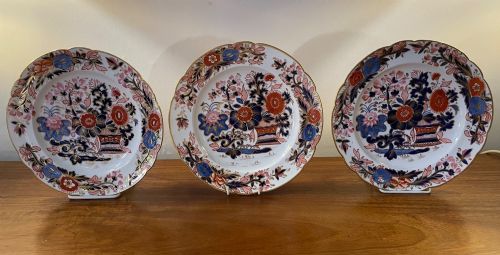
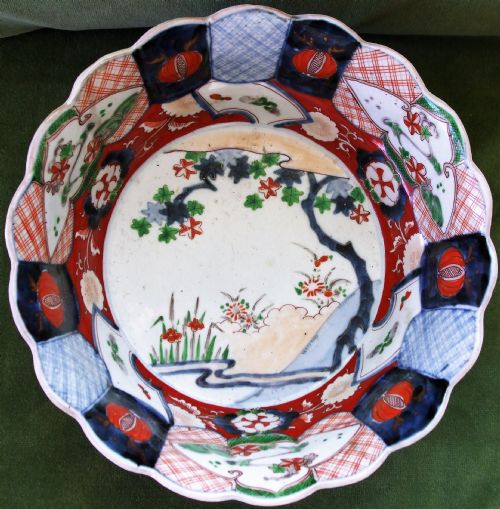
- A large ornamental plate used traditionally for service or display. In this selection, they frequently carry Japanese Imari patterns.
- Imari palette
- A traditional decorative scheme utilising cobalt blue, iron-red and gilt highlights. Originating in Japan, this palette influenced numerous European ceramic factories.
- Enamel
- Opaque glass fused to ceramic surfaces during firing to provide vibrant colours. Enamels allow detailed handpainted floral motifs across plates and vases.
- Gilding
- The application of gold leaf or powdered gold to ceramic edges and motifs. This technique highlights rims and framing lines on display pieces.
Floral Porcelain Display: Frequently Asked Questions
How do I hang a cabinet plate safely?
Display plates require specialised spring-loaded hangers that grip the rim securely without scratching the glaze. Ensure the wall fixing matches the weight of the ceramic.
Position plates away from direct sunlight and heavy foot traffic to protect the enamel and gilt surfaces from accidental knocks.
Are these plates meant for dining?
Most pieces in this category serve as decorative items rather than tableware. Older glazes and delicate overglaze enamels can wear down with regular food use and cutlery contact.
Handwashing in lukewarm water preserves the painted floral details and gold leaf on antique porcelain.
What is Japanese Imari porcelain?
Japanese Imari wares emerge from Arita kilns, featuring deep cobalt blue underglazes combined with iron-red and gold overglaze painting. These pieces gained popularity in European interiors during earlier trading periods.
Nineteenth-century adaptations maintained these traditional palettes for display chargers and scalloped plates.
How do I identify a nineteenth century piece?
Nineteenth-century ceramics often show maker marks, pattern numbers or impressed factory stamps on the unglazed base. Stylistic clues include Rococo revival moulding or characteristic handpainted botanical subjects.
Examining the foot ring and glaze pooling helps determine the manufacturing era and regional origin.