
Antique Fruit Basket
When choosing an antique fruit basket, collectors acquire vessels crafted in silver, porcelain, earthenware, and wicker across the eighteenth, nineteenth, and early twentieth centuries.
Antique Fruit Basket
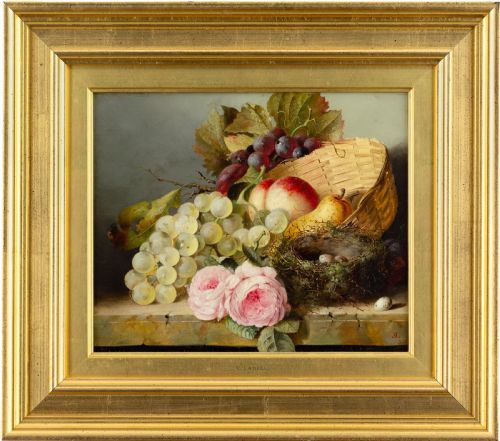
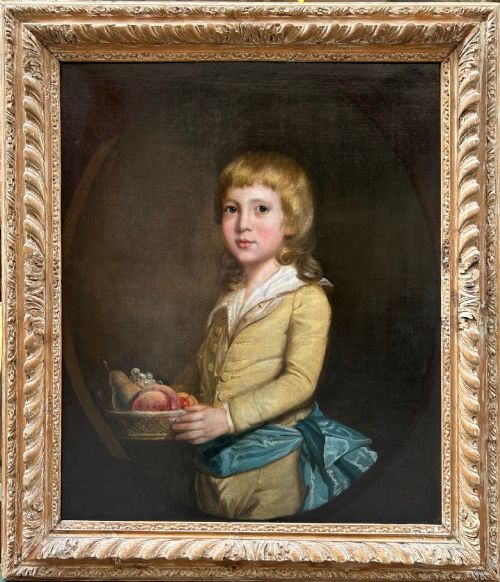
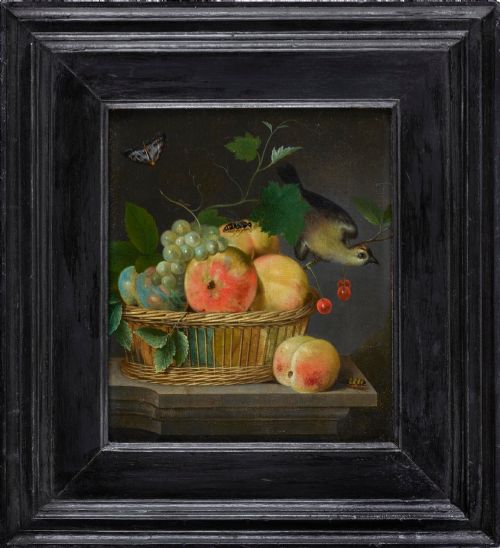
An antique fruit basket encompasses functional dining vessels and decorative centrepieces designed to hold harvest produce, alongside oil paintings and watercolours depicting similar arrangements. Surviving examples span Georgian, Victorian, Edwardian, and Art Nouveau periods, reflecting diverse domestic uses in dining rooms and drawing rooms.
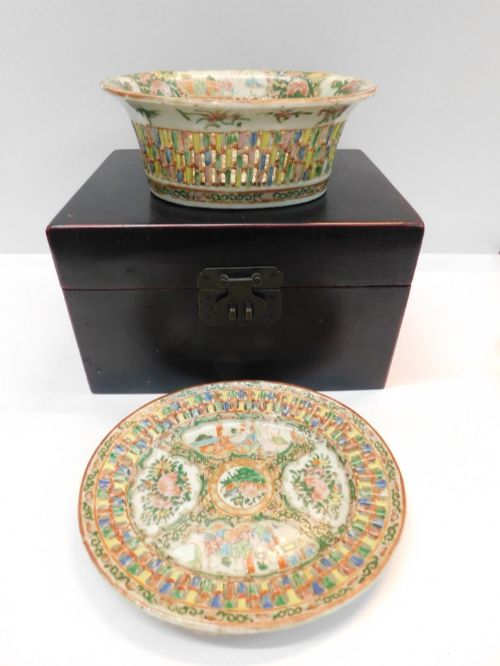
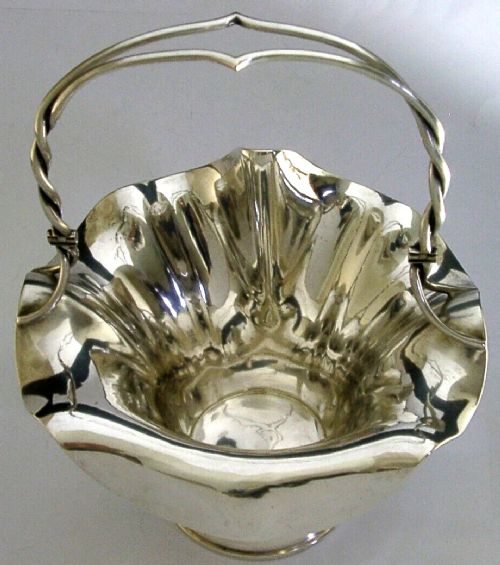
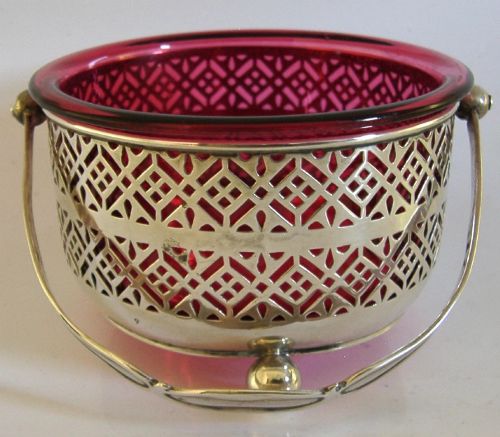
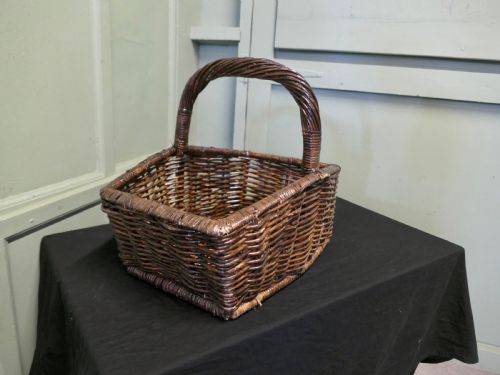
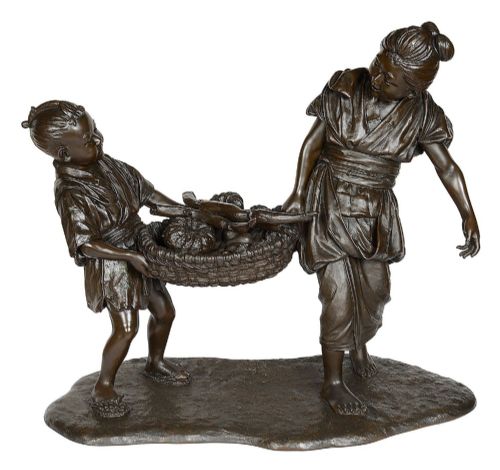
The objects on this page range from solid sterling silver and silver-plated metalware to fine porcelain chestnut baskets and earthenware pottery bowls. Buyers encounter woven wicker market baskets, carved wood reliefs, and bronze figures alongside traditional ceramic and metal table services.
Origins vary from English factories such as Worcester and Wedgwood to continental makers and French markets, capturing centuries of craftsmanship. Whether formed as pierced metal dishes or painted ceramic vessels, these items serve both ornamental and practical roles in historic interiors.
How They Were Made
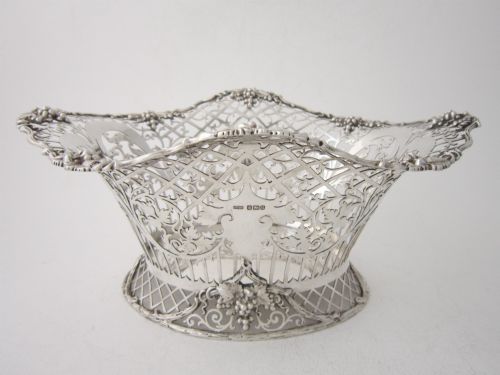
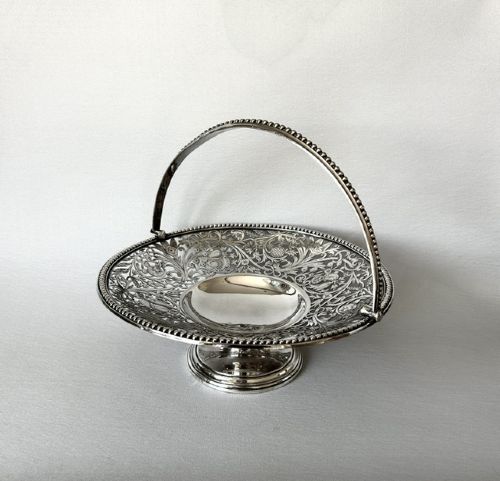
Silversmiths utilised sterling silver and old Sheffield plate, employing techniques like wirework, piercing, repoussé, and engraving to shape intricate decorative rims and swing handles. Silver plating applied over base metals created durable dining wares that mirrored the appearance of solid silver items.
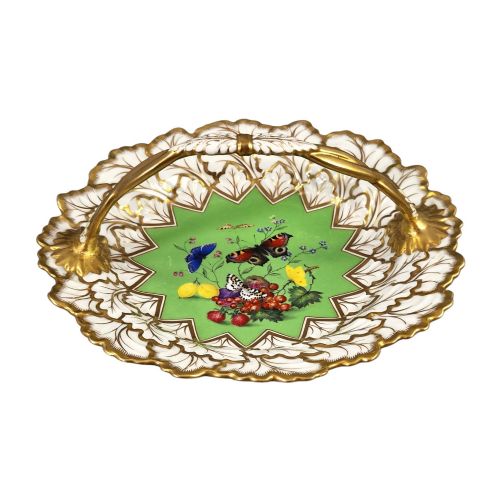
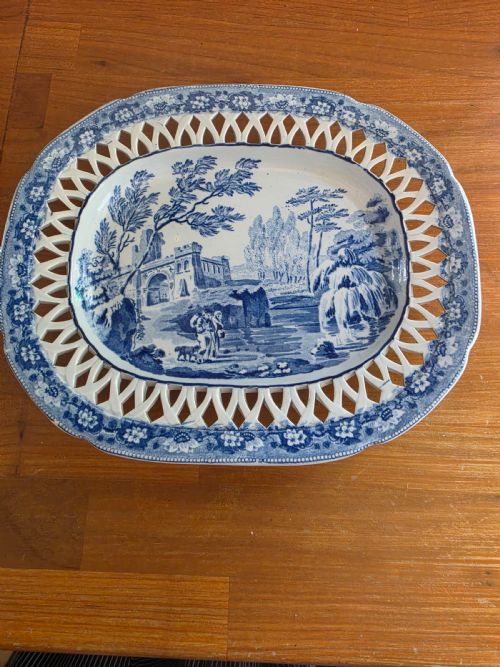
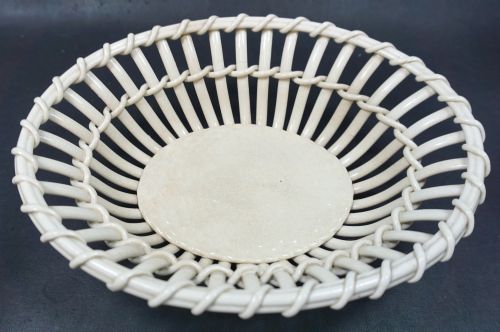
Potters shaped earthenware, creamware, and porcelain bodies, applying intricate reticulation, transfer printing, and polychrome glazes before firing. Majolica wares received rich coloured lead glazes over moulded sculptural surfaces, while porcelain factories produced hand-painted botanical and fruit scenes.
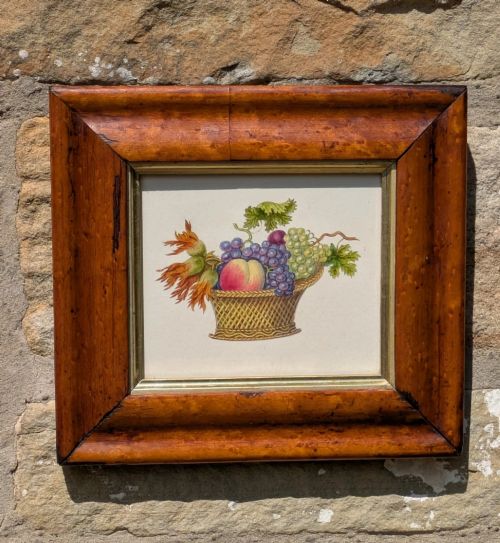
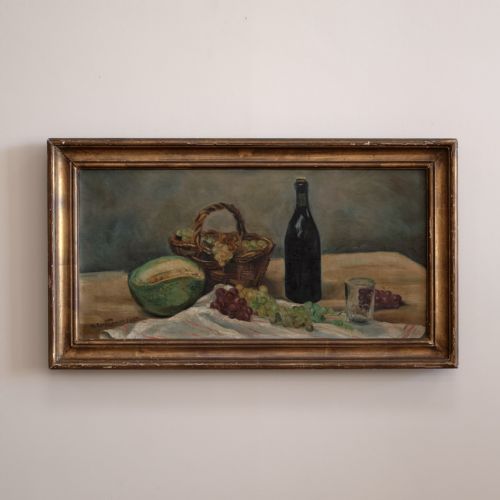
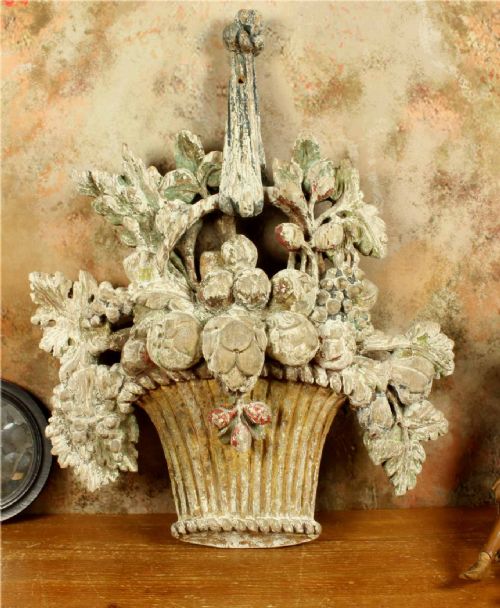
Artisans also worked with natural materials, weaving bamboo and wicker into sturdy vessels, or carving timber into detailed floral wall reliefs and decorative panels. Painters captured these forms using oil on canvas or board, applying pigments to depict physical baskets laden with fruit and foliage.
Listings feature items from the eighteenth, nineteenth, and early twentieth centuries, spanning Victorian, Georgian, Regency, Edwardian, and Art Nouveau styles.
What Varies in Quality
The refinement of the surface decoration and the crispness of the piercing or moulding determine the standing of metal and ceramic vessels. Superior metal pieces exhibit deep, clean repoussé work and substantial gauge silver, whereas finer porcelain examples display delicate, hand-painted details and precise reticulation.
Maker attribution and period integrity influence the standing of each piece, with documented works from notable factories commanding greater attention. The preservation of original gilding, glaze depth, and surface patination further distinguishes standard production items from exceptional workshop creations.
Flight Barr And Barr·Wedgwood·Spode·George W Scott And Sons Ltd·George Jones·Mappin And Webb·J And R Clews·Minton·Matthew Boulton·Walker And Hall·Martin Hall·Roberts And Belk·Wilkinson And Co·Henry Atkins And Co·William Hutton And Son·William Gallimore And Co·Robert And Hall·John Figg·Daniel And Arter·Pinder Brothers
The Antique Fruit Basket Glossary
- Reticulated
- Pierced with a network of open geometric or floral holes. This technique appears frequently on eighteenth and nineteenth-century chestnut baskets and dessert services.
- Old Sheffield Plate
- A composite material formed by fusing a thin sheet of silver to a thicker copper base. It predates electroplating and defines many early nineteenth-century metal vessels.
- Majolica
- A type of earthenware coated with an opaque tin glaze and painted with metallic oxide colours. Victorian makers utilised this method for heavily moulded botanical and animal forms.
- Repoussé
- A metalworking technique where the artisan hammers the design from the reverse side to form raised relief patterns on the front. This ornamentation adorns many silver-plated Edwardian and Victorian rims.
Antique Fruit Basket: Frequently Asked Questions
What is an antique fruit basket used for?
These vessels originally served to present fresh fruit, bread, or sweetmeats on dining tables during formal meals and dessert courses.
Today, collectors utilise them as decorative centrepieces, wall displays, or functional storage bowls within period and modern interiors.
How do I clean silver-plated fruit baskets?
Maintain silver-plated items by washing them gently in warm soapy water with a soft cloth to remove dust and residue.
Avoid abrasive cleaners or harsh chemical dips that strip thin silver plating and damage delicate repoussé details.
How do I distinguish old Sheffield plate from silver plate?
Old Sheffield plate reveals a faint line of copper visible along exposed edges or worn areas where the fused silver layer has thinned.
Electroplated items show a base metal like nickel or brass beneath worn spots rather than the distinctive reddish copper hue.
What periods do these baskets come from?
The available listings span from the eighteenth century through the Georgian, Victorian, Regency, and Edwardian eras into the early twentieth century.
Each period introduces distinct stylistic traits, transitioning from classical porcelain reticulation to ornate silver-plated Victorian forms and Art Nouveau lines.