







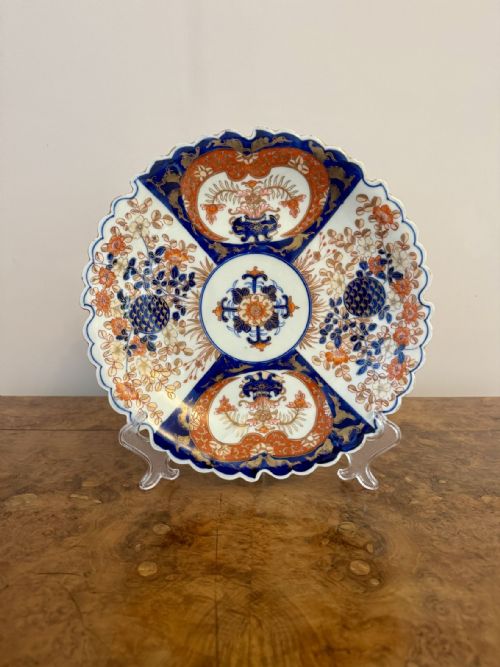
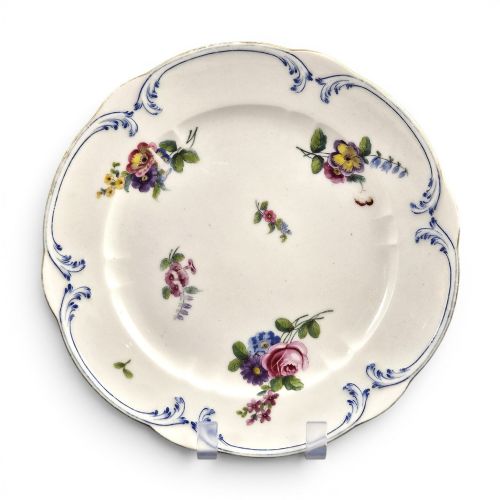
Floral Porcelain Charger Plate
These floral porcelain charger plate items bring intricate hand-painted botanical motifs into domestic display spaces, offering centuries of ceramic artistry.
Floral Porcelain Charger Plate
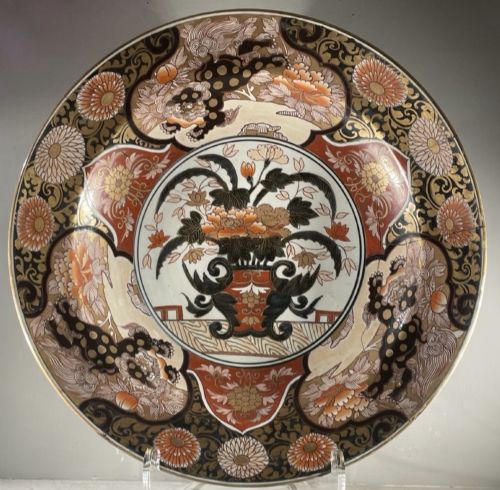
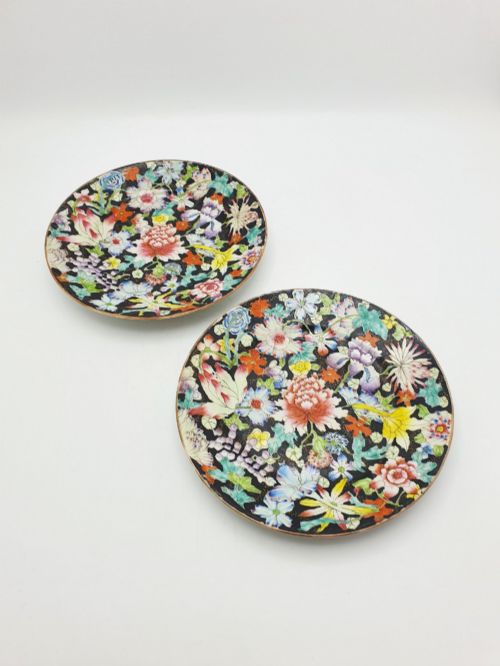
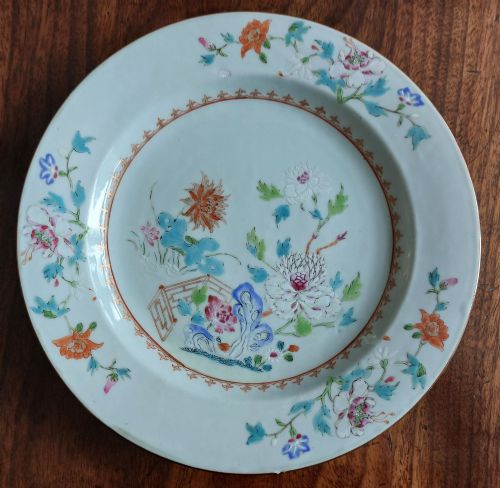
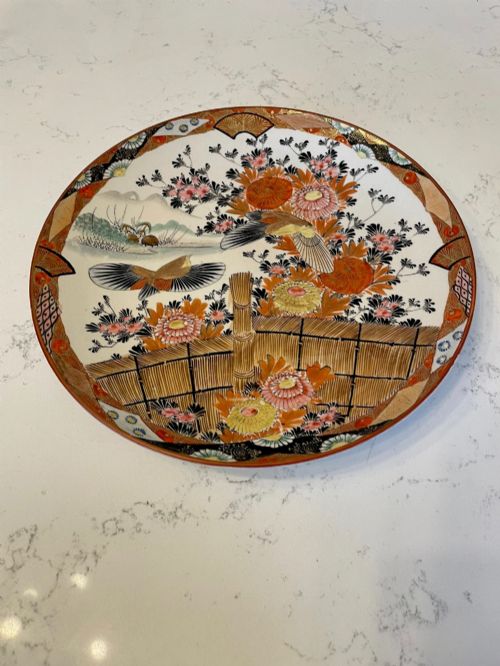
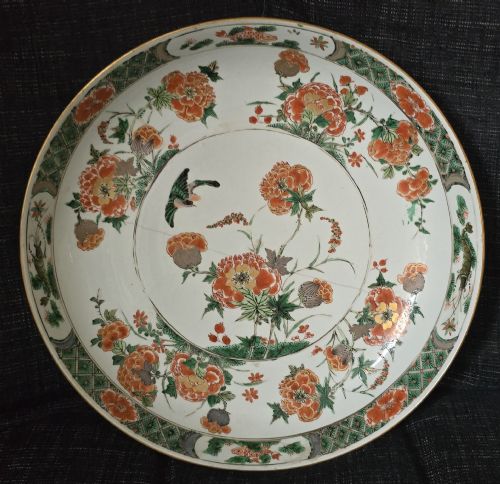
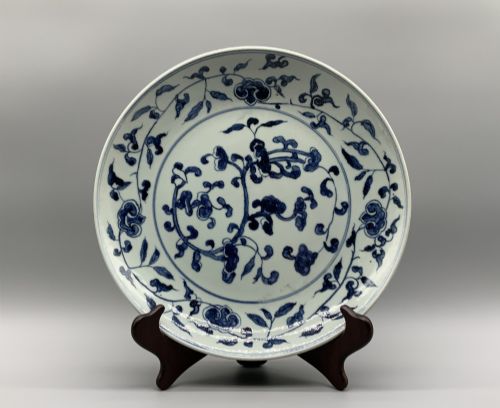
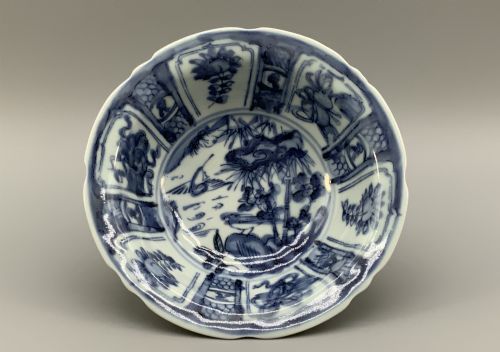
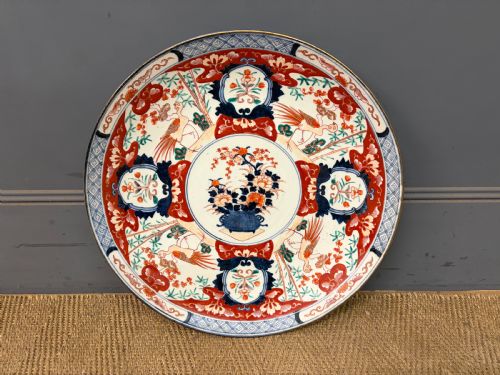
A floral porcelain charger plate serves as a broad decorative dish intended for display or ceremonial table settings rather than standard dining use. The pieces gathered here draw heavily from Japanese Imari and Chinese export traditions alongside European factories.
Most examples originate from the nineteenth and early twentieth centuries, though earlier seventeenth and eighteenth century Chinese and Japanese works appear frequently. The primary forms include large scalloped chargers, hexagonal dishes, and shallow bowls featuring dense botanical and floral schemes.
Materials and production techniques
Potters shaped fine ceramic and porcelain bodies before applying cobalt underglaze pigments and bright enamel overlays. Skilled artisans then incorporated gold leaf and gilt detailing to accentuate the painted floral patterns.
Kiln firing transformed the raw clay and glazes into durable vitrified wares. Many plates received multiple firings to fix the underglaze blues separately from the overglaze red enamels and metallic leaf.
Floral Porcelain Charger Plate Retail Price Guide 2026
Typical asking prices for floral porcelain charger plate among the pieces listed under this phrase on Sellingantiques today, from the lower quarter to the upper quarter. They describe what is for sale here now, not the wider market.
Listings feature porcelain, enamel, and gold leaf across periods spanning the seventeenth century to the early twentieth century.
Assessing craftsmanship and execution
Quality rests upon the precision of the hand-painted brushwork and the clarity of the cobalt underglaze. Superior pieces display crisp botanical motifs and confident asymmetry rather than rigid, mechanical repetition.
The integration of gilding and enamel colours dictates the visual depth of the surface. Finer charges maintain vibrant pigments without excessive fading or crude touch-ups across the ceramic body.
John Davenport of Longport·Shozo·Ambroise Michel·Copeland
The Floral Porcelain Charger Plate Glossary
- Charger
- A large decorative plate traditionally utilised beneath standard dining courses or displayed upright on sideboard stands. These broad ceramic discs provide an expansive surface for elaborate painted scenes.
- Imari
- A traditional style of Japanese porcelain originating from the port of Imari, defined by a distinct palette of cobalt blue, iron red, and gilt highlights. The designs frequently incorporate floral and avian motifs.
- Underglaze
- A method of decorating pottery where pigments are applied directly to the unglazed ceramic body before a transparent glaze layer is added. This technique protects the painted design from wear during daily use.
- Enamel
- Opaque glass-like pigments applied over a fired and glazed ceramic surface, requiring a secondary lower-temperature kiln firing. This adds raised texture and vibrant colour to the floral composition.
- Scalloped
- A decorative edge shaped into a series of continuous curves resembling a scallop shell. This treatment softens the perimeter of circular and hexagonal plates.
Floral Porcelain Charger Plate: Frequently Asked Questions
What is a floral porcelain charger plate used for?
These large plates were primarily designed for formal table presentation or decorative display on walls and cabinets. Their substantial diameters made them ideal centrepieces within traditional interiors.
Over generations, owners transitioned these items from functional dining furniture to purely decorative display objects. They remain popular for adding colour and historical interest to dining rooms and hallways.
How do I identify a Japanese Imari piece?
Japanese Imari porcelain is recognised by its distinctive colour combination of cobalt blue and iron red, frequently enriched with gold leaf. The patterns usually feature dense floral arrangements, foliage, and natural scenes.
Examining the foot ring and the tone of the white porcelain helps determine the period. Nineteenth-century examples often display bright enamel colours and crisp underglaze lines.
Can these plates be hung on walls?
Many historic chargers feature deep foot rings or were manufactured with display in mind. Proper wire hangers distribute the weight evenly without damaging the ceramic body.
Securing the hanger firmly around the rim ensures safe mounting for heavier eighteenth and nineteenth-century pieces. Regular checks prevent accidental slips from wall displays.
How do I care for antique porcelain?
Antique porcelain requires gentle cleaning with a soft, dry cloth to remove dust. Harsh chemical cleaners and abrasive scrubbing pads must be avoided to protect overglaze enamels and gold leaf.
Hand washing in lukewarm water with mild soap is suitable only when strictly necessary, followed by immediate drying. Storing pieces away from direct sunlight preserves the vibrancy of the pigments.