



Floral Polychrome Porcelain Plates
Floral polychrome porcelain plates bring together vibrant botanical decoration and historic ceramic traditions, offering an engaging way to introduce colour into any room.
Floral Polychrome Porcelain Plates
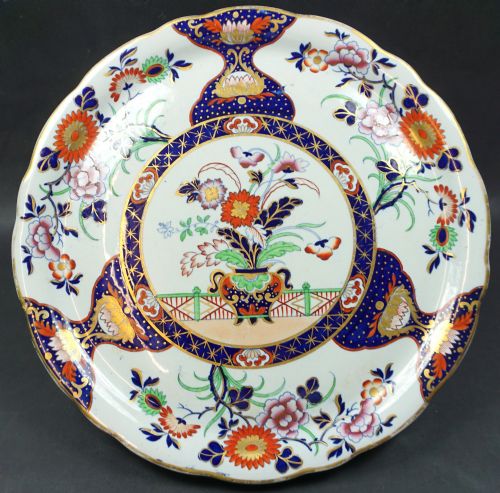
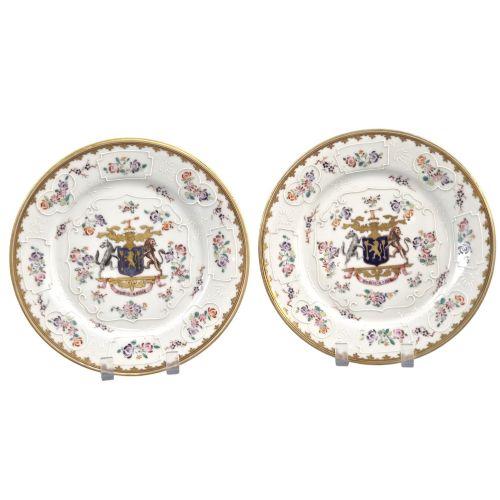
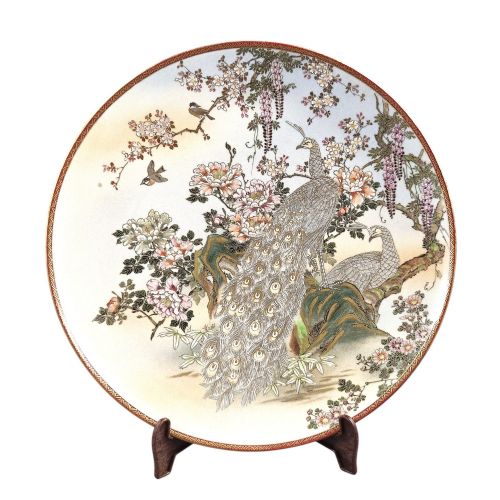
Floral polychrome porcelain plates encompass a diverse selection of decorative items designed for display or service, originating from various international traditions. When you search for floral polychrome porcelain plates, you encounter pieces ranging from eighteenth-century English works to nineteenth-century Japanese chargers and Chinese export ware.
The assortment on this page draws heavily from eighteenth-century English factories, Chinese Qing dynasty production, and nineteenth-century Japanese kilns. You find plates, chargers, serving dishes, and platters displaying hand-painted botanical motifs across soft-paste porcelain, ceramic, and hard-paste bodies.
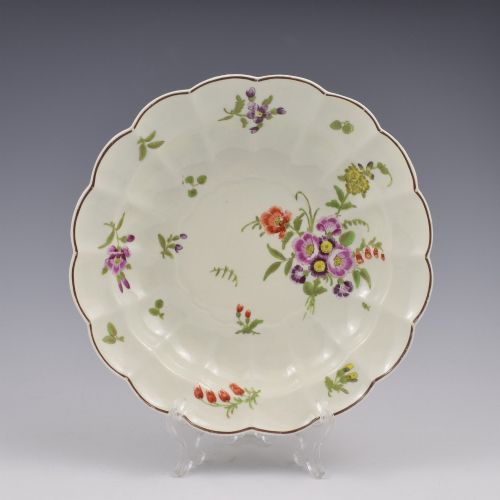
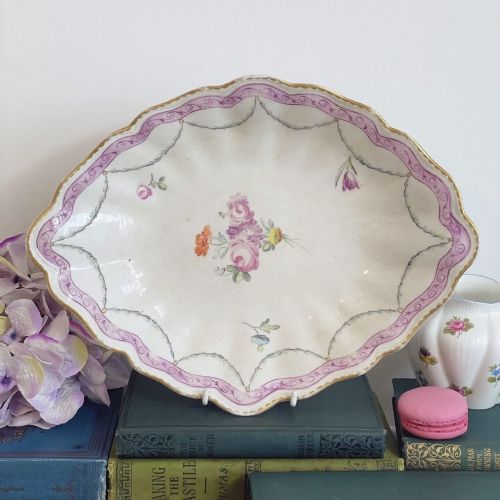
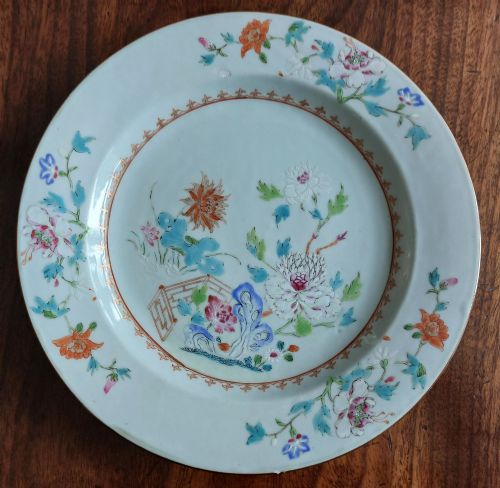
English examples frequently feature lobed rims and detailed botanical studies associated with factories like Worcester and Derby. Asian counterparts showcase traditional palettes including Japanese Imari patterns and Chinese Famille Rose enamels depicting flowers, birds, and natural scenes.
How they were made
Potters shaped these objects using refined porcelain, soft-paste porcelain, earthenware, and stone china, forming bodies by hand or moulding them into specific shapes like basketweave or lobed designs. Artisans then applied underglaze and overglaze enamel pigments to create lasting polychrome floral compositions.
Many items incorporate gold leaf and gilt highlights to accentuate borders, rims, and central motifs, applied meticulously over the fired glaze. Firing techniques varied across European and Asian workshops, determining the translucency of the paste and the integration of the enamel colours.
Some nineteenth-century makers applied enamel to unexpected utilitarian surfaces, transforming everyday door push plates into vibrant botanical displays.
What varies in quality
Quality rests significantly on the precision of the hand-painting and the clarity of the polychrome enamels. Superior examples display confident brushwork and well-defined floral details that remain crisp across the surface.
The refinement of the porcelain paste and the preservation of any applied gold leaf or gilt details also set finer items apart. Early manufacturing methods and the reputation of the originating workshop or factory contribute further to the distinction between pieces.
Edmé Samson & Cie·Hicks & Meigh·Minton·Davenport
The Floral Polychrome Porcelain Plates Glossary
- Polychrome
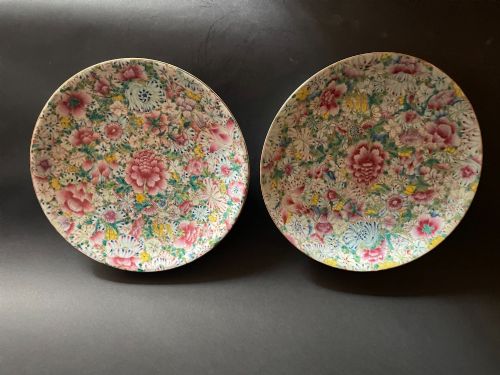
- Decoration executed in multiple colours. This technique allows for complex pictorial designs involving various distinct enamel shades.
- Famille Rose
- A major palette of Chinese ceramic glazes introduced in the Qing dynasty. It is characterised by pink or rose enamels derived from colloidal gold.
- Imari
- A type of Japanese porcelain decorated in underglaze blue and overglaze iron red, gold, and other colours. Production historically centred around the port of Arita.
- Soft-paste porcelain
- A ceramic material composed of clay and glass frit, fired at lower temperatures than true hard-paste porcelain. It was widely used in eighteenth-century European factories.
- Charger
- A large decorative plate or platter used historically for service or display. These items often feature more elaborate painting than standard dining plates.
Floral Polychrome Porcelain Plates: Frequently Asked Questions
What periods do these plates cover?
The selection spans from the eighteenth century through the nineteenth century and into the early twentieth century. Pieces originate from various European and Asian traditions.
English factories operating during the Georgian and Victorian eras sit alongside Qing dynasty Chinese items and Meiji period Japanese works.
How should I display a charger?
Chargers are larger than standard plates and were traditionally designed for ceremonial service or sideboard display. Their generous dimensions suit wall mounting using appropriate fixings or resting on sturdy plate stands.
Positioning them away from direct sunlight helps preserve the vibrancy of the hand-painted enamels and any gold leaf detailing over time.
Can I use these plates for dining?
Most antique porcelain and earthenware plates from these periods function best as decorative items rather than for everyday meals. Historic glazes and delicate overglaze enamels can wear down with frequent washing and cutlery use.
Gentle dusting and occasional careful cleaning with a soft, dry cloth maintain the condition of the surface without risking the painted floral designs.