






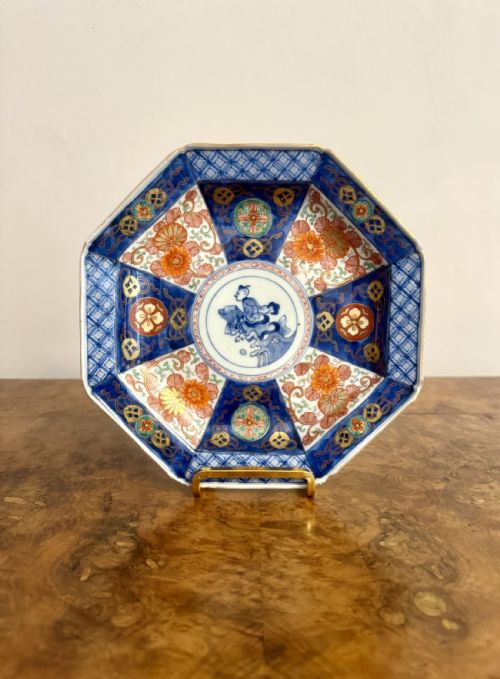
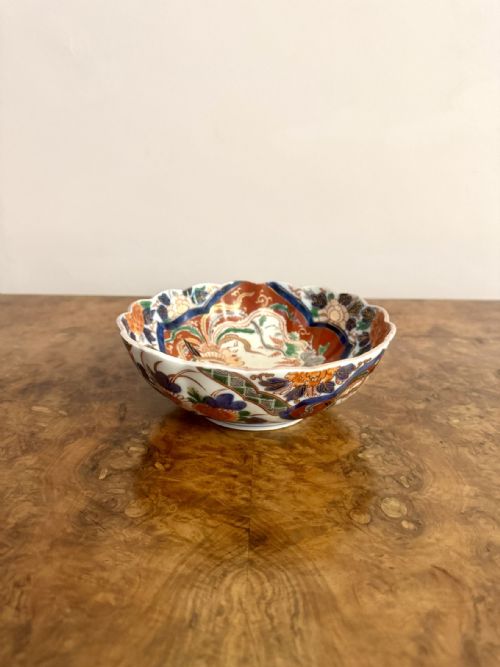
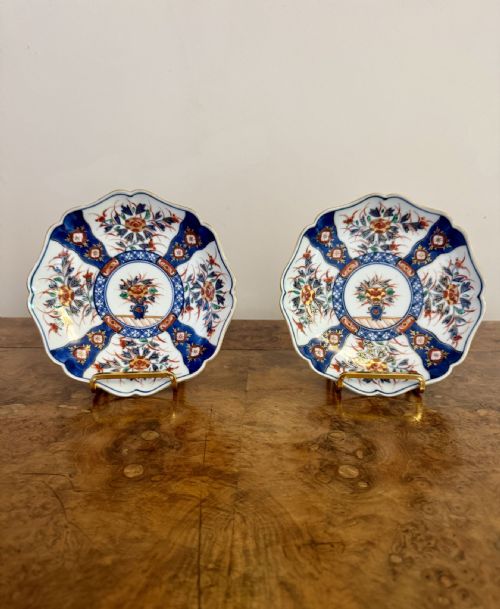
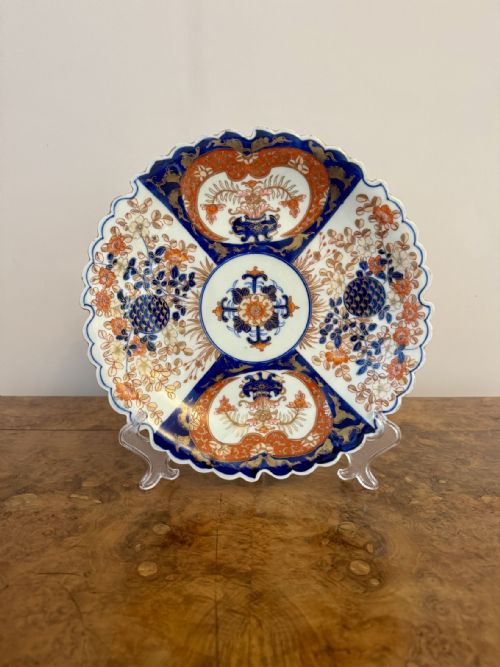
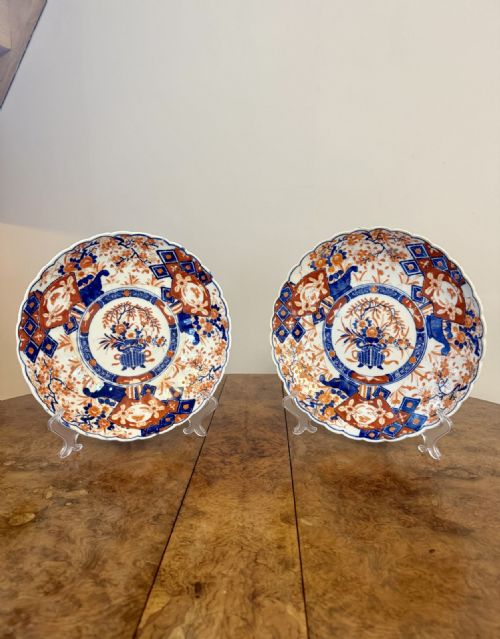

Floral Painted Imari Dish
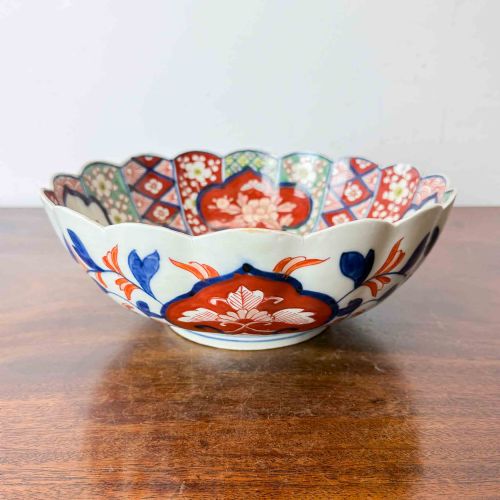
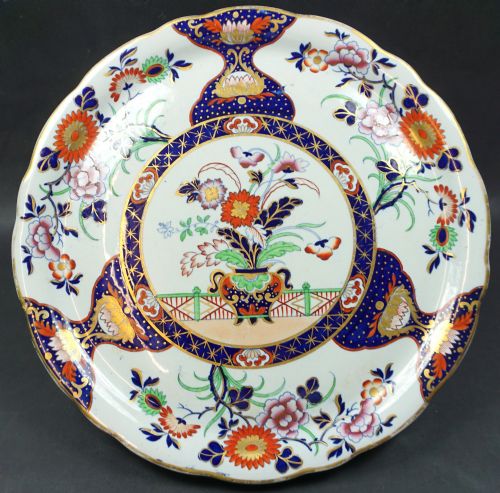
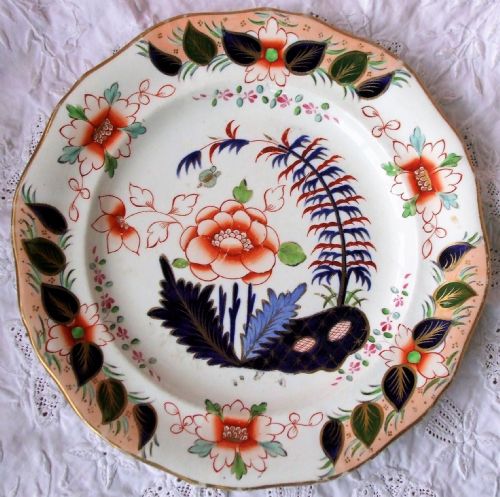
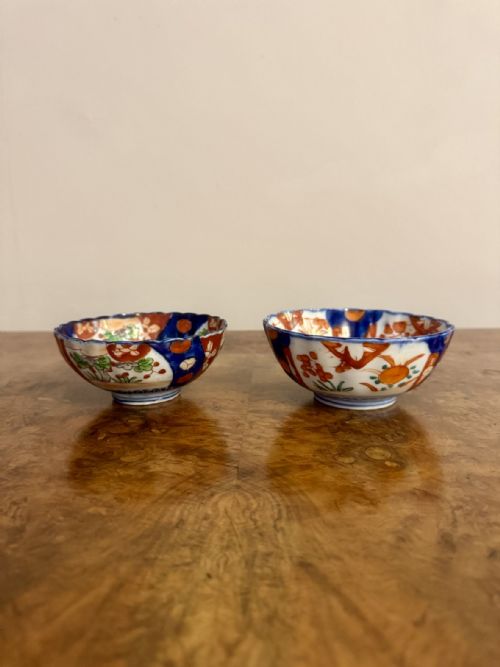
These floral painted imari dish examples bring striking cobalt underglaze and enamel decoration to a room, offering rich colour and pattern.
Floral Painted Imari Dish
When you search for a floral painted imari dish, you encounter decorative ceramics that typically span the nineteenth century, the Meiji period, and the decades around nineteen hundred. The selection centres heavily upon Japanese Imari porcelain chargers, plates, and bowls, alongside occasional Chinese export and English ironstone pieces made in the Imari palette.
Forms range from large scalloped chargers and hexagonal plates to deep bowls and serving dishes. Pieces originate predominantly from Japanese kilns, including Arita, with occasional Georgian and Victorian English interpretations joining the mix.
What varies in quality
The precision and detail of the hand painted floral and bird motifs define the upper tier of these objects. Crisp cobalt underglaze lines combined with finely controlled enamel work and intact gilding distinguish superior plates and bowls from simpler productions.
Structural variety also influences the standard of the piece, with complex forms like scalloped edges, hexagonal shapes, or large chargers requiring greater skill from the potter than standard circular plates.
Birds frequently share the ceramic branches with floral sprays, watching every meal from the sideboard.
Hicks & Meigh·John Davenport of Longport
The Floral Painted Imari Dish Glossary
- Imari
- A style of Japanese porcelain decorated in underglaze blue, iron red, and gold, named after the port from which it was shipped. This aesthetic was later copied by European and Chinese potteries.
- Arita
- The Japanese town and surrounding region where the production of porcelain first began in the seventeenth century. Many traditional Imari pieces originated from these kilns.
- Cobalt Underglaze
- A blue pigment applied to the raw ceramic body before glazing and firing, which reacts to high temperatures to produce a deep, permanent blue colour. It forms the foundation of traditional Imari decoration.
- Charger
- A large decorative plate or shallow dish intended for display on a wall or sideboard rather than daily dining use.
- Ironstone
- A type of heavy, durable ceramic developed in nineteenth-century England as a robust alternative to porcelain.
Floral Painted Imari Dish: Frequently Asked Questions
What is a floral painted imari dish?
It is a decorative ceramic plate, bowl, or charger featuring traditional Imari patterns painted with floral and often bird motifs. These pieces typically display a characteristic palette of cobalt blue, iron red, and gold.
Most examples found in trade date from the nineteenth century and the Meiji period, originating from Japanese kilns or European imitative potteries.
How were imari dishes used historically?
Larger chargers and scalloped plates were primarily utilised for display on walls, cabinets, or sideboards to showcase wealth and taste. Smaller bowls and plates served functional roles at table for serving food or display.
The robust nature of porcelain and ironstone meant these items survived centuries of handling, transitioning from practical household goods into decorative collector items.
How do I identify a Meiji period piece?
Meiji period items date from eighteen sixty-eight to nineteen twelve, aligning with the reign of the Japanese Emperor Meiji. These ceramics often exhibit high technical skill in hand painted enamel and cobalt decoration.
Look for characteristic Japanese Arita porcelain bodies combined with intricate floral, bird, and geometric patterns typical of this era.
Are English imari pieces different from Japanese ones?
English imari wares, produced by factories such as John Davenport or Hicks & Meigh during the Georgian and Regency periods, utilise ironstone or earthenware bodies rather than traditional Japanese porcelain. They imitate the distinctive blue, red, and gold Japanese colour scheme using European floral arrangements and shapes.
These domestic interpretations provide a different material weight and texture while sharing the same overarching aesthetic inspiration.