


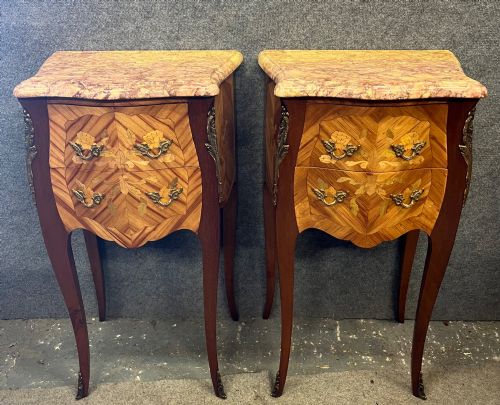
Floral Inlaid Walnut Cabinet
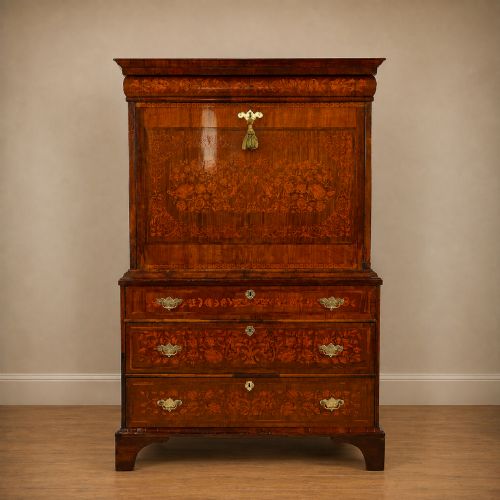
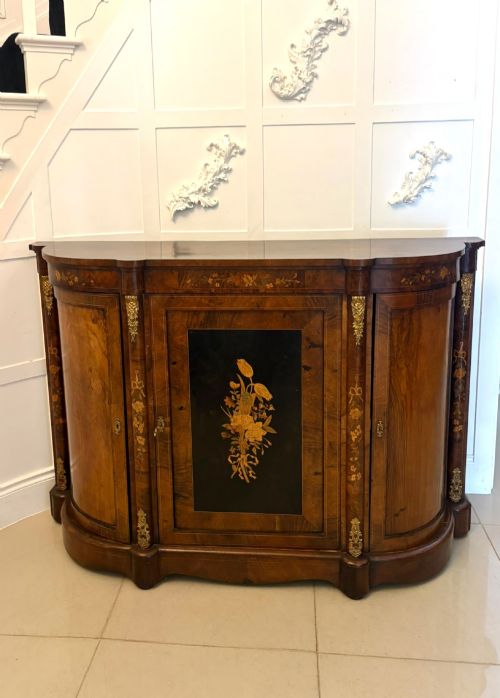
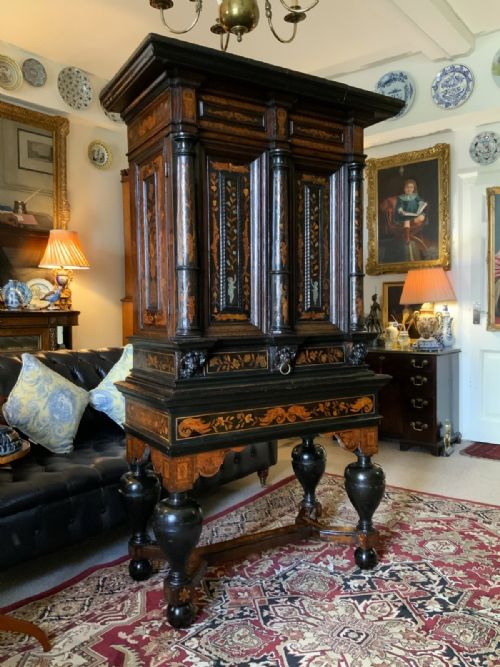
A floral inlaid walnut cabinet brings complex floral marquetry and rich timber into a room, joining practical storage with decorative presence.
Floral Inlaid Walnut Cabinet
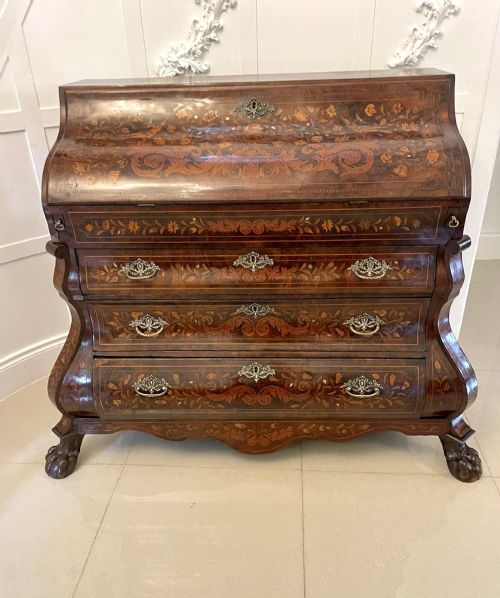
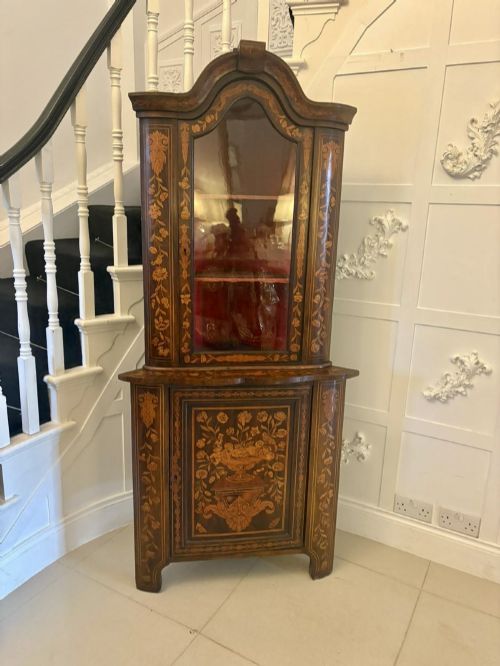
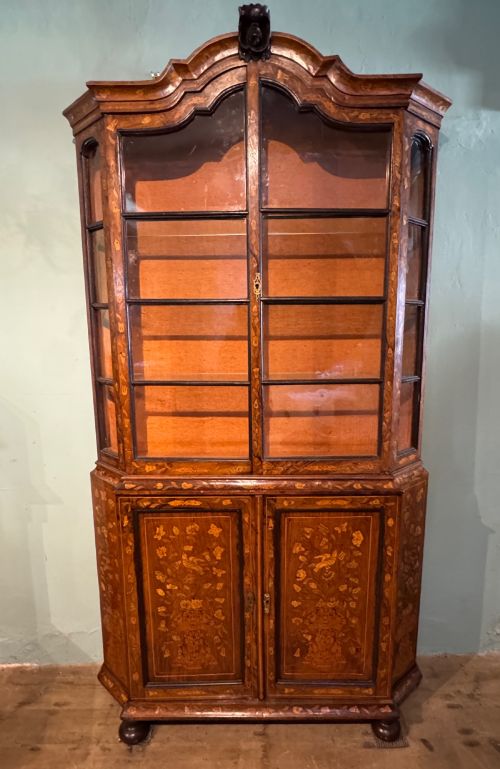
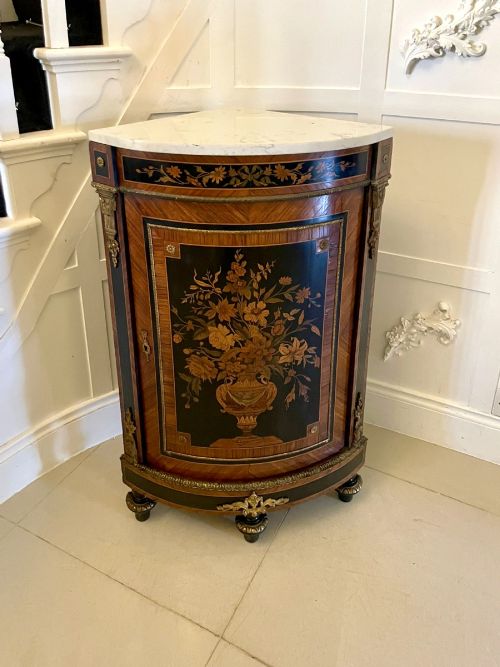
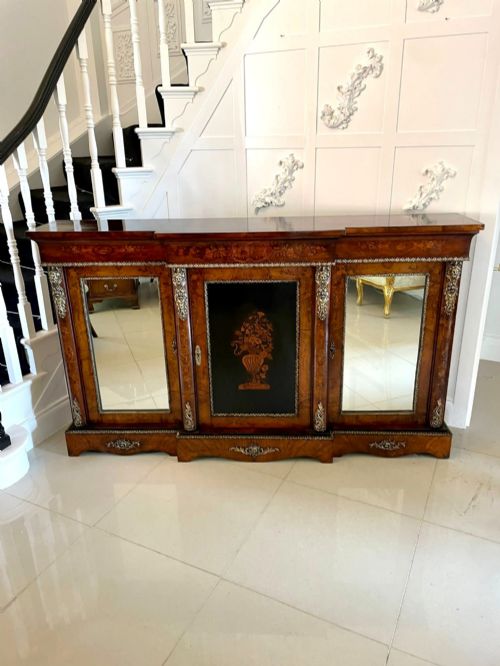
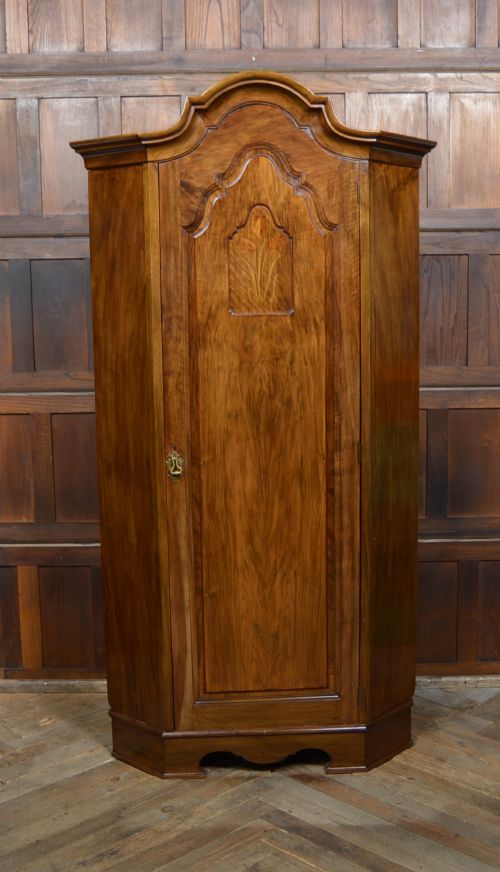
A floral inlaid walnut cabinet encompasses several distinct forms, from upright display pieces and linen presses to bureau bookcases and compact pier cabinets. You are most likely to encounter 18th century Dutch pieces featuring elaborate marquetry, alongside Victorian examples utilising figured burr walnut.
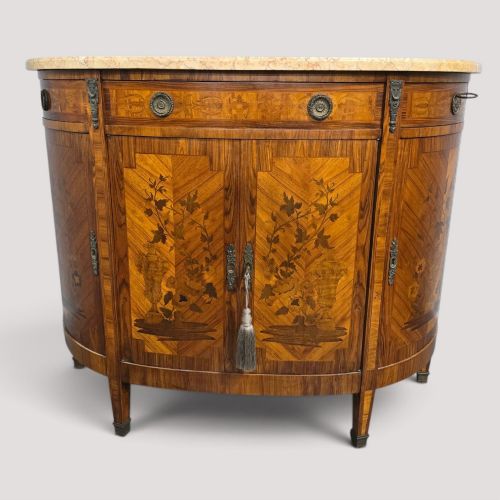
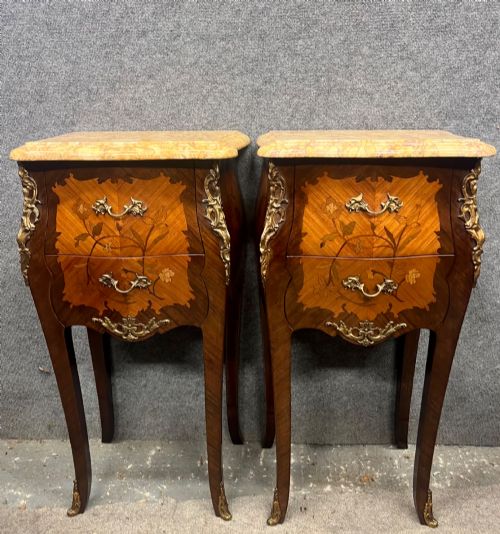
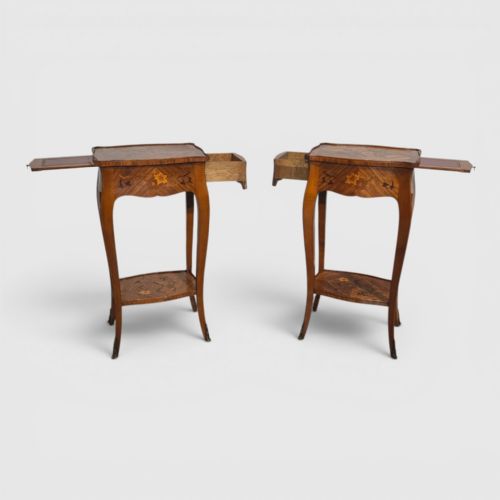
The selection ranges from tall floor-standing corner cupboards and credenzas to bedside tables and commodes. Pieces frequently originate from Dutch workshops or French Louis XVI style iterations, demonstrating varied regional interpretations of floral decoration.
Makers such as Edwards and Roberts also appear among the English examples, bridging the domestic walnut tradition with continental marquetry techniques. Each form utilises the dark grain of walnut to frame meticulous floral motifs.
Materials and Techniques
Cabinet makers utilised solid walnut and burr walnut veneers over secondary timbers, creating rich grounds for intricate floral inlay. This veneer work required skilled hand-cutting of fruitwoods and other contrasting elements to form petals, stems and leaves.
Surface ornamentation often integrates ormolu mounts, brass details and occasionally pewter inlay, particularly on Dutch Baroque pieces. Marble tops appear on several French and Victorian iterations, adding weight and a cool contrast to the warm timber.
Marquetry cutters assembled pictorial floral panels by hand before gluing them to the carcase, finishing the surface with polish to accentuate the grain variation.
Materials range from solid walnut and burr walnut to marble, ormolu, fruitwood and pewter.
Craftsmanship and Proportion
Quality rests upon the precision of the marquetry and the choice of walnut timber, distinguishing standard production from exceptional artistry. Finely figured burr walnut and varied fruitwood tones provide depth that plain timber lacks.
Construction details such as dovetailed drawer linings, original brass hardware and well-fitted doors separate superior pieces from simpler utilitarian items. The density and complexity of the floral scrolls across the cabinet surfaces indicate the artisan's skill.
Edwards and Roberts
The Floral Inlaid Walnut Cabinet Glossary
- Marquetry
- A decorative technique where small pieces of veneer are assembled into pictorial patterns, such as floral sprays, and applied to a furniture carcase.
- Burr Walnut
- A specialised walnut veneer showing swirling, knotty grain patterns that create high visual texture on cabinet doors and tabletops.
- Bureau Bookcase
- A dual-purpose form combining a sloping desk flap for writing with upper shelving enclosed by doors.
- Ormolu
- Gilded bronze mounts applied to furniture edges and corners, common in French revival and Louis XVI style pieces.
- Pier Cabinet
- A narrow cabinet designed to stand against the wall space between windows, often featuring glass panels for display.
Floral Inlaid Walnut Cabinet: Frequently Asked Questions
How do I care for walnut furniture?
Keep walnut furniture away from direct sunlight and heat sources to prevent the timber and marquetry veneers from drying out or cracking.
Dust regularly with a soft, dry cloth and avoid commercial silicone polishes that can build up and damage the historic finish over time.
What is the difference between marquetry and inlay?
Inlay involves inserting wood or other materials into a recessed pocket carved directly into the solid timber base of the furniture.
Marquetry, by contrast, assembles a complete picture from thin veneers on a backing sheet before gluing the entire composition onto the carcase.
How can I tell Dutch marquetry from French styles?
Dutch marquetry often displays dense, pictorial floral urns and birds across the entire facade, frequently on bombe or serpentine bureau shapes.
French styles on this page tend towards restrained Louis XVI symmetry, utilising marble tops and delicate ormolu mounts alongside the floral panels.
Where should I place a display cabinet?
Position your cabinet in a stable room where humidity and temperature fluctuations remain minimal to protect the delicate veneer and antique joints.
Ensure the floor is level so the doors and drawers operate smoothly without twisting the carcase.