




Floral Inlaid Box
A floral inlaid box brings together intricate wood craft and practical storage across centuries of domestic life.
Floral Inlaid Box
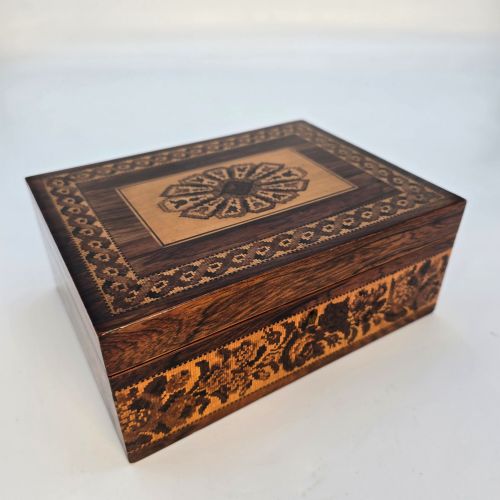
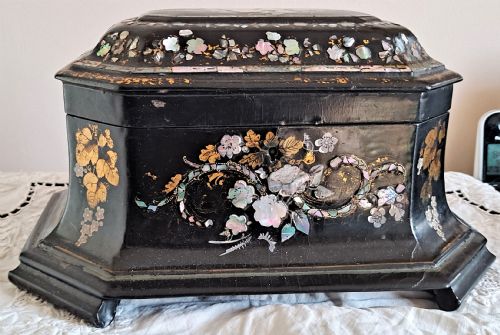
A floral inlaid box serves as a container for tea, jewellery, stationery or documents while displaying detailed decorative surface work. When searching for a floral inlaid box, a buyer encounters pieces originating primarily from the nineteenth century, alongside examples from the seventeenth, eighteenth and early twentieth centuries.
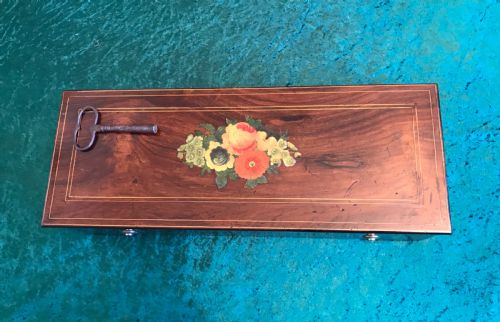
The objects take various forms including tea caddies, music boxes, sewing tables, jewellery boxes, coffers and cabinets. Victorian and Edwardian iterations appear frequently, constructed in rosewood, walnut, satinwood, papier mâché and oak with diverse geometric and botanical surface patterns.
How They Were Made
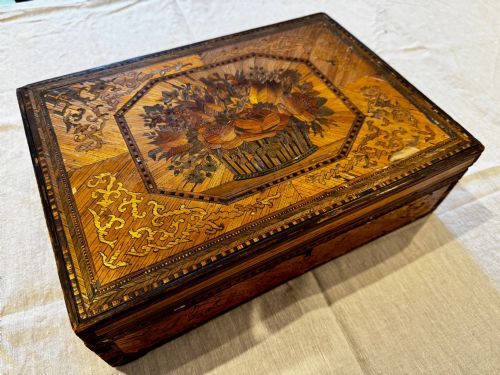
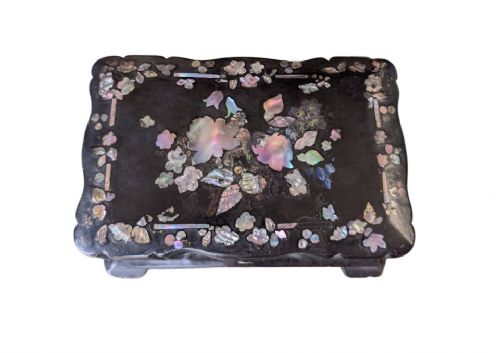
Maker workshops utilised contrasting timbers such as boxwood, harewood and rosewood, often combining them with mother of pearl, brass and lacquer. Craftsmen cut thin veneers of wood and laid them into prepared channels on a solid or carcase foundation to create floral motifs.
Marquetry and Tunbridge Ware techniques allowed artisans to build up complex pictorial designs using natural wood colours without resorting to paint. Specialised hardware, including ormolu mounts and brass hinges, completed the construction of these decorative containers.
Floral Inlaid Box Retail Price Guide 2026
Typical asking prices for floral inlaid box among the pieces listed under this phrase on Sellingantiques today, from the lower quarter to the upper quarter. They describe what is for sale here now, not the wider market.
Some nineteenth-century musical boxes contained miniature mechanical birds that sang when the lid lifted.
What Varies in Quality
The standard of execution in the inlay work distinguishes finer examples from ordinary production. Precise fitting of the wood veneers without excessive use of filler indicates superior workshop skill.
The choice of primary timbers and secondary decorative elements, such as engraved mother of pearl or fine ormolu mounts, elevates certain items. Intact original interiors, functional mechanical movements in music boxes and well-preserved surface polishes also define the upper tier of the range.
Edmund Nye·Nicole Freres·Ollivant & Botsford
The Floral Inlaid Box Glossary
- Marquetry
- A technique of forming decorative patterns on a wooden carcase by fitting together thin slices of various woods and other materials. It allows for intricate pictorial representations of flowers and foliage.
- Tunbridge Ware
- A distinct form of British woodworking from Kent featuring microscopic tessellated wooden mosaics. Makers arranged thousands of tiny tinted wood blocks to create detailed floral and geometric imagery.
- Tea Caddy
- A container designed originally to store dry tea leaves securely under lock and key. Many surviving examples feature elaborate wood inlays and internal compartments.
- Papier Mâché
- A composite material made from paper pulp or layers of paper bound with glue, then moulded and lacquered. It provided a smooth dark surface suitable for mother of pearl inlay and hand painting.
- Harewood
- Sycamore wood that has been stained a greenish-grey hue using iron solutions. It appears frequently in Georgian and nineteenth-century cabinet work for subtle colour contrast.
Floral Inlaid Box: Frequently Asked Questions
What were tea caddies used for?
Tea caddies stored valuable tea leaves when tea was an expensive commodity imported from overseas. They frequently featured internal compartments and small locks to restrict access.
Over time, these containers evolved into decorative desktop or tabletop accessories used to hold letters, sewing equipment or small personal items.
How do I care for a wooden box?
Keep wooden boxes away from direct sunlight and fluctuating heat sources to prevent the veneers from drying out and lifting. Gentle dusting with a dry microfibre cloth protects the polished surface.
Avoid using modern liquid polishes or silicone sprays, which can penetrate old finishes and damage delicate marquetry work over time.
What is Tunbridge Ware?
Tunbridge Ware refers to wooden items decorated with mosaic patterns made from thousands of tiny tinted wood segments. Artisans cut these blocks to form precise geometric or floral pictures.
This speciality craft flourished in Kent during the nineteenth century, producing distinctive jewellery boxes, stamp boxes and stationery cases.
How do I date an antique box?
Dating relies on examining the construction methods, interior linings, hardware and timber choices characteristic of specific design periods. Machine-sawn wood and certain hinge types point towards later nineteenth or twentieth-century production.
Stylistic cues such as Sheraton revival motifs, Victorian papier mâché finishes or Edwardian proportions also help narrow down the decade of manufacture.