








Floral Cobalt Blue Charger
A floral cobalt blue charger brings deep blue pigment and botanical motifs together on a wide ceramic expanse designed for display.
Floral Cobalt Blue Charger
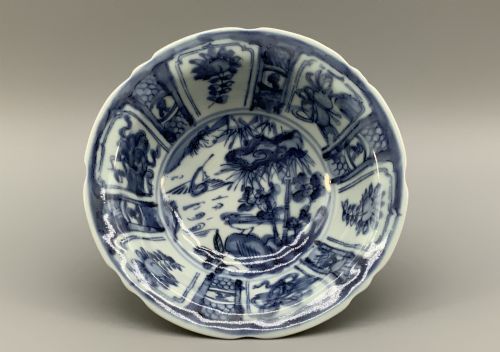
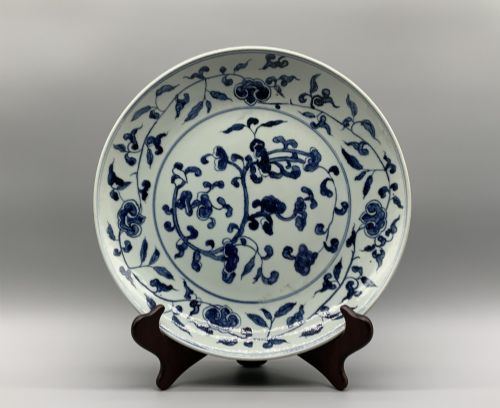
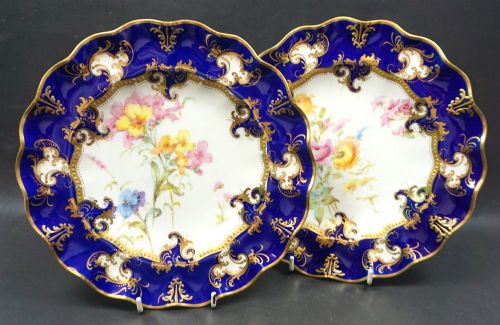
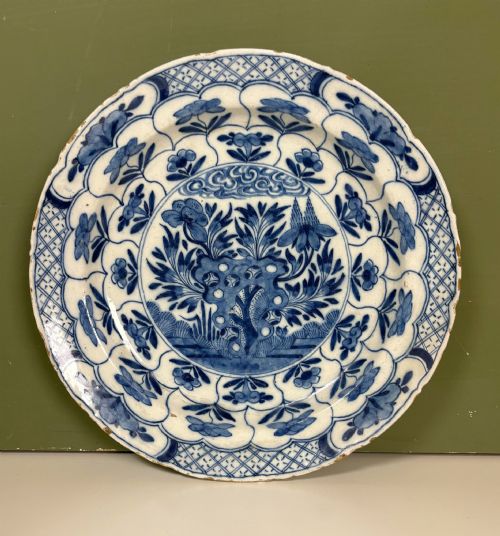
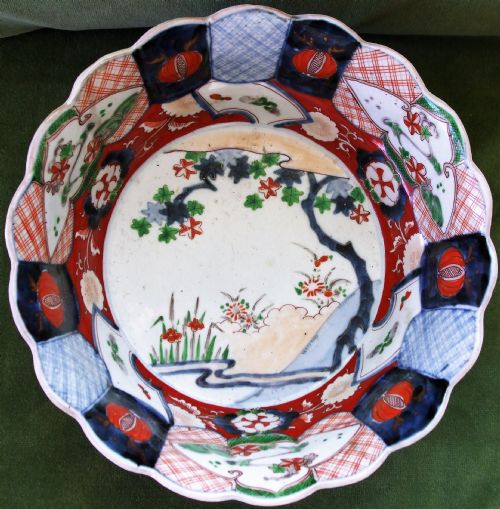
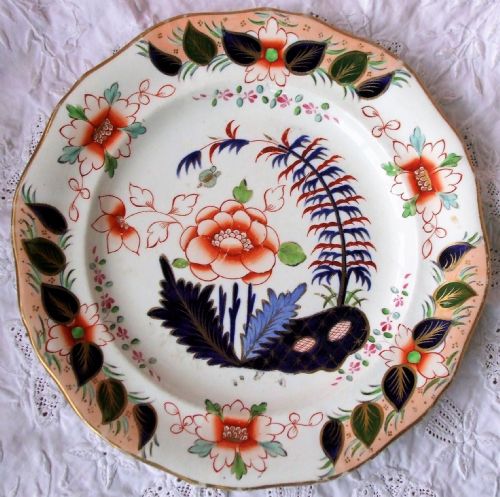
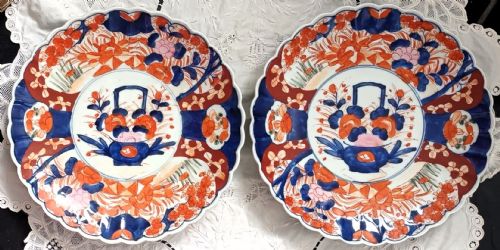
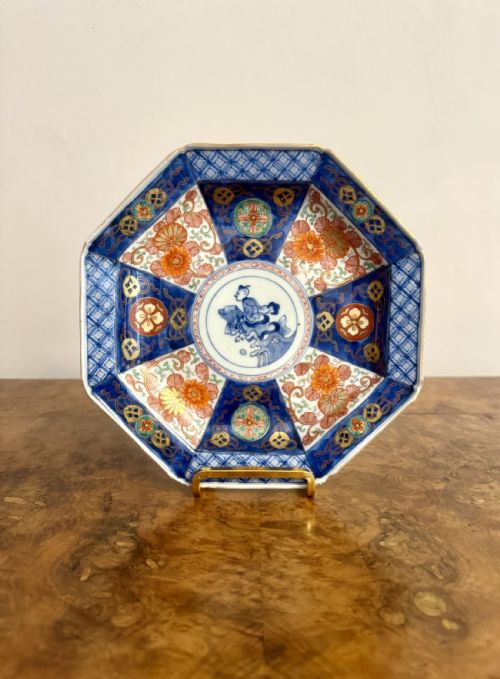
When you search for a floral cobalt blue charger, you encounter large decorative plates, platters, and wall plates designed primarily for visual impact rather than dining. The pieces seen here span centuries of production, originating from English factories, Chinese kilns, Japanese workshops, and Dutch potteries.
Japanese Imari pieces from the Meiji and Edo periods dominate the selection, alongside Chinese blue and white porcelain from the Kangxi era and European ironstone or Delft dishes. These items take the form of round chargers, scalloped edge bowls, hexagonal plates, and cabinet plates decorated with intricate plant motifs.
The aesthetic bridges Eastern export ware and European interpretations, utilising cobalt pigment underglaze to create lasting contrast on ceramic, porcelain, and pottery bodies.
Distinctions in quality
The division between standard output and superior work rests on the precision of the hand-painted botanical motifs and the clarity of the cobalt pigment against the white ceramic ground. Pieces exhibiting crisp lines on scalloped edges, complex hexagonal or lobed forms, and controlled application of gold leaf represent the higher tiers of production.
The depth and uniformity of the glaze directly influence the visual weight of the charger, separating hastily decorated export wares from meticulously finished cabinet pieces produced by established potteries and skilled artisans.
Phoenix birds burst into flames across several nineteenth-century armorial plates, enduring repeated kiln heat with stoic grace.
The Floral Cobalt Blue Charger Glossary
- Charger
- A large decorative plate or platter traditionally utilised for display or ceremonial service rather than everyday dining.
- Cobalt Pigment
- A mineral colourant applied beneath the glaze to produce a durable, deep blue hue during high-temperature firing in the kiln.
- Imari
- A style of Japanese export porcelain characterised by a palette of cobalt blue, iron red, and gold, originating in Arita.
- Delft
- Tin-glazed earthenware produced in the Netherlands, known for emulating blue and white Chinese porcelain designs.
- Ironstone
- A heavy, durable type of commercial pottery developed in nineteenth-century Britain as a robust alternative to porcelain.
Floral Cobalt Blue Charger: Frequently Asked Questions
How were floral cobalt blue chargers used historically?
These large plates served primarily as decorative centerpieces on sideboards, walls, or dining tables to display wealth and taste.
In some settings, they functioned during formal meals to hold smaller dishes or present fruit before transitioning into pure display objects.
How do I distinguish Japanese Imari from Chinese blue and white?
Japanese Imari typically combines cobalt blue with iron red and gold leaf, often featuring complex floral and brocade patterns.
Chinese blue and white porcelain relies on a strict cobalt pigment palette against white ceramic, frequently showing Kangxi period motifs.
Can these antique chargers be hung on walls?
Many chargers feature heavy ceramic or porcelain rims that accommodate specialised wire display hangers safely.
Ensure any hanging hardware supports the specific weight and diameter of the individual plate without placing stress on the glaze.
What does scalloped edge mean on a plate?
A scalloped edge describes a decorative rim shaped into a series of rounded, curving indentations rather than a simple circle.
This technique requires precise forming by the potter before the application of cobalt underglaze and final kiln firing.