

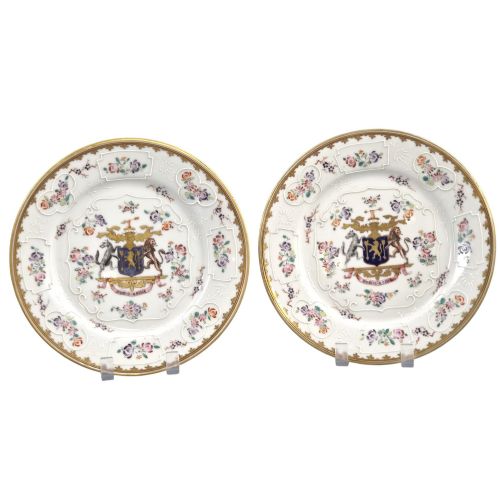


Floral Chinese Export Dish
A floral chinese export dish brings centuries of skilled ceramic artistry and vibrant overseas trade history straight to your table.
Floral Chinese Export Dish
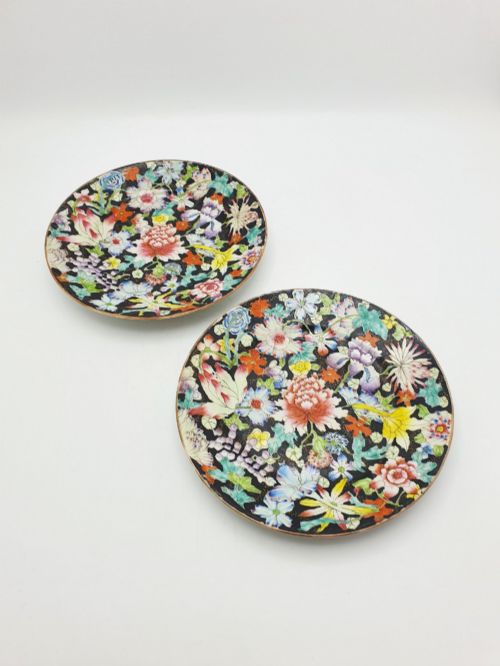
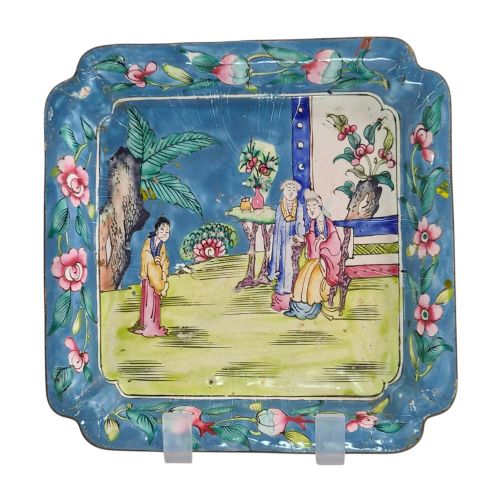
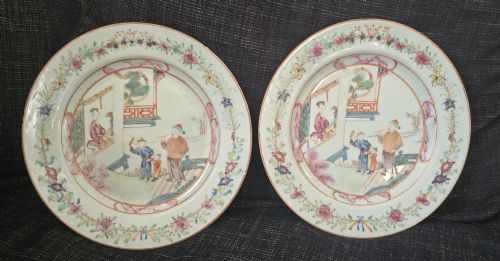
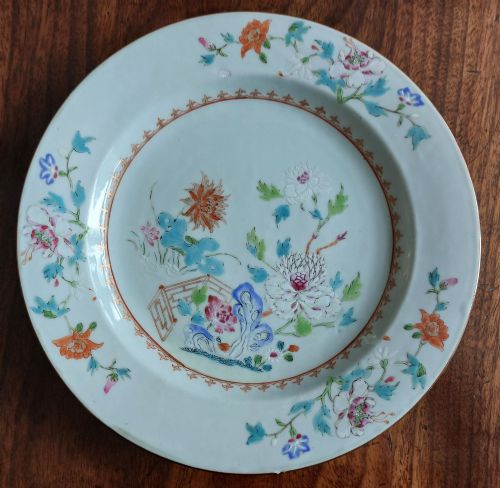
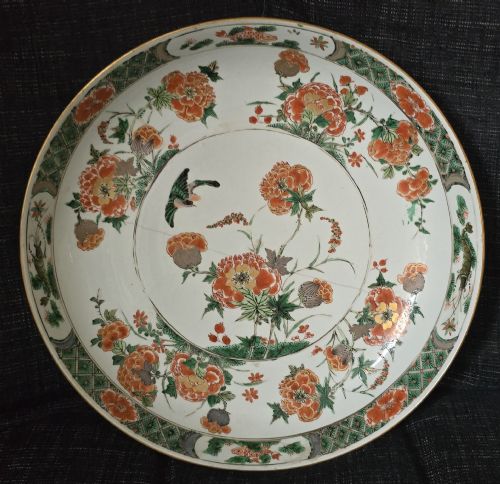
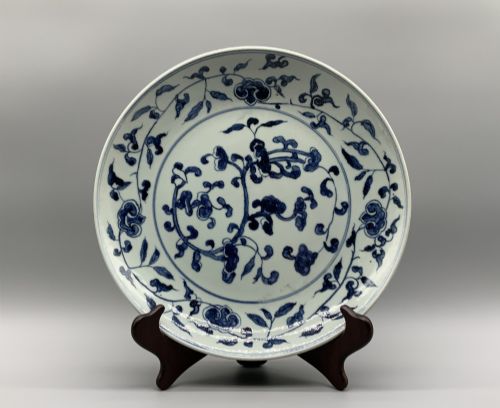
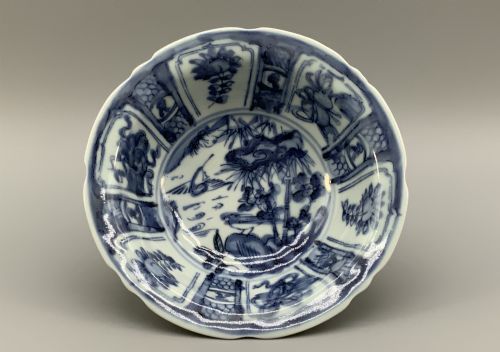
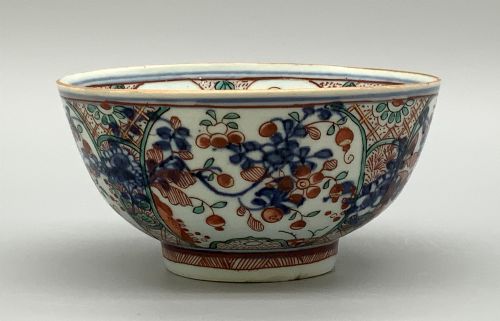
A floral chinese export dish represents a fascinating category of ceramic ware made in China specifically for Western markets across several centuries. These vessels take various forms such as plates, chargers, bowls, platters, and tureens.
The pieces appearing here span from the seventeenth century through to the twentieth century, encompassing periods like the Kangxi and Qianlong reigns. Collectors frequently encounter traditional porcelain decorated with floral, bird, and armorial motifs.
Originating as bespoke commissions or trade goods, these items bridge Eastern manufacturing techniques with Western functional demands. They serve today as decorative table settings and historic display pieces.
How They Were Made
Potters utilised fine porcelain shaped into diverse forms before applying cobalt underglaze or rich overglaze enamels. Skilled artisans hand painted intricate floral patterns directly onto the ceramic surface.
Certain examples incorporate detailed gold leaf highlights alongside cobalt glaze or white metal mounts. The combination of high temperature firing and meticulous brushwork defines the construction of these export ceramics.
Floral Chinese Export Dish Retail Price Guide 2026
Typical asking prices for floral chinese export dish among the pieces listed under this phrase on Sellingantiques today, from the lower quarter to the upper quarter. They describe what is for sale here now, not the wider market.
A porcelain tureen and cover survives complete, having successfully dodged centuries of clumsy servants and eager diners.
What Varies in Quality
The refinement of the hand painted brushwork separates ordinary items from exceptional examples. Finer pieces display crisp botanical details, precise control of overglaze enamel, and harmonious colour palettes.
The stability of the porcelain body and the complexity of the form influence overall desirability. Pieces originating from specific imperial periods often demonstrate superior potting and glazing standards.
The Floral Chinese Export Dish Glossary
- Export porcelain
- Ceramic wares manufactured in China specifically for export to European and American markets. These items often combined traditional Chinese craftsmanship with shapes and designs requested by Western buyers.
- Famille rose
- A major palette of Chinese ceramic overglaze enamels introduced in the eighteenth century. The style is characterised by its predominant opaque pink or rose colour, derived from gold.
- Famille verte
- A green-dominated palette of overglaze enamels used extensively during the Kangxi period. It relies on a vibrant range of translucent green hues combined with iron red and other colours.
- Cobalt underglaze
- A method of decoration where cobalt blue pigment is applied to the raw clay body before glazing and firing. This technique protects the blue design beneath a clear glossy surface.
- Armorial
- A specific type of ceramic decoration featuring a European family coat of arms. Wealthy families commissioned these elaborate services directly from Chinese kilns.
- Imari
- A style of decorative ceramic borrowing from Japanese aesthetics, featuring a palette of cobalt blue, iron red, and gold. Chinese kilns produced export versions of these striking patterns.
Floral Chinese Export Dish: Frequently Asked Questions
How are these dishes dated?
Dating relies on stylistic markers, reign periods, and the specific palette of the enamel decoration. Examining the potting style and cobalt characteristics also helps narrow down the era.
Changes in trade patterns and kiln output across the centuries provide a reliable framework for establishing age.
What is Chinese export porcelain?
This refers to ceramics made in China strictly for foreign consumption rather than the domestic market. The forms and motifs were often adapted to suit Western tastes and dining habits.
European trading companies played a central role in commissioning and shipping these goods abroad.
How should I display them?
Larger chargers and platters look striking mounted on sturdy wall hangers or displayed on specialist plate stands. Smaller dishes and bowls fit well within cabinet shelves or on side tables.
Positioning them away from direct heat and strong sunlight helps preserve the delicate overglaze enamels.
Are these pieces suitable for daily use?
Most antique examples function primarily as decorative art rather than everyday tableware. Hand washing in lukewarm water with mild soap is recommended if cleaning becomes necessary.
Harsh detergents and modern dishwashers can damage the fragile historic glazes and gold leaf accents.