




Chinese Ceramic Wall Display
These pieces of chinese ceramic wall display bring vibrant hand-painted colour and centuries of craftsmanship directly into modern interiors.
Chinese Ceramic Wall Display
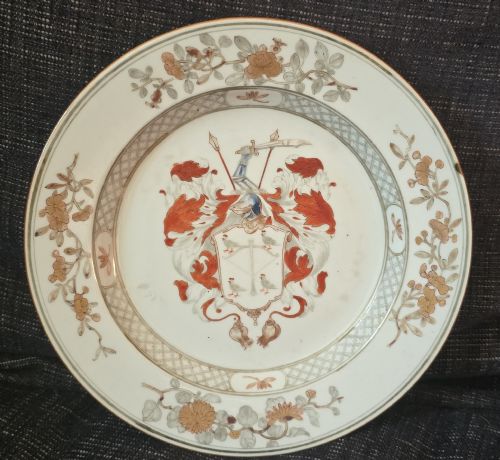
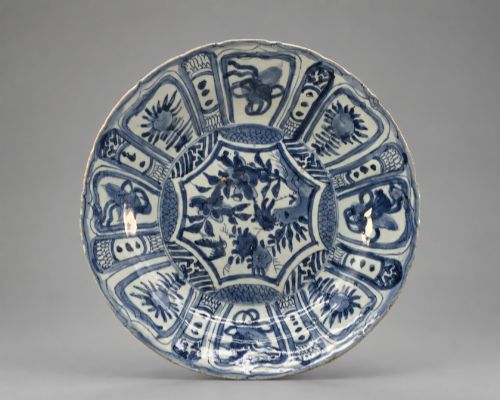
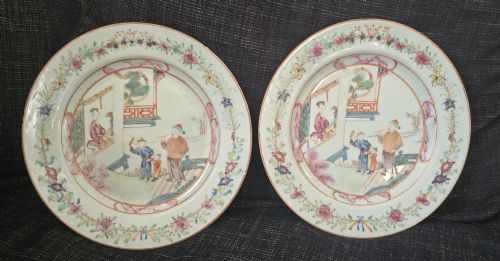
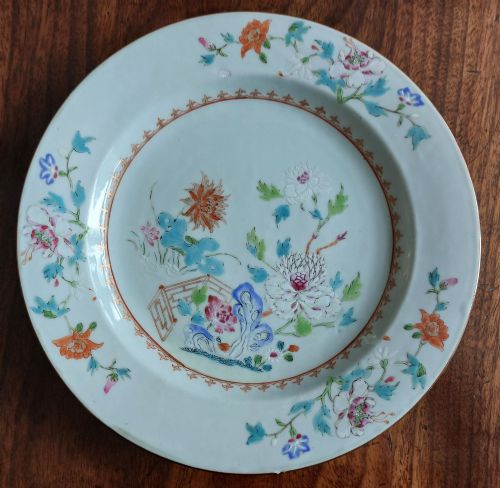
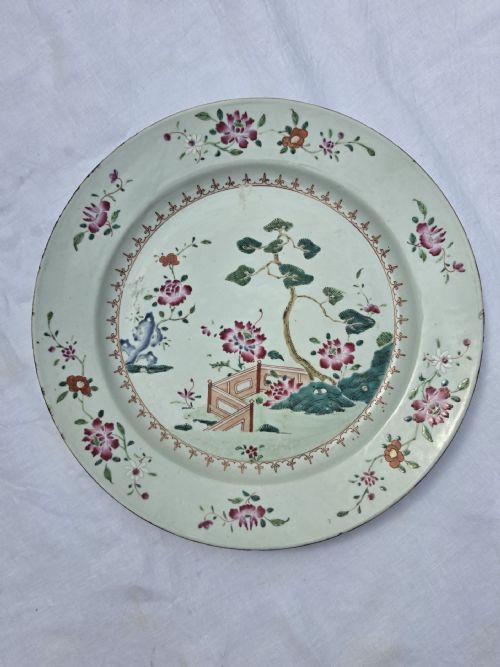
A chinese ceramic wall display typically comprises decorative plates, chargers, and platters designed to be hung or mounted as interior decoration. These objects draw from traditions spanning the 18th century, the Victorian era, and around 1900, incorporating styles such as Qing Dynasty, Chinese Export, and Chinoiserie.
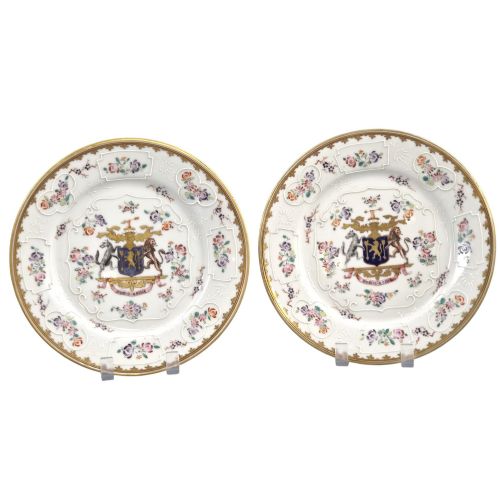
The pieces encountered most frequently on this page include blue and white porcelain chargers, Famille Rose plates, and Canton Rose Medallion vessels. European makers like Edmé Samson and Minton also appear, reflecting the enduring Western appetite for Chinese-inspired designs.
Materials and methods
Makers utilised porcelain and earthenware as the primary ceramic bodies, shaping them into robust plates and large chargers capable of holding detailed ornamentation. Surfaces were finished with various glazes, including cobalt glaze and gold leaf highlights.
Decoration relied on cobalt pigment underglaze and polychrome enamels applied by hand. Artisans painted intricate court scenes, floral motifs, and armorial designs directly onto the ceramic body before or after initial firing.
Chinese Ceramic Wall Display Retail Price Guide 2026
Typical asking prices for chinese ceramic wall display among the pieces listed under this phrase on Sellingantiques today, from the lower quarter to the upper quarter. They describe what is for sale here now, not the wider market.
Materials recorded across the current selection include earthenware, porcelain, gold leaf, and cobalt pigment.
Distinctions in quality
Quality rests primarily in the precision and fluidity of the hand-painted brushwork across the surface. Superior examples display crisp definition in complex court scenes or floral patterns, whereas lesser pieces show hurried or mechanical execution.
The depth and brilliance of the glaze, alongside the controlled application of gold leaf and enamel colours, set finer pieces apart. The weight and potting of the porcelain body also signal the care taken during production.
Edmé Samson and Cie·Minton·Bluett and Sons
The Chinese Ceramic Wall Display Glossary
- Charger
- A large decorative plate or platter traditionally used for ceremonial dining or grand display. These substantial pieces form the focal point of many wall arrangements.
- Famille Rose
- A polychrome ceramic palette introduced in the 18th century, dominated by opaque pink enamel. This style allowed for subtle tonal gradations in floral and figural subjects.
- Cobalt Glaze
- A metallic blue pigment applied beneath or within the glaze layer to achieve deep blue tones during firing. It defines much of traditional blue and white porcelain.
- Chinoiserie
- European artistic styles that reflected Chinese decorative motifs and artistic traditions. This aesthetic influenced various Victorian and continental workshops.
- Armorial
- Ceramic decoration featuring specific family crests or coats of arms, frequently commissioned for export markets. These pieces hold particular documentary interest.
Chinese Ceramic Wall Display: Frequently Asked Questions
Are these plates safe to use for serving food?
Most antique decorative plates and chargers are intended strictly for display rather than culinary use. Historic glazes and enamels can contain compounds that are unsuitable for modern food contact.
Furthermore, age-related wear or previous repairs mean these pieces are best preserved away from the dining table.
How can I tell an 18th-century plate from a later copy?
Earlier pieces from the 18th century often exhibit characteristic potting irregularities, subtle foot-rim wear, and hand-ground glazes unique to period kilns. Later interpretations or revival pieces frequently show more uniform bodies and different pigment behaviours under magnification.
Examining the weight, resonance, and pigment saturation helps clarify the age of the ceramic.
What is the difference between Famille Rose and Famille Verte?
Famille Rose relies on an opaque pink or purple enamel introduced during the Qing dynasty, allowing for soft tonal blending in floral and figural subjects. Famille Verte is dominated by vibrant green enamels alongside iron red and blue, creating a brighter, more contrasting visual effect.
Both palettes were utilised across different periods to decorate fine export porcelain.