
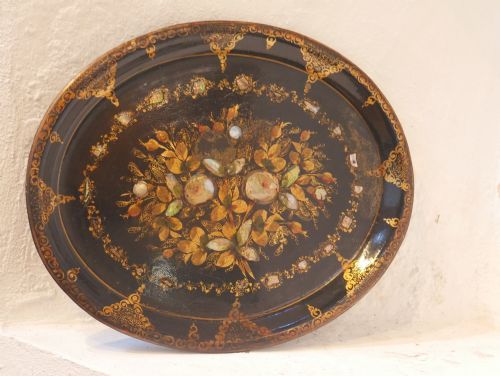
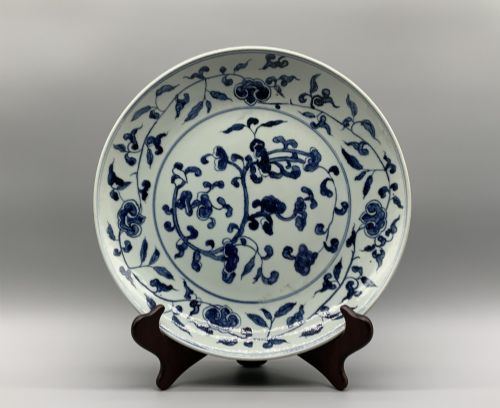
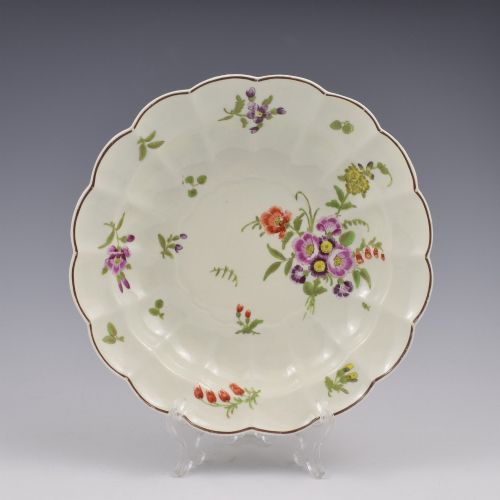

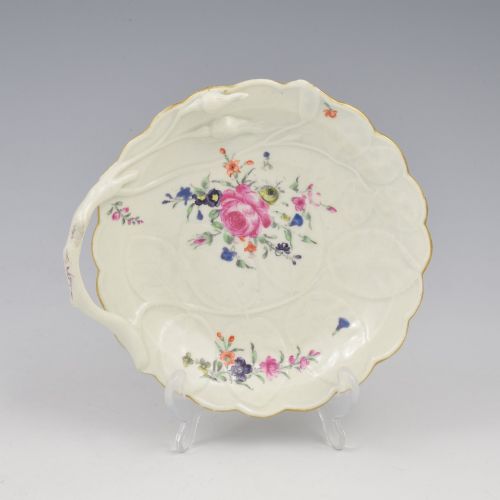




Floral Wall Dish
A floral antique wall dish brings hand-painted botanicals and centuries of ceramic artistry directly onto interior walls.
Floral Wall Dish
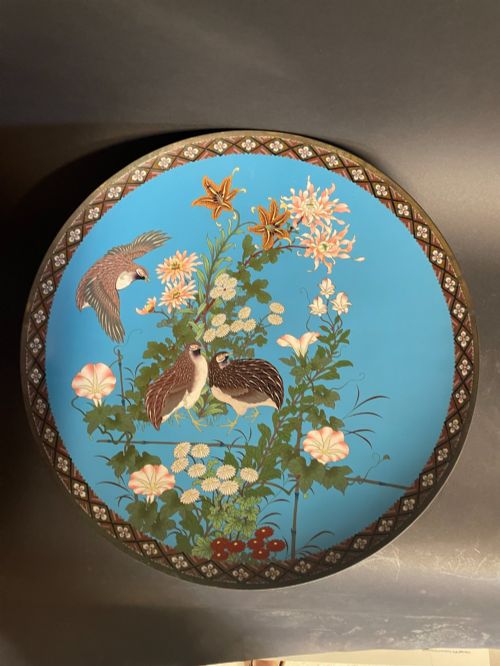
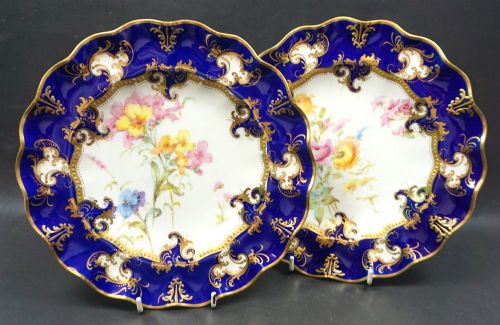
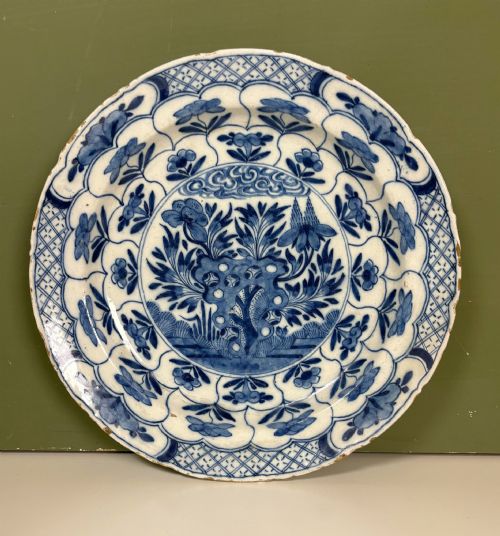
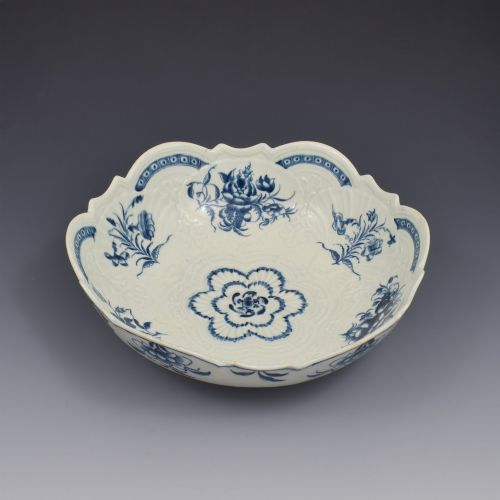
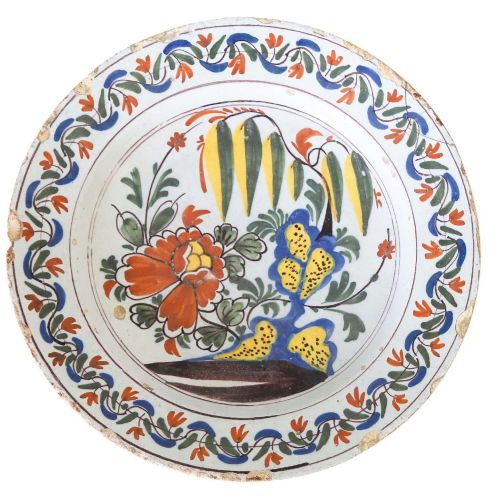
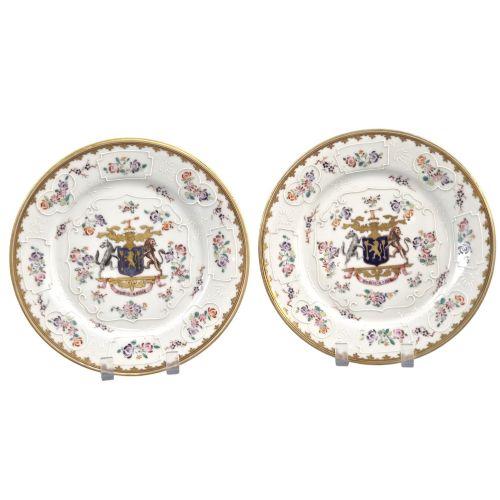
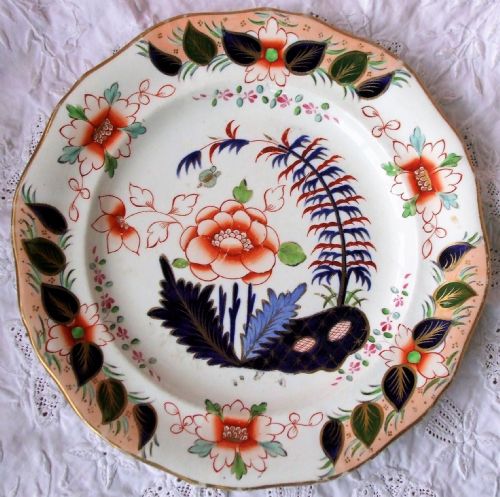
A floral antique wall dish encompasses decorative plates, chargers, and serving vessels intended for display rather than dining. The examples collected here span the eighteenth and nineteenth centuries, originating from English factories, European workshops, and Japanese kilns.
Buyers will encounter Japanese Imari chargers alongside English porcelain plates and Delftware dishes. These objects combine practical ceramic forms with botanical motifs designed specifically to catch the eye when mounted on a wall.
How they were made
Potters shaped ceramic and porcelain bodies by hand or on the wheel before applying detailed underglaze and overglaze pigments. Artisans used cobalt blue, copper, and enamel paints to render flowers, leaves, and landscapes directly onto the clay surface.
Metal vessels in this selection utilise cloisonne techniques, laying down fine copper or brass wires to partition enamel colours before firing. Gilt and gold leaf accents frequently highlight the rims and central floral compositions.
The listings here feature items spanning from the seventeen-hundreds through the Victorian era and the Japanese Meiji period.
What varies in quality
The standard of a floral antique wall dish depends on the precision of the hand-painted brushwork and the clarity of the glaze firing. Pieces executed by skilled painters display finer botanical detail, balanced colour saturation, and precise geometric borders.
The depth of the colour palette and the complexity of the motifs separate standard production items from masterworks. Surfaces crowded with intricate symbols or layered cloisonne wires reflect greater labour and artistic ambition.
John Davenport of Longport·Pucher Deroche
The Floral Wall Dish Glossary
- Charger
- A large decorative plate or dish, typically exceeding the diameter of standard dining ware, intended for display on a sideboard or wall.
- Imari
- A style of Japanese export porcelain characterised by a palette of underglaze blue, iron red, and gilt overglaze decoration.
- Cloisonne
- A metalwork technique where enamel paste is applied within compartments created by soldering flat wires to a metal base.
- Delftware
- Tin-glazed earthenware produced in England and the Netherlands, noted for its opaque white surface and blue painted designs.
- Polychrome
- Decoration employing multiple distinct colours across the painted surface rather than a single monochromatic pigment.
Floral Wall Dish: Frequently Asked Questions
How do I hang a wall dish safely?
Displaying a heavy porcelain charger or cloisonne dish requires a properly fitted spring-tension wall hanger that grips the rim securely without causing stress to the ceramic body.
Ensure the mounting bracket is anchored directly into wall studs or uses rated plaster fixings to support the weight of nineteenth-century pieces.
Were these dishes meant for food?
While many forms started as serving plates, bowls, or dessert dishes in the eighteenth and nineteenth centuries, their painted surfaces were increasingly adapted for decorative display.
Dishes featuring delicate overglaze enamels or metal cloisonne wires are better suited to visual appreciation on walls than daily culinary use.
How do I distinguish Imari patterns?
Japanese Imari pieces from the Meiji period typically combine deep cobalt blue underglaze with rust red and gold leaf overglaze details.
Floral and brocade motifs fill the surface densely, creating a distinct visual richness that separates these wares from simpler blue and white ceramics.
How do I care for antique enamel?
Cloisonne and enamelled surfaces should be dusted gently with a dry, soft cloth to avoid scratching the delicate metallic wires and coloured glass pastes.
Keep these objects away from direct sunlight and damp environments to preserve the integrity of the original pigments and metal grounds.