


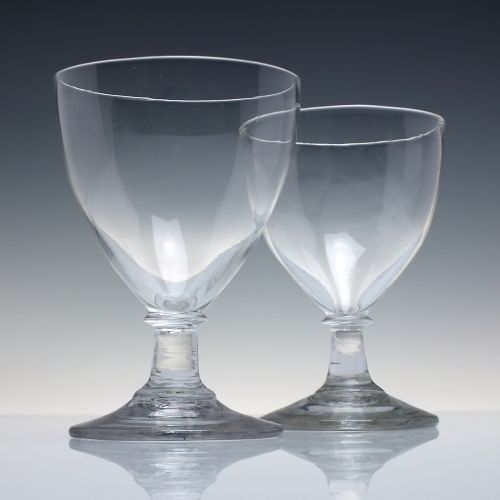

Flint Glass Bowl
A flint glass bowl offers the weight and clarity that defined historic drinking and serving vessels.
Flint Glass Bowl
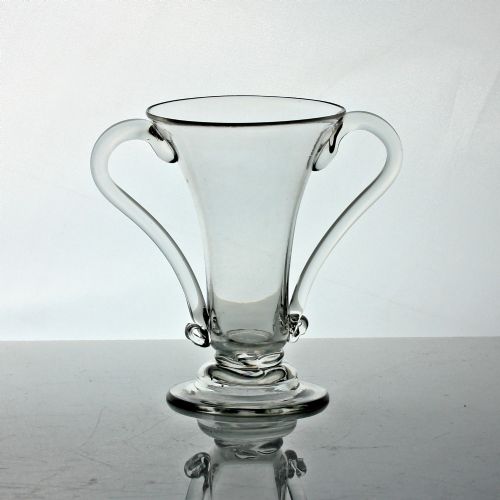
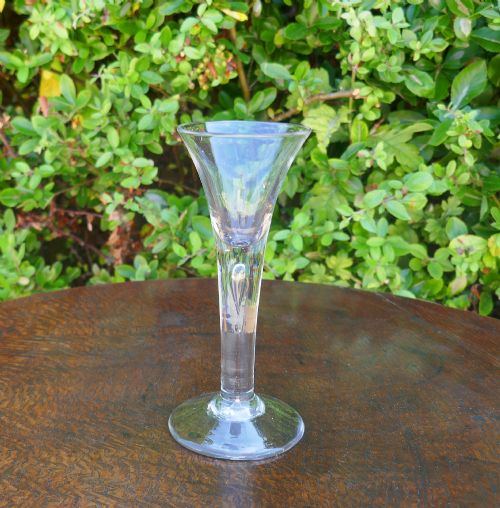
A flint glass bowl encompasses a variety of heavy, clear glass vessels shaped for serving, mixing or drinking. While the search phrase points specifically to bowls, the items recorded here span across decorative centrepieces, fruit bowls, tea mixing bowls, jelly glasses, and drinking vessels sharing the same heavy lead composition.
The most common examples on this page date from the Georgian and Victorian periods, ranging from plain stem goblets and ovoid rummers to cut glass bowls featuring hobnail patterns. Makers of these pieces shaped clear lead glass into functional domestic items that survived centuries of use.
How they were made
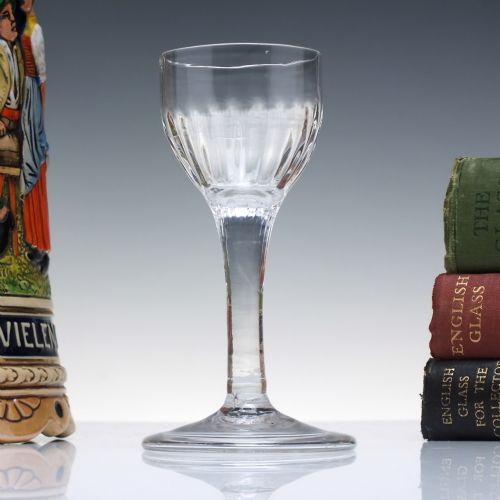
Makers utilised lead glass and flint glass compositions to achieve high refractive index and heavy weight in each vessel. These materials allowed artisans to cut deep facets and mould intricate forms without losing structural integrity.
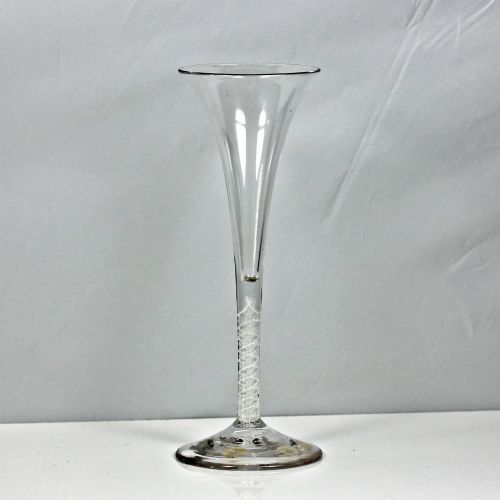
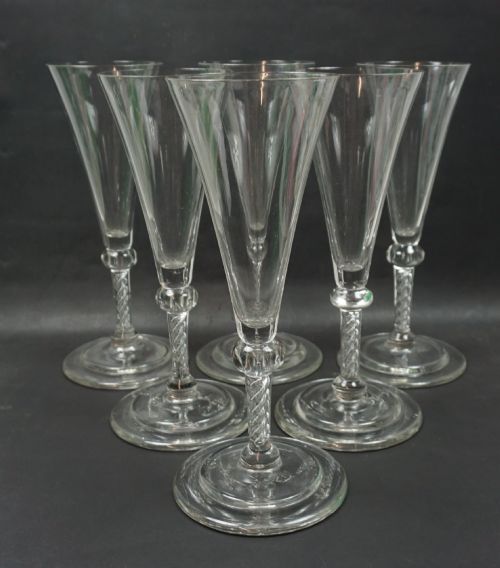
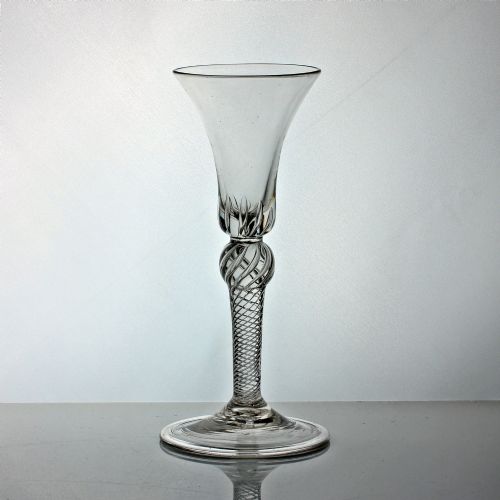
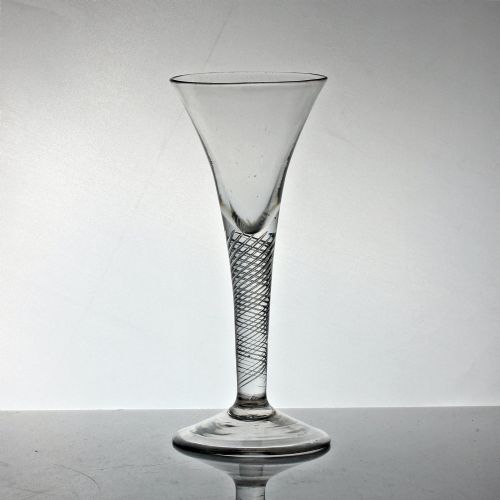
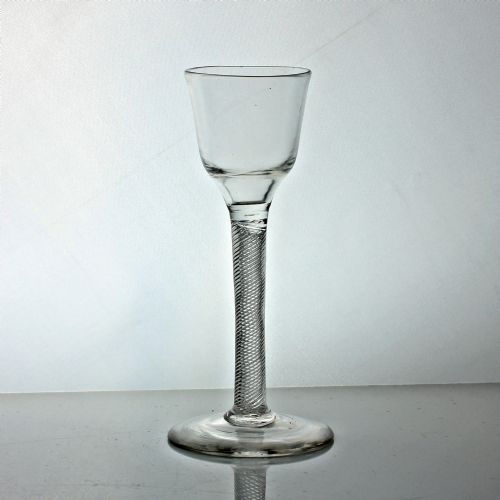
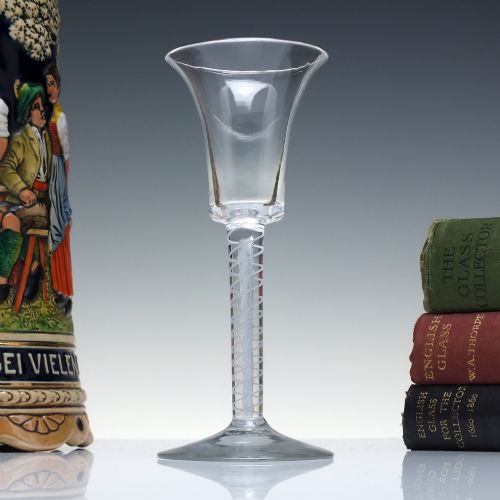
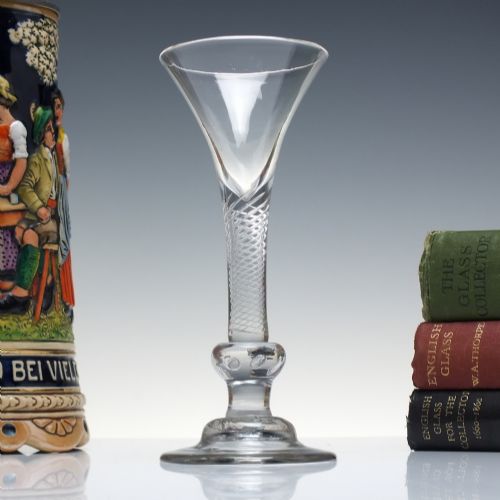
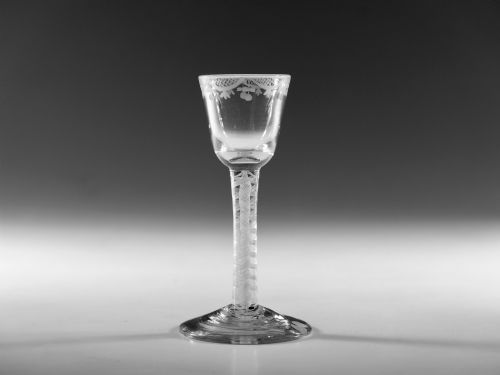
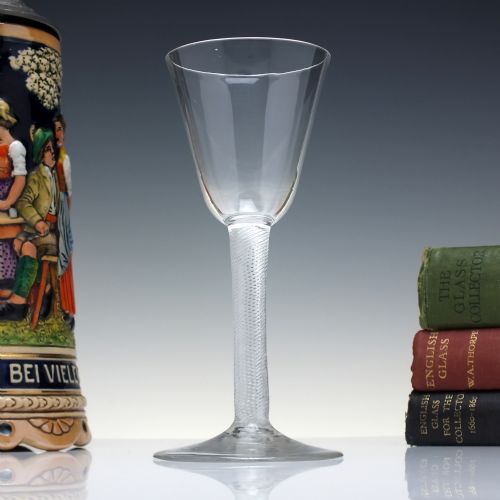
Techniques varied from free-blowing and mould-blowing to wheel-cutting and engraving. Artisans finished footed pieces by applying folded feet or domed bases, occasionally incorporating air twists or opaque twists within the stems.
Several eighteenth-century glasses preserve stray air bubbles trapped forever inside their twisting stems.
What varies in quality
The standard of a flint glass bowl depends largely on the crispness of its cutting and the purity of the metal. Superior examples display sharp facet edges and minimal internal cloudiness or manufacturing bubbles.
Proportion and weight also dictate the grade of a piece, with well-balanced vessels showing deliberate wall thickness and stable foot rims. Objects featuring complex air twists or clean engraved monograms demonstrate higher artisan skill.
The Flint Glass Bowl Glossary
- Flint glass
- A heavy, clear glass containing lead oxide, known for its high refractive index and brilliance. It was widely utilised in British tableware from the eighteenth century onwards.
- Opaque twist
- A stem decoration formed by drawing out white or coloured enamel threads within the molten glass. This technique creates intricate spiral patterns inside transparent stems.
- Air twist
- A stem feature containing elongated bubbles or threads of air trapped inside the glass and twisted into spirals. It is characteristic of eighteenth-century drinking vessels.
- Hobnail pattern
- A geometric surface cut resembling the faceted heads of hobnails used in bootmaking. It creates a textured, light-catching exterior on Victorian bowls and rummers.
Flint Glass Bowl: Frequently Asked Questions
What is a flint glass bowl?
A flint glass bowl is a heavy, clear vessel made from lead-enriched glass designed for serving food or displaying fruit.
These pieces reflect light differently than standard soda glass due to their high refractive composition.
How do I date an antique glass bowl?
Dating relies on observing manufacturing marks, pontil scars, and stylistic traits like cut patterns or stem formations.
Georgian examples often feature thick lead metal and hand-cut facets, while Victorian pieces incorporate heavier mouldings.
Can I use these bowls daily?
These historic bowls require careful hand washing and gentle handling to preserve their surface clarity.
Sudden temperature changes can damage antique lead glass, so they suit display or gentle service better than rigorous daily use.