



Footing Crystal Bowl
A footing crystal bowl brings weight and refraction to a table, combining structured bases with clear or coloured glass forms.
Footing Crystal Bowl
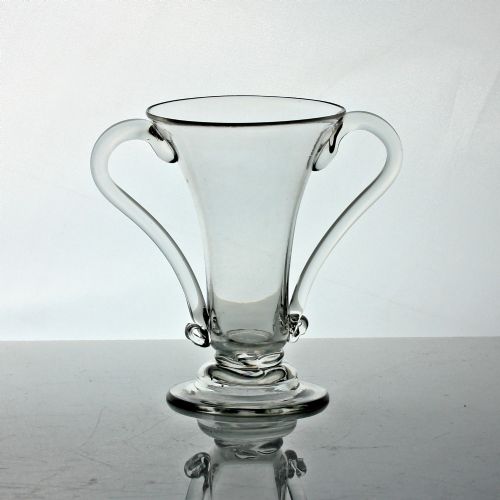
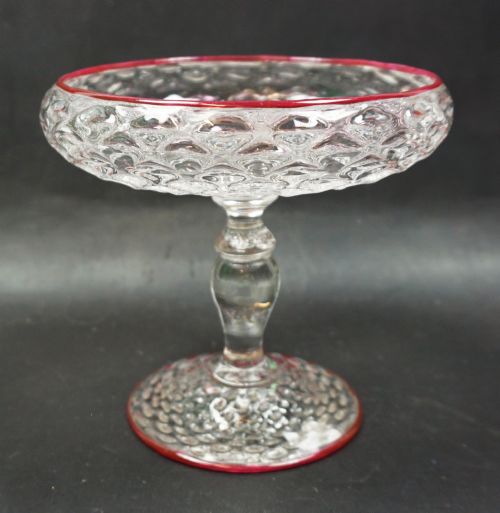
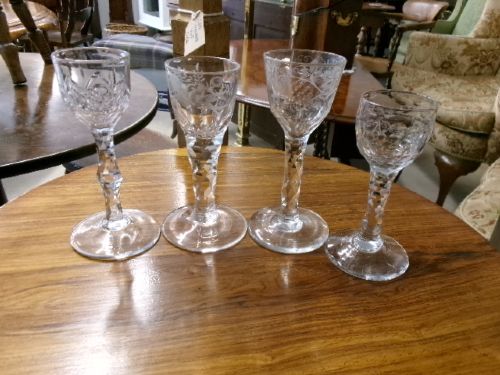
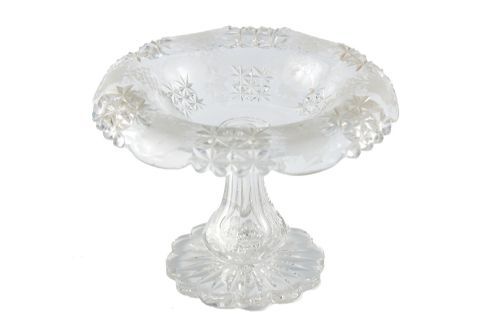
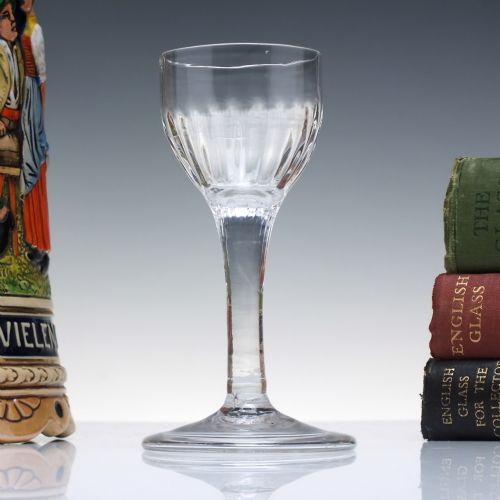
When searching for a footing crystal bowl, buyers encounter pieces ranging from Georgian stemmed drinking vessels to heavy Victorian and Edwardian pedestal fruit bowls, comports, and tazzas. These items serve both decorative and functional purposes, often featuring prominent feet, domed bases, or pedestals that elevate the main bowl.
The selection on this page draws primarily from nineteenth-century Victorian and Edwardian examples, alongside eighteenth-century Georgian glasses and tazzas. Forms vary from large table centrepieces and comports to smaller sweet dishes, jelly glasses, and champagne coupes.
Origins span English, Bohemian, and French glassworks, reflecting diverse aesthetic movements from Arts and Crafts and Art Nouveau to Regency and Japonisme. Each piece demonstrates how historical makers utilised distinct footing configurations to support elaborate cut, etched, or moulded crystal bodies.
Factors determining quality
Quality rests in the clarity of the metal, the precision of the wheel-cut facets, and the crispness of moulded patterns such as hobnails and honeycombs. Superior pieces maintain balanced proportions between the elevated foot and the upper bowl.
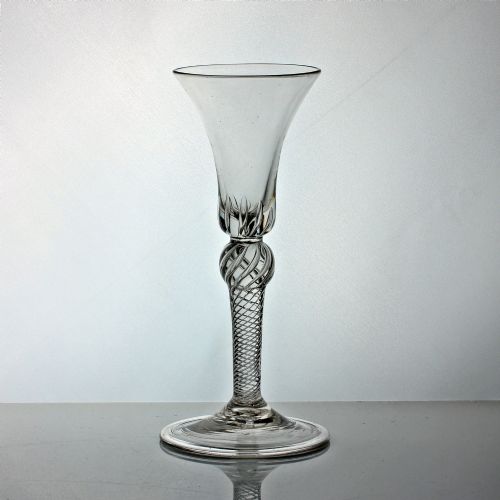
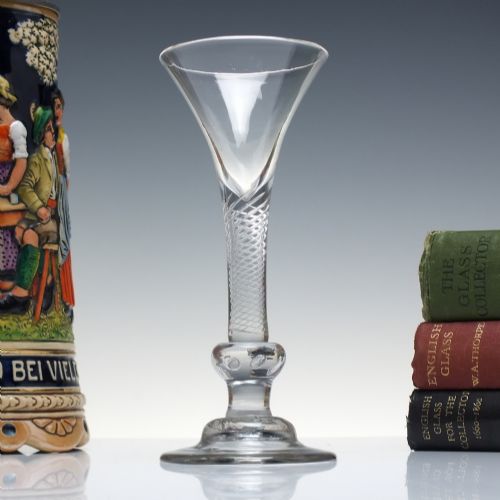
Artistic execution elevates certain items, seen in delicate multi-spiral air twists, careful hand-engraved fruiting vines, or complex enamel work with gold decoration. The integrity of applied colours, canes, and structural elements like folded feet distinguishes finer examples.
Listings span periods from the Georgian era through the Victorian, Edwardian, and Art Nouveau movements, utilising lead crystal, flint glass, and coloured overlays.
St Louis glassworks·Stuart for Liberty·François Eugène Rousseau·Baccarat·Waterford
The Footing Crystal Bowl Glossary
- Tazza
- An elevated shallow bowl or saucer resting on a stem and foot, frequently used for serving fruit or sweets.
- Pedestal bowl
- A vessel raised above the table surface by a central pillar or foot, also known as a comport.
- Folded foot
- A base formed by turning the outer edge of the glass back underneath to create a thickened, rounded rim for stability.
- Air twist
- An optical effect within a glass stem created by elongated air bubbles drawn through the metal during manufacture.
- Hobnail
- A raised, faceted surface pattern resembling the head of a traditional heavy nail, common on cut glass.
Footing Crystal Bowl: Frequently Asked Questions
What is a tazza?
A tazza is an ornamental or serving vessel featuring a wide, shallow bowl supported by a distinct stem and foot. Makers often used these pieces for presenting fruit or sweetmeats at formal tables.
In older examples, the foot is sometimes folded or domed for added weight and balance, separating them from flat-bottomed bowls.
How are pedestal bowls used?
Pedestal bowls function as table centrepieces and comports, elevating arrangements of fruit, flowers, or sweet dishes above the dining surface. Their height draws the eye and creates visual hierarchy among tableware.
Victorian and Edwardian households utilised these large vessels during formal dining to anchor the centre of the table.
What is lead crystal?
Lead crystal is a type of glass containing metallic oxide that increases the weight, refractive index, and clarity of the material. This composition allows artisans to cut deep, sharp facets that scatter light effectively.
Historical pieces made from this glass feel noticeably heavier than standard vessels and produce a clear ringing sound when struck.
How do you date Georgian glassware?
Dating Georgian glassware involves examining the forming techniques, stem structures, and foot styles present in the piece. Air twists, balustroid stems, and folded feet point towards specific mid-eighteenth-century manufacturing methods.
Heavier faceting and distinct bowl proportions typically indicate the later decades of the Georgian period.