


Vintage Cut Glass Dish
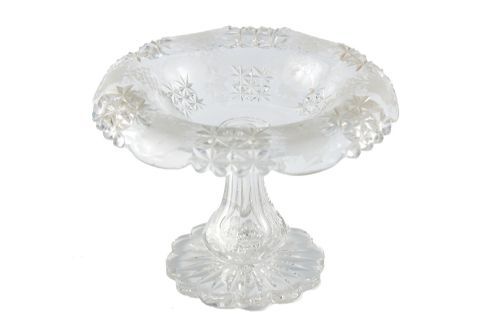
A vintage cut glass dish brings weight and bright refraction to a table, pairing heavy lead crystal or glass with polished silver, brass, or gilt bronze.
Vintage Cut Glass Dish
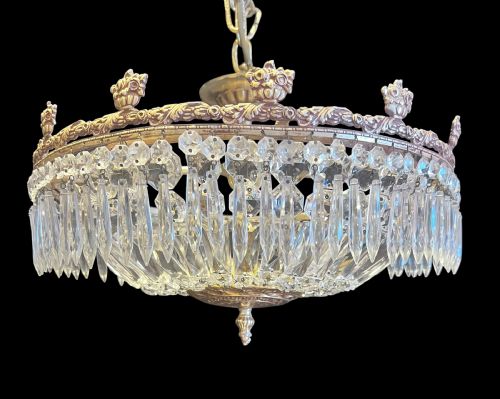
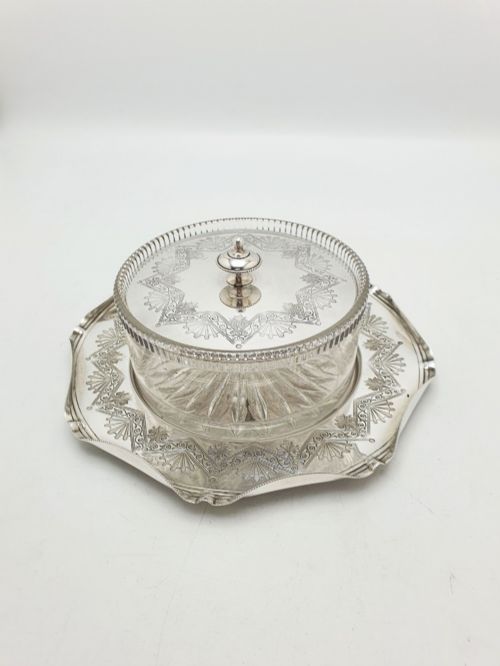
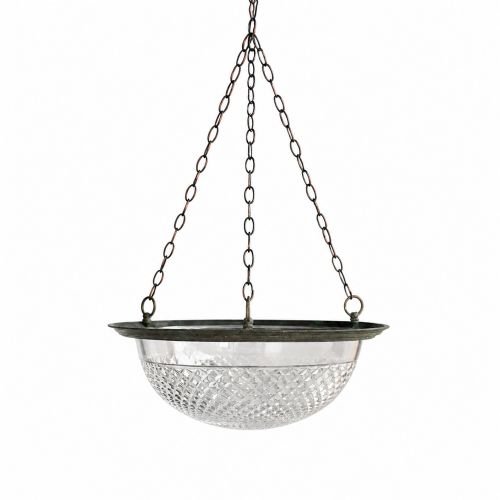
A vintage cut glass dish encompasses a wide variety of domestic vessels designed for serving, display, and storage across the nineteenth and twentieth centuries. When searching for a vintage cut glass dish, buyers encounter table centrepieces, lidded butter dishes, trinket boxes, and ceiling light fittings.
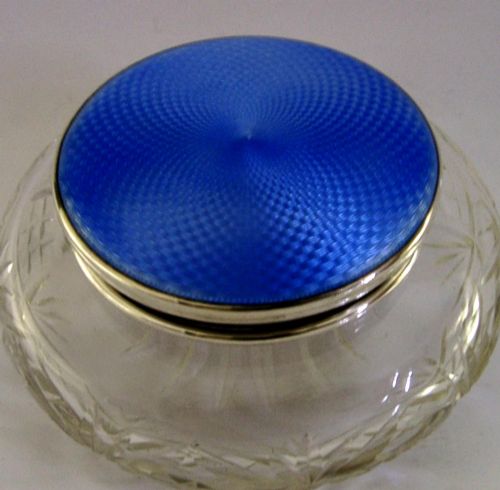
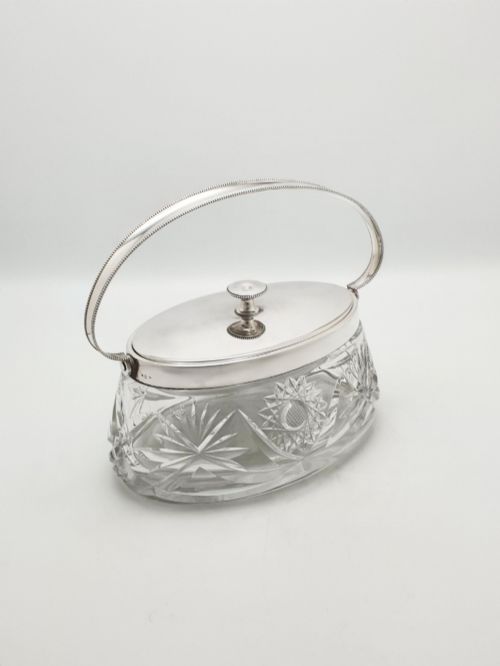
The selection ranges from early nineteenth-century Georgian jelly glasses and Victorian silver-plated butter liners to Edwardian trinket boxes and 1930s Art Deco bowls. Pieces frequently incorporate mounts or lids made from sterling silver, silver plate, brass, and gilt bronze, often combining practical function with decorative design.
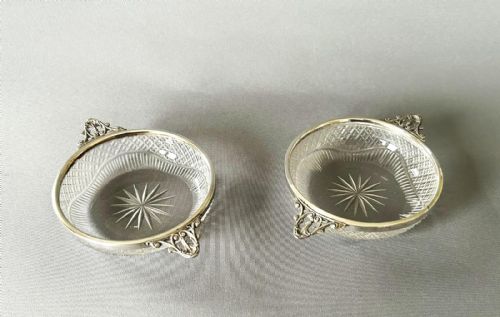
Originating from English, French, German, and Belgian workshops, these items reflect the shifting aesthetic movements from Rococo Revival and Art Nouveau to clean-lined Art Deco. The most common form on this page is the tabletop dish or bowl, often paired with silver or silver-plated fittings for dressing tables and dining rooms.
How they were made
Makers produced these items by blowing or pressing glass into moulds before applying deep geometric, starburst, or fluted cuts on a cutting wheel. Workers then polished the facets to achieve high optical clarity, particularly in pieces identified as lead crystal.
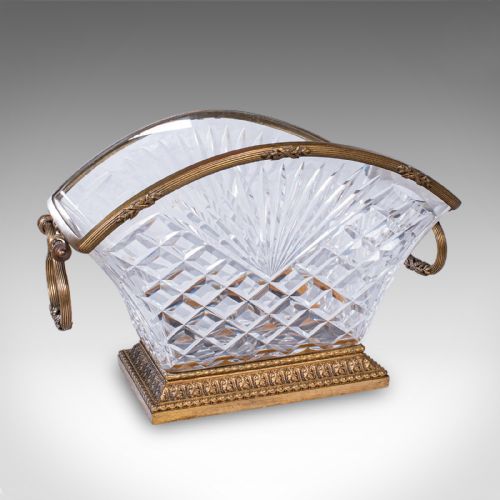
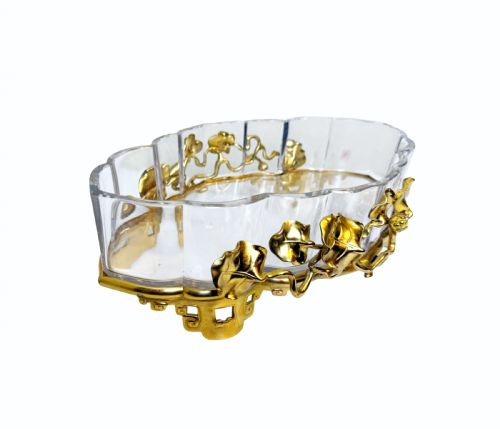
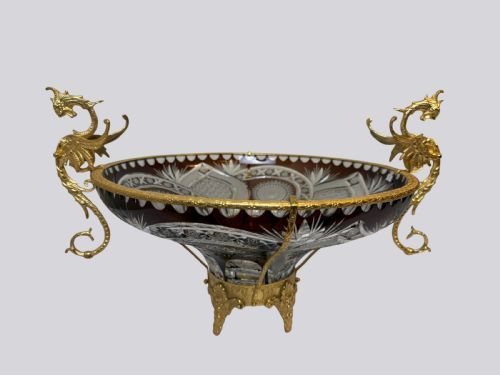
Metal mounts, rims, and hinged lids utilised techniques such as silver plating, brass casting, or ormolu and gilt bronze framing. Enamel work, blue or green glass overlays, and hallmarked sterling silver components were added to complete domestic boxes, jars, and serving dishes.
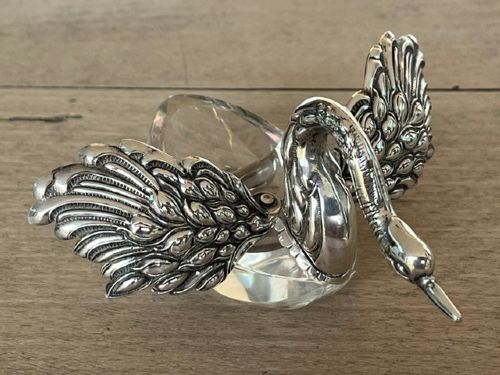
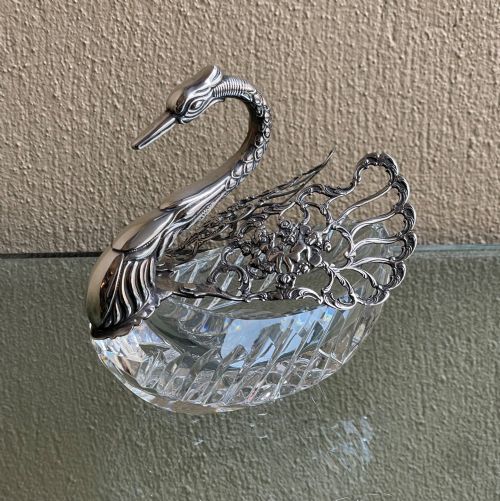
Several items double as flying fowl, including divided swan salt cellars complete with movable wings.
What varies in quality
Quality depends on the depth and crispness of the wheel-cut facets, where sharper, cleaner cuts produce superior light refraction compared to soft or shallow moulding. The weight of the lead crystal or glass dictates the substantial feel of the vessel in the hand.
The integration of secondary materials defines the tier of manufacture, distinguishing simple silver-plated rims from heavy cast gilt bronze frames, hallmarked sterling silver mounts, and hand-painted enamel lids.
WMF·Val St Lambert·Posen
The Vintage Cut Glass Dish Glossary
- Cut Glass
- Glass shaped and patterned by holding it against a revolving abrasive wheel to grind deep facets. This technique creates sharp geometric edges that catch and reflect room light.
- Lead Crystal
- Glass containing a high proportion of lead oxide, which increases weight, brilliance, and softness for cutting. It produces a clear, resonant ring when tapped.
- Plafonnier
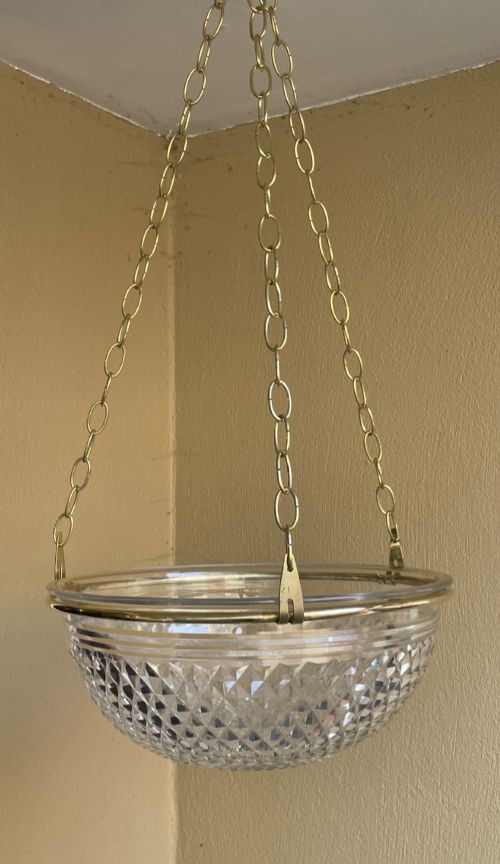
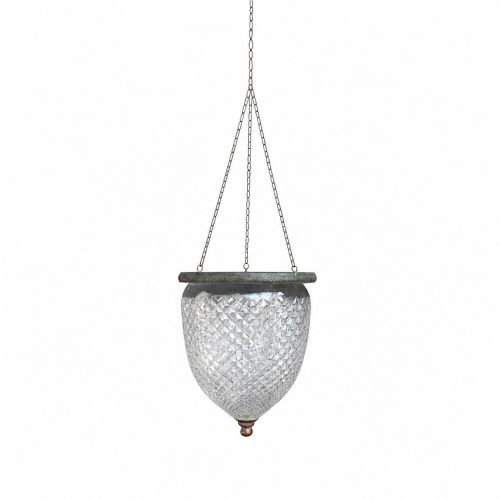
- A ceiling-mounted bowl light fitting, often made of cut glass or crystal held in a brass or bronze frame. These direct illumination downward into a room.
- Ormolu
- Gilt bronze ornamentation applied to furniture, lighting, and decorative vessels. The technique involves coating cast bronze with a finely ground mercury and gold amalgam.
- Silver Plate
- A base metal, such as copper or Britannia metal, coated with a thin layer of silver through electroplating or older fusion methods. It provides the appearance of solid silver at a lower cost.
Vintage Cut Glass Dish: Frequently Asked Questions
How do I clean cut glass?
Wash the glass in warm, soapy water using a soft cloth, avoiding abrasive pads that can scratch the polished facets. Dry thoroughly with a lint-free cloth to maintain the clarity and sparkle of the crystal.
Keep silver or brass mounts away from harsh chemical dips if they retain patination or delicate enamel work. Use a gentle cloth on the metal components to preserve their historic finish.
Can I use these for food?
Many vintage dishes, such as butter tubs, jam pots, and fruit bowls, were originally manufactured for dining table use. They remain suitable for serving dry foods, sweets, or fruit.
Dishes with silver-plated liners, enamel lids, or older solders require hand washing and should not be placed in modern dishwashers. Avoid serving acidic foods for extended periods in unlined metal-mounted vessels.
How do I date a glass dish?
Examine the style of cutting, the shape of the vessel, and any accompanying metal mounts for clues to the period of manufacture. Georgian and Victorian pieces often feature heavy hand-cut facets and intricate sterling silver hallmarks.
Twentieth-century items may display modernist geometric lines, Art Deco enamel decoration, or specific factory marks on the base. Comparing the manufacturing technique with known design eras helps narrow the production decade.
What is the difference between glass and crystal?
Standard glass is composed primarily of silica, soda, and lime, resulting in a lighter and more rigid material. Crystal contains metal oxides, typically lead, which increases the density and refractive index.
This lead content allows crystal to be cut with sharper, deeper angles that disperse light into a spectrum. Crystal also yields a distinct musical chime when struck gently, unlike standard glass.