




Flemish Wool Tapestry
A flemish wool tapestry brings centuries of woven artistry indoors, offering rich textures and historic narratives that anchor a traditional room.
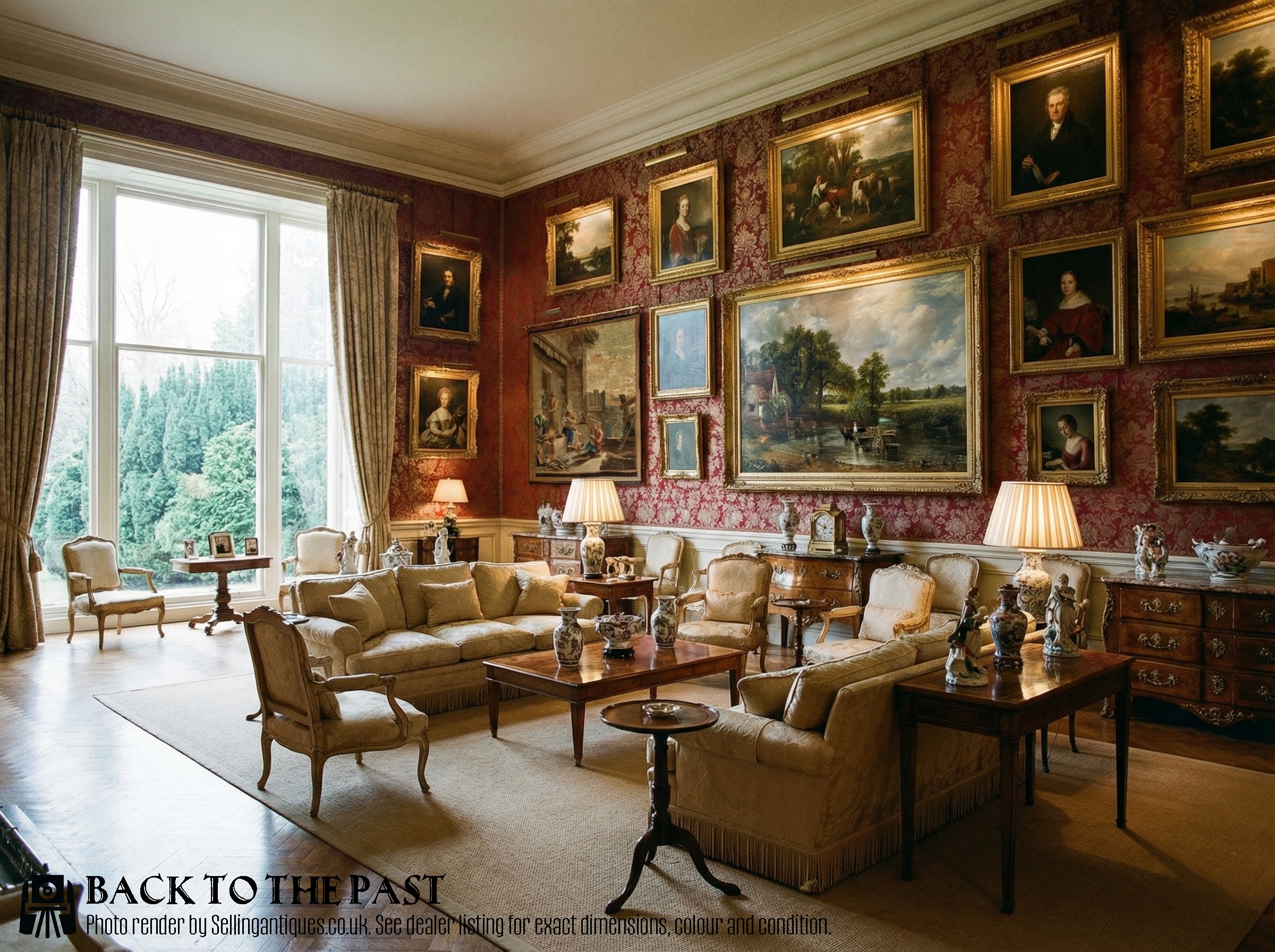
Flemish Wool Tapestry
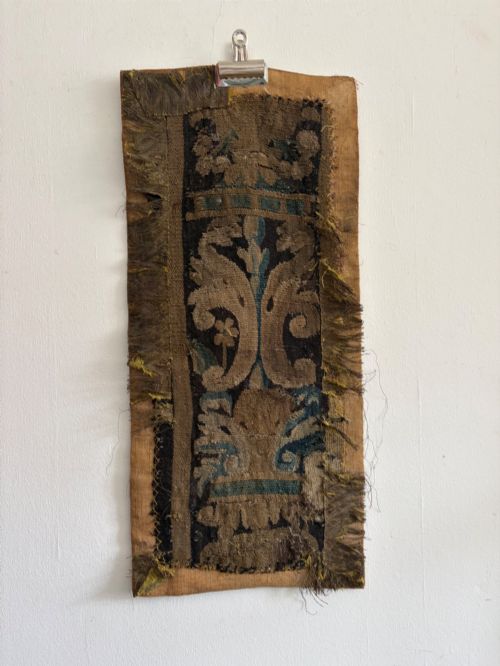
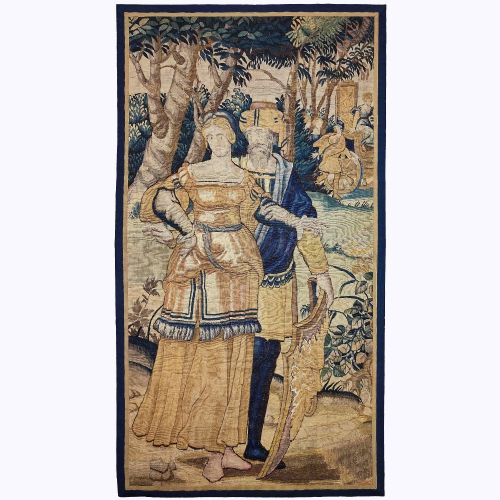
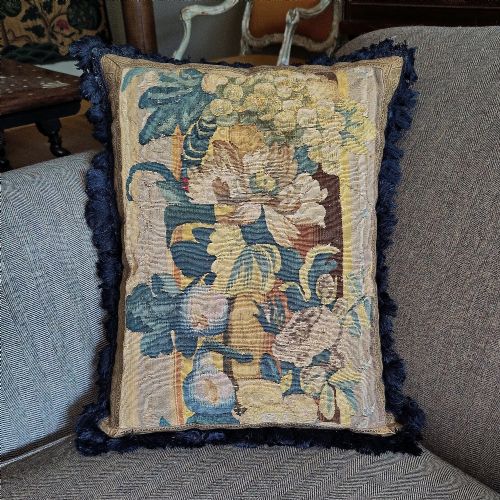
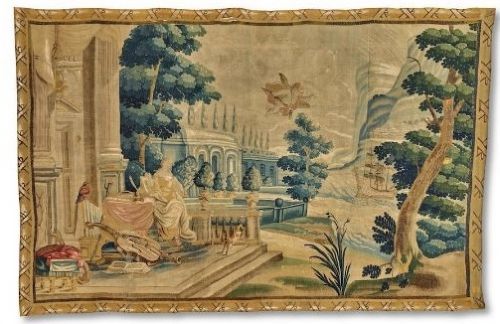
A flemish wool tapestry comprises large wall hangings, panels, and smaller fragments dating from the sixteenth to the nineteenth centuries. Buyers encounter grand scale mythological scenes, religious subjects like the Last Supper, and game park compositions alongside smaller border fragments and cushions.
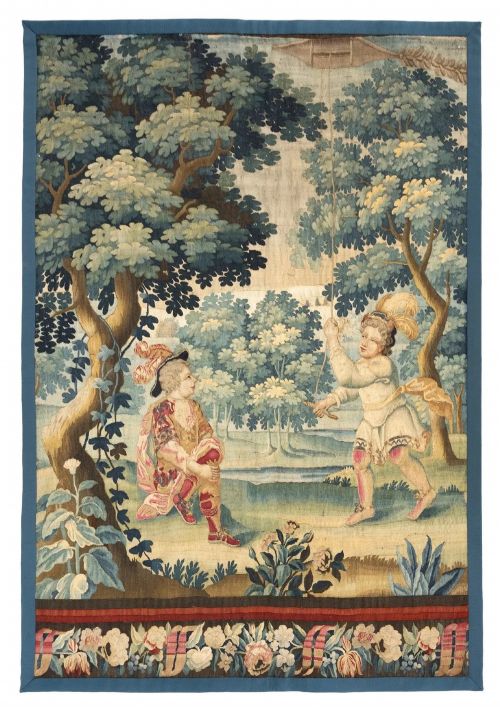
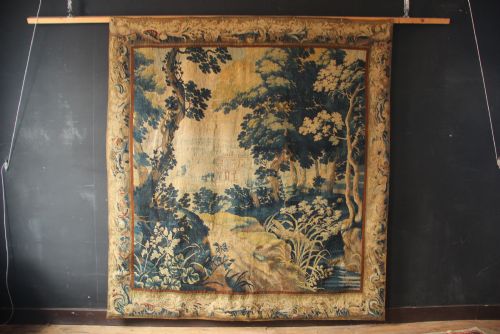
The verdure tapestry emerges as the most frequent form on this page, depicting dense woodland foliage and landscapes. These woven works reflect the output of workshops in centres such as Audenarde and Brussels, capturing the shifting styles of the Renaissance and Baroque periods.
How they were made
Weavers constructed these textiles primarily using wool, often combined with silk, linen, and cotton threads on vertical or horizontal looms. Artisans utilised natural dye materials to build complex palettes, occasionally incorporating metal threads like gold leaf for accentuation.
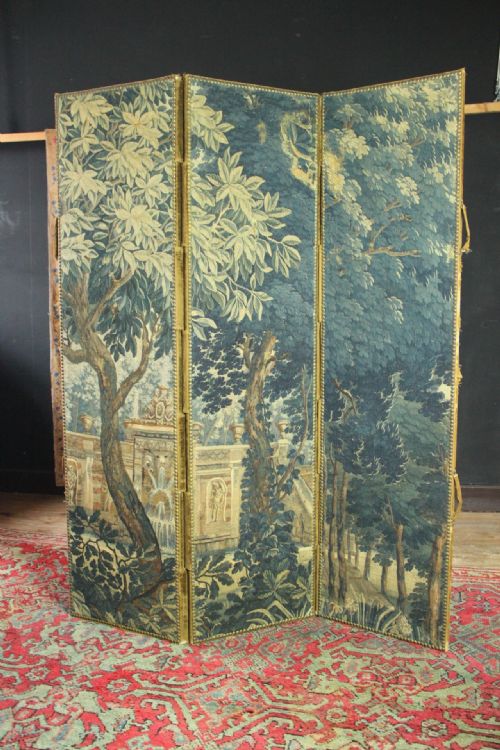
Larger panels and screens required months of skilled labour, with many pieces later mounted to linen for structural support or adapted into cushions and folding screens.
Several panels depict quiet game parks where small storks and hares hide quietly amongst centuries-old woollen leaves.
What varies in quality
The nuance of the dye palette and the density of the weave dictate the visual depth of the landscape or figural scene. Superior examples maintain crisp botanical details in verdure compositions and expressive rendering in mythological subjects.
Preservation of the original wool and silk threads, alongside the integrity of the border design, separates intact panels from heavily adapted fragments.
The Flemish Wool Tapestry Glossary
- Verdure tapestry
- A textile depicting a landscape dominated by trees, foliage, plants, and often birds or animals. These scenes formed a staple of Flemish weaving across the seventeenth and eighteenth centuries.
- Tapestry fragment
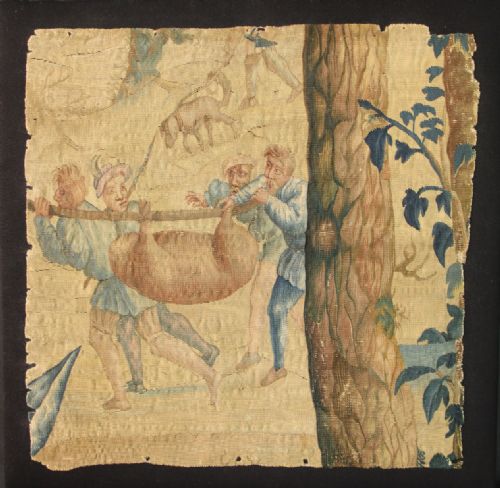
- A surviving portion of a larger woven panel, frequently salvaged from damaged works and repurposed into smaller wall hangings, cushions, or screen panels.
- Audenaarde
- A historic centre of tapestry production in Flanders known for verdure and landscape designs. Pieces from this town often feature rich woodland motifs.
- Brussels tapestry
- Woven goods produced in the prominent workshops of Brussels, frequently associated with high-status commissions and detailed figurative or mythological compositions.
Flemish Wool Tapestry: Frequently Asked Questions
How should I hang a large tapestry?
Large tapestries require even weight distribution to prevent distortion of the wool fibres over time. Mounting the textile to a linen backing and using a concealed Velcro system or a padded wooden batten provides stable support along the top edge.
Position the textile away from direct sunlight and heat sources to protect the natural dyes. Keeping a small gap between the wall and the hanging allows air circulation behind the fabric.
Can I use tapestry fragments in daily decor?
Smaller fragments and borders lend themselves well to mounting as framed art or sewing into cushion covers. This practice preserves historic textile art while integrating it into modern seating arrangements.
When using cushions made from antique fragments, keep them in low-friction areas to minimise wear on the wool and silk threads. Rotating the cushions helps distribute use evenly across the surface.
How do I identify a Flemish weave?
Flemish pieces typically exhibit characteristic verdure landscapes, mythological narratives, or religious scenes executed in dense wool and silk weaves. Stylistic markers often include deep layered foliage and borders populated by floral urns or human figures.
Examining the reverse side reveals the interlocking of coloured weft threads typical of European hand-woven tapestries. Comparative study of period borders and workshop signatures helps narrow down the origin.