







Flatweave Tribal Pouch
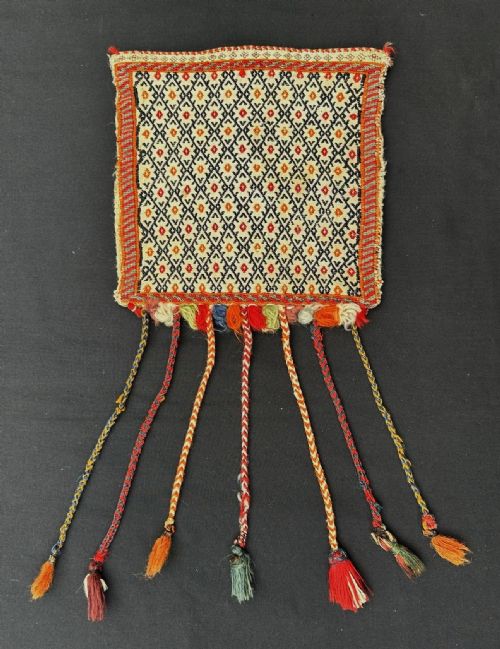
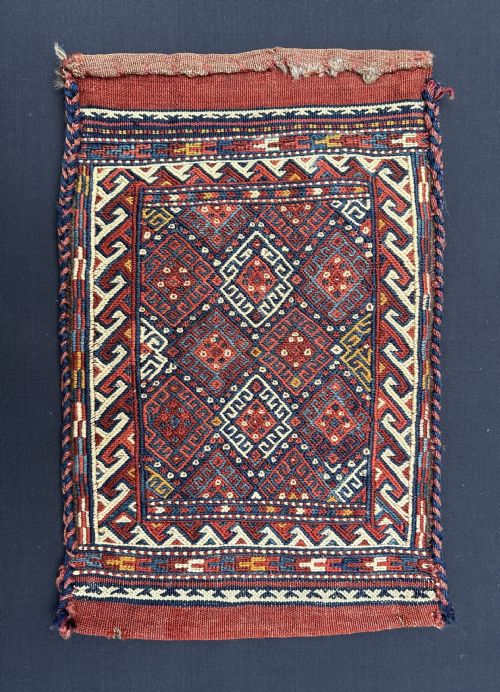
These flatweave tribal pouch examples are genuine nomadic bags and containers woven to hold salt, vanity items, or personal possessions, offering authentic textile art for the home.
Flatweave Tribal Pouch
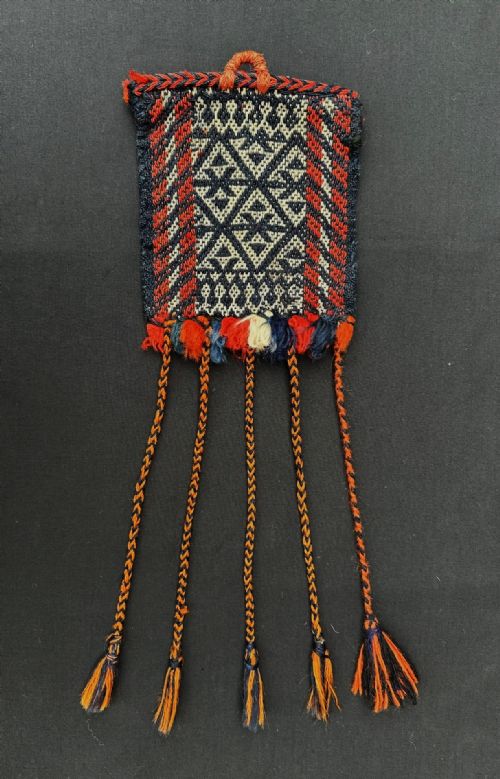
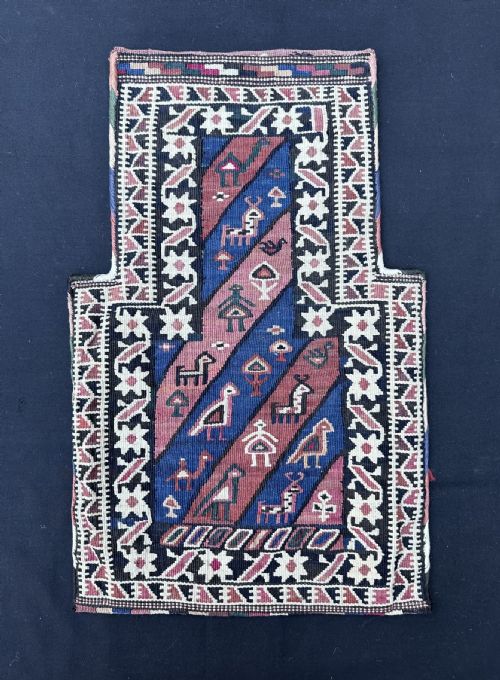
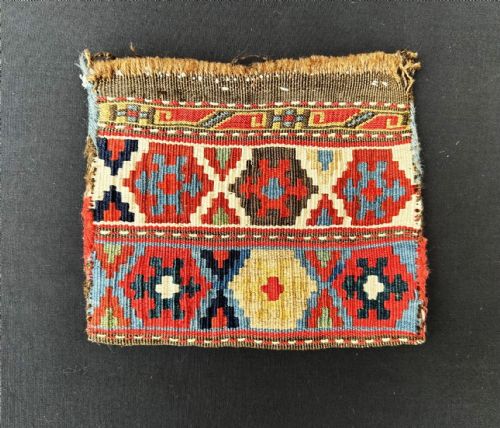
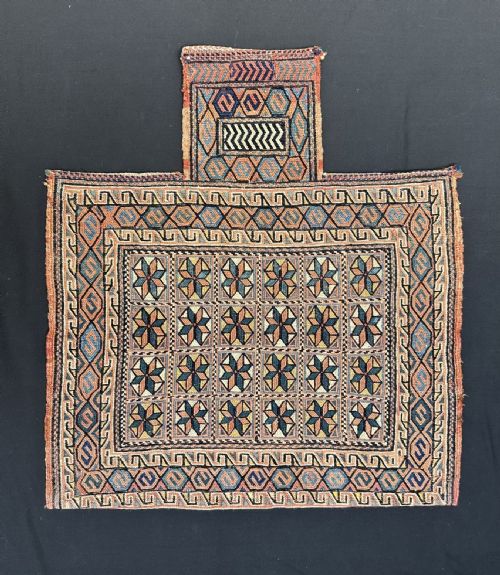
When you search for a flatweave tribal pouch, you are looking at utilitarian textile containers created by nomadic and village groups across Persia and Azerbaijan. These pieces take the form of salt-bags, vanity bags, chantehs, and saddlebags originating from tribes such as the Shahsevan, Qashqa'i, Afshar, Kordi, Baluch, and Tekke Turkmen.
The objects served practical purposes during migration and daily camp life, woven to transport household goods or personal items securely. Surviving examples date from the late nineteenth century up to approximately nineteen-ten, maintaining their original woven structures and functional forms.
What Varies in Quality
Quality in these textile bags depends on the tightness of the weave, the precision of the geometric or tribal pattern, and the complexity of the flatweave technique utilised. Finer examples display superior dye saturation and sophisticated composition within the tribal design vocabulary.
The presence of original backs, complete paired structures, and embellishments such as cowrie shells elevate the integrity of a piece. The condition of the hand-spun wool and the retention of natural dye vibrancy differentiate standard utility pieces from exceptional tribal examples.
Listings feature pieces dated across the late nineteenth and early twentieth centuries, spanning eighteen-seventy to nineteen-ten.
The Flatweave Tribal Pouch Glossary
- Soumak
- A brocade-like flatweaving technique where pattern wefts are wrapped around the warp threads before being beaten down. This method creates a sturdy textile with a textured, ribbed face and floating threads on the reverse.
- Chanteh
- A small tribal vanity bag or personal container traditionally used by nomads to carry personal items. These pieces showcase the intricate patterning typical of specific tribal groups in miniature form.
- Salt-bag
- A utilitarian container woven by nomadic tribes to store and transport salt. They often feature narrow necks and reinforced flatweave structures suited to daily camp use.
- Kizil
- A term associated with certain Turkmen Chuval storage bags produced in the nineteenth century. These textiles are distinguished by specific colour palettes and tribal iconography.
- Tubreh
- A traditional Persian term for a nomadic bag or sack used for storage or transport during migration. They demonstrate the robust flatweave construction characteristic of regional weaving traditions.
Flatweave Tribal Pouch: Frequently Asked Questions
What were tribal pouches used for?
These bags served practical functions in nomadic daily life, holding salt, personal vanity items, spoons, water-pipes, or general household goods. Tribesmen and women utilised them during seasonal migrations and inside permanent or temporary dwellings.
Because they were made for utility rather than display, weavers constructed them with durable flatweave techniques to withstand rough handling, travel, and everyday wear.
How do I date an antique flatweave pouch?
Dating relies on assessing the materials, particularly the use of hand-spun wool and early natural dyes before the introduction of synthetic alternatives. Stylistic markers specific to regions like Moghan, Fars, or Khorassan also help narrow the period.
Most surviving examples date from the late nineteenth century up to the early twentieth century, aligning with the traditional tribal weaving practices recorded in the region.
How should I display a tribal pouch at home?
These textile bags can be displayed flat against a wall, mounted with conservation-grade support, or placed on stable surfaces where their flatweave structure is visible. Many collectors prefer to exhibit them in spaces with controlled lighting to protect natural dyes.
Ensuring the piece rests without excessive tension preserves the integrity of the hand-spun wool and any attached decorative elements like cowrie shells.