




Flat Woven Rug
A flat woven rug brings rich tribal pattern and texture to a floor without the heavy pile of a conventional carpet.
Flat Woven Rug
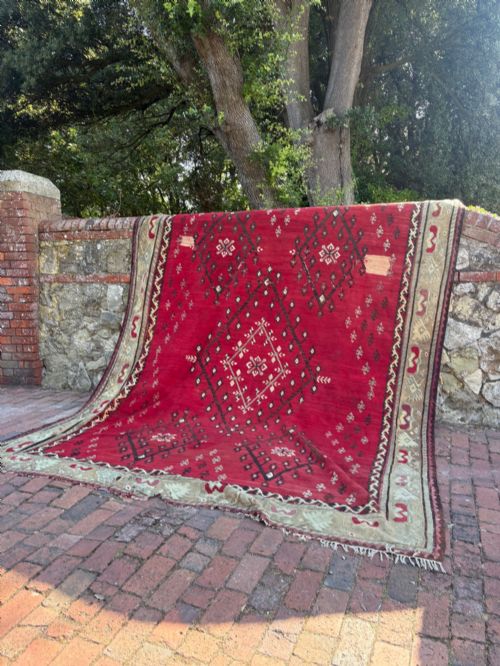
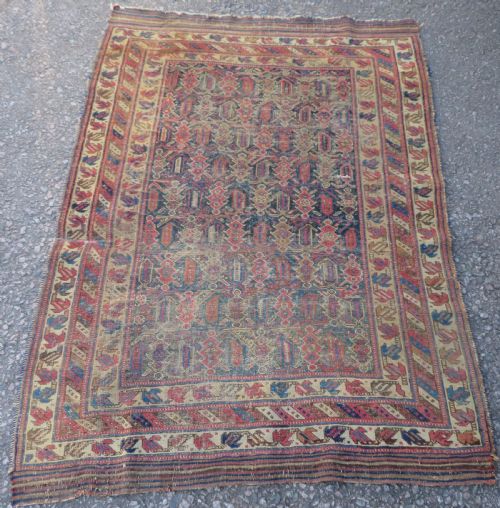
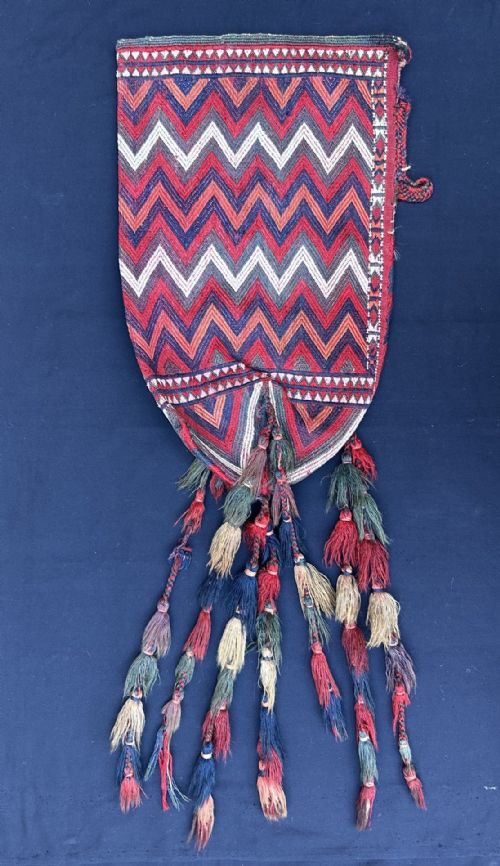
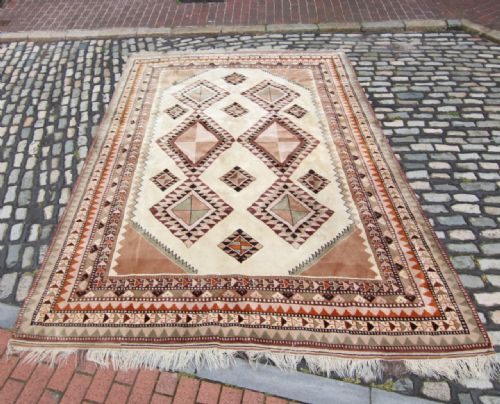
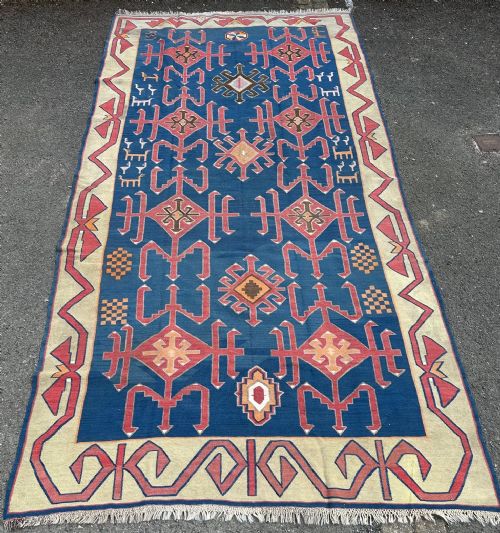
A flat woven rug is a textile created without pile, encompassing traditional kilims, storage bags, and utility covers produced by nomadic and village weavers. These pieces originate from regions including Anatolia, the Caucasus, Persia, and Central Asia, spanning the mid-nineteenth century to the early twentieth century. You will encounter formats ranging from large carpets and runners down to smaller cushions and fragments.
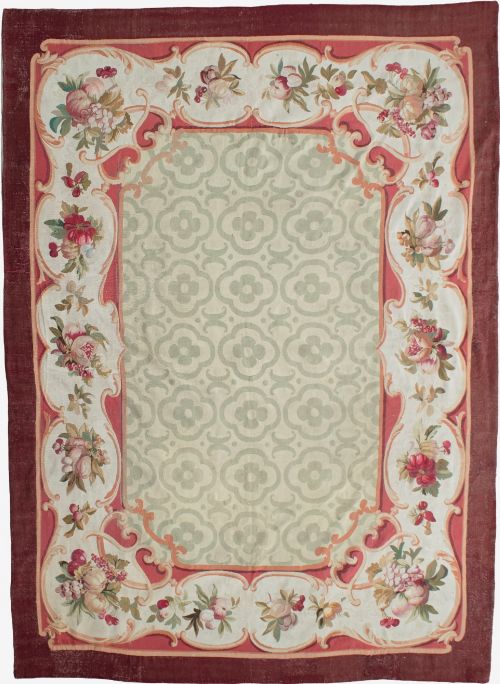
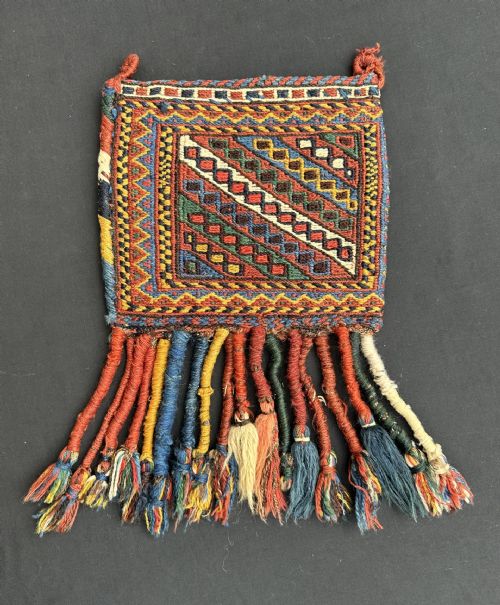
The selection frequently includes tribal kilims from Turkey and the Caucasus alongside Bessarabian and Ukrainian flatweaves from Eastern Europe. Specific utilitarian items such as bread sofreh, salt bags, and saddlebag faces also appear regularly among the offerings. These textiles were made primarily for domestic use within nomadic camps and rural households before entering the decorative market.
How they were made
These textiles rely on hand-spun wool and cotton, worked through tapestry weaving techniques where the coloured weft threads are beaten tightly against the warp. Many examples incorporate natural dyes that yield soft, variable tones across the surface over decades of exposure and use. Specialised structures like Soumak work appear in specific bag faces and runners, utilising a wrapping technique over warp threads to create a textured finish.
Weavers constructed larger carpets in separate narrow panels that were subsequently joined together by hand down the centre. Utility pieces often integrated sturdy wool backings, tassels, and leather elements designed for daily transport by nomadic groups. The structural integrity depends on the tightness of the weave and the quality of the preparation given to the wool before dyeing.
The inventory spans the nineteenth and twentieth centuries, encompassing complete carpets, functional storage bags, and cushioned seating.
What varies in quality
Quality in a flat woven rug rests upon the precision of the tribal design and the depth of the palette derived from natural dyes. Finer pieces demonstrate strict symmetry in geometric motifs and careful handling of colour transitions across banded compositions. The integrity of the original edges, known as selvedges, and the survival of complete tassels or backs strongly influence the standing of an individual textile.
The handling of the wool itself dictates the tactile character of the piece, with hand-spun yarns offering a more resilient and luminous surface than later commercial materials. Condition plays a role when repairs respect the historic character of the textile rather than obscuring the original weaving. Tribal authenticity and regional clarity distinguish standard utility items from masterworks of nomadic weaving.
The Flat Woven Rug Glossary
- Kilim
- An untufted flat-woven carpet or rug produced in countries of the former Ottoman Empire, Persia, and Central Asia. These textiles use a tapestry weave technique that leaves no pile on the surface.
- Soumak
- A flat-weave technique involving a wrapping stitch where weft threads are wound over and under warp threads. This method creates a sturdier, ribbed surface texture distinct from standard kilim weaving.
- Sofreh
- A spreading cloth used for kneading dough or serving meals in Persian and nomadic households. These items often feature striking geometric field designs.
- Khorjin
- A traditional double saddlebag woven by nomadic tribes for transport on animals. Surviving examples are frequently found separated into individual bag faces.
- Torba
- A small storage bag produced by Turkmen tribes, wider than it is high. They were traditionally hung inside a yurt to store small possessions.
Flat Woven Rug: Frequently Asked Questions
What is a flat woven rug?
A flat woven rug is a textile constructed without knotted pile, relying instead on interlocking weft and warp threads. These pieces are traditionally produced by nomadic and village weavers across the Middle East, the Caucasus, and Eastern Europe.
They serve as versatile floor coverings, wall hangings, and decorative accents. Their thin profile makes them practical for placement beneath furniture or in high-traffic hallways.
How do I care for my rug?
Maintenance requires regular gentle vacuuming without a rotating brush head to protect the flat textile surface. Professional cleaning tailored to antique tribal wool textiles ensures dyes remain stable and fibres are preserved.
Rotating the piece periodically prevents uneven wear and sun fading. Using a suitable underlay helps keep the lightweight weave securely in place on smooth floors.
Where did these rugs come from?
The pieces originate from traditional weaving centres and nomadic groups in regions such as Anatolia, the Caucasus, Persia, and Central Asia. Different tribes, including the Afshar, Shahsevan, and Turkmen, developed distinct geometric vocabularies and colour palettes.
European examples from regions like Bessarabia and Ukraine reflect distinct floral and banded traditions. Each origin imparts specific structural methods and aesthetic traits to the finished textile.
How can I tell regions apart?
Regional attribution relies upon the specific combination of geometric motifs, border arrangements, and dye colours used in the weave. Caucasian and Anatolian works frequently showcase sharp, rectilinear polygons and tribal symbols, while Persian tribal pieces often display deep indigo and madder red tones.
Examining the structure of the wool and the specific weaving technique provides further clues to geographic provenance. Comparing pieces against documented tribal groups helps clarify their exact origins.