




Flat Weave Tribal Rug
When you search for a flat weave tribal rug, you enter a world of nomadic textiles woven across Anatolia, Persia, the Caucasus, and Central Asia.
Flat Weave Tribal Rug
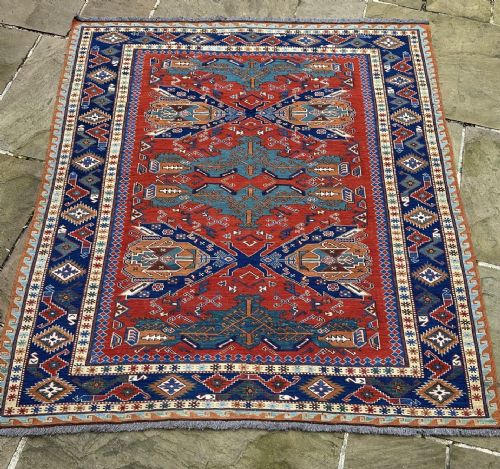
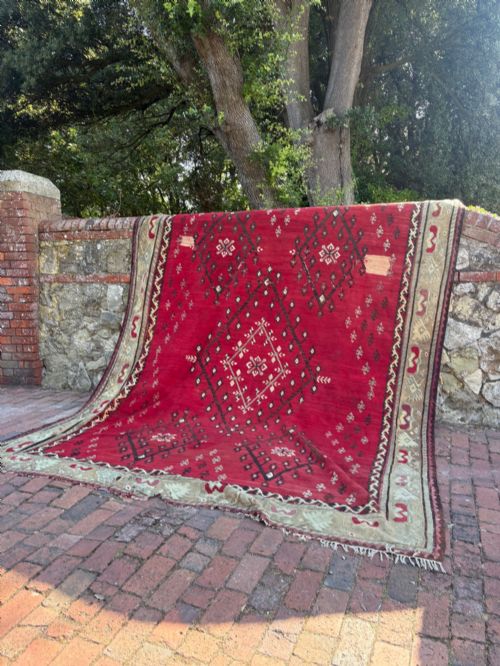
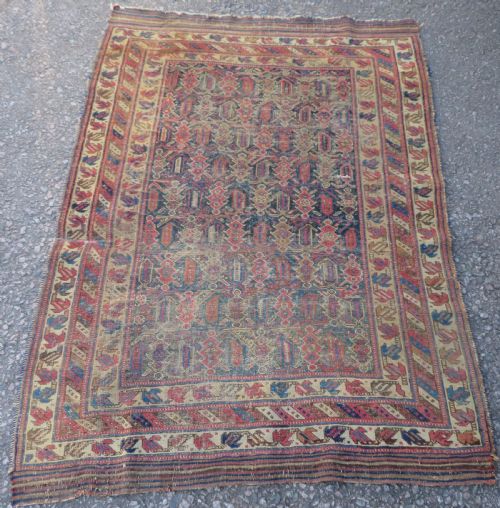
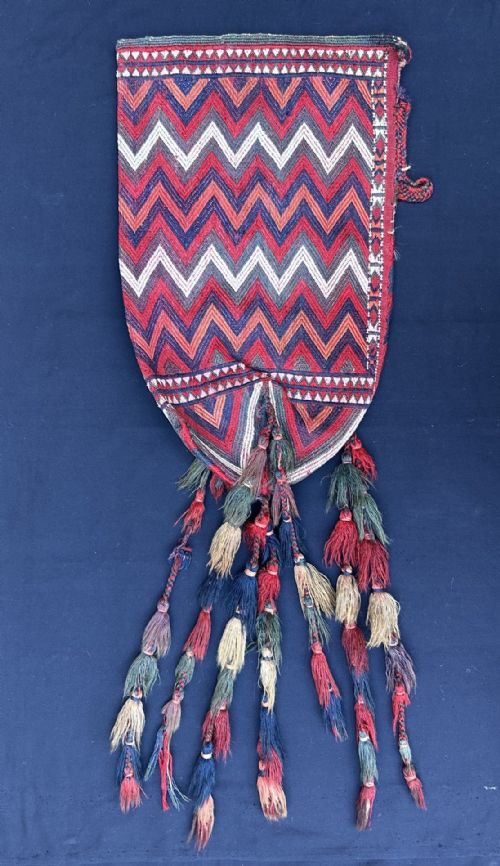
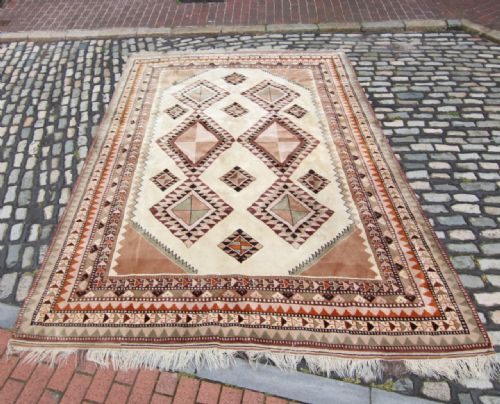
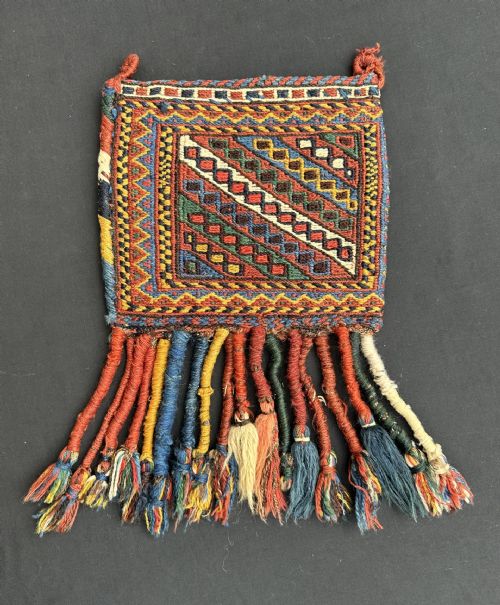
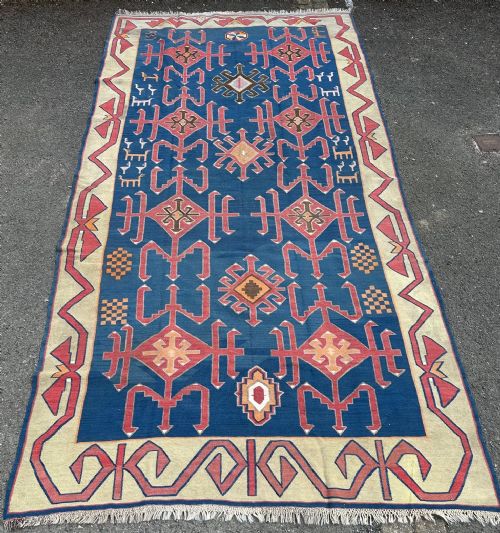
A flat weave tribal rug encompasses utilitarian objects created by nomadic and village weavers for daily domestic life, including large carpets, runners, and smaller utility items. These pieces derive from specific tribal groups such as the Afshar, Shahsevan, Yomut, and Tekke Turkmen, alongside regional workshops in Anatolia, the Caucasus, and Central Asia. The selection spans distinct formats from room-sized floor coverings to smaller bags, cushions, and bread sofrehs.
The aesthetic vocabulary relies on geometric medallions, banded designs, and bold graphic repeats particular to each weaving tradition. Collectors encounter utility pieces transformed into decorative objects, retaining the structural integrity of their original nomadic function. These textiles reflect the utilitarian needs of pastoral communities who utilised portable floor coverings and storage containers.
Materials and construction methods
Weavers constructed these flat weave tribal rug examples primarily using hand-spun wool and cotton foundations, often dyed with natural colour extracts. The technique relies on interlocking wefts to create the flat surface, avoiding the pile found in traditional knotted carpets.
Specialised structures such as soumak work and jaim weaving appear alongside standard slit-tapestry kilim construction. Artisans incorporated functional elements including backs, tassels, and structural joins where larger carpets were woven in separate sections and stitched together.
Listings feature hand-spun wool and natural dyes across Anatolian, Caucasian, and Central Asian tribal origins.
Assessing quality in nomadic flat weaves
Quality rests upon the fineness of the spin, the integrity of the weave structure, and the vibrancy of the natural dyes utilised by the maker. Tightly beaten wefts and crisp geometric drawing indicate a higher standard of craftsmanship within specific tribal groups.
Condition plays a role in evaluation, distinguishing pristine examples with intact original ends and tassels from those bearing historic repairs or distress. The complexity of the structural technique, such as detailed soumak wrapping or balanced banded layouts, elevates individual pieces.
Afshar Nomads·Shahsevan Nomads·Yomut Tribes·Tekke Turkmen·Luri Tribes
The Flat Weave Tribal Rug Glossary
- Kilim
- A flat-weave carpet or rug produced without a pile by tightly interweaving warp and weft strands. This technique creates a smooth, reversible textile common across Anatolia and the Caucasus.
- Soumak
- A brocading technique where coloured weft threads are wrapped around the warp threads in a continuous sequence. This method produces a textured, durable surface with a braided appearance on the face.
- Sofreh
- A flat-woven cloth used traditionally for laying out meals or kneading bread within nomadic households. These items frequently display geometric motifs and practical square formats.
- Torba
- A small hanging storage bag produced by Turkmen and other Central Asian tribes. They feature specific tribal guls and banded designs adapted for domestic organisation inside a yurt.
Flat Weave Tribal Rug: Frequently Asked Questions
What is a flat weave tribal rug?
A flat weave tribal rug is a non-pile textile created by nomadic and village weavers using tapestry or brocade techniques. These pieces served practical domestic functions for tribal groups across the Middle East and Central Asia.
Unlike knotted carpets, these rugs have a flat, thin structure that made them easily portable for pastoral lifestyles. They include floor coverings, runner formats, and smaller household bags.
How do you use them in interiors?
These textiles function effectively as decorative floor coverings in low-traffic areas or as wall hangings to display their graphic patterns. Their flat structure also suits placement beneath furniture where a thick pile might prove cumbersome.
Smaller formats and bag faces are frequently adapted as cushion covers or displayed as compact textile art. Pairing them with a quality underlay helps protect the historic wool foundation from excessive wear.
How are different tribal styles identified?
Identification relies on specific colour palettes, geometric drawing styles, and structural techniques particular to certain regions. For instance, Caucasian pieces often display sharp, primary-coloured geometric medallions, while Turkmen work favours deep madder reds and repeating guls.
Weaving structures also aid attribution, such as the distinct soumak wrapping associated with Shahsevan and Yomut makers. Examining the materials, such as hand-spun wool and natural dyes, narrows down the geographic origin.
Were these rugs used on floors?
Nomadic weavers utilised these textiles for multiple domestic purposes, including floor insulation, seating areas, and animal transport. Many items listed as bags or sofrehs served as utilitarian containers rather than ground coverings.
Over time, flat-woven pieces transitioned from nomadic utility objects into sought-after decorative textiles for international collectors. Their durability allowed them to withstand decades of practical service before entering the antique market.