


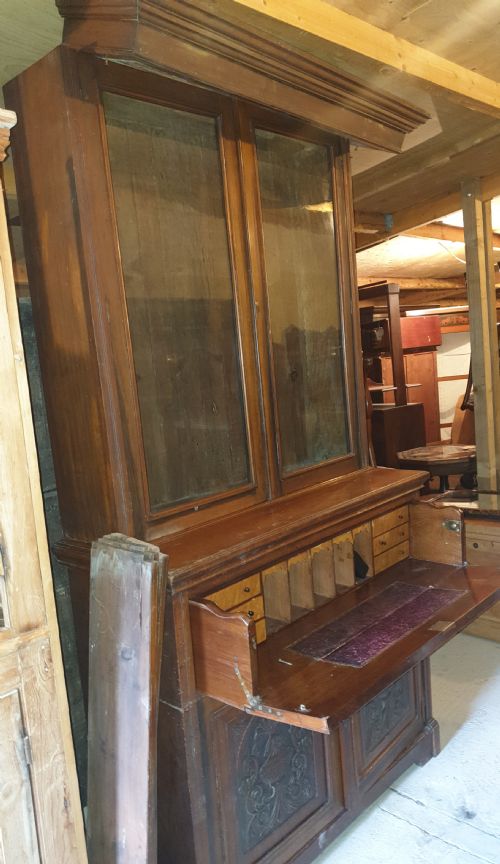
Fitted Interior Secretaire
A fitted interior secretaire is a cabinet or chest housing a concealed writing drawer, combining domestic storage with a dedicated workspace.
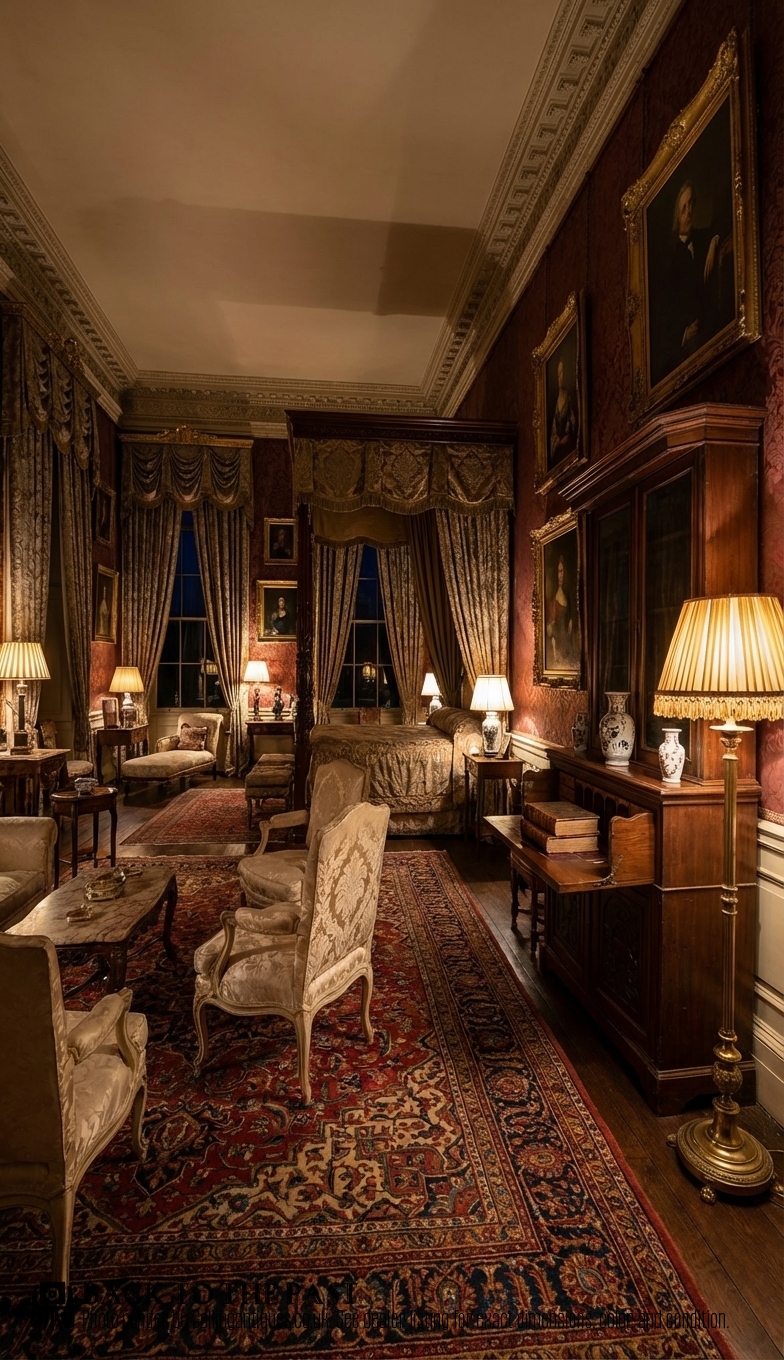
Fitted Interior Secretaire
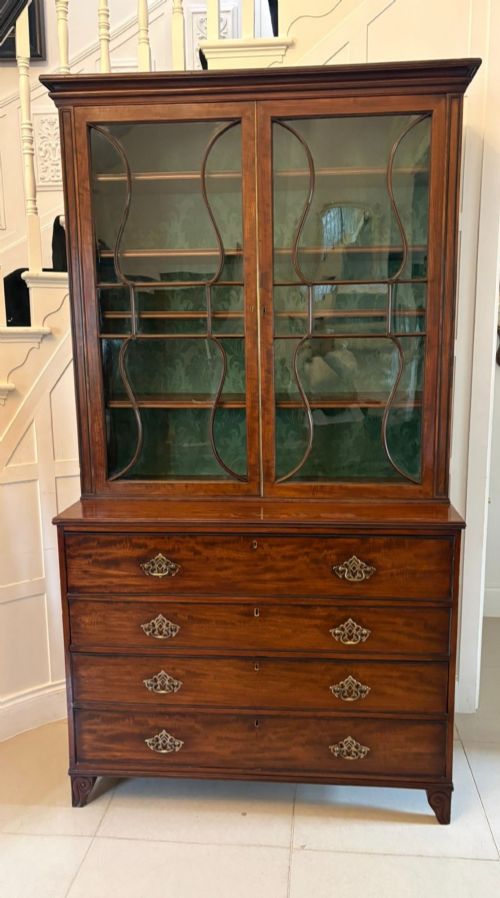
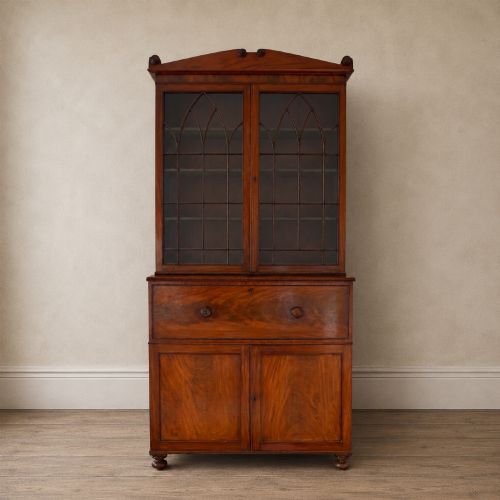
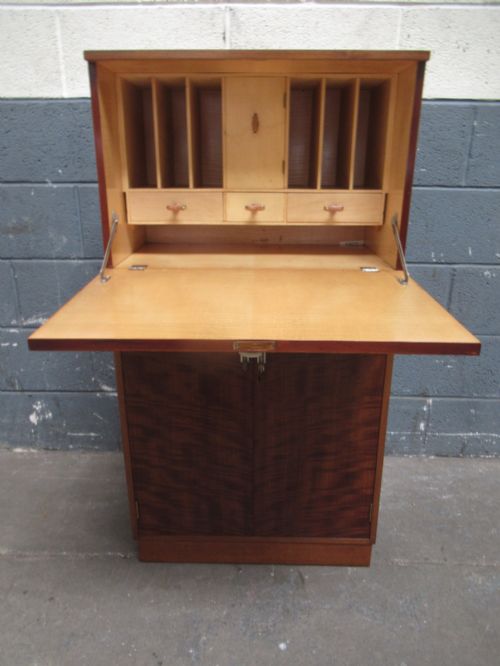
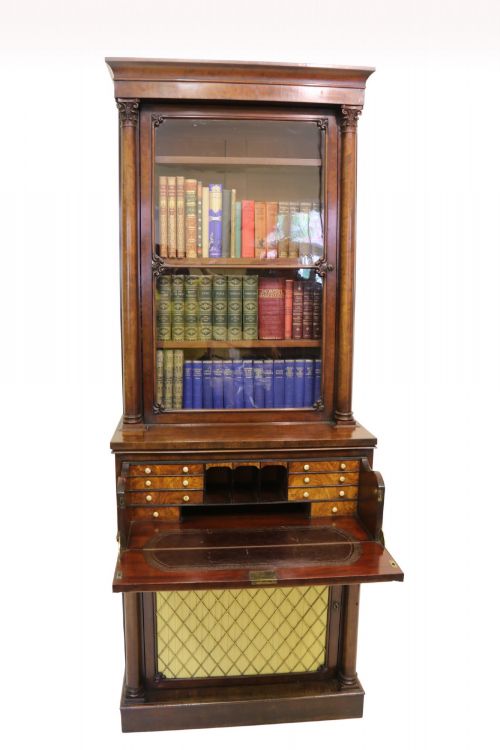
When you search for a fitted interior secretaire, you are looking at pieces designed to keep correspondence and writing materials neatly organised behind a drop-front or pull-out drawer. The most common versions on this page take the form of tall bookcase combinations and chest of drawers variants from the eighteenth and nineteenth centuries.
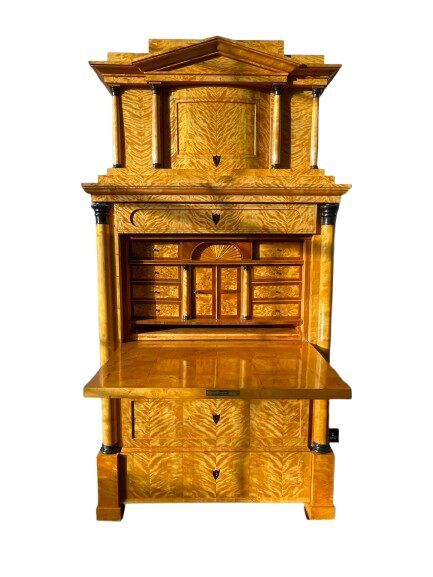
The selection ranges from compact writing cabinets and Davenport desks to imposing bureau bookcases with glazed doors. Woods such as mahogany, rosewood and walnut dominate the forms, frequently paired with lighter secondary timbers inside the hidden desk compartments.
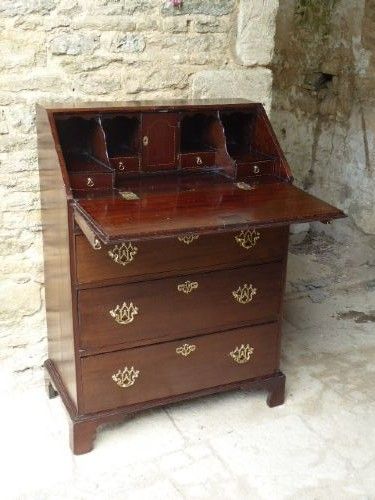
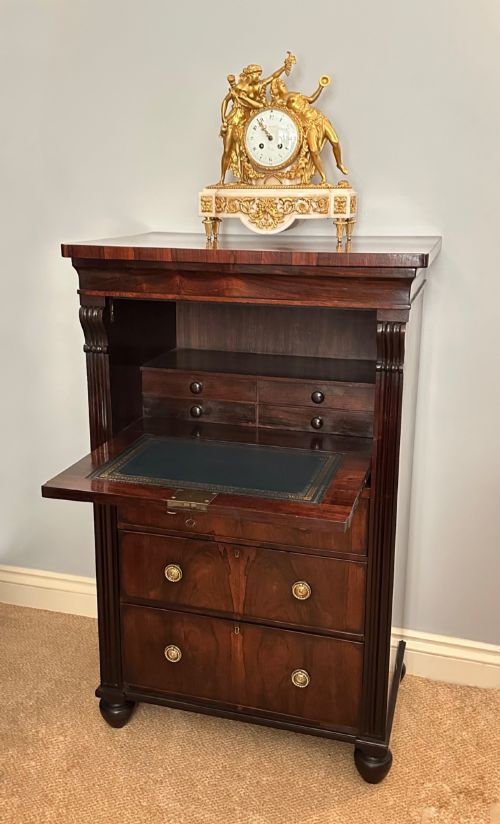
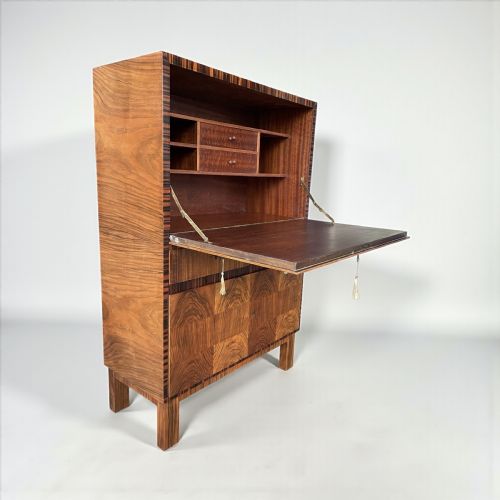
Pieces span periods from Queen Anne and Georgian eras through Regency and Victorian designs up to Art Deco and Edwardian examples. Each variation offers a private writing surface that folds or pulls out to reveal small pigeonholes, tiny drawers and central compartments.
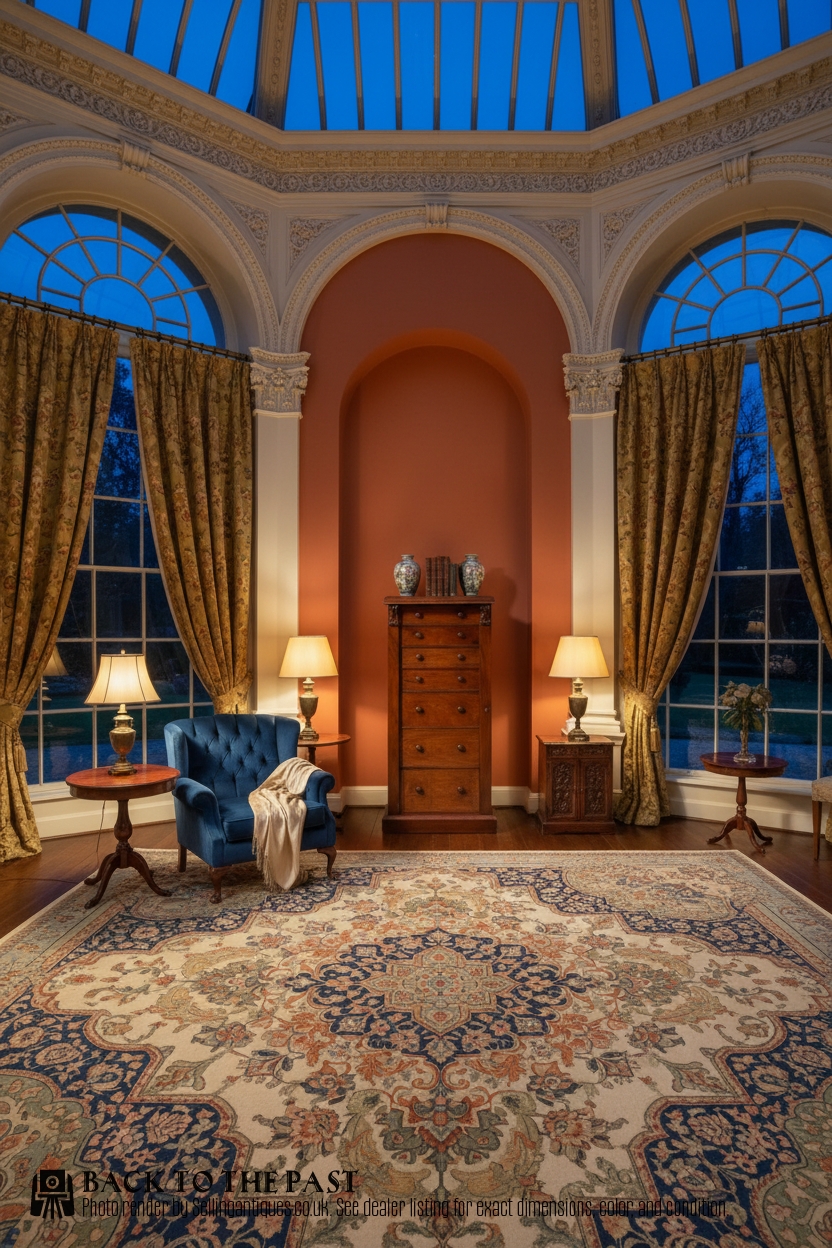
How they were made
Cabinetmakers constructed these pieces using dense hardwoods like mahogany and rosewood for the primary exterior surfaces, often selecting figured veneers to create striking grain patterns across the fall-fronts and door panels. Secondary timbers such as satinwood appeared inside the hidden compartments to contrast with the darker outer structure.
The drop-front mechanisms and writing surfaces required precise joinery to ensure smooth movement, frequently incorporating brass hinges, leather or baize writing inserts, and small locking drawers within the internal configuration.
Listings feature mahogany, rosewood, walnut, satinwood, brass, leather, glass and baize across multiple periods.
What varies in quality
The distinction between standard cabinet work and exceptional execution rests in the complexity and neatness of the internal arrangement. Superior pieces feature intricate satinwood drawer fronts, secret compartments and balanced proportions that maintain structural integrity when the writing flap is open.
Timber selection and veneer matching across large expanses like bookcase doors or chest facades dictate the visual coherence of the item. Finer examples display meticulous attention to secondary woods and robust internal framing that withstands regular use.
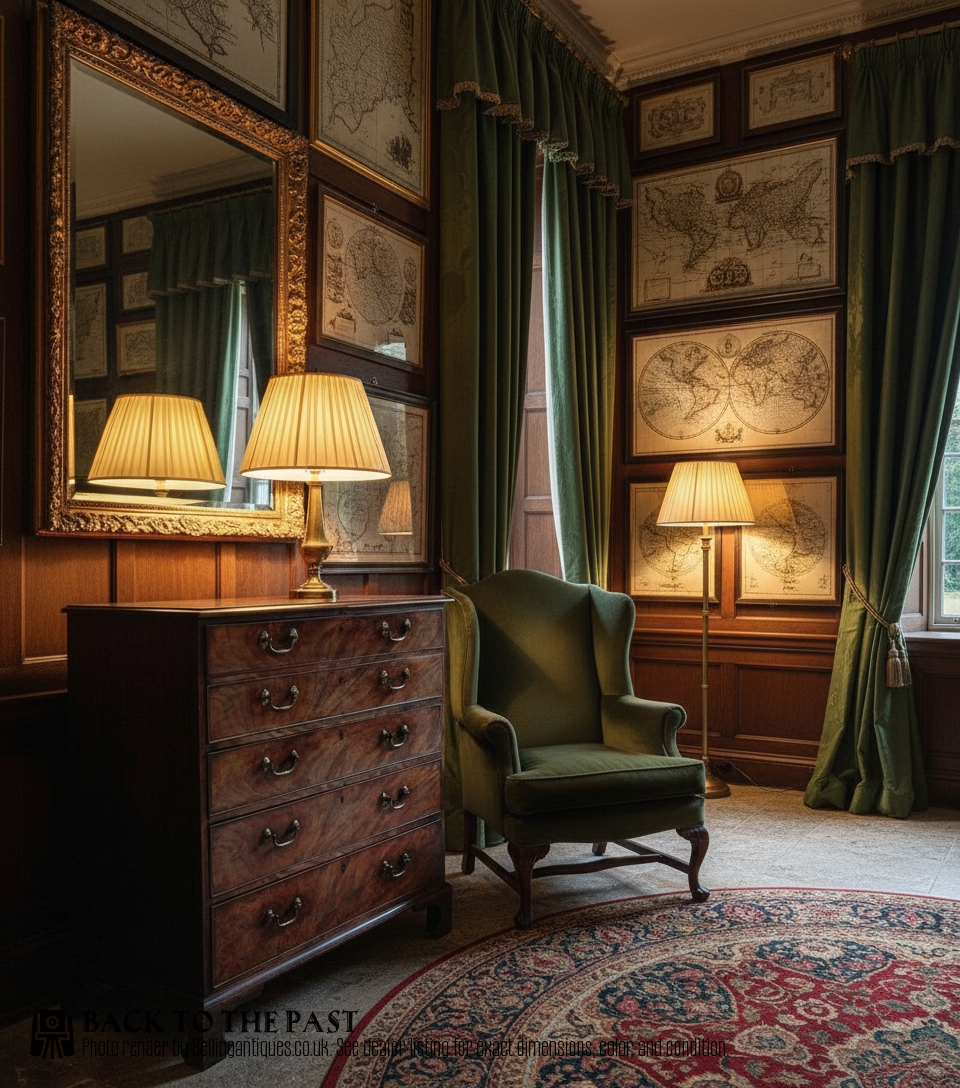
Gillows of Lancaster
The Fitted Interior Secretaire Glossary
- Secretaire
- A piece of furniture containing a built-in writing drawer or fold-down writing surface. It conceals pigeonholes and small drawers behind an exterior panel.
- Fall-front
- A hinged panel that drops down to form a horizontal writing desk. When closed, it conceals the fitted interior.
- Davenport
- A compact small desk featuring a sloping writing surface and drawers opening to the side. It often includes a fitted interior compartment.
- Biedermeier
- A Central European style from the nineteenth century focusing on utilitarian comfort and clean lines. It favoured native timbers over ornate ornamentation.
Fitted Interior Secretaire: Frequently Asked Questions
What is a fitted interior secretaire?
A fitted interior secretaire is a cabinet or chest featuring a pull-out or drop-down writing drawer that opens to reveal small drawers and pigeonholes.
These pieces combine everyday storage with a private writing space designed for correspondence and document organisation.
How were these desks used?
Owners used them to write letters, store stationery and keep private financial records secure behind locked exterior doors or panels.
The concealed drawers held inkwells, quills and important papers away from public view in the main rooms of the house.
How do I date a secretaire?
Dating relies on identifying the prevailing style, timber choices and construction methods visible in the carcass and internal drawers.
Georgian and Regency examples tend to feature solid mahogany or figured veneers, while Victorian and Edwardian pieces show heavier proportions or lighter oak and walnut.
Where should I place one?
These pieces suit studies, living rooms or hallways where their dual function as storage and desk space remains practical.
Ensure adequate floor space is available for the drop-front flap or pull-out drawer to open fully without blocking room flow.