

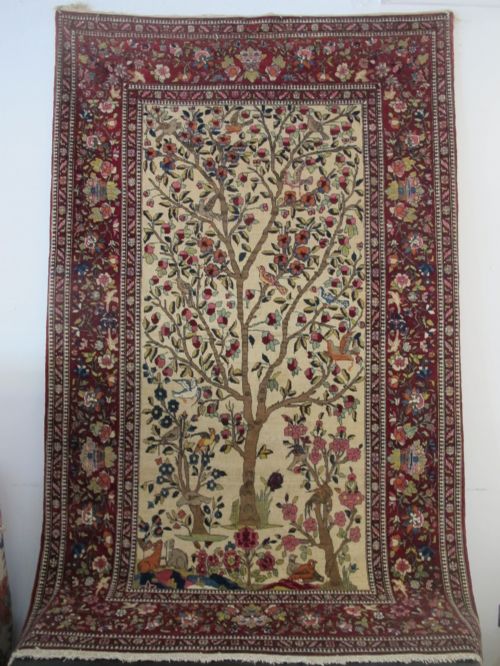


Fine Wool Knotted Rug
A fine wool knotted rug brings centuries of woven artistry, rich natural dyes and dense pile into a modern room.
Fine Wool Knotted Rug
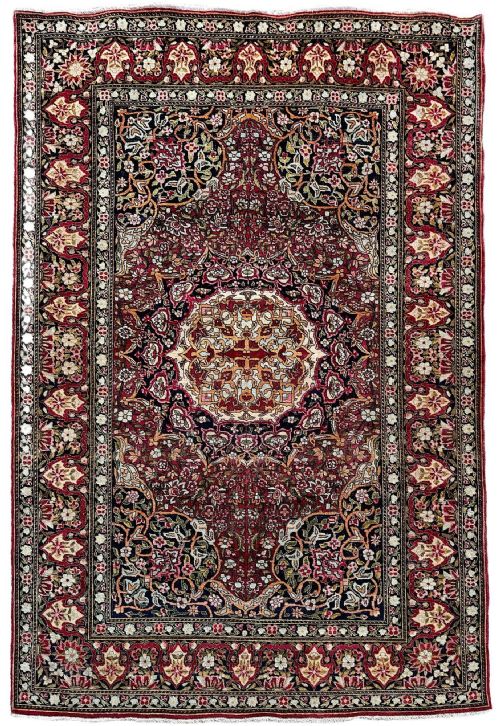
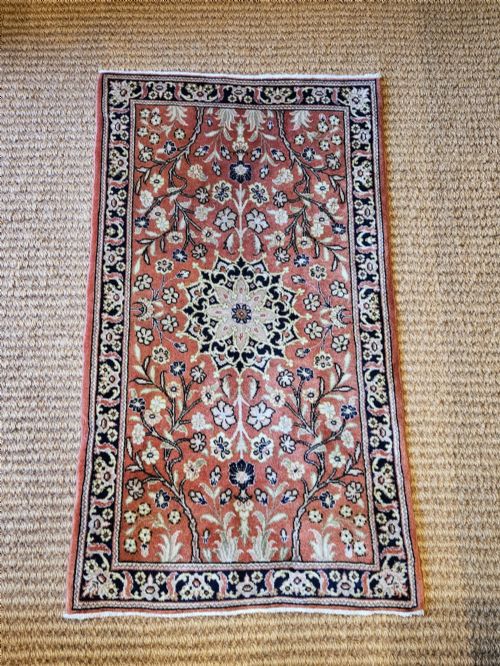
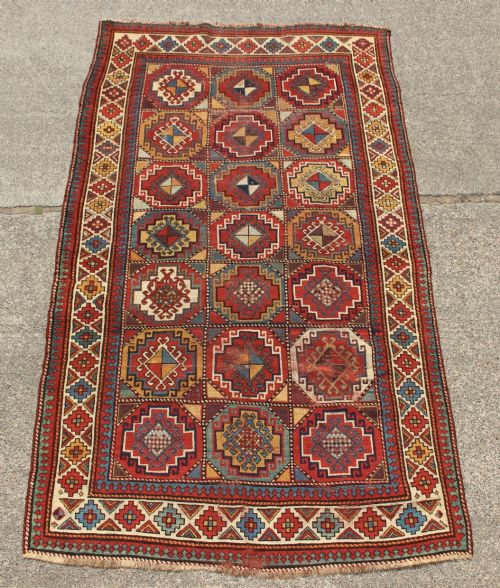
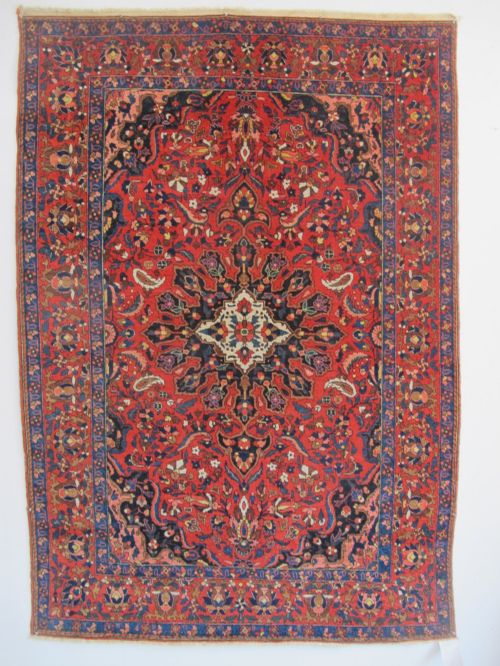
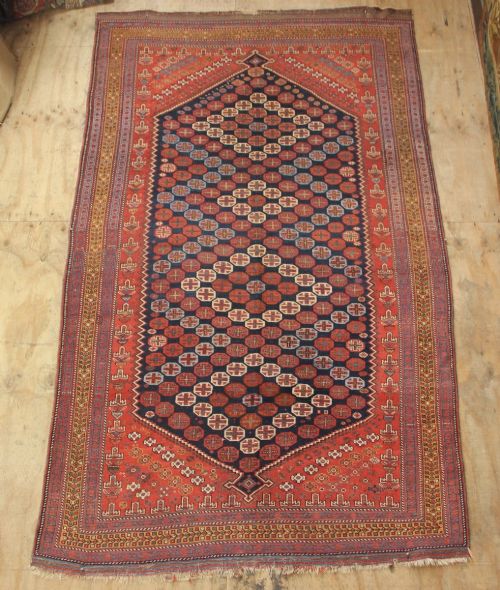
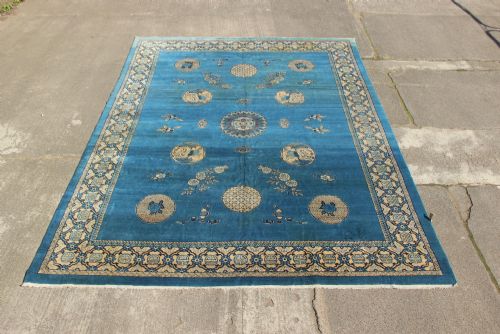
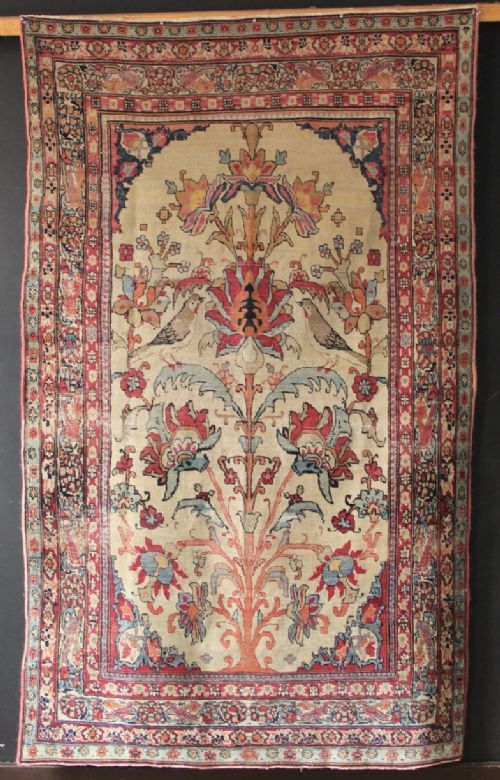
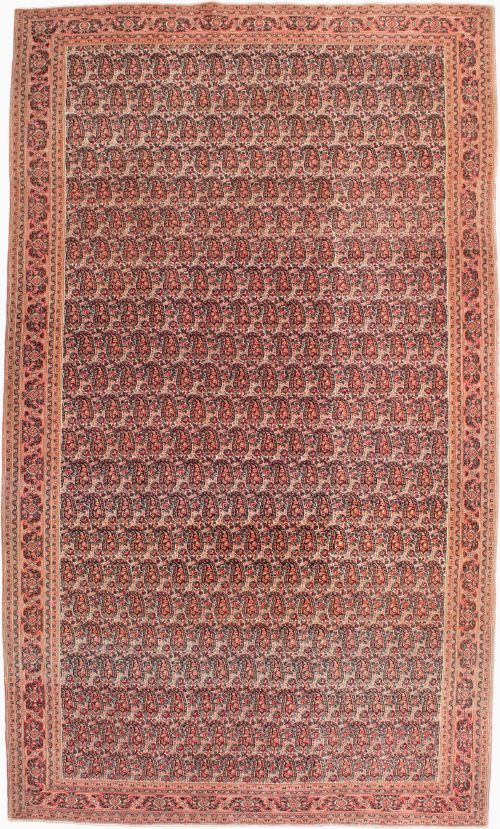
A fine wool knotted rug encompasses antique Persian, Caucasian and Chinese carpets dating from the mid-nineteenth century through the early twentieth century.
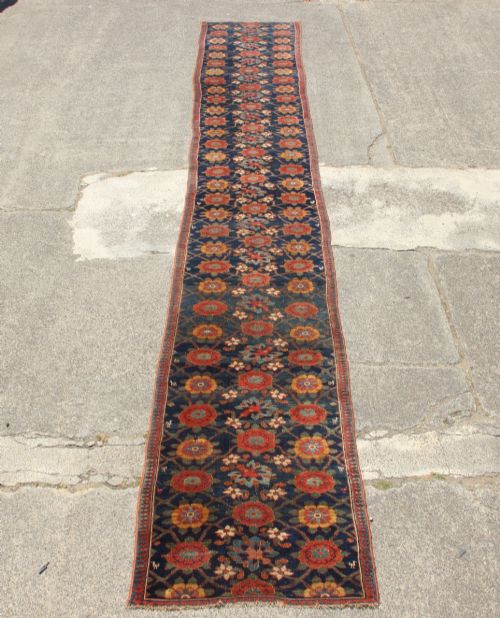
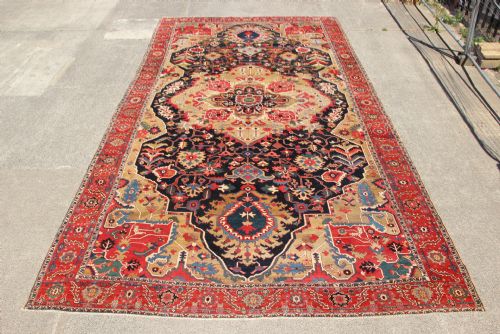
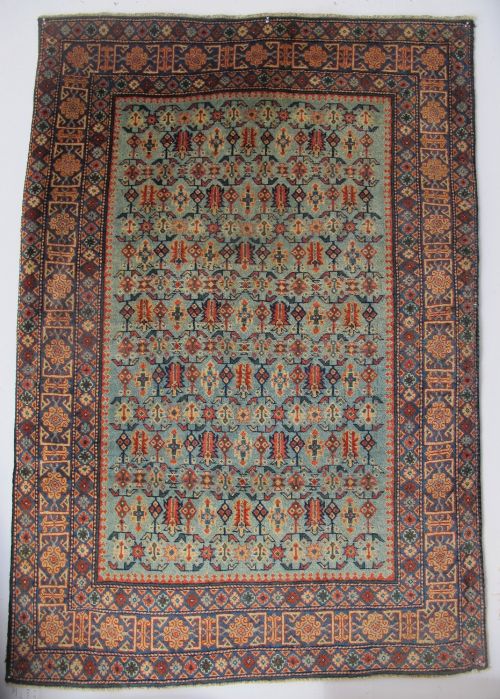
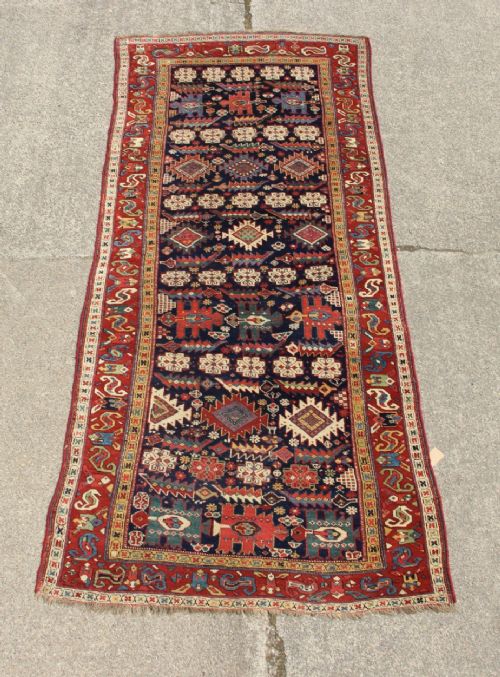
Buyers encounter formats ranging from hearth-sized squares and long runners to substantial room-sized carpets carrying medallion, floral vase and repeat geometric patterns.
Construction and materials
Weavers constructed these textiles primarily using hand-spun wool and lambswool knotted tightly onto cotton foundations, with occasional incorporation of silk.
Craftspeople utilised natural dyes to achieve deep indigo, madder and earthy tones that age with a characteristic softness over generations.
Some tribal weavers tucked small protective amulets directly into the wool knots.
Distinguishing finer examples
Knot density dictates the crispness of the design work, with tighter weaving allowing for intricate botanical and medallion detailing.
The choice of wool and the depth of the natural dye palette determine the lustre and tactile resilience of the pile.
Mohtasham Kashan
The Fine Wool Knotted Rug Glossary
- Medallion
- A central ornamental motif dominating the field of the rug. This design element often anchors symmetrical floral or geometric compositions.
- Pile
- The vertical tufts of wool that form the usable surface of the textile. Shorter, denser piles generally indicate finer workshop production.
- Runner
- A long, narrow carpet format designed for hallways or corridors. These pieces often feature repeating geometric or medallion sequences.
- Warp
- The foundational vertical threads stretched across the loom before knotting begins. Cotton is the standard material for these structural elements in Persian weaving.
- Weft
- The horizontal threads passed between warp rows to lock the knots in place. Beating the weft down firmly creates a dense, durable structure.
Fine Wool Knotted Rug: Frequently Asked Questions
How do I place a long runner rug?
Long runners suit narrow hallways, corridors or galley kitchens where linear floor space requires softening and visual warmth.
Ensure adequate clearance for doors to swing freely over the dense wool pile.
How do I identify a workshop carpet?
Workshop carpets display precise symmetry, complex curvilinear floral motifs and extremely fine knot counts executed by professional weavers.
These pieces typically originate from established weaving centres like Tabriz, Isfahan or Kashan.
What is a prayer rug used for?
Prayer rugs traditionally feature a distinct mihrab arch design pointing toward Mecca for devotional use.
Collectors appreciate these smaller formats for their intimate scale and detailed symbolic iconography.
How do I care for antique wool?
Vacuum gently without a rotating beater bar to protect the delicate hand-spun wool pile and fringed ends.
Professional specialist cleaning removes embedded grit safely without disturbing natural dye integrity.