


Fine English Porcelain
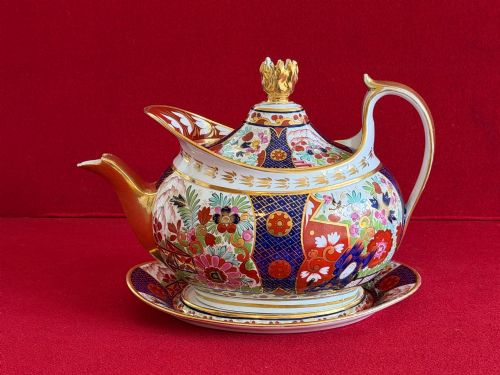
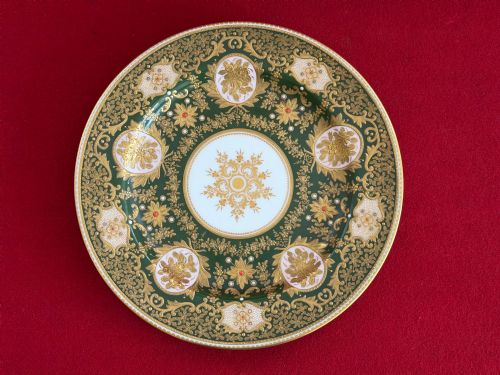
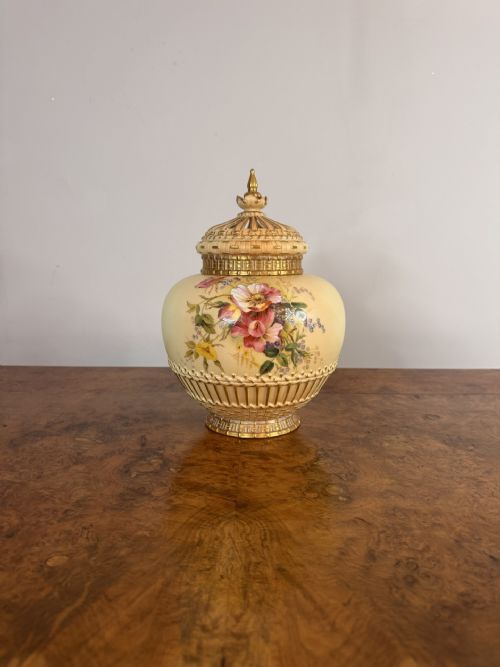
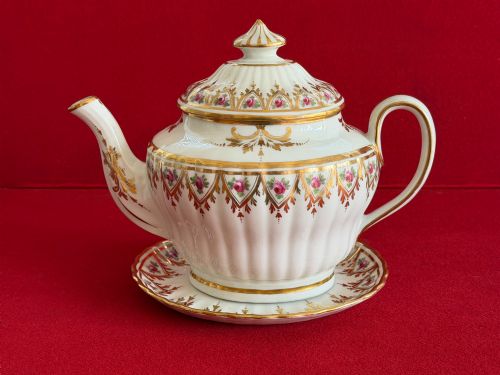
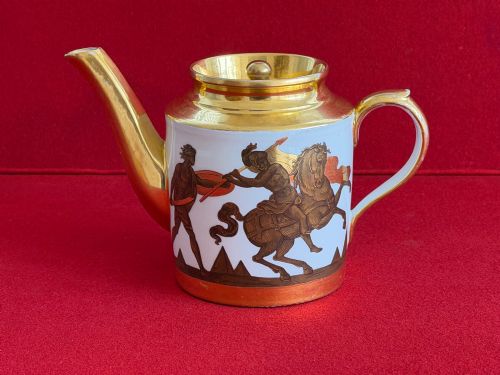
Fine English porcelain encompasses decorative plates, vases, and teapots created across Georgian, Regency, and Victorian periods.
Fine English Porcelain
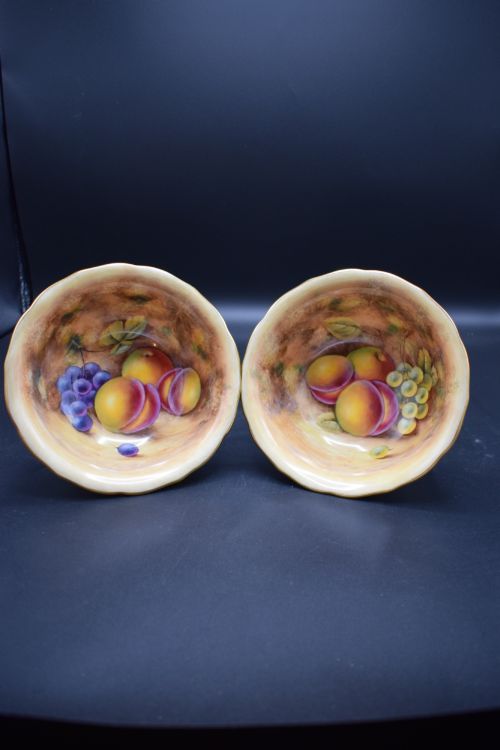
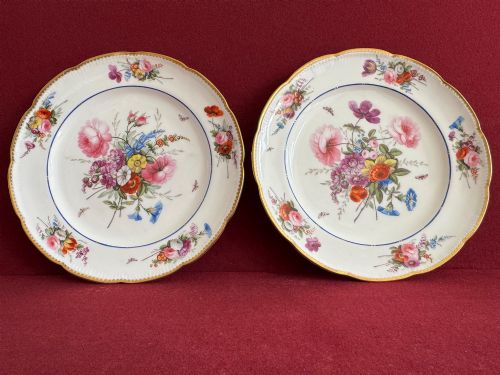
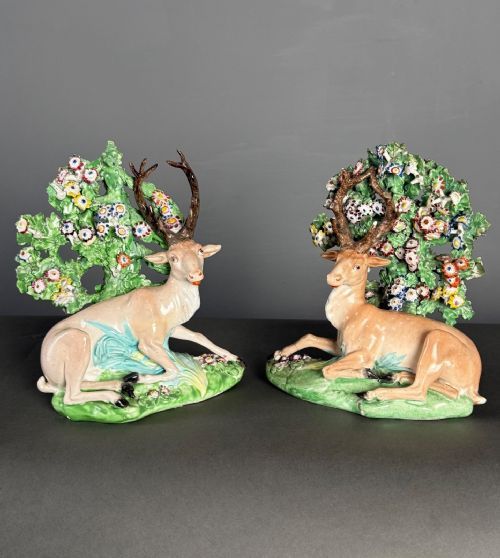
Fine English porcelain covers decorative objects from eighteenth-century and nineteenth-century factories. Collectors encounter items ranging from Dr Wall Worcester tableware to Royal Worcester painted fruit pieces.
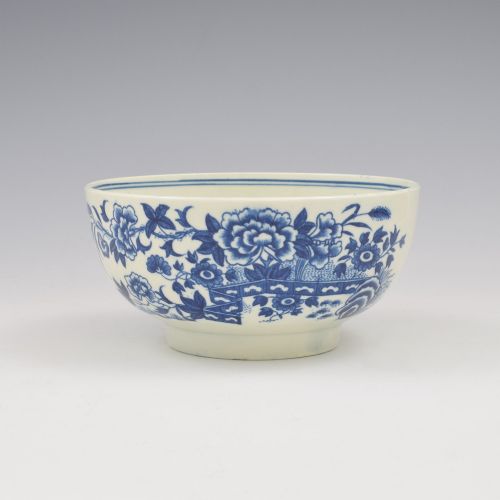
Makers utilised soft-paste porcelain, bone china, and hard-paste bodies to shape vessels and figures. Decoration spans transfer printing, armorial crests, and hand-painted botanical or landscape scenes.
How they were made
Factories formed objects using soft-paste porcelain or bone china, applying smooth glazes before kiln firing. Artisans then added hand-painted enamels, gilding, and gold leaf.
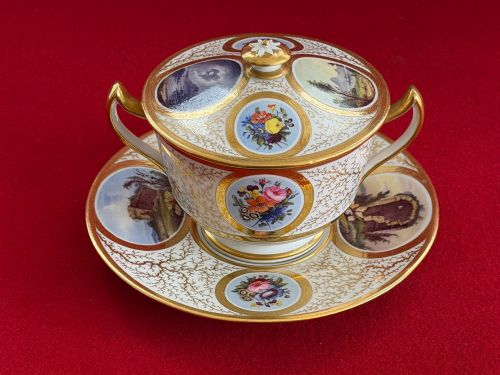
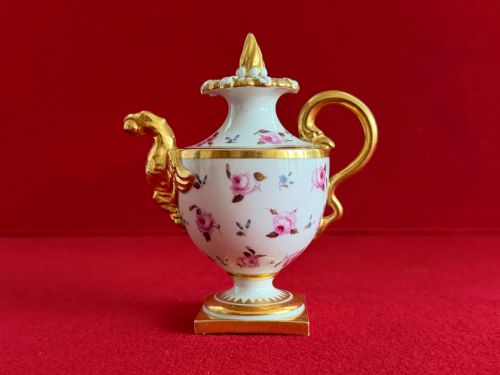
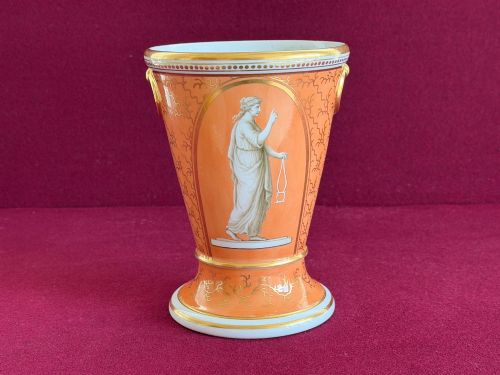
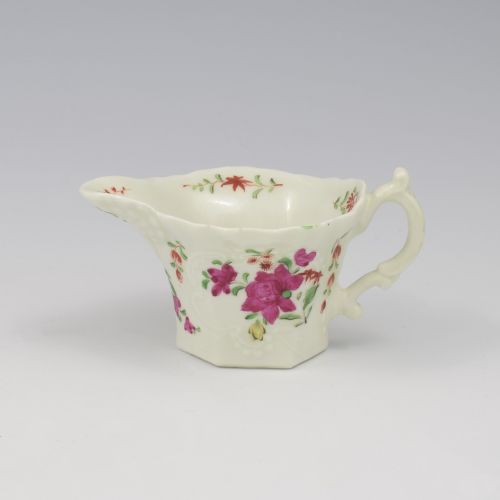
Writers and painters applied detailed botanical studies, armorial crests, and chinoiserie patterns onto plates, mugs, and vases. Gilders used gold leaf highlights to accentuate rims and handles.
Fine English Porcelain Retail Price Guide 2026
Typical asking prices for fine english porcelain among the pieces listed under this phrase on Sellingantiques today, from the lower quarter to the upper quarter. They describe what is for sale here now, not the wider market.
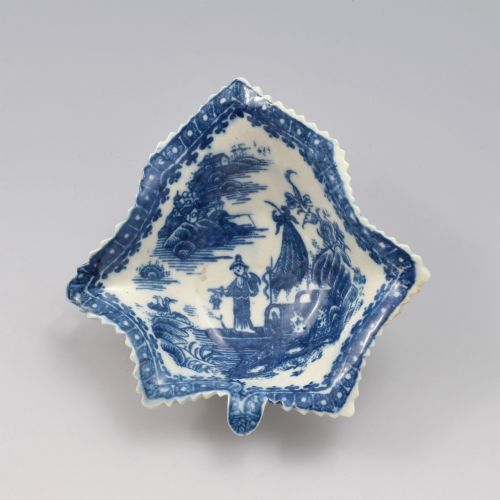
The documented forms include campana vases, rose water sprinklers, porter mugs, and leaf-shaped pickle dishes.
What varies in quality
Skill in hand-painting separates standard factory output from master decorator pieces. Items featuring detailed fruit, figures, or armorial crests by named artists command greater attention.
Preservation of original gilding and enamel colours alters the visual impact of plates and vases. Clean glazes and crisp moulding define the best examples.
John Rose Coalport·Flight Barr And Barr·Royal Crown Derby·Royal Worcester·Dr Wall Worcester
The Fine English Porcelain Glossary
- Bone china
- A type of porcelain incorporating bone ash into the paste, developed to create a whiter and stronger body. It became a staple of English ceramic production in the nineteenth century.
- Soft-paste porcelain
- An artificial porcelain body fired at lower temperatures than hard-paste, producing a warm translucent glaze. Eighteenth-century factories relied heavily on this formulation.
- Gilding
- The application of gold leaf or gold paint to ceramic surfaces for decoration. Artisans used this technique to highlight rims, handles, and borders.
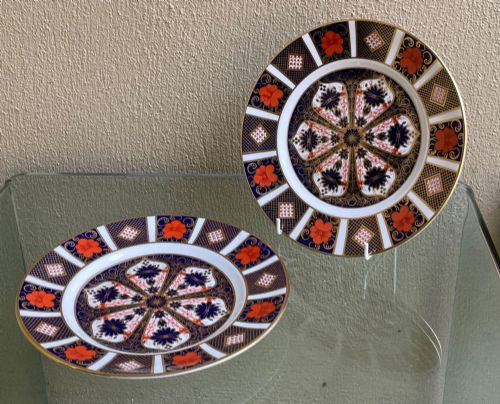
- Imari
- A decorative style featuring rich underglaze blue and iron-red enamel, often accented with gold. Victorian and later factories produced various iterations of this palette.
- Armorial
- A ceramic design featuring a family coat of arms or crest. These bespoke commissions were painted for landed families during the Georgian period.
Fine English Porcelain: Frequently Asked Questions
How do I date early porcelain?
Examine factory marks, paste composition, and painting styles to determine the era of production. Eighteenth-century pieces often feature disguised numerals or crescent marks rather than printed stamps.
Compare the glaze texture and weight with documented examples from periods like the Georgian or Regency eras.
What is the difference between bone china and soft-paste?
Bone china includes bone ash in the mixture for added strength and whiteness. Soft-paste porcelain uses glass frit and white clay, creating a softer look under light.
Earlier eighteenth-century factories relied on soft-paste before bone china became dominant in the nineteenth century.
How should I display cabinet plates?
Use stable wall hangers or dedicated display stands designed specifically for shallow ceramics. Position plates away from direct sunlight to protect enamel colours and gilding.
Keep pieces in stable indoor environments without extreme temperature fluctuations.
Are painted fruit plates later creations?
Hand-painted fruit plates appear across Victorian, Edwardian, and twentieth-century production. Artists working for factories like Royal Worcester specialised in botanical and fruit studies.
Signatures on the front or back often identify the specific artist who painted the scene.