

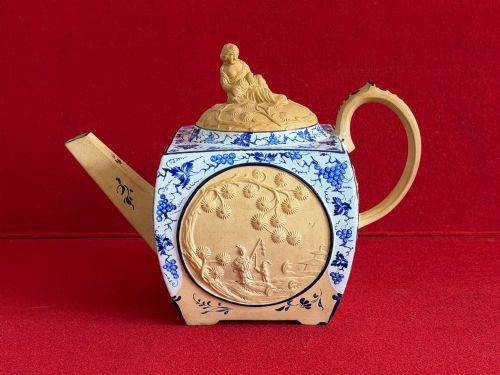
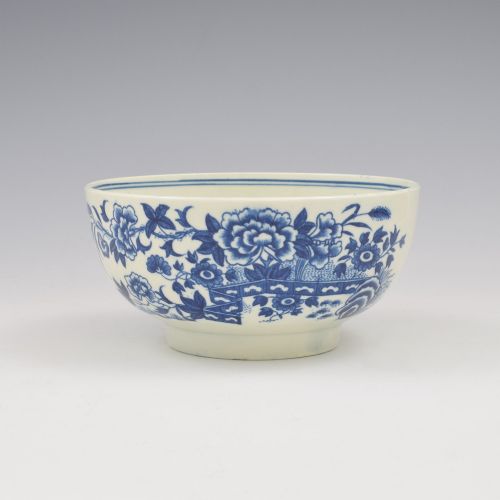
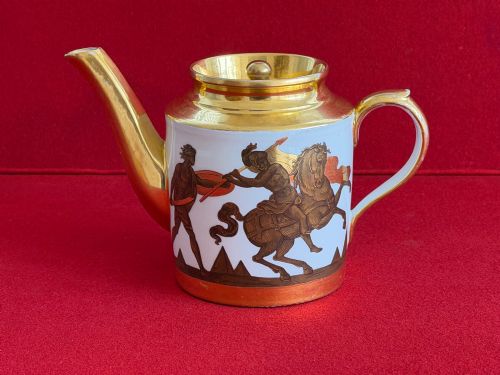
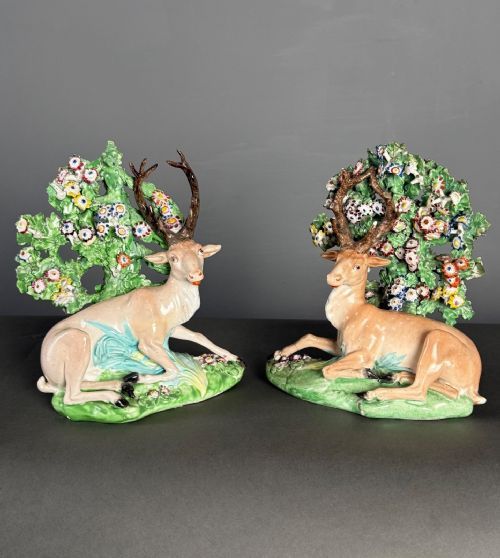


Fine English Ceramics
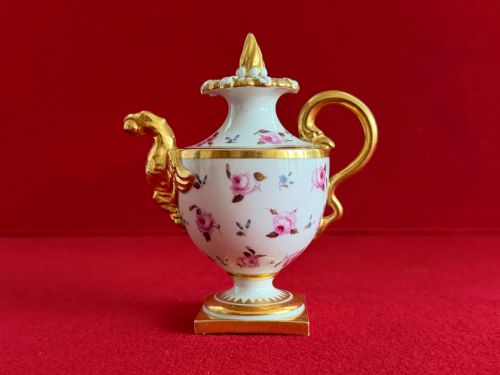
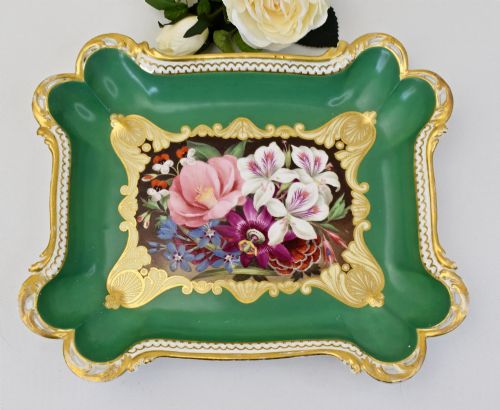
Fine english ceramics bring together centuries of painted porcelain, glazed earthenware and sculptural pottery from historic domestic manufactories.
Fine English Ceramics
Fine english ceramics encompass functional vessels and decorative objects created across the eighteenth, nineteenth and early twentieth centuries.
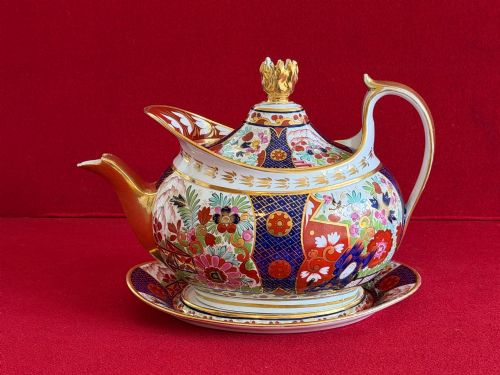
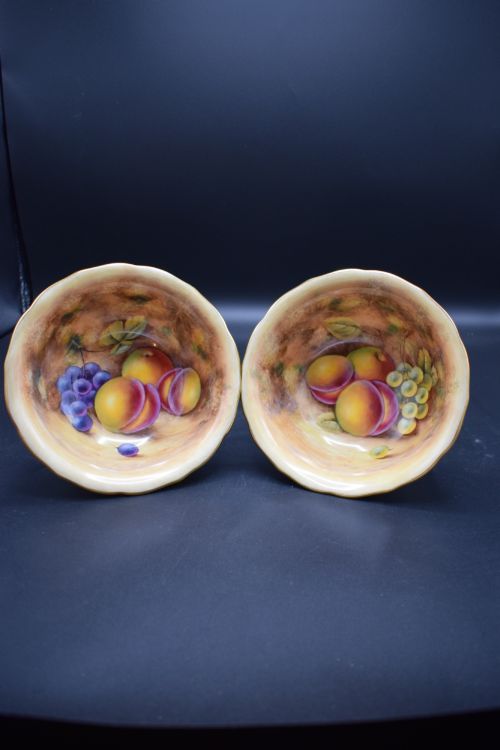
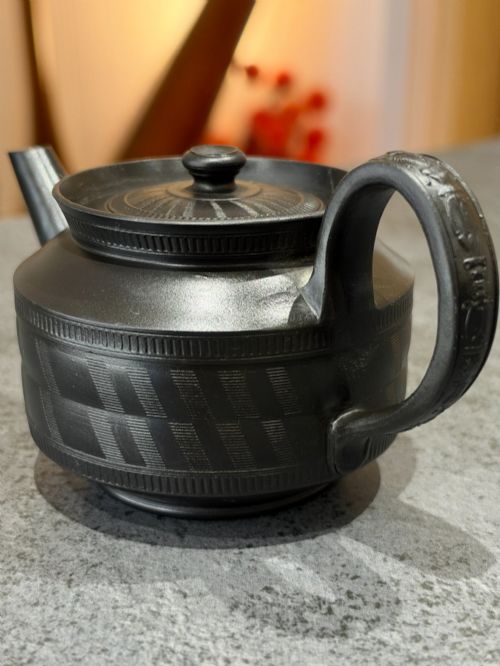
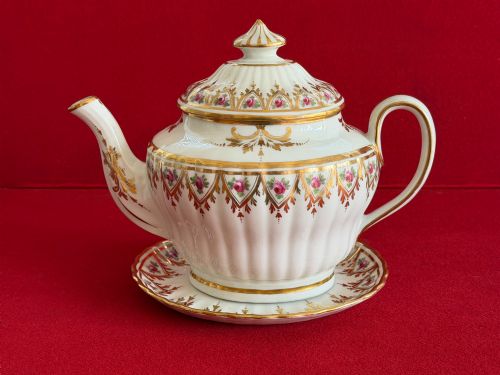
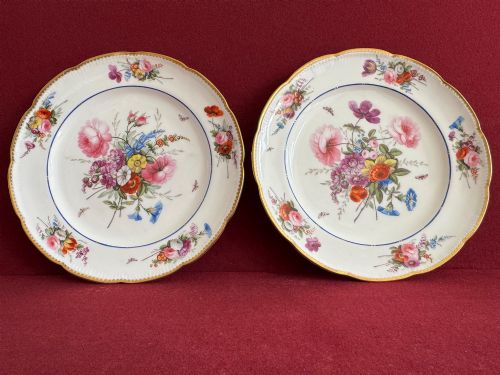
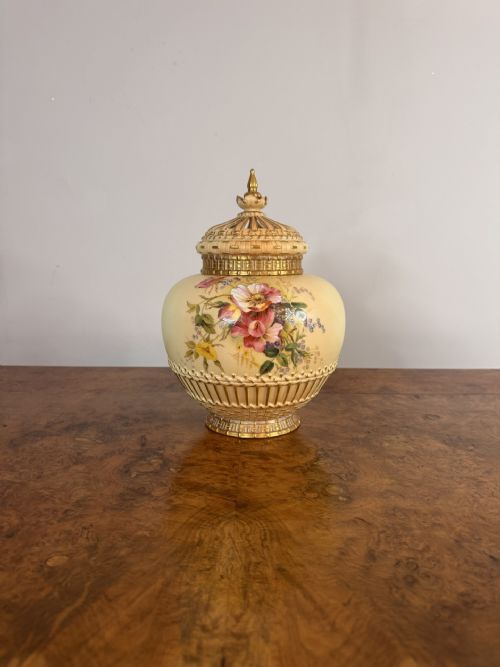
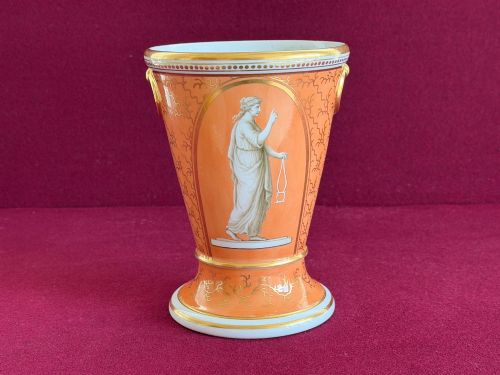
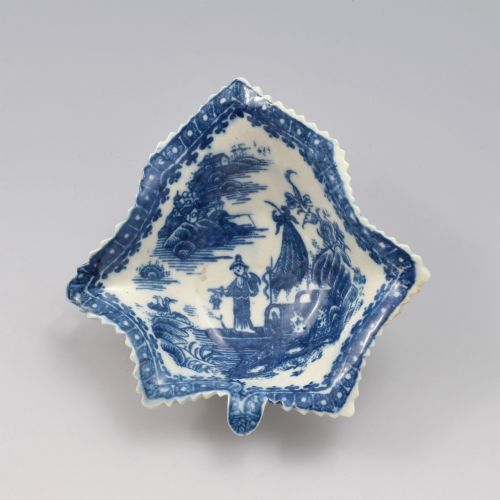
Buyers searching this phrase encounter teapots, cabinet plates, jardinieres and porcelain figures spanning Georgian, Regency and Victorian eras.
Many examples originate from renowned factories in Worcester, Derby and Staffordshire, utilising traditional potting methods.
Materials and manufacture
Makers utilised soft-paste porcelain, bone china, and refined earthenware bodies shaped by hand or moulded in metal and plaster matrices.
Vessels received fluid glazes, enamel pigments, and accents of gold leaf or gilding before undergoing high-temperature kiln firing.
Fine English Ceramics Retail Price Guide 2026
Typical asking prices for fine english ceramics among the pieces listed under this phrase on Sellingantiques today, from the lower quarter to the upper quarter. They describe what is for sale here now, not the wider market.
Listings feature Georgian, Victorian and early twentieth-century wares created from porcelain, bone china, enamel and glazed earthenware.
Assessing craftsmanship and execution
Superior pieces display crisp moulding, balanced proportions, and careful hand-painted details executed by skilled studio artists.
Control over kiln temperatures and glaze consistency dictates the clarity of transfer-printed patterns and the depth of enamel colours.
John Rose Coalport·Flight and Barr Worcester·Royal Crown Derby·Royal Worcester·Doulton Lambeth
The Fine English Ceramics Glossary
- Soft-paste porcelain
- An artificial ceramic body composed of white clay, glass frit, and ground minerals fired at lower temperatures than hard-paste porcelain.
- Bone china
- A durable ceramic paste incorporating animal bone ash, resulting in a milky translucency and strength.
- Caneware
- A fine stoneware body developed in the late eighteenth century with a warm buff or yellowish tone resembling bamboo.
- Campana vase
- A bell-shaped vessel with a flared rim and foot, popular during the Regency and Victorian periods for decorative display.
- Armorial
- A ceramic decorated with painted or gilt family coats of arms or crests, commissioned for aristocratic households.
Fine English Ceramics: Frequently Asked Questions
How do I care for antique porcelain?
Wash delicate pieces by hand in warm water using mild soap, avoiding abrasive sponges or soaking.
Keep them away from direct sunlight and sudden temperature shifts to protect the glaze and gilding.
What is the difference between porcelain and pottery?
Porcelain is vitrified, non-porous and often translucent, fired at high temperatures to fuse the body and glaze.
Pottery uses earthenware or stoneware clays that remain porous unless covered with an impermeable vitreous glaze.
How can I date my ceramic piece?
Examine the factory marks stamped, painted or impressed on the base alongside the stylistic conventions of the form.
Changes in paste composition and decorative palettes also help narrow down the decade of production.
Where were these pieces displayed historically?
Cabinet plates and decorative vases sat on open shelves, mantelpieces or dedicated pier tables in formal drawing rooms.
Teapots, jugs and dessert services were brought out during dining and social gatherings to demonstrate hospitality.