

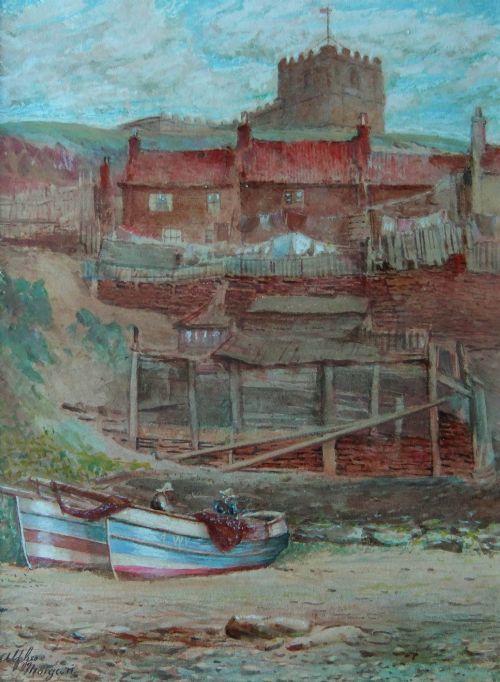
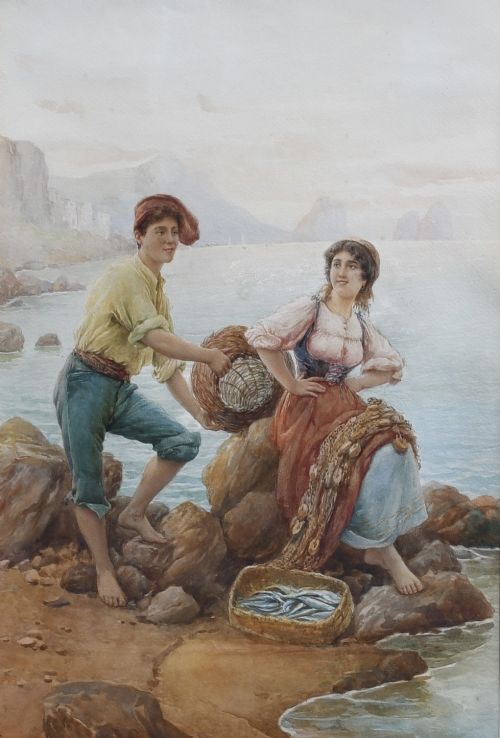
Fine Art Watercolour
Fine art watercolour captures landscapes, portraits, and still lifes on paper through fluid pigments, offering intimate glimpses into historical moments and natural scenes.
Fine Art Watercolour
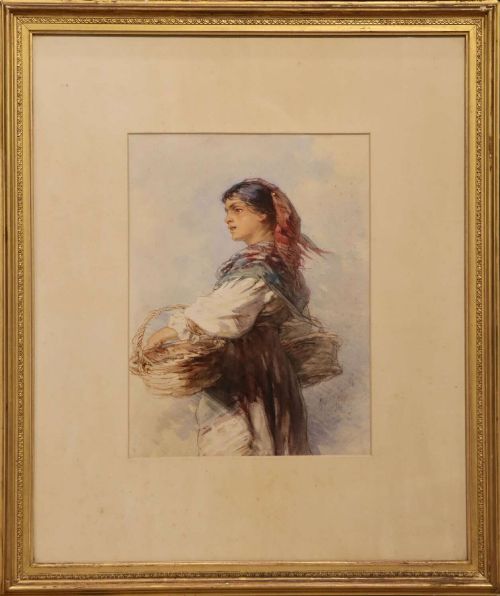
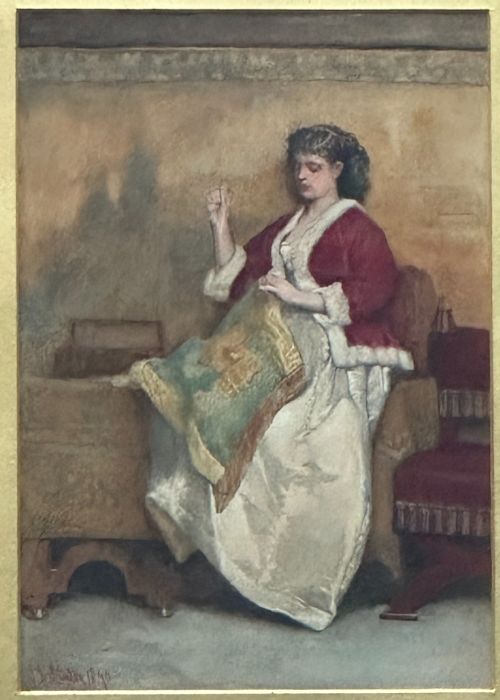
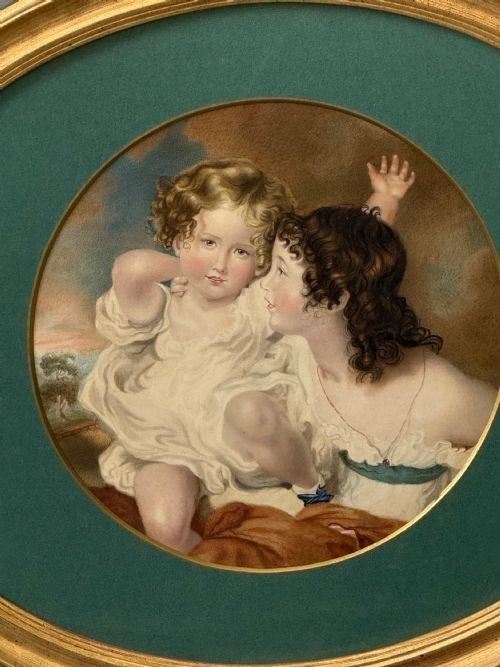
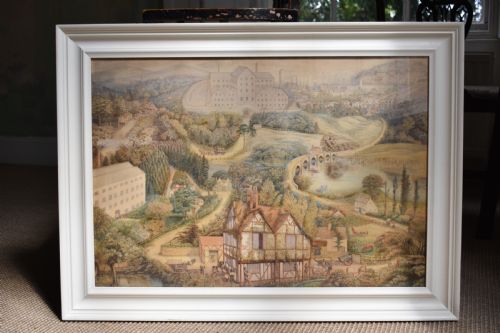
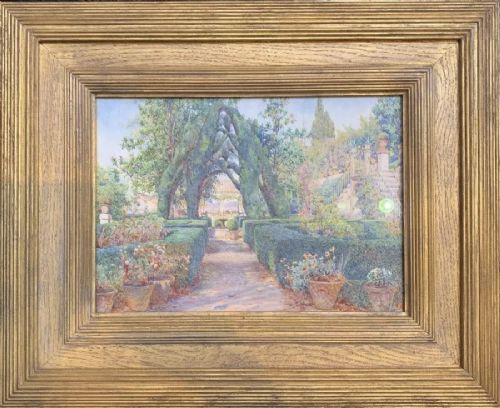
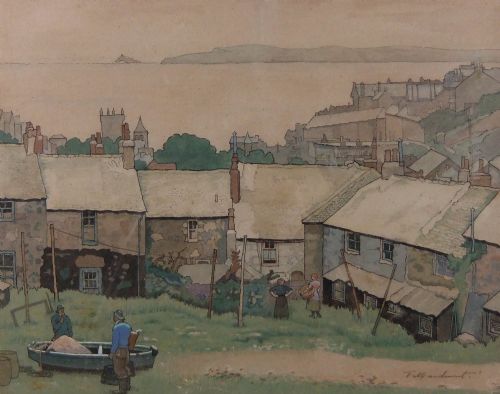
When searching for fine art watercolour, collectors encounter works spanning the Regency, Victorian, and Edwardian eras up to the mid-century period. These paintings encompass framed artworks, landscape scenes, coastal views, and detailed portrait miniatures.
Most examples date from the nineteenth and early twentieth centuries, presented in period frames of wood, gilt, or glass. Buyers find both expansive topographical scenes and delicate, small-scale miniature paintings.
How they were made
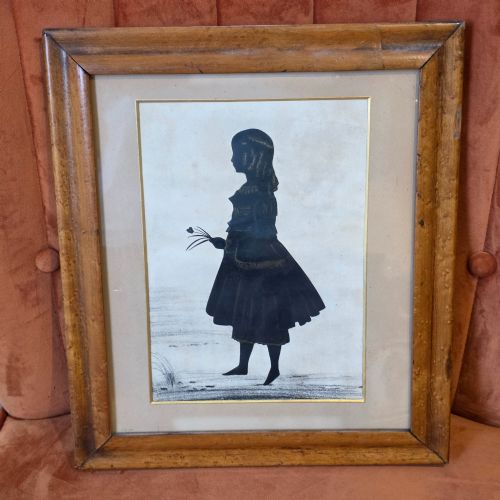
Artisans applied watercolour pigment onto prepared paper, occasionally combining it with bodycolour or gouache to build opacity and texture. Some early works incorporate cut-paper silhouette elements mounted within traditional frames.
Framing materials typically involve wood and gilt wood, protecting the delicate paper supports beneath glass. Miniature portraits often utilise specialised ivory or vellum substitutes alongside protective glass coverings.
Fine Art Watercolour Retail Price Guide 2026
Typical asking prices for fine art watercolour among the pieces listed under this phrase on Sellingantiques today, from the lower quarter to the upper quarter. They describe what is for sale here now, not the wider market.
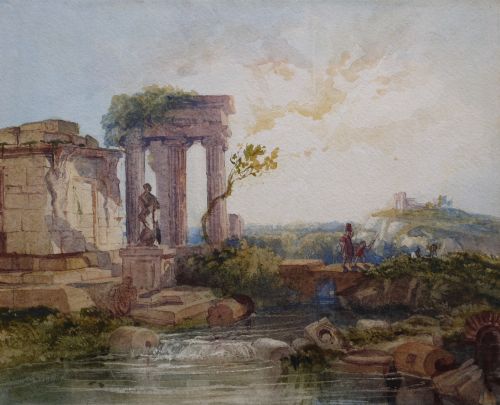
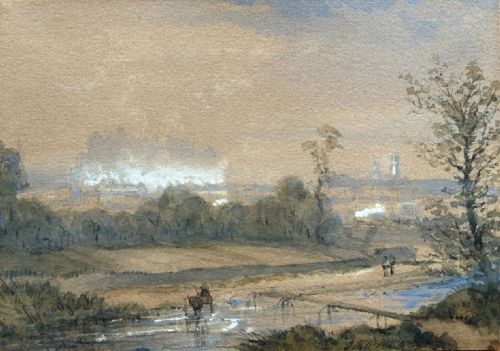
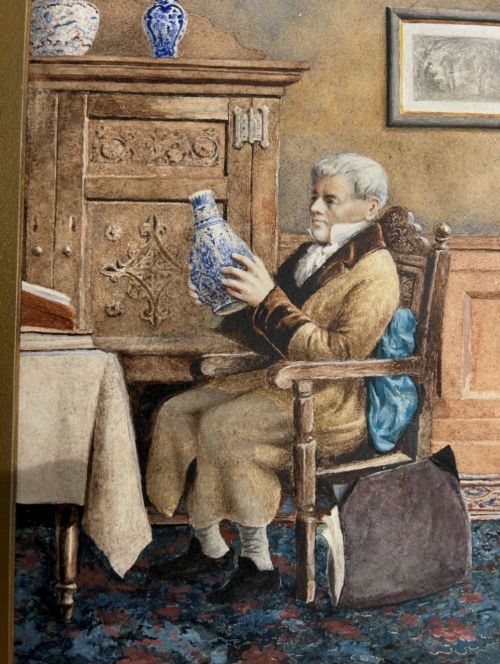
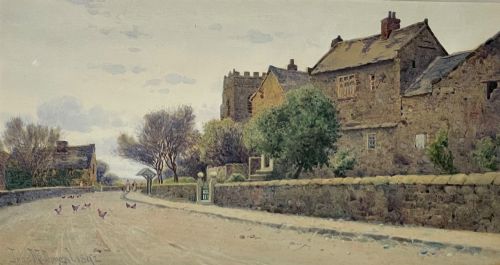
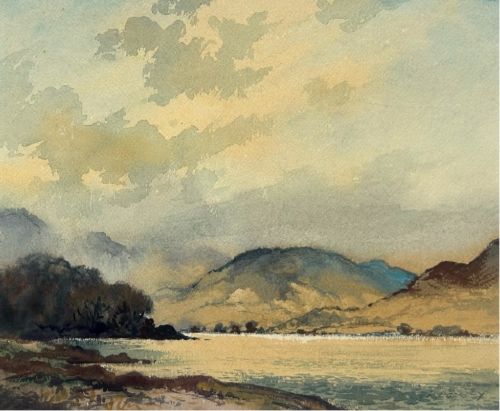
Gentlemen examining blue vases and cheeky terriers share the paper with grand architectural ruins.
What varies in quality
Quality separates through the subtlety of pigment handling, the precision of brushwork, and the preservation of the paper surface over time. Master works display a confident command of light and atmosphere, whereas lesser examples rely on formulaic execution.
The integrity of the original frame and the clarity of the signature or provenance documentation further distinguish superior examples from standard decorative pieces.
Sir James Dromgole Linton·Ernest Arthur Rowe·Robert George Talbot Kelly·William Naish·Frederick Buck
The Fine Art Watercolour Glossary
- Watercolour pigment
- The finely ground colour particles suspended in a water-soluble binder used by artists to create transparent washes on paper.
- Gouache
- An opaque water-based paint often utilised alongside watercolour pigment to introduce highlights and solid areas of colour.
- Gilt wood
- Wood framing treated with a thin layer of gold leaf or metallic gilding, commonly seen on nineteenth-century picture frames.
- Portrait miniature
- A small, highly detailed painting, typically executed on a delicate support and housed in a protective case or frame.
- Grisaille
- A painting executed entirely in shades of grey or neutral monochrome to emulate the appearance of relief sculpture.
Fine Art Watercolour: Frequently Asked Questions
How should I display fine art watercolour?
Keep watercolours away from direct sunlight to prevent the pigments from fading over time. Maintaining stable indoor humidity levels also protects the paper and the original frame.
Hang pieces on interior walls where environmental conditions remain consistent. Ensure the protective glass stays clean without using harsh liquid cleaners near the paper edges.
What periods do these watercolours cover?
The available selection primarily spans the nineteenth century, including Regency and Victorian examples. You will also find Edwardian pieces and early twentieth-century works up to the mid-century period.
Earlier Georgian items and portrait miniatures extend the timeline back into the eighteenth century. Each era brings distinct paper types, framing styles, and subject matter preferences.
Are these watercolours original works?
The listings feature hand-painted original artworks created directly by artists rather than modern reproductions. Many pieces bear artist signatures, dates, or historical attribution notes.
Archival records and stylistic markers help confirm the period of creation. Buyers find both signed masterworks and accomplished pieces from recognised regional schools.
What subjects are most common?
Landscapes and coastal views form a significant portion of the available paintings, capturing scenes across Britain and continental Europe. Botanical studies and rural village life also appear frequently.
Portrait miniatures and figurative compositions offer a more personal view of historical subjects. Still life arrangements featuring birds or flowers provide additional variety.