



Figured Wood Side Tables
Figured wood side tables bring distinct grain patterns and period proportions into a room, offering both surface utility and decorative presence.
Figured Wood Side Tables
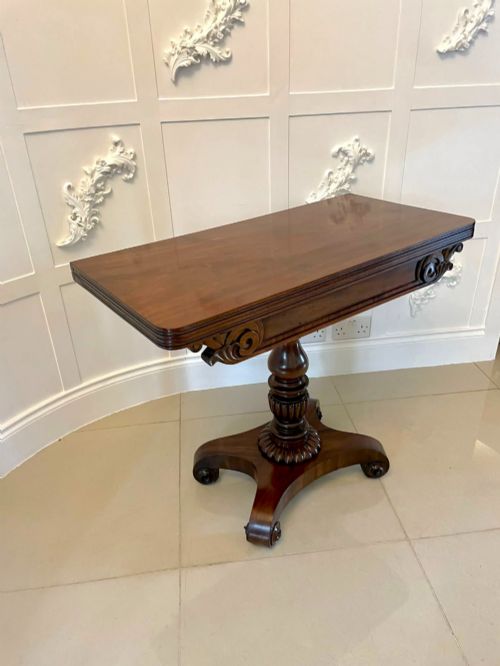
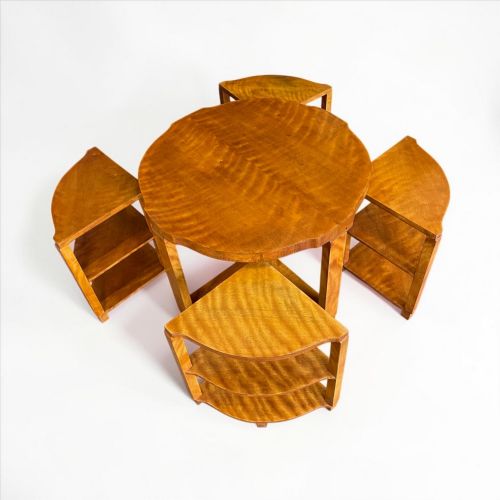
When you search for figured wood side tables, you encounter an array of forms spanning the eighteenth century through to the twentieth century. These pieces encompass side tables, console tables, sofa tables, coffee tables, and nests of tables designed for domestic use.
Judging quality in figured timber
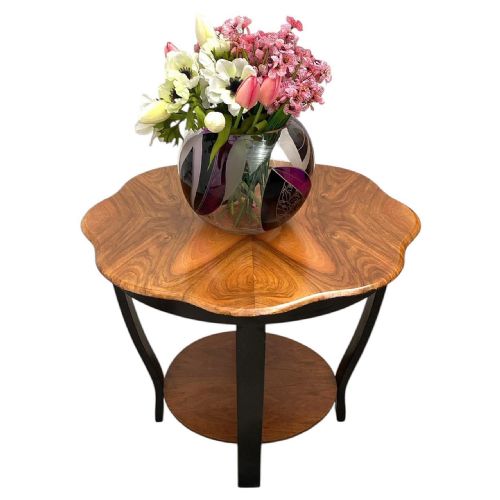
Quality rests primarily on the visual impact and natural symmetry of the timber grain across the primary surfaces. Finer examples display lively, uninterrupted patterns that have been carefully matched and balanced by the maker.
The integrity of the construction, the crispness of any carved or applied brass mounts, and the preservation of the original timber surfaces distinguish superior pieces from standard workshop output.
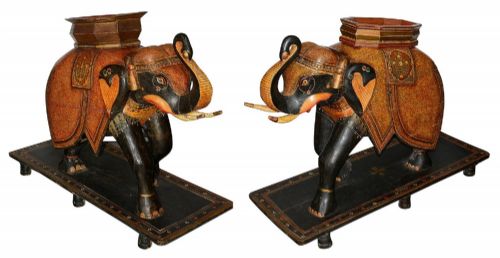
Among the timber tables wait Kashmiri lacquer elephants and Venetian figures, standing ready to hold anything except a cup of tea.
Heal's
The Figured Wood Side Tables Glossary
- Figured wood
- Timber exhibiting an attractive, non-uniform grain pattern caused by unusual growth formations. This figure is prized for its decorative visual depth on table tops.
- Console table
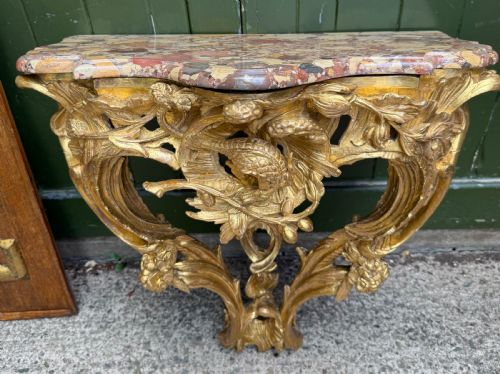
- A table designed to stand against a wall, frequently supported by wall brackets or front legs. These pieces often feature decorative tops in marble or figured timber.
- Sofa table
- A rectangular occasional table traditionally placed in front of or beside a sofa, usually featuring drop leaves at either end. They often incorporate two small drawers.
- Demi-lune
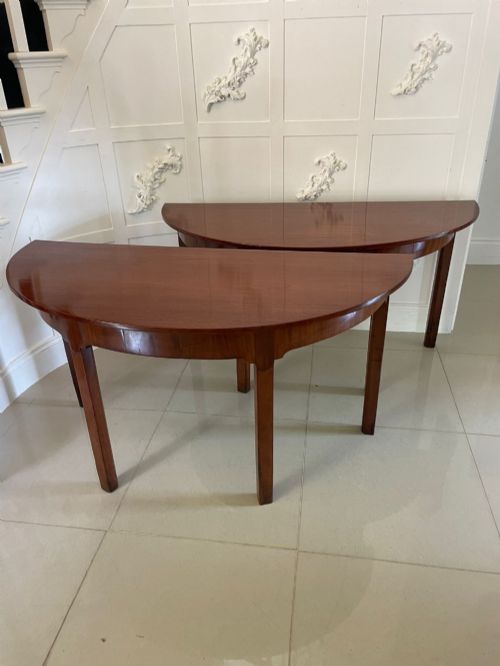
- A half-moon shape characteristic of certain console and side tables designed to fit flat against a wall. George III examples often employ this curved format.
- Lowboy
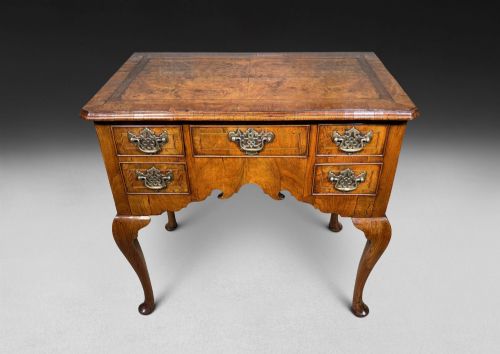
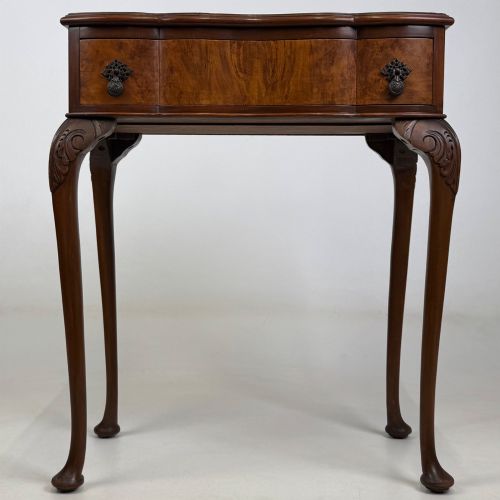
- A small seventeenth or eighteenth-century dressing table or side table with one or more rows of drawers beneath the flat top. They typically stand on slender cabriole or straight legs.
Figured Wood Side Tables: Frequently Asked Questions
What is a sofa table used for?
Sofa tables were originally manufactured to sit behind a sofa or in the centre of a room, providing a convenient surface for writing or holding small items. Their drop leaves allowed them to expand when extra space was required.
In modern interiors, they function well as slim desks, hallway tables, or freestanding console surfaces behind low seating arrangements.
How do I identify an Art Deco side table?
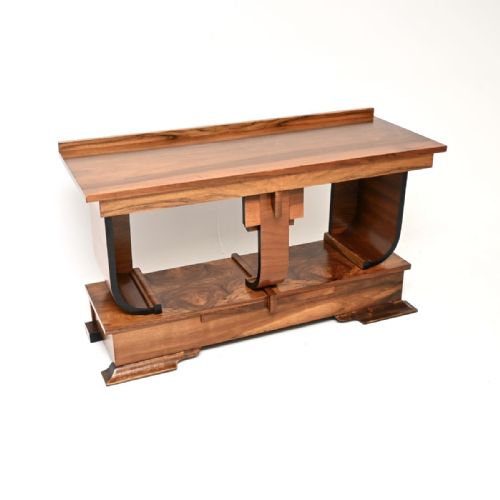
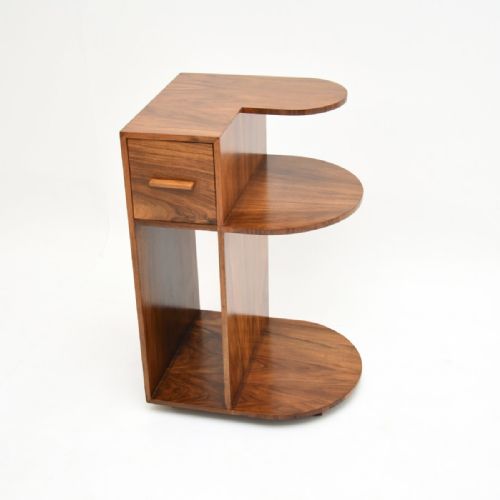
Art Deco side tables typically date from around 1930 and display streamlined geometries, smooth curves, and highly figured walnut veneers. They often omit traditional carved ornamentation in favour of clean architectural silhouettes.
Many examples from this period utilise stepped designs or tiered structures, such as coffee tables and nests of tables.
What distinguishes a console table from a side table?
Console tables are historically designed to stand directly against a wall, sometimes requiring fastening for stability because of their leg configuration. They frequently serve a purely decorative function in entrance halls or reception rooms.
Standard side tables are generally freestanding structures intended to be moved about a room and accessed from multiple sides.
How should I care for figured walnut surfaces?
Figured walnut requires protection from direct sunlight and extreme humidity changes to prevent timber movement and veneer lifting. Regular dusting with a soft, dry cloth maintains the finish without risk of chemical buildup.
Applying a traditional beeswax polish periodically helps nourish the timber and preserve the chatoyancy of the grain.