






Figural Ceramic Vase
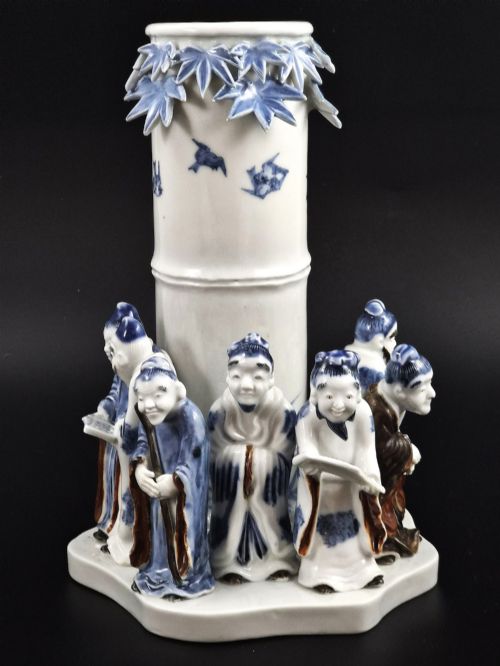
A figural ceramic vase brings sculpted human or animal forms directly into your interior, combining classical storytelling with practical display.
Figural Ceramic Vase
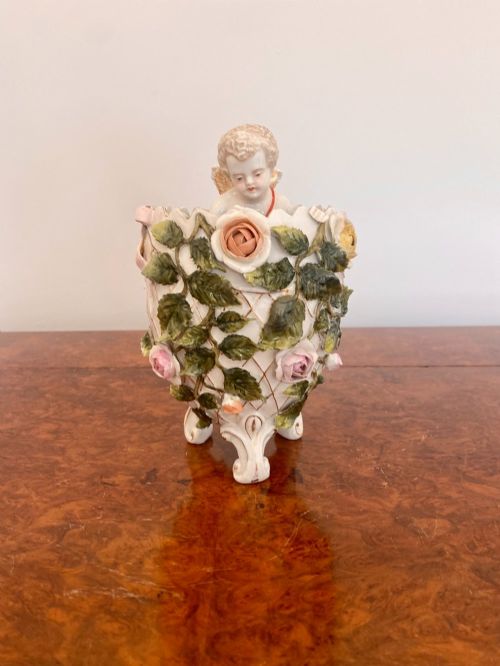
When you search for a figural ceramic vase, you enter a diverse realm where traditional vessel forms merge with sculptural portraiture and narrative figures. The listings here span from the late nineteenth century through to the early decades of the twentieth century, bringing together European works and East Asian exports.
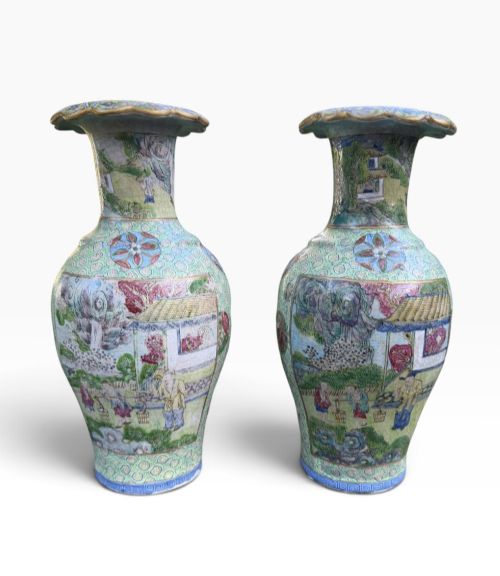
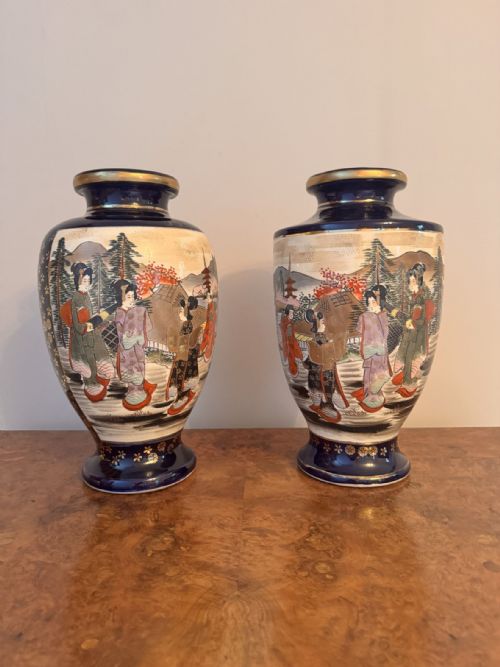
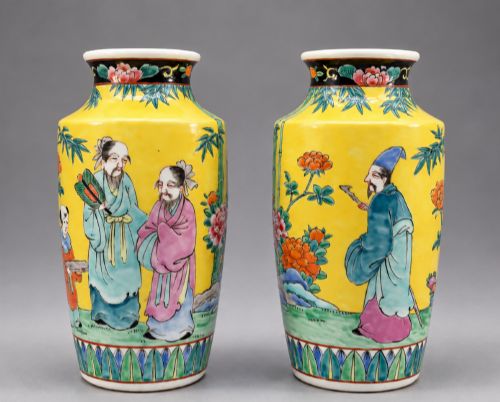
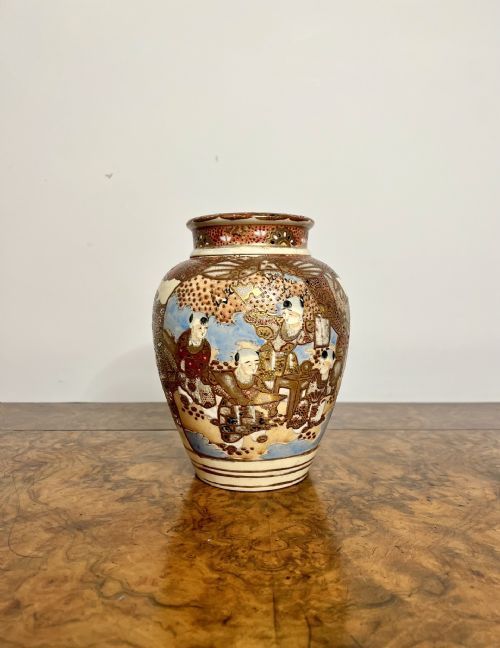
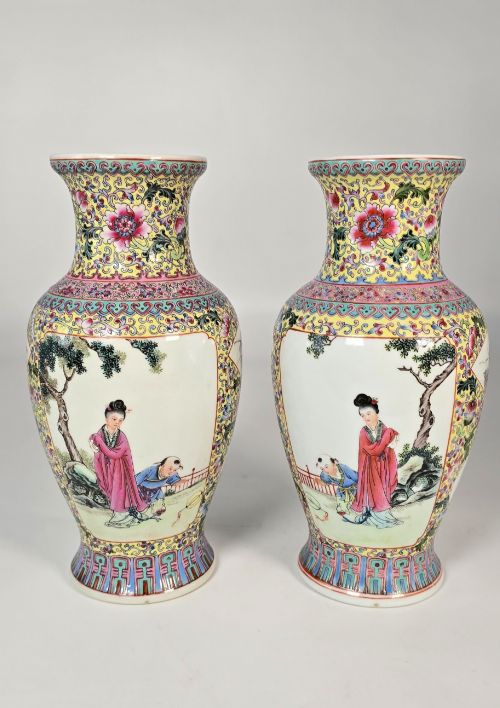
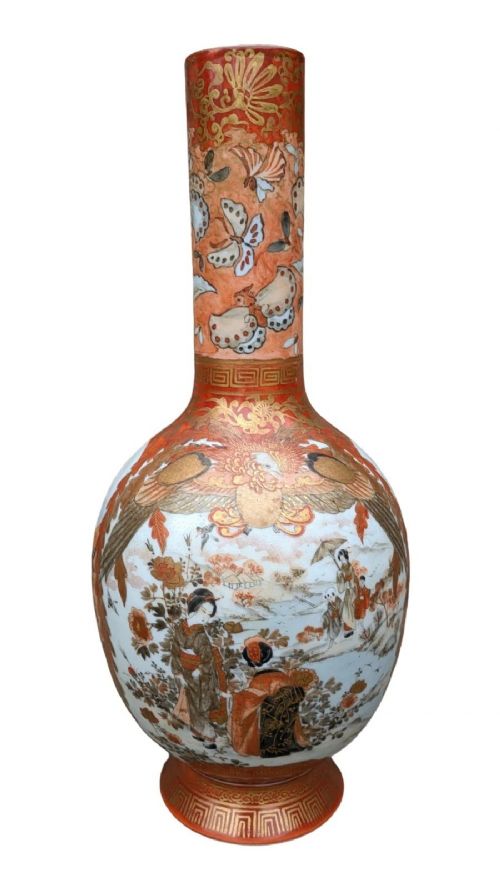
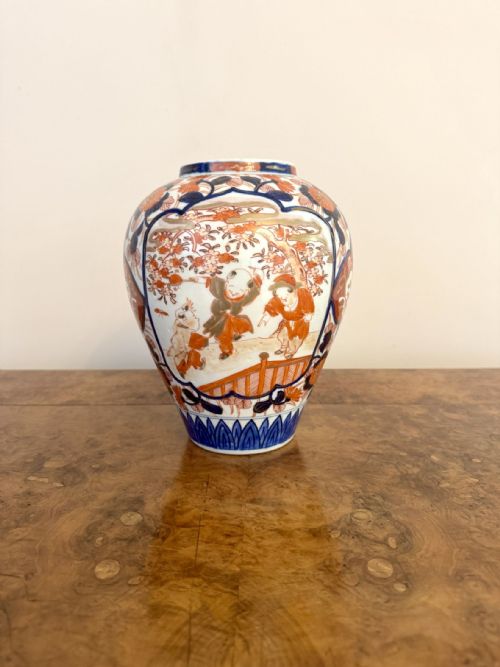
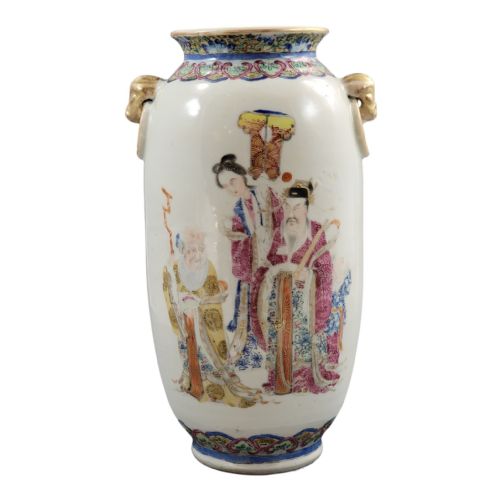
You will encounter pieces taking the shape of ginger jars, baluster vases, and spill vases, alongside more unconventional formats like brush pots and figural lamp conversions. Japanese Satsuma ware and Chinese famille rose ceramics dominate the selection, often depicting scholars, sages, and traditional processions.
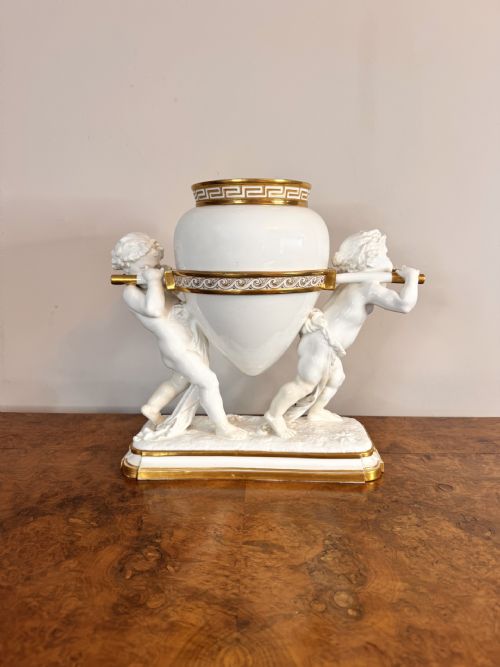
European makers contribute Delft tin-glazed earthenwares, majolica, and bisque porcelain figures that double as vessels. Whether domestic British and continental output or Meiji period Japanese craftsmanship, each object holds a physical narrative formed in clay.
How they were made
Potters built these vessels using porcelain, earthenware, and stoneware bodies, shaping them either on the wheel or through complex press-moulding techniques. Applied elements such as lion handles, moriage relief details, and raised figural limbs required meticulous hand-modelling before the initial biscuit firing.
Makers applied enamels, cobalt blue underglazes, and manganese paints by hand before sealing the surface with clear or coloured glazes. Many high-relief and decorative examples received supplementary layers of gold leaf and gilt work during subsequent low-temperature kilns.
Figural Ceramic Vase Retail Price Guide 2026
Typical asking prices for figural ceramic vase among the pieces listed under this phrase on Sellingantiques today, from the lower quarter to the upper quarter. They describe what is for sale here now, not the wider market.
Listings feature nineteen-century porcelain, earthenware, and stoneware vessels ornamented with gold leaf, gilt, and enamel.
What varies in quality
The application of surface enrichment, from delicate moriage beadwork to restrained gilding, determines the refinement of the finished object. Heavy, muddy glaze pooling or careless enamel alignment typically points to mass-market commercial output rather than master workshops.
Kinkozan·Ernst Wahliss·Vion et Baury
The Figural Ceramic Vase Glossary
- Famille rose
- A palette of opaque enamels dominated by pink or rose colours, introduced to Chinese ceramics during the Qing dynasty. It allowed for delicate shading in depictions of figures and floral motifs.
- Moriage
- A decorative technique found on Japanese ceramics where slip is piped onto the surface in raised dots or lines before firing, creating a textured relief effect often highlighted with gold.
- Bisque porcelain
- Unglazed white porcelain that has been fired once, valued for its matte finish and the sharp, marble-like detail it permits in figurative sculptures and vases.
- Baluster vase
- A vessel form characterised by a bulbous lower body that tapers towards a narrow neck, resembling the architectural baluster shape popular in European and Asian traditions.
- Toby jug
- A pottery jug or vase modelled in the form of a seated eighteenth-century person, usually depicted holding a mug of beer or a pipe.
Figural Ceramic Vase: Frequently Asked Questions
How were figural ceramic vases used historically?
These vessels served primarily as decorative interior ornaments on mantelpieces and side tables, sometimes holding dried botanicals or scholar's brushes.
Larger examples acted as statement focal points in formal reception rooms, reflecting the refined tastes of their Victorian and Edwardian owners.
Are these vases suitable for holding fresh flowers?
While many antique vessels remain water-tight, porous earthenware bodies and delicate overglaze enamels require careful handling during use.
Collectors often prefer to display them dry or utilise an internal glass liner to protect fragile interior surfaces from moisture.
How do I identify a Satsuma vase?
Satsuma wares feature a distinctive ivory-coloured, crackled earthenware glaze decorated with intricate enamel patterns and heavy gilding.
They frequently portray historical figures, deities, and courtly scenes originating from Japanese workshops active during the nineteenth century.
What is the difference between porcelain and earthenware?
Porcelain is fired at extremely high temperatures using fine china clay, resulting in a dense, vitrified body that rings when struck.
Earthenware utilises common clay fired at lower temperatures, producing a more porous, heavier structure that requires an opaque glaze for waterproofing.