






Female Dancer Sculpture
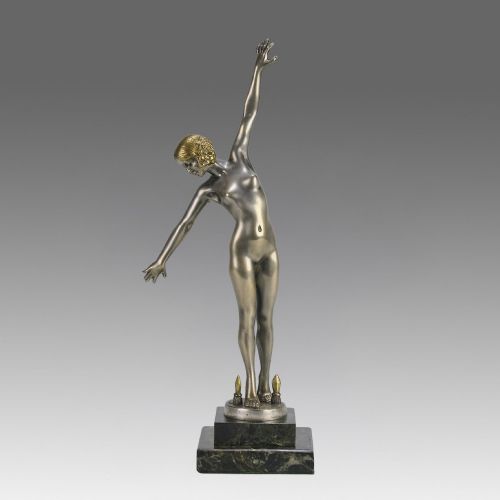
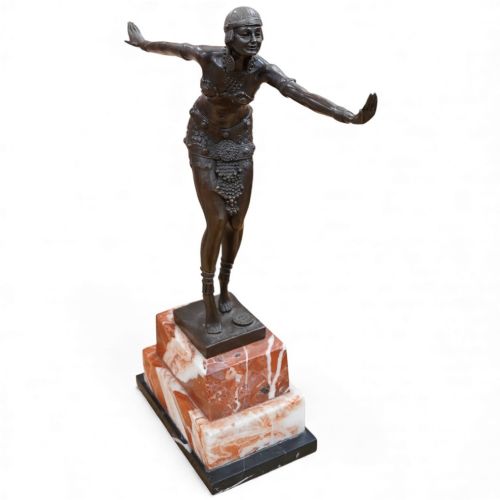
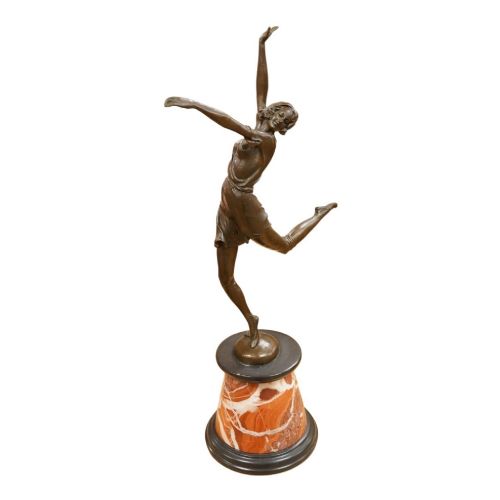
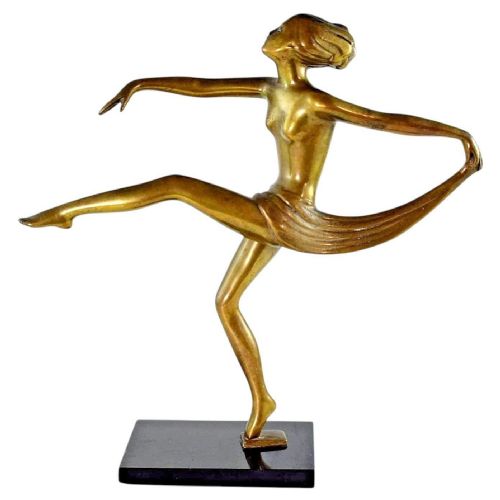
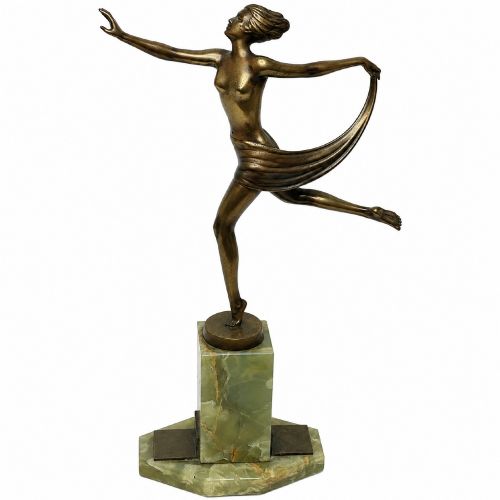
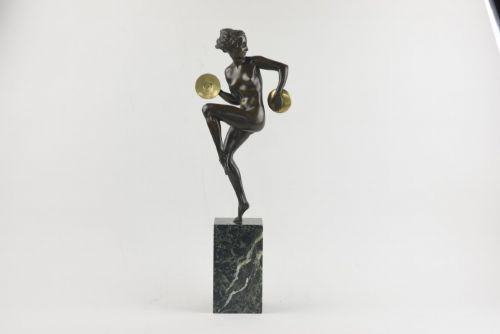
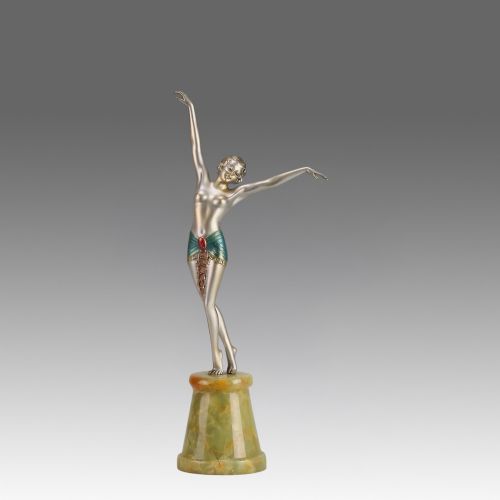
These bronze and spelter figures bring movement into a room, capturing the energy of the dance through the twentieth century.
Female Dancer Sculpture
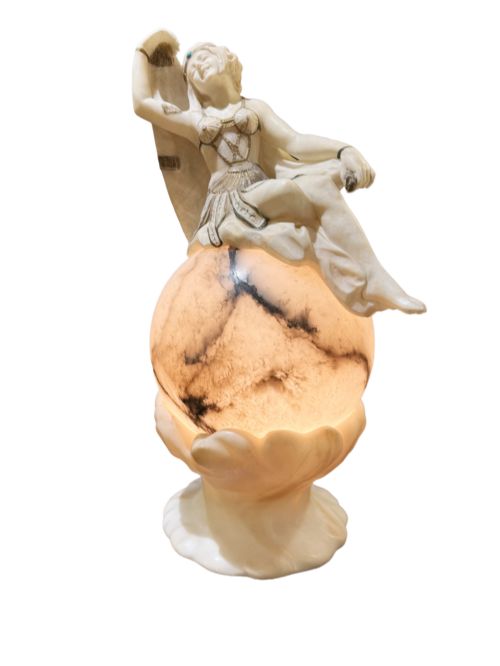
A female dancer sculpture captures a moment of performance in metal, stone, porcelain, or wood. Most examples date from the early twentieth century and embody the aesthetics of the Art Deco period.
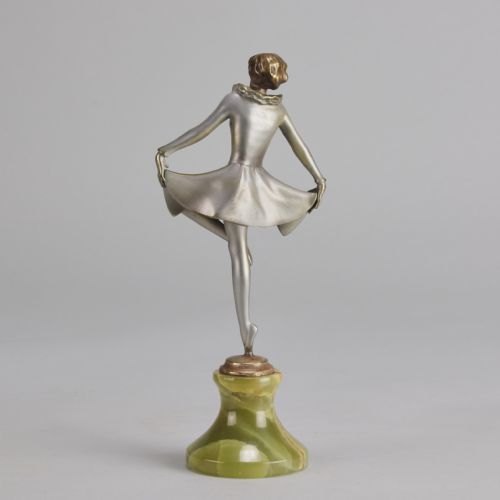
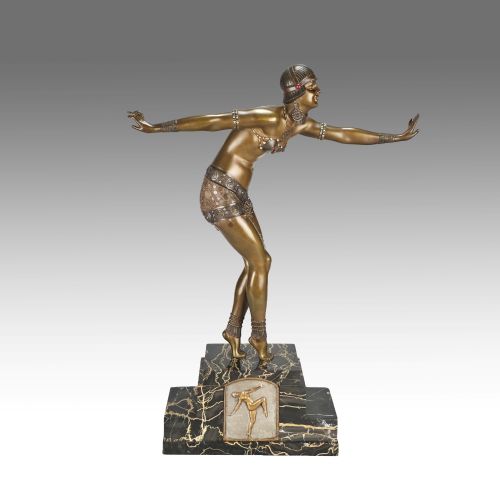
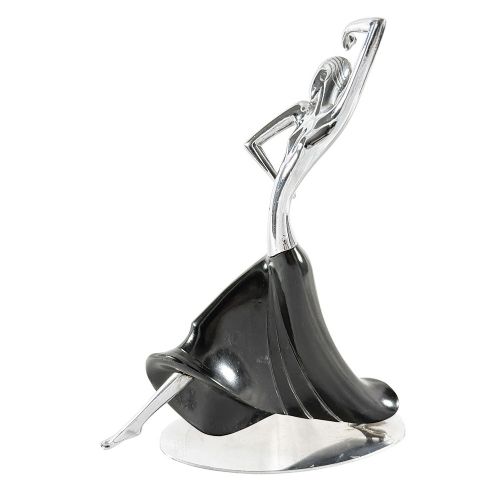
The figures range from energetic dancers caught mid-stride to poised ballerinas standing on marble bases. They represent global dance traditions, from Balinese performances to Western cabaret and classical ballet.
Collectors encounter works shaped by distinct stylistic movements including Art Nouveau, Neoclassical revivals, and Balinese Art Deco. The majority of pieces on this page stem from the 1920s and 1930s.
How they were made
Certain ambitious figures combine bronze with carved elements, utilising varied materials to distinguish flesh from fabric. Artisans also worked directly in wood, alabaster, and porcelain to produce individual dancing figures.
Female Dancer Sculpture Retail Price Guide 2026
Typical asking prices for female dancer sculpture among the pieces listed under this phrase on Sellingantiques today, from the lower quarter to the upper quarter. They describe what is for sale here now, not the wider market.
Several figures are caught mid-curtsy, frozen in bronze while maintaining their polite balance on heavy marble.
What varies in quality
The choice of base material and the weight of the supporting marble or onyx contribute to the overall substance of the work. Signed pieces associated with known sculptors carry distinct provenance that sets them apart from unsigned foundry editions.
Pierre le Faguays·Josef Lorenzl·Demetre Chiparus·Aurore Onu·C J R Colinet·Hagenauer·Theo Voss·Maurice Guiraud Riviere·Paul Philippe·Rene Andre Varnier·Paul de Boulogne
The Female Dancer Sculpture Glossary
- Spelter
- A zinc alloy frequently used as a cost-effective alternative to bronze in decorative figures. It accepts patination and paint well, though it is softer than bronze.
- Cold-painted
- A technique where paint is applied to metal without heat firing. It allows for intricate polychrome details on garments and hair.
- Chryselephantine
- A term describing sculptures combining metal with carved elements like ivory or bone. This method highlights the contrast between the costume and the skin.
- Patinated
- Treated with chemicals or heat to alter the surface colour of the metal. This finish protects the bronze and creates rich brown, green, or black tones.
- Bacchic
- Relating to the follower of Bacchus, often depicted in dance with abandoned energy. Such figures typically feature flowing drapery and dynamic movement.
Female Dancer Sculpture: Frequently Asked Questions
What periods do these dancer figures come from?
The pieces span the late nineteenth century through to the 1930s. The bulk of the selection dates from the interwar decades.
Art Deco and Art Nouveau styles dominate this era, reflecting contemporary fascination with the ballet and modern dance.
How should I display a marble-based sculpture?
Place the piece on a stable surface where its weight is fully supported by the stone base. Keep the sculpture away from direct heat sources to protect painted or patinated surfaces.
Ensure there is adequate clearance around outstretched arms or flowing garments to prevent accidental knocks.
How do I identify a signed sculpture?
Signatures are typically cast directly into the metal base or inscribed onto the marble plinth during production. Look closely around the lower edge of the figure's clothing or feet for the artist's name.
Many quality pieces remain unsigned, representing standard foundry editions rather than individual artist proofs.