
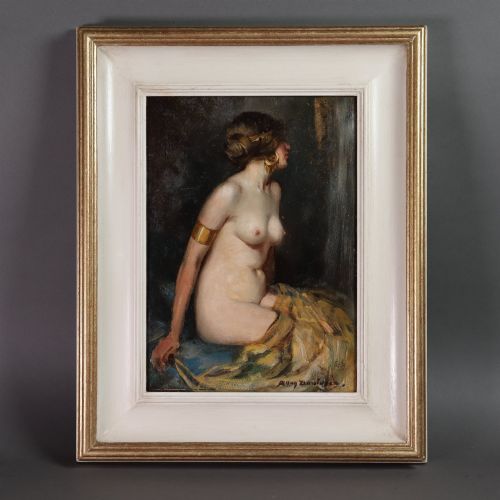


Female Artist Painting
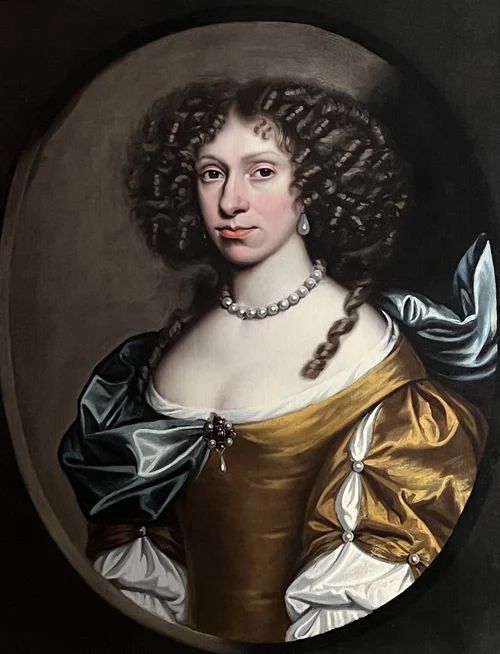
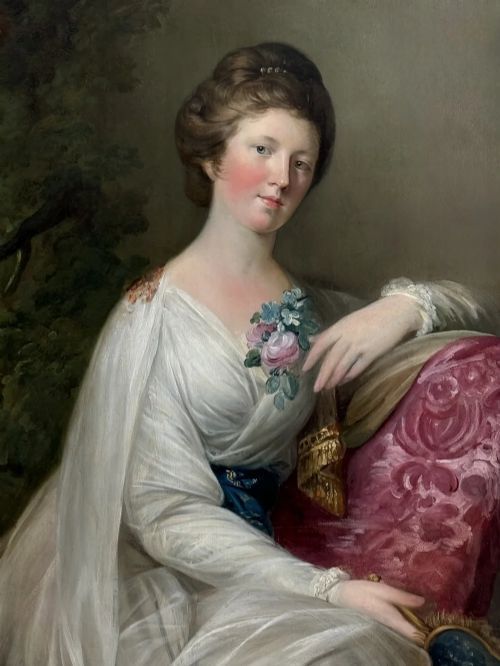
When you search for a female artist painting, you uncover portraits, domestic interiors and intimate studies spanning from the seventeenth century to the mid-twentieth century.
Female Artist Painting
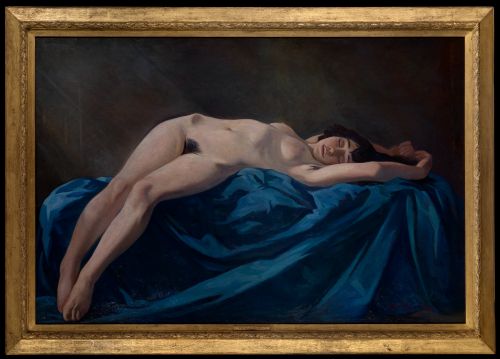
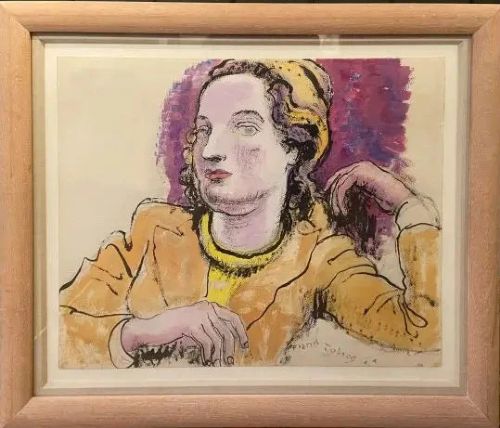
Works captured under the search for a female artist painting comprise oil on canvas compositions, delicate watercolours and intricate portrait miniatures. The selection spans distinct eras, moving from eighteenth-century formal portraiture through to early twentieth-century avant-garde and post-impressionist scenes.
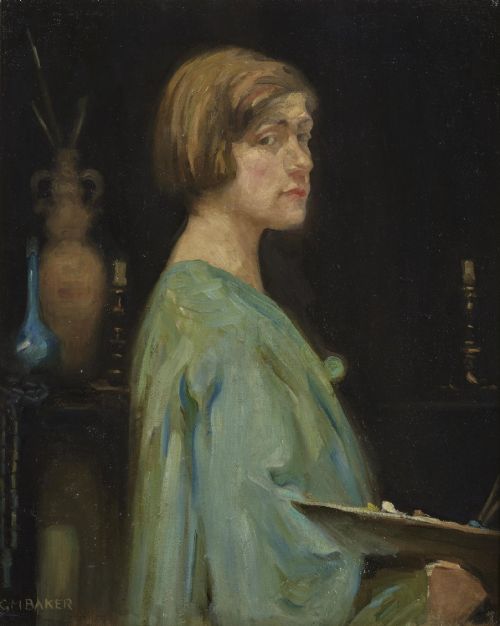
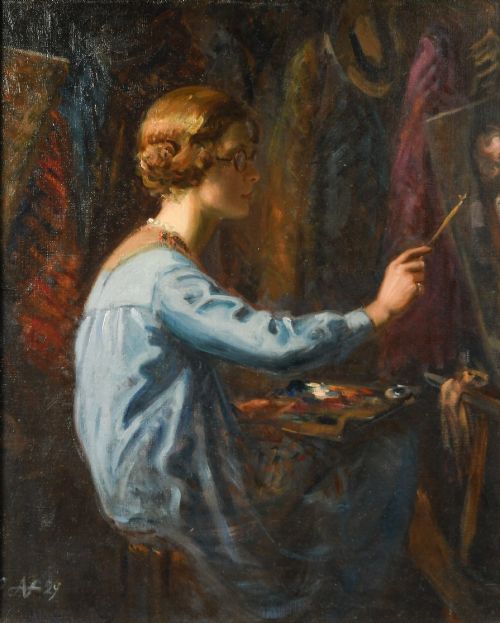
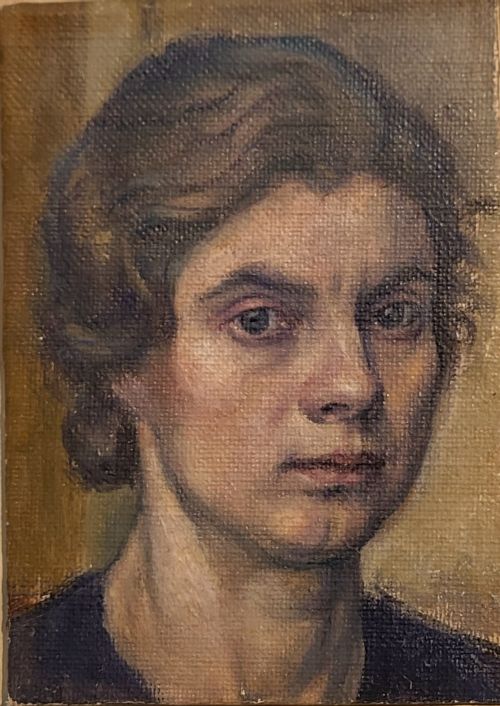
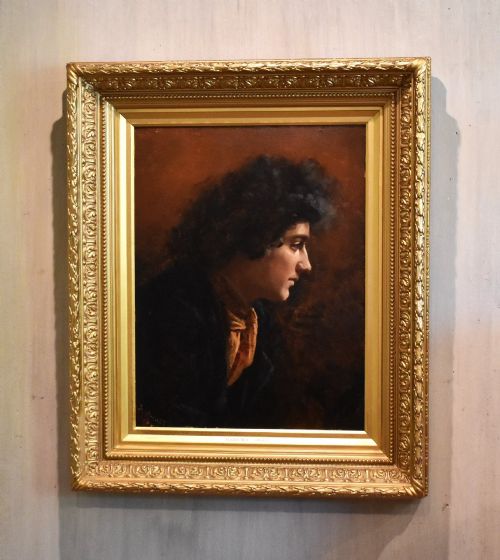
You will encounter self-portraits at the easel, intimate domestic interiors, pastoral landscapes and nuanced character studies created by notable historical women practitioners. These range from Georgian oil paintings to modern British and French colourist works.
The material execution shifts according to the period, encompassing traditional oil paint on canvas and wood boards alongside works on paper and glass-enclosed miniatures. Each piece records a distinct artistic perspective and historical moment.
How they were made
Paintings of this category rely primarily on oil paint applied to stretched canvas, wooden boards or heavy paper, allowing for rich colour layering and textural depth. Artists utilised traditional brushes and palette knives to build light and shadow, particularly in interior scenes and outdoor studies.
Watercolour and pastel works on paper require swift, deliberate application of pigment to capture transient effects of light, as seen in coastal and landscape views. Portrait miniatures demand minute precision with fine brushes, often executed behind protective glass within fitted frames.
Listings feature works spanning the 17th, 18th, 19th and 20th centuries, executed in oil, watercolour, pastel and mixed media.
What varies in quality
The standard of a painting rests upon the confidence of the brushwork and the artist's command of light, tone and proportion. Superior examples demonstrate a secure grasp of anatomy and perspective, particularly in complex figural compositions and self-portraits.
Surface preservation significantly influences the standing of a piece, including the stability of the canvas, the clarity of the pigment and the absence of heavy historic restoration. Well-preserved works retain their original vibrancy and compositional harmony.
Gladys Marguerite Baker·Florence Small·Mercedes Legrand·Susie Lassam·Berthe des Clayes·Lucy Kemp-Welch·Helen Donald-Smith·Jane Maria Bowkett
The Female Artist Painting Glossary
- Oil on Canvas
- Pigments suspended in a drying oil applied to a woven fabric support stretched across a wooden frame. This medium allows for deep colour saturation and gradual blending.
- Portrait Miniature
- A small, highly detailed painting, frequently executed on ivory, vellum or card and preserved under glass. These items were often housed in protective cases or worn as personal ornaments.
- Avant-Garde
- Artworks pushing the boundaries of traditional style and subject matter, characteristic of early twentieth-century modernist movements. These pieces often experiment with abstraction and unconventional perspective.
- Intimist
- A style of painting focusing on domestic interior scenes and private daily life, rendered with gentle light and personal atmosphere. Such works capture quiet moments within the home.
- Provenance
- The documented history of ownership of an antique, tracing the object from its creation to the present day. Clear records help confirm authenticity and attribution.
Female Artist Painting: Frequently Asked Questions
What periods do these paintings cover?
The available selection spans several centuries, starting from seventeenth-century works and extending through the Georgian, Victorian and Edwardian eras. You will also find pieces from the early twentieth century, including Art Deco and mid-century modern examples.
Each period brings distinct stylistic conventions, materials and framing choices that reflect the prevailing artistic movements of the time of creation.
How do I identify a self-portrait?
Self-portraits often depict the artist actively engaged with their tools, such as holding a paint palette, sitting before an easel or looking directly into a mirror. These works frequently offer a personal psychological insight into the maker's own identity and status.
Inscriptions on the reverse or documented artist biographies frequently confirm the sitter's identity as the creator of the work.
Where were portrait miniatures displayed?
Portrait miniatures were designed to be intimate objects, often carried in pockets, worn as lockets or displayed on small tabletop stands in private rooms. Their diminutive scale required viewers to examine them closely, making them deeply personal possessions.
They were frequently commissioned to commemorate family members, marriages or significant personal milestones.
How should I care for an antique oil painting?
Keep oil paintings away from direct sunlight, extreme temperature fluctuations and high humidity to prevent canvas warping and paint cracking. Gentle dusting with a soft, dry brush is generally sufficient for surface maintenance.
Avoid using water or chemical cleaning agents on the paint surface, and consult a professional conservator for any structural repairs or deep cleaning.