




Fars Province Weaving
Fars province weaving comprises distinctive tribal textiles from south-west Persia, prized by collectors for authentic nomadic artistry and rich cultural heritage.
Fars Province Weaving
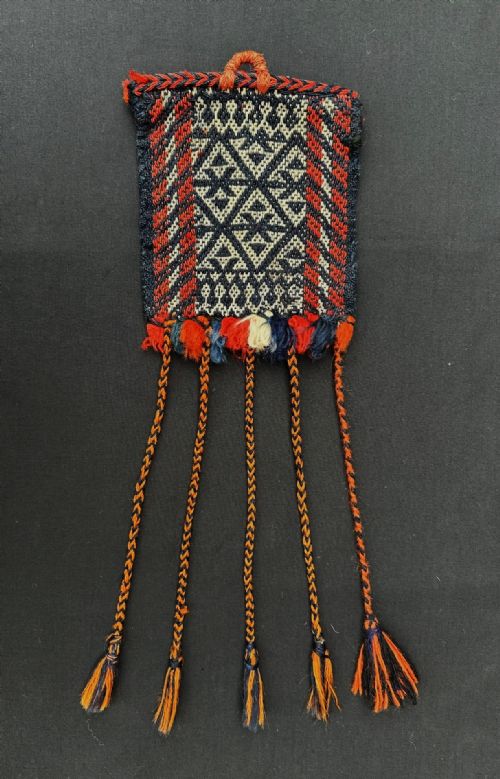
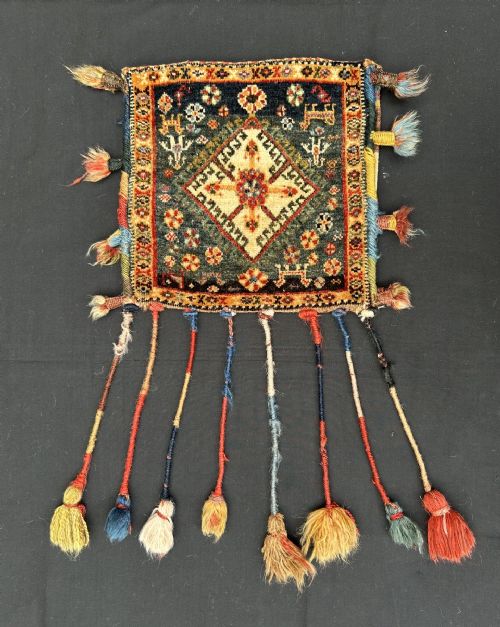
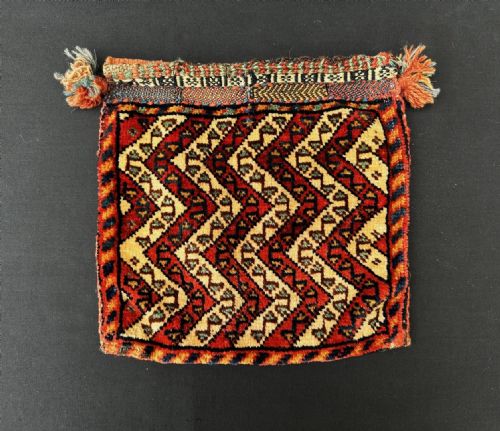
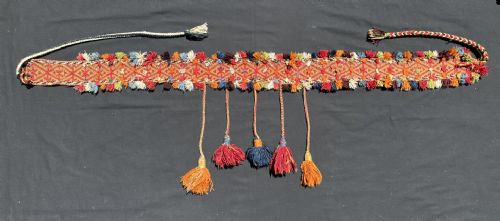
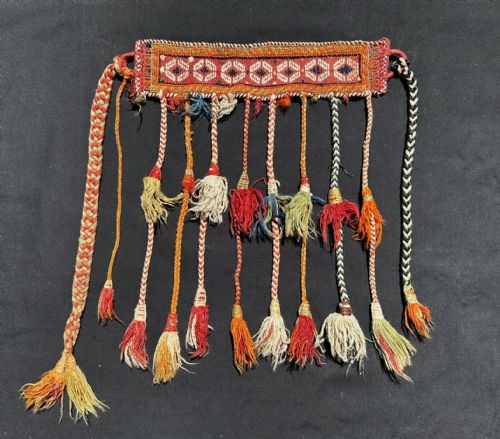
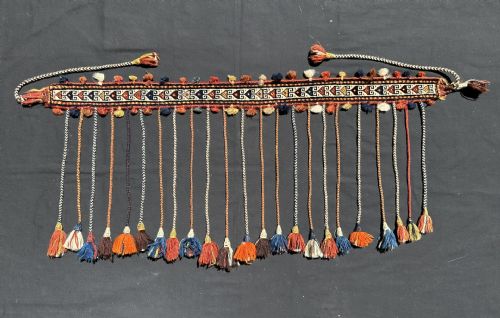
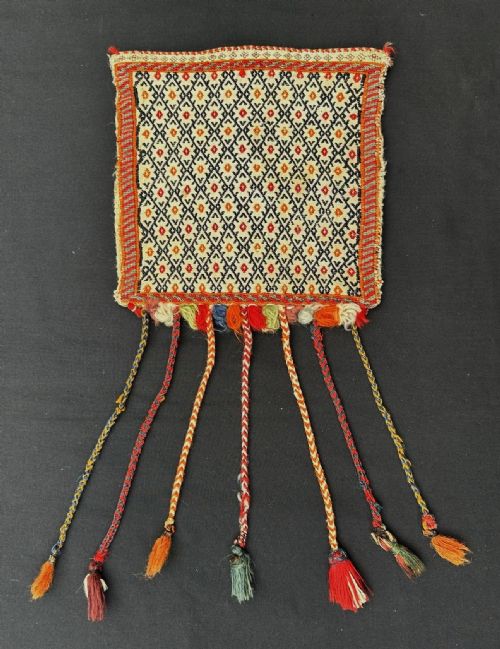
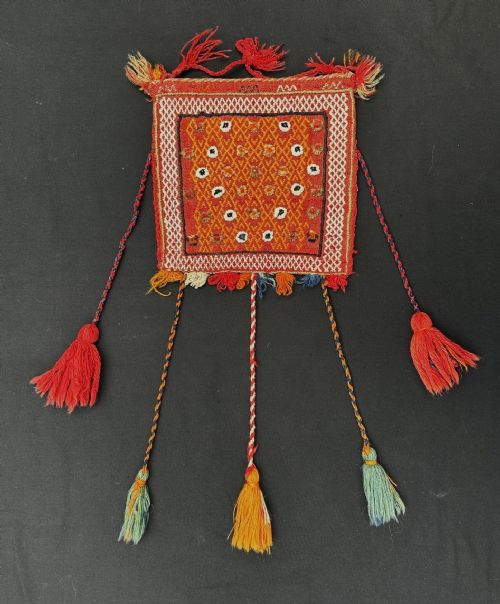
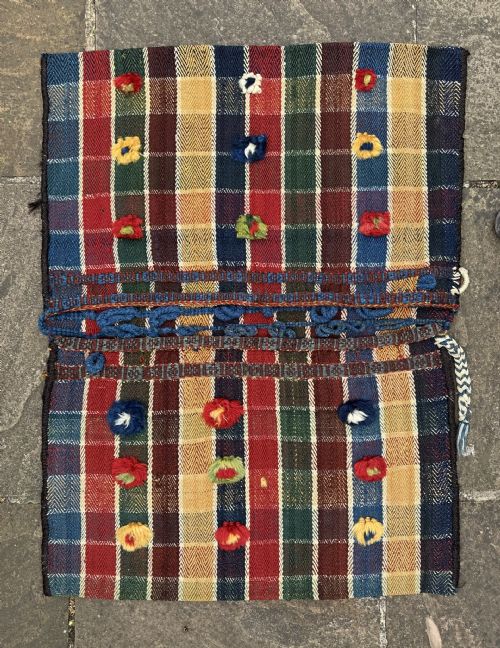
Fars province weaving encompasses traditional pieces originating from south-west Persia, created primarily by nomadic groups such as the Qashqai confederacy and its sub-tribes. Buyers examining these items encounter functional objects designed for nomadic life, including vanity bags, animal trappings, storage bags, and horse decorations.
The selection on this page centres on tribal textiles produced during specific periods spanning from 1880 to 1920. These objects reflect the utilitarian needs of tribal groups, ranging from saddle-bags and salt-bags to specialised items like baby cradles and water-pipe bags.
Each piece demonstrates the distinct artistic output of regional sub-tribes, including the Bolvardi, Kashkuli Tayefeh, Darrehshuri Tayefeh, Shekarlu Tayefeh, and Ard Kapan Taifeh. The resulting forms provide a direct link to the material culture of south-west Persian nomads.
Materials and construction
The construction of these textiles relies heavily on wool and hand-spun wool, providing a durable foundation for items subjected to daily nomadic use. Cotton often appears alongside wool, contributing structural stability to the woven foundation of bags and trappings.
Makers utilised natural dyes to colour the fibres, creating rich hues that age with distinct character over time. Additional structural elements incorporate wood and leather, particularly in functional objects requiring rigid support or reinforced edges, such as cradles and specialised bags.
Materials recorded across the inventory include wool, hand-spun wool, cotton, natural dyes, leather, and wood.
Evaluating the pieces
Quality in these tribal textiles rests on the fineness of the weave and the complexity of the design execution. Pieces produced with tightly spun wool and precise control over natural dye saturation demonstrate superior technical mastery by the weaver.
The integrity of the structural materials, including the condition of supplementary leather or wood components, distinguishes exceptional examples from standard utilitarian items. Furthermore, the clarity and intricacy of tribal motifs reflect the cultural standing and skill within specific sub-tribes.
The Fars Province Weaving Glossary
- Qashqai confederacy
- A major coalition of nomadic and semi-nomadic tribes in south-west Persia responsible for creating sophisticated tribal textiles. Their weavers are renowned for distinctive geometric patterns and vibrant natural colour palettes.
- Tayefeh
- A term denoting a clan or sub-tribe within the larger Qashqai confederacy. Identifying the specific tayefeh helps localise the origin and stylistic traits of individual woven pieces.
- Moj
- A type of flat-woven tribal textile or coverlet produced in the region. These textiles serve utilitarian and decorative functions within nomadic households.
- Saddlebag face
- The decorative front panel of a larger paired saddlebag designed for animal transport. These panels frequently survive independently after the connecting web has worn away.
- Animal trapping
- A decorative or functional textile created to adorn horses, camels, or other livestock. These pieces often feature specialised iconography and robust construction.
Fars Province Weaving: Frequently Asked Questions
What is fars province weaving?
Fars province weaving refers to traditional textiles produced by nomadic tribes in south-west Persia, encompassing items made for daily transport, storage, and ceremonial use.
These objects include saddle-bags, animal trappings, and vanity bags created by groups like the Qashqai confederacy.
How were these bags used?
Nomadic groups utilised these woven pieces for practical storage and transport during seasonal migrations across south-west Persia.
Items ranged from salt-bags and water-pipe containers to larger storage bags and horse decorations essential for daily nomadic life.
How do I date these textiles?
Dating relies on stylistic analysis, material evaluation, and historical records associated with specific nomadic sub-tribes operating in the region.
Pieces on this page originate from distinct periods spanning between 1880 and 1920, reflecting traditional tribal aesthetics of those decades.
What materials are used?
The primary materials consist of wool and hand-spun wool, frequently paired with cotton for structural support in the foundation of the weave.
Natural dyes provide the coloration, while occasional pieces incorporate leather and wood for reinforced components.