


Farmhouse Wooden Stool
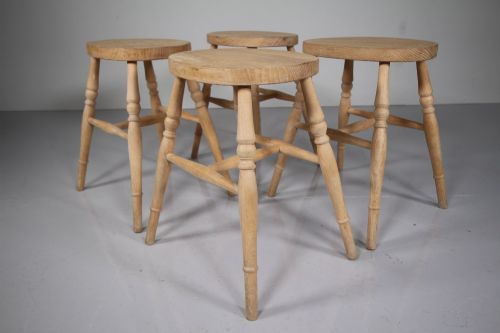
A farmhouse wooden stool grounds a room with honest utility, offering sturdy seating built from oak, elm, pine, and beech.
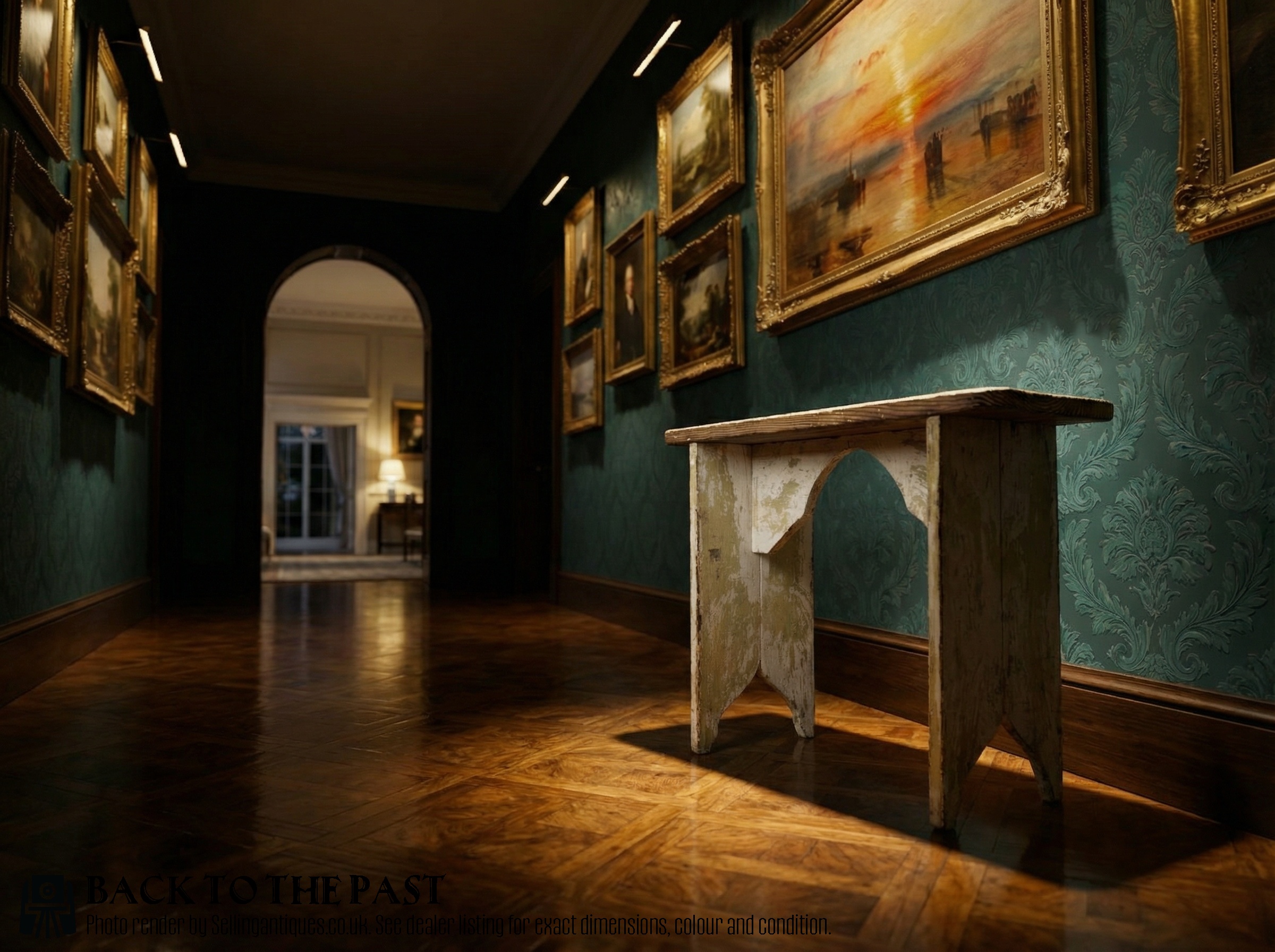
Farmhouse Wooden Stool
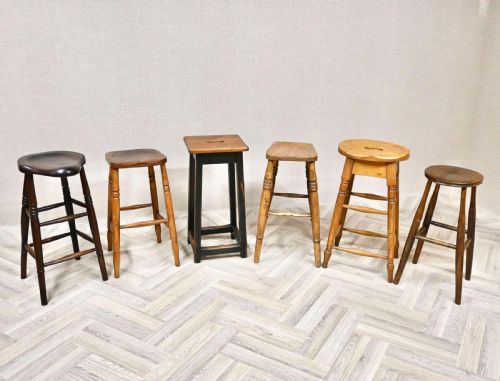
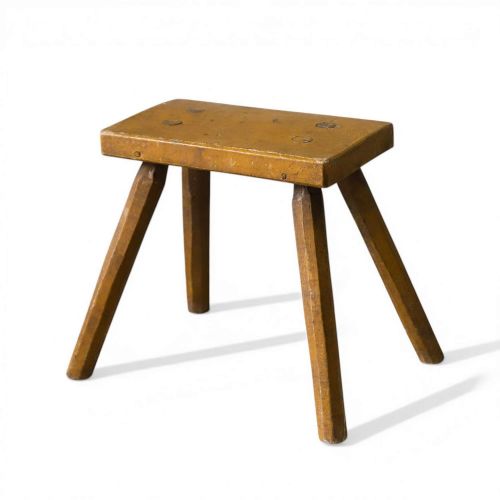
A farmhouse wooden stool represents practical vernacular seating shaped by daily rural life across the eighteenth, nineteenth, and early twentieth centuries. These pieces encompass low country stools, tall bar stools, dining stools, and milking stools shaped for specific domestic and agricultural tasks.
The versions most commonly met on this page span English, French, and Eastern European traditions, constructed to serve utilitarian purposes in kitchens, dairies, and workshops. Simple plank tops and rush seats dominate the forms, reflecting regional self-sufficiency and straightforward construction.
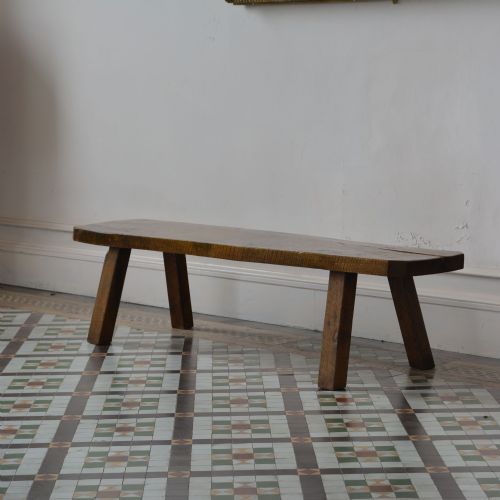
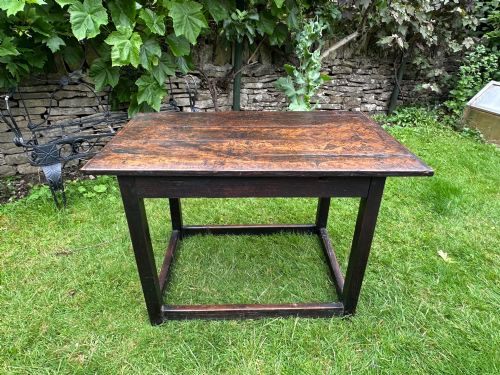
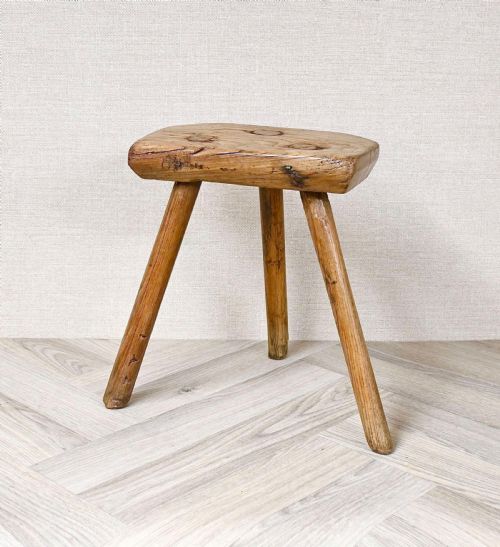
Makers ranged from local village joiners to anonymous scratch builders utilising whatever timber came to hand. The resulting variety includes three-legged milking stools, heavy oak pig benches, and slender Edwardian dining stools designed for everyday use.
How they were made
Makers relied on solid native timbers such as oak, elm, pine, and beech, selecting woods based on local availability and structural strength. Heavy planks formed the seats, while turned or rived legs provided sturdy support without unnecessary decoration.
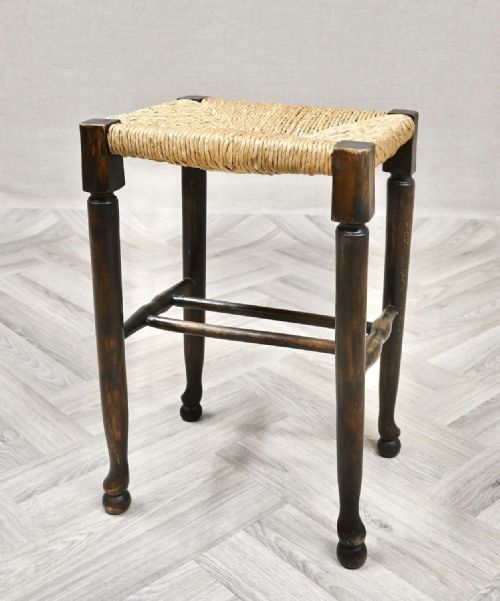
Construction techniques prioritized durability, utilising pegged joints, wedged tenons, and direct through-tenning where legs met the underside of the seat. Some examples feature rush seating woven tightly over wooden frames, while others retain traces of original paint or natural waxed finishes.
Materials recorded across the inventory include oak, elm, pine, beech, timber, rush, and paint.
What varies in quality
Quality rests in the integrity of the timber and the honesty of the construction, where proportional balance and utilitarian strength dictate merit. Heavier elm and oak examples demonstrate greater endurance than lighter pine alternatives.
Surface character separates everyday utility pieces from those retaining exceptional untouched patination or original paintwork. The depth of wear across the seat and legs reveals the genuine age and functional history of each piece.
The Farmhouse Wooden Stool Glossary
- Vernacular
- Everyday objects built by local craftspeople for practical regional use rather than high-style workshop production. This term describes items shaped by local tradition and available materials.
- Pig bench
- A low, sturdy wooden bench historically utilised in agricultural settings for heavy farm work. These low forms typically feature thick oak or pine plank tops.
- Milking stool
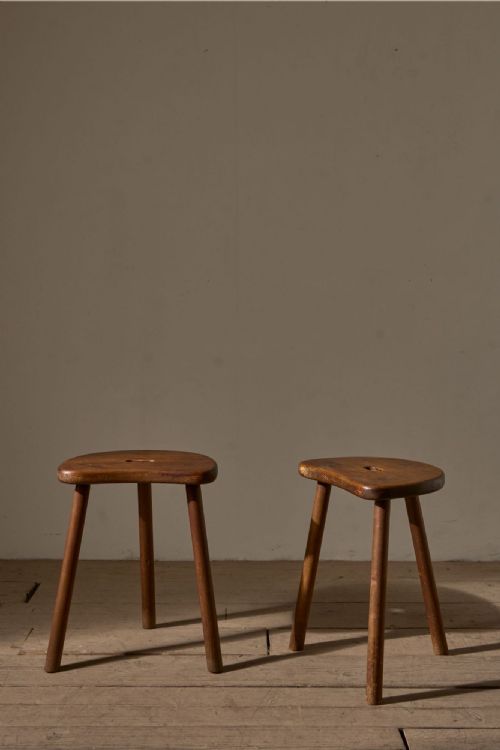
- A small, usually three-legged seat designed to remain stable on uneven barn floors while the user sat milking. The three-legged construction prevents rocking.
- Rush seat
- Seating constructed from dried marsh grasses woven tightly across a wooden frame. This technique provides a resilient and slightly flexible surface.
- Plank top
- A solid wooden seat constructed from one or more thick boards joined together. These tops show the natural grain and age marks of the timber.
Farmhouse Wooden Stool: Frequently Asked Questions
How do I use a farmhouse stool today?
These pieces serve well as extra seating around dining tables, beside kitchen islands, or as bedside surfaces. Their compact footprints allow them to tuck easily beneath tables when not in use.
In living spaces, a low stool functions effectively as a small plant stand or a side table for books and cups. Their robust construction handles daily weight without difficulty.
Are these stools comfortable for sitting?
Many feature shaped or dished wooden seats sculpted to fit the body during long hours of work. Rush seats offer a slightly yielding texture that adapts to the sitter.
Height varies significantly across different types, from low milking stools to tall bar stools. Selecting the correct height for your intended table or counter ensures proper comfort.
How do I identify the wood used?
Oak typically displays prominent grain patterns and a heavy feel, while elm shows a characteristic interlocking grain that resists splitting. Pine appears lighter in weight with softer knots.
Beech is often found in turned legs due to its dense, even texture. Close inspection of the surface grain under good light reveals these distinct timber characteristics.
What is the difference between vernacular and country pieces?
Vernacular items are strictly shaped by local building traditions and immediate functional needs without reference to formal academic design. Country pieces often borrow simplified elements from mainstream furniture styles adapted by regional makers.
Both categories prioritize utility and straightforward construction over ornamental refinement. Examining the joinery and overall silhouette clarifies the specific tradition behind each piece.