


Fall Front Bureau Desk
A fall front bureau desk offers a hinged writing flap that opens to reveal internal compartments, combining workspace with enclosed storage.
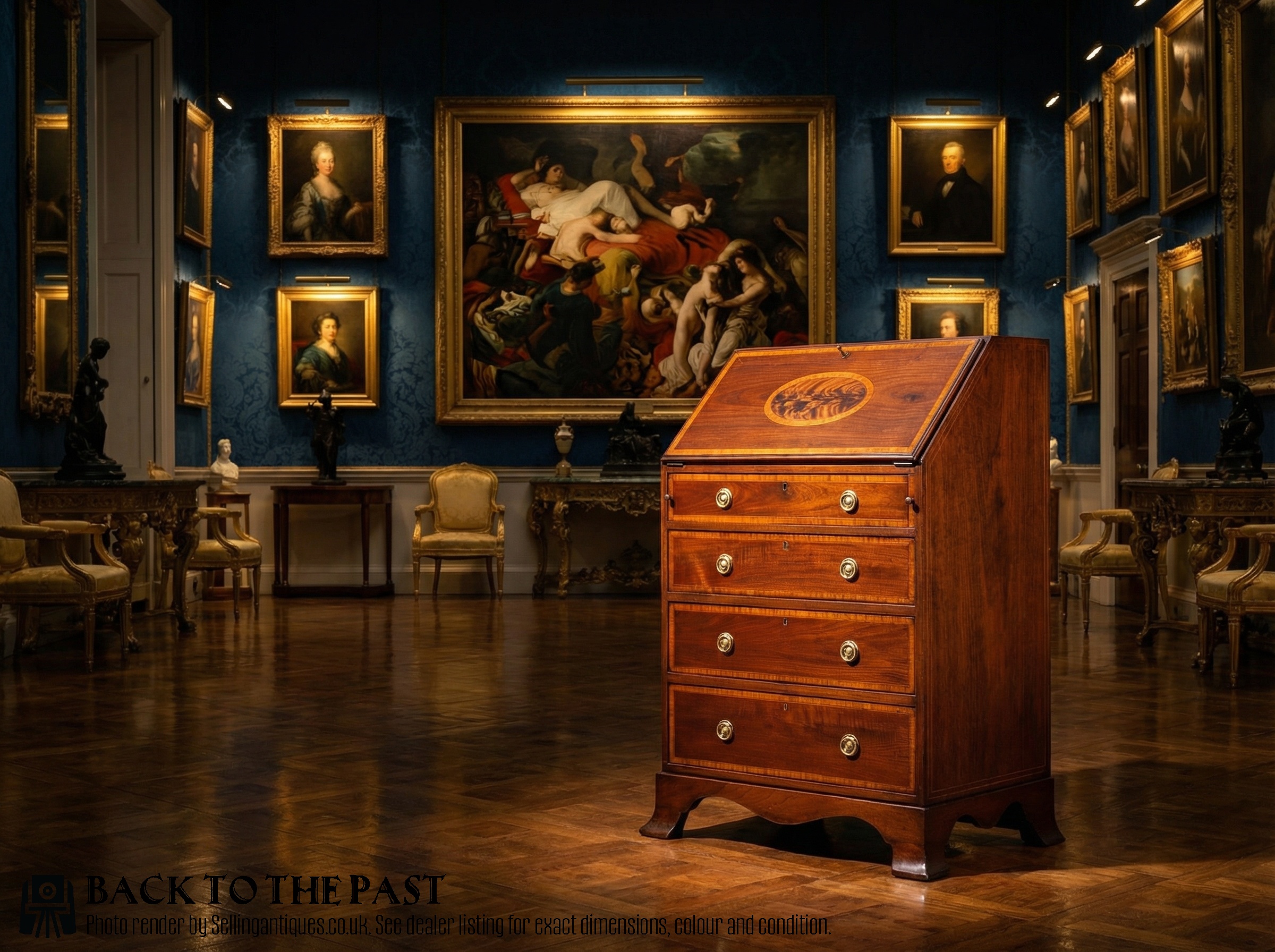
Fall Front Bureau Desk
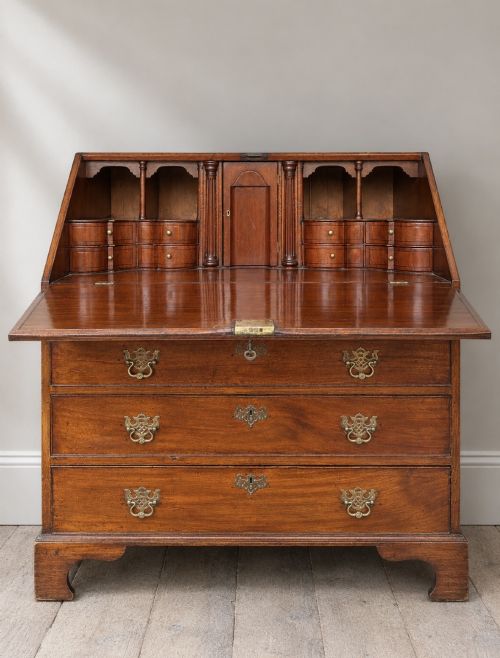
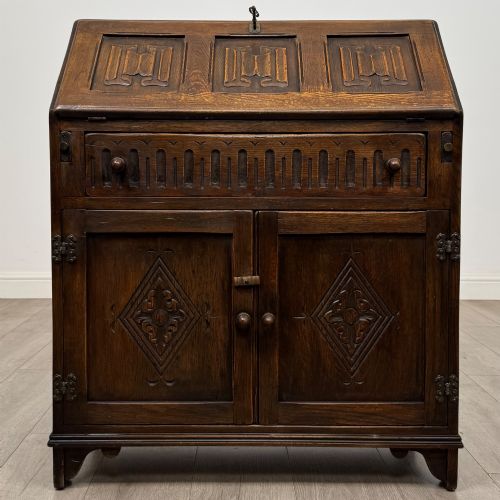
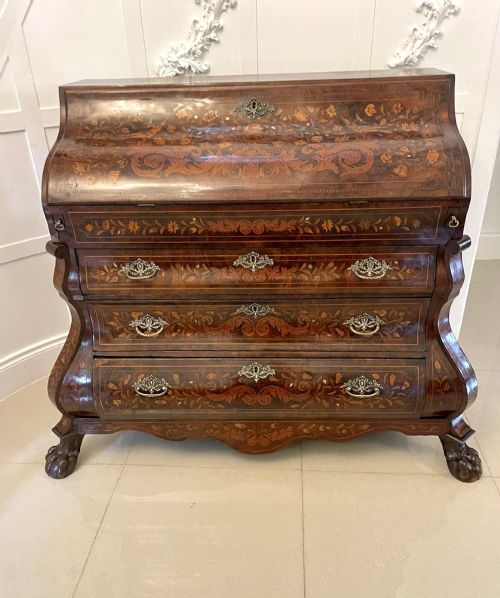
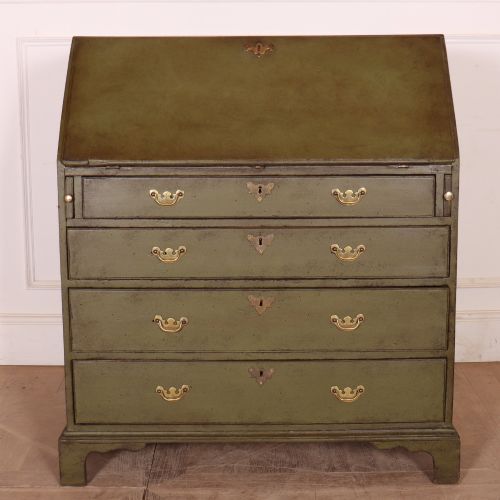
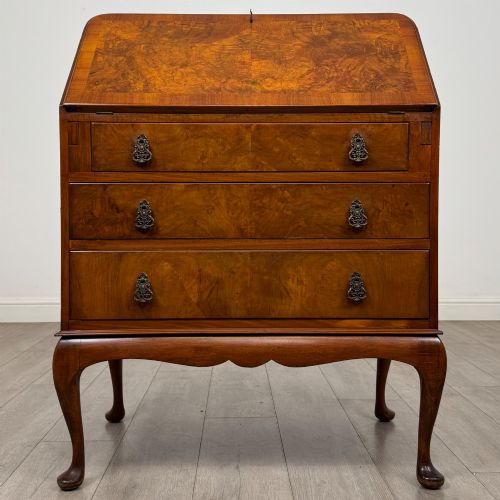
A fall front bureau desk provides a sloping or vertical writing flap that drops down to create a flat surface for correspondence and ledger work. These pieces combine a writing surface with enclosed drawers or pigeonholes beneath the folding front.
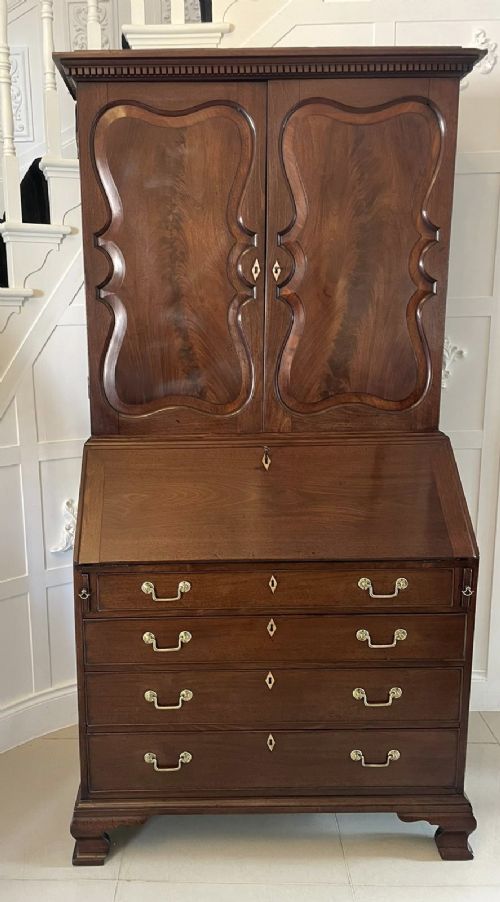
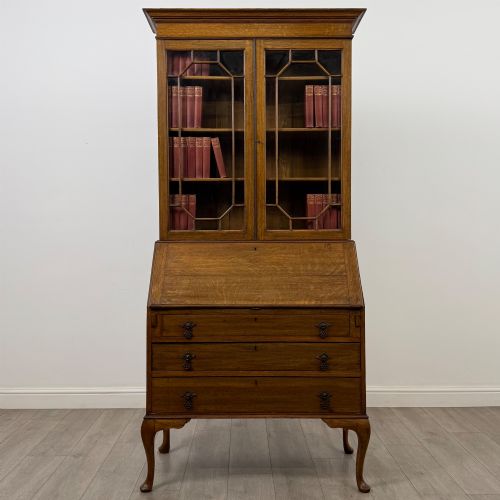
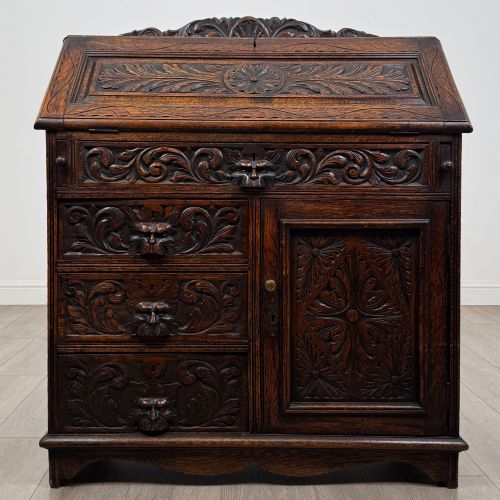
The selections span multiple periods, including 17th century William and Mary pieces, 18th century Georgian examples, and later Edwardian variations. Oak, mahogany, and walnut appear frequently as the primary woods across these eras.
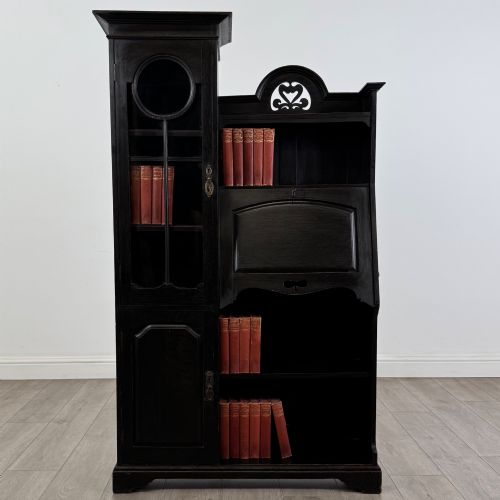
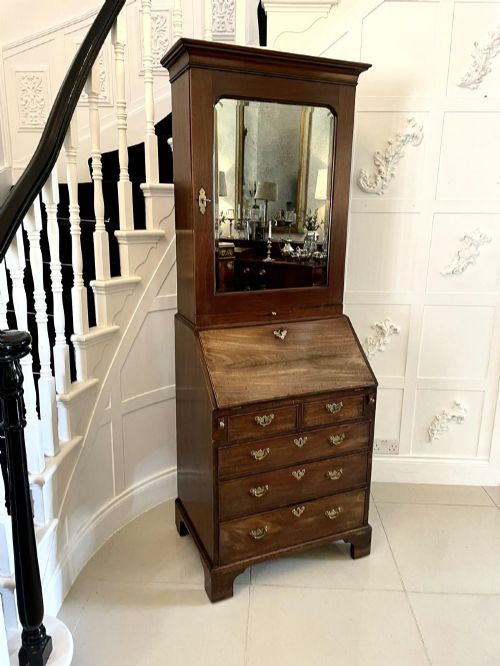
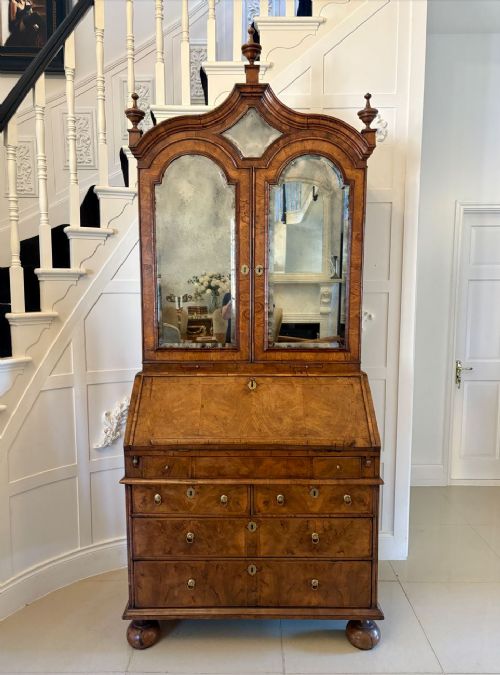
Many items incorporate upper bookcase sections, transforming the writing cabinet into a tall storage unit for volumes and documents. Simpler freestanding desks and smaller variants designed for domestic chambers also populate the selection.
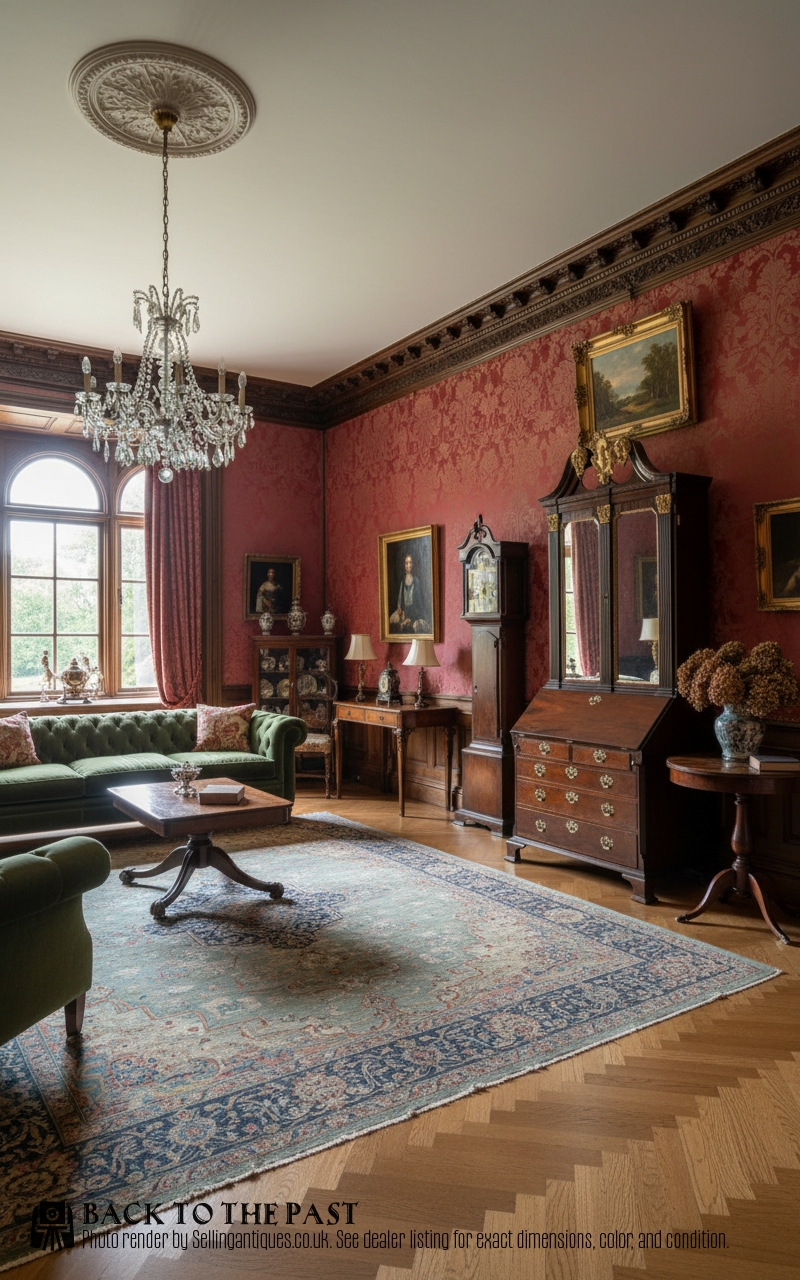
Materials and construction methods
Cabinetmakers utilised solid timbers and veneers such as mahogany, oak, and burr walnut over supportive pine or oak carcases. Figured grains and decorative crossbanding define the exterior surfaces of finer examples.
Joinery techniques involve dovetailing for drawer construction and panel framing for carcases to accommodate seasonal wood movement. Internal fittings utilise smaller-scale boxwood or fruitwood for pigeonholes and secret compartments.
Surface decoration includes floral marquetry, parquetry, and brass hardware such as drop handles and escutcheons. Leather inserts occasionally line the writing surface of Georgian and Regency periods.
Fall Front Bureau Desk Retail Price Guide 2026
Typical asking prices for fall front bureau desk among the pieces listed under this phrase on Sellingantiques today, from the lower quarter to the upper quarter. They describe what is for sale here now, not the wider market.
Some early oak examples hide miniature secret drawers behind sliding pigeonhole partitions.
Factors of construction and design
The selection of timber grain heavily influences the character of a piece, with figured mahogany and burr walnut commanding attention for their natural patterns. Intricate floral marquetry and parquetry demand high precision from the artisan.
Internal configuration alters the complexity of the piece, where stepped compartments, small drawers, and secret panels display greater cabinetmaking skill. The integration of a bookcase top adds structural demands on the lower desk carcase.
Proportion and the retention of original brass hardware, bracket feet, or carved details contribute to the integrity of the object. Alterations or later adaptations to the interior or feet differentiate standard items from preserved works.
Heals of London·Arthur Basil Reynolds
The Fall Front Bureau Desk Glossary
- Fall front
- The hinged writing flap that drops down into a horizontal position to serve as a desk surface. When closed, it conceals the internal pigeonholes and small drawers.
- Bureau bookcase
- A dual-purpose piece featuring a writing bureau base beneath an enclosed upper shelving unit for books. These tall items often use double-dome or glazed upper doors.
- Secretaire abattant
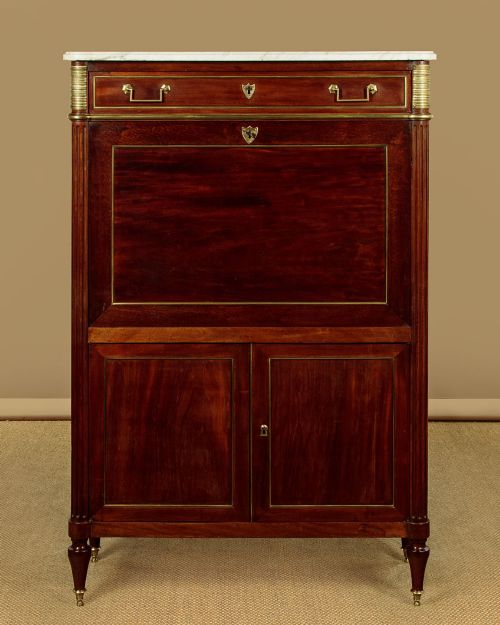
- A vertical cabinet with a drop-front writing panel, often associated with French styles of the nineteenth century. It provides tall storage while retaining a fold-down writing surface.
- Marquetry
- The art of applying decorative veneer pieces in wood, metal, or shell to form pictorial or floral patterns on a carcase. It appears frequently on Dutch and eighteenth-century items.
- Bracket feet
- Support feet shaped like small architectural brackets, standard on eighteenth-century case furniture. They elevate the bureau slightly off the floor while maintaining stable lines.
Fall Front Bureau Desk: Frequently Asked Questions
What is a fall front bureau desk?
A fall front bureau desk is a dual-function furniture form featuring a hinged writing flap that drops down to create a flat workspace. Behind this flap lie pigeonholes, small drawers, and compartments for stationery.
Beneath the writing area, these desks typically incorporate several drawers for storage. The entire unit functions as a compact desk that conceals paperwork when closed.
How were these desks used historically?
Historically, these pieces served as private writing cabinets for correspondence, household accounts, and the storage of important documents. The enclosed compartments kept personal papers secure and out of sight.
In larger houses, they found placement in bedrooms, libraries, or parlours. The drop-down flap provided an immediate writing surface without requiring a dedicated room for paperwork.
How do I date an antique bureau?
Dating relies on observing construction methods, timber choices, and hardware styles across different periods. Eighteenth-century pieces often feature oak linings, mahogany or walnut veneers, and hand-cut dovetails.
Later Edwardian examples frequently use lighter oak constructions and machine-sawn elements. The presence of specific foot styles, such as bracket feet or bun feet, also points to particular decades.
Where should I place a bureau desk at home?
These desks suit studies, living rooms, and bedrooms where space is at a premium and closed storage is desirable. The vertical profile allows them to sit against walls without dominating a room.
Ensure adequate clearance in front of the piece for the fall front flap to open fully. Placing them away from direct sunlight protects the timber veneers and leather surfaces.