


Fairyland Lustre Bowl
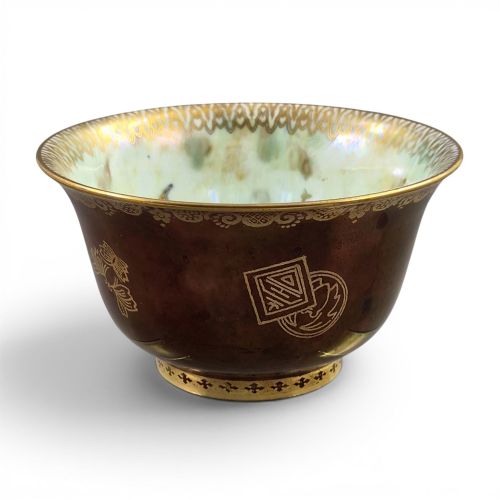
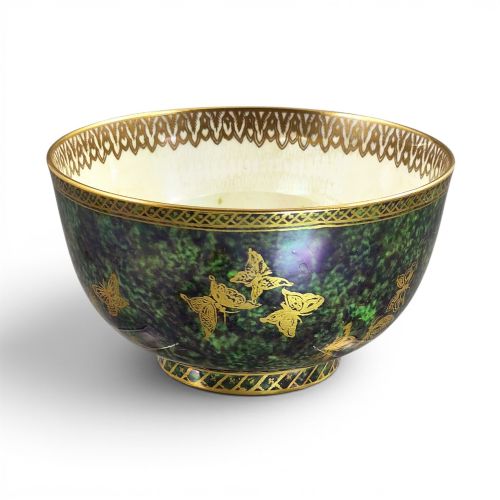
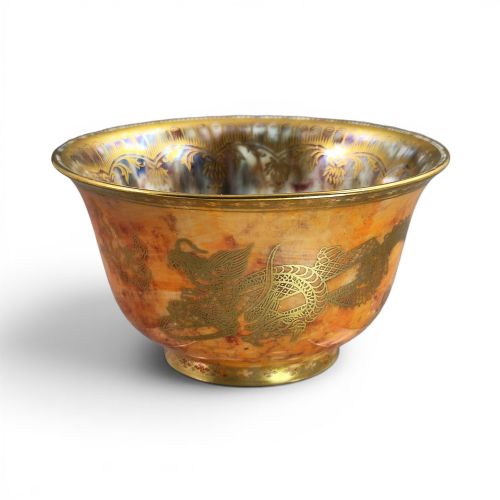
These porcelain pieces command attention through vivid enamel and metallic sheen, turning a fairyland lustre bowl into a miniature theatre of dragons, butterflies, and spirits.
Fairyland Lustre Bowl
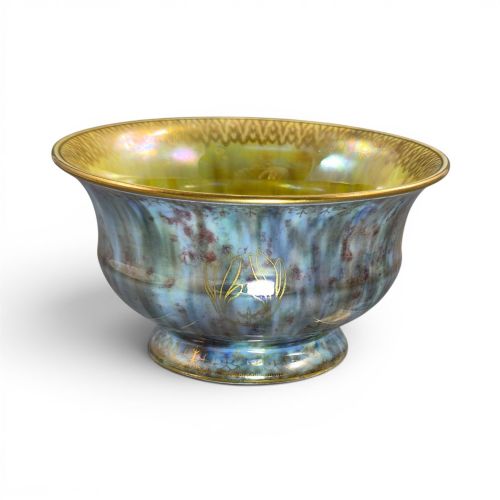
When you search for a fairyland lustre bowl, you look at imaginative ceramic vessels produced in England during the early twentieth century. The forms range from standard decorative bowls to octagonal shapes and miniature cups.
The version you are most likely to meet on this page carries intricate motifs such as dragons, butterflies, and celestial themes. These designs reflect Edwardian tastes and transition into Art Deco periods through distinct patterns.
Makers shaped these wares from porcelain and bone china, applying specialised decorative techniques to achieve deep visual texture. Each vessel serves primarily as a decorative display object rather than practical tableware.
How they were made
Potters shaped porcelain and bone china into round or octagonal bowls before applying complex surface treatments. Artisans utilised glaze to create a smooth base layer for subsequent artistic decoration.
Workers painted intricate subjects using enamel colours, incorporating gold leaf, gilt, and gold gilding to highlight specific details. A specialised lustre glaze finish produced an iridescent, reflective surface upon firing.
Listings feature pieces from the Edwardian period, 1910, and 1920 in porcelain, bone china, and earthenware materials.
What varies in quality
The distinction between tiers rests upon the complexity of the pattern and the precision of the enamel work. Pieces featuring extensive dragon or fairyland motifs require superior artistic execution compared to simpler geometric designs.
The application of gold gilding and lustre glaze also dictates the visual depth of the surface. Rich, consistent iridescence across octagonal and round forms separates standard production from exceptional examples.
Wedgwood
The Fairyland Lustre Bowl Glossary
- Lustre Glaze
- A ceramic finish containing metallic elements that creates an iridescent sheen upon firing. This technique reflects light to produce a colourful, pearlescent surface.
- Bone China
- A type of porcelain containing bone ash that offers high strength and a bright white body. It provides a smooth foundation for detailed enamel painting.
- Gilt
- A thin layer of gold applied to the ceramic surface to accent specific design elements. It catches ambient light and defines borders within complex motifs.
- Octagonal Bowl
- A vessel featuring eight distinct sides rather than a standard circular profile. This geometric form requires precise moulding during production.
- Enamel
- Coloured glass paste applied to the pottery body and fused through heat. It delivers the vibrant hues seen across mythological and natural scenes.
Fairyland Lustre Bowl: Frequently Asked Questions
What is a fairyland lustre bowl?
A fairyland lustre bowl is a decorative ceramic vessel made in England during the early twentieth century. These pieces feature iridescent glazes and intricate enamel scenes depicting mythological creatures and imaginary landscapes.
The forms include standard round bowls, geometric octagonal shapes, and miniature cups. Artists utilised gold gilding and detailed motifs to create highly ornate display pieces.
How do I date these bowls?
You date these pieces by examining the production periods recorded as Edwardian, 1910, and 1920, alongside specific pattern numbers. Stylistic shifts often correspond to the transition from Art Nouveau curves toward Art Deco geometry.
Makers recorded specific pattern ciphers on many vessels, which help link individual examples to known production eras. Consulting recorded archives confirms the manufacturing timeline.
What materials make up these bowls?
These vessels consist primarily of porcelain and bone china bodies formed into various bowl shapes. Artisans coated these ceramic bases with specialised lustre glaze to achieve an iridescent finish.
Enamel paints and gold leaf or gold gilding provide the surface decoration. These combined materials create the distinctive metallic sheen and colourful imagery.
How should I display a fairyland lustre bowl?
Display these bowls in stable locations away from direct sunlight to protect the delicate enamel and gold gilding. Placing them on flat surfaces allows adequate light to interact with the iridescent lustre glaze.
Because these porcelain items serve as decorative objects, keeping them clear of high-traffic areas prevents accidental damage. Proper placement highlights the intricate details of the dragon and butterfly motifs.