


Faience Ceramic Plates
These faience ceramic plates bring centuries of tin-glazed earthenware and painted continental heritage straight to your table.
Faience Ceramic Plates
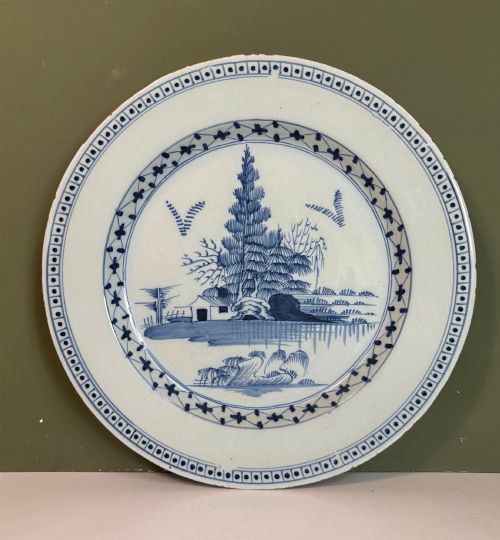
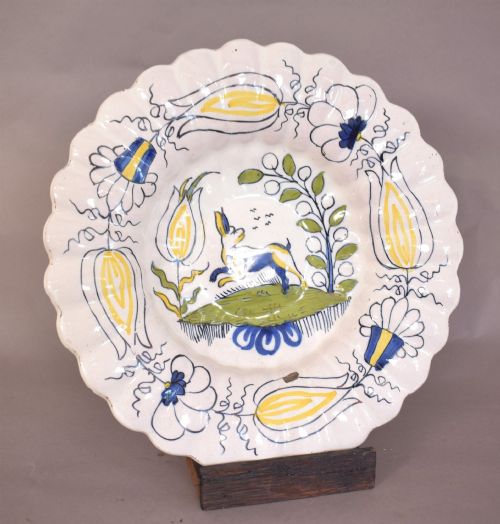
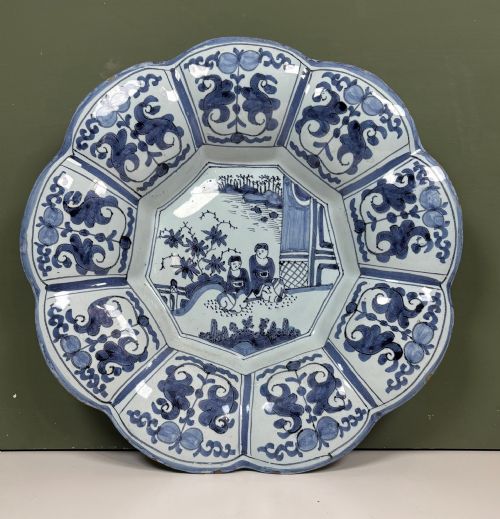
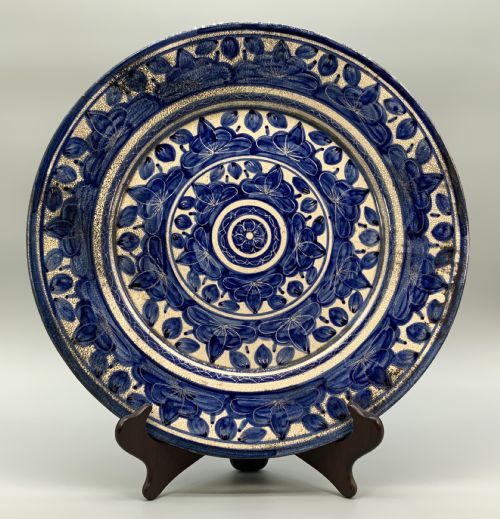
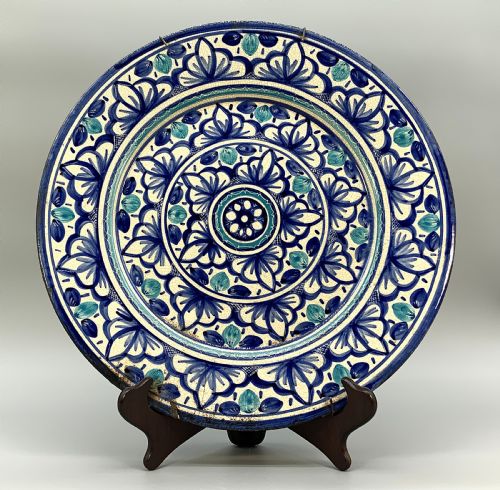
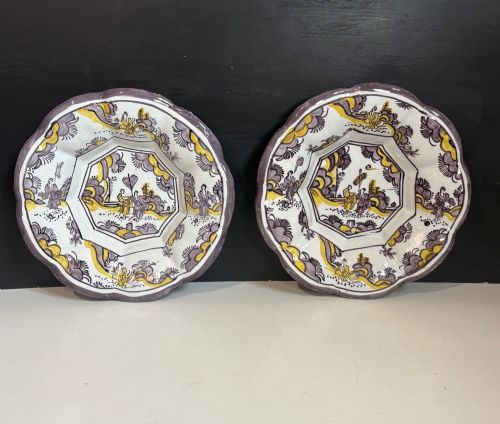
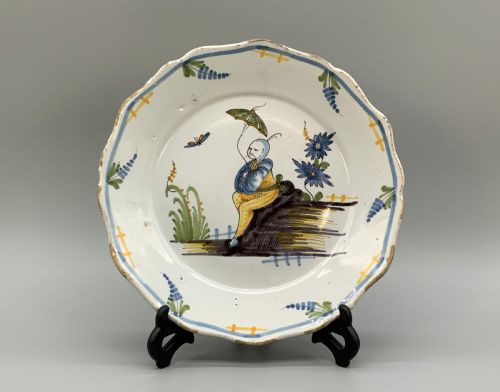
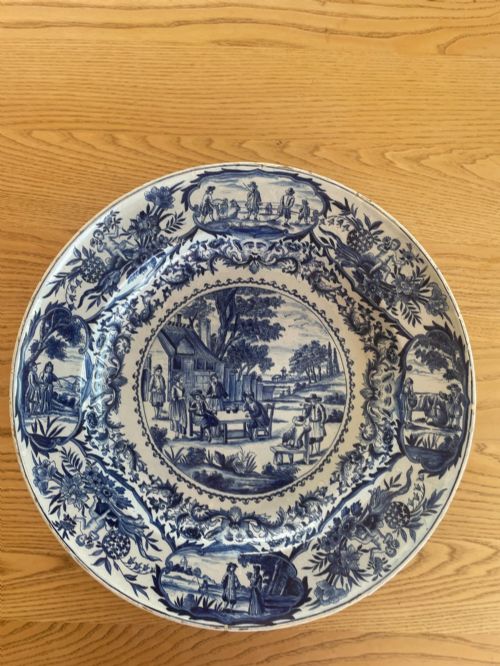
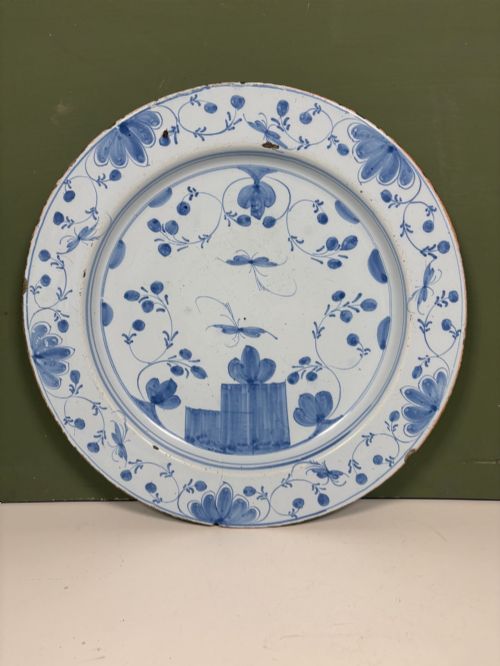
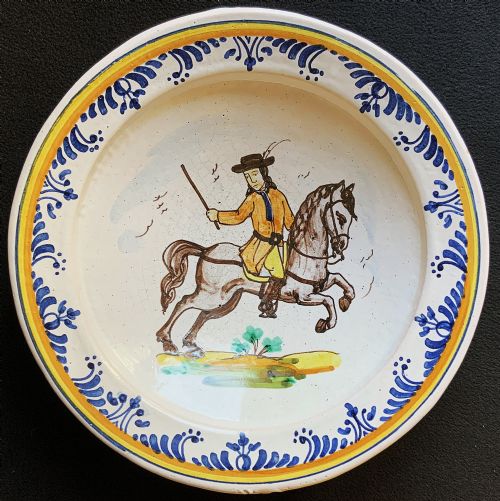
Faience ceramic plates encompass tin-glazed earthenware dishes, bowls, plaques and wall chargers originating from continental centres. When searching for faience ceramic plates, you encounter substantial numbers of eighteenth-century Dutch delft chargers alongside French, Italian and Spanish examples.
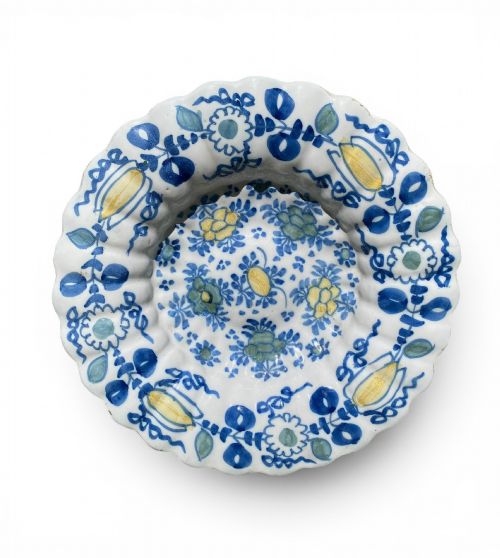
The forms range from small decorative plates to large wall chargers spanning several centuries of production. Seventeenth-century Dutch delftware and eighteenth-century polychrome dishes dominate the selections available here.
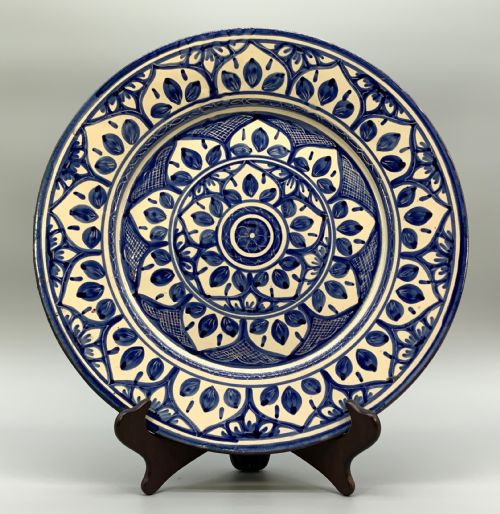
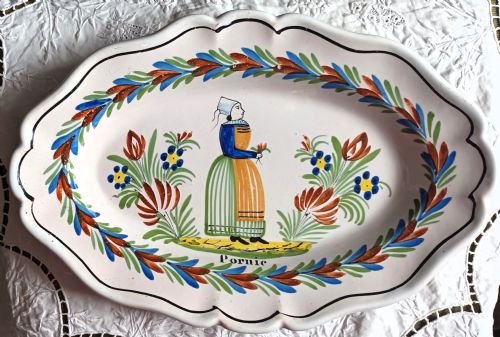
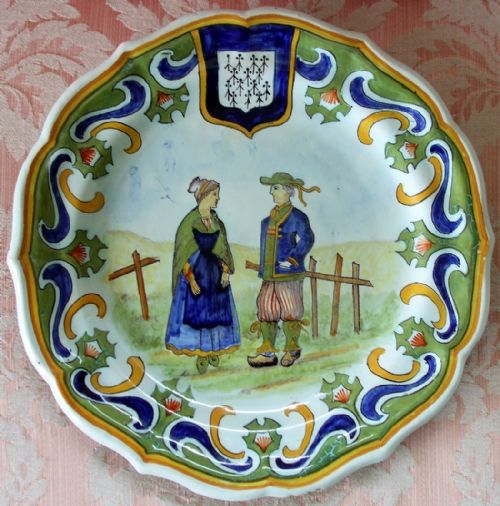
Regional variations span French provincial output from Quimper and Desvres to Italian maiolica and Moorish style continental designs. These tin-glazed vessels serve primarily as decorative wall chargers and display dishes rather than utilitarian tableware.
How they were made
Potters shaped earthenware bodies and coated them in a white tin glaze that provided an opaque canvas for subsequent painting. Artisans then applied cobalt pigment, manganese, yellow and other mineral colours directly onto the unfired or bisque-fired glaze.
Firing in kilns fused the metallic pigments into the liquid-like glaze layer, yielding the characteristic glossy finish seen on these historic pieces. Some works incorporate intricate hand-painted scenes, geometric florals and historical narratives executed by skilled factory painters.
Listings feature tin-glazed earthenware from the seventeenth century through to nineteen-forty, spanning Dutch, French, Spanish and Italian origins.
What varies in quality
Quality rests upon the crispness of the hand-painted brushwork and the complexity of the polychrome or blue and white palette. Finer pieces display confident brush execution, rich pigment saturation and well-balanced pictorial compositions across the surface.
The smoothness of the tin glaze and the regularity of the earthenware body distinguish superior examples from simpler provincial output. Well-preserved glaze surfaces with minimal disturbance elevate the visual appeal of an antique charger or dish.
Veuve Perrin·Bassano pottery works
The Faience Ceramic Plates Glossary
- Faience
- Tin-glazed earthenware produced in France, Germany, Spain and other European countries. This ceramic technique creates an opaque white background suitable for detailed hand-painted decoration.
- Charger
- A large decorative plate or dish intended for display on a wall or sideboard rather than for serving food. These substantial pieces often feature elaborate painted scenes or geometric patterns.
- Tin Glaze
- An earthenware glaze rendered white and opaque by the addition of tin oxide. It serves as the absorbent base layer for pigments in delftware and maiolica.
- Polychrome
- Decoration utilising multiple colours rather than a single hue such as blue and white. These multi-coloured palettes often incorporate manganese purple, yellow and green pigments.
- Delftware
- Tin-glazed earthenware manufactured in the Netherlands, particularly in the town of Delft. Production spans the seventeenth and eighteenth centuries, frequently featuring blue and white or polychrome designs.
Faience Ceramic Plates: Frequently Asked Questions
How were faience plates used historically?
These tin-glazed earthenware dishes served primarily as decorative wall chargers and display pieces in prosperous European homes. Their vibrant painted surfaces were meant to be admired rather than subjected to daily dining use.
Larger chargers occupied prominent positions on sideboards or walls, while smaller plates complemented domestic table settings during formal occasions.
How do I date a delft charger?
Dating relies on stylistic shifts in painting techniques, colour palettes and the thickness of the earthenware body. Seventeenth-century examples often exhibit Kraak influences or deep blue tones, whereas eighteenth-century pieces frequently display lighter polychrome florals.
Examining the foot ring, glaze characteristics and any workshop marks helps narrow down the production period between the seventeen-hundreds and nineteen-hundreds.
What is the difference between delft and maiolica?
Delft refers specifically to tin-glazed earthenware made in the Netherlands, characterised by its distinct blue and white or polychrome Dutch aesthetics. Maiolica generally describes Italian tin-glazed pottery with deep historical or classical painting traditions.
Both share the fundamental tin-glaze technique over an earthenware body but developed distinct regional artistic styles across Europe.