

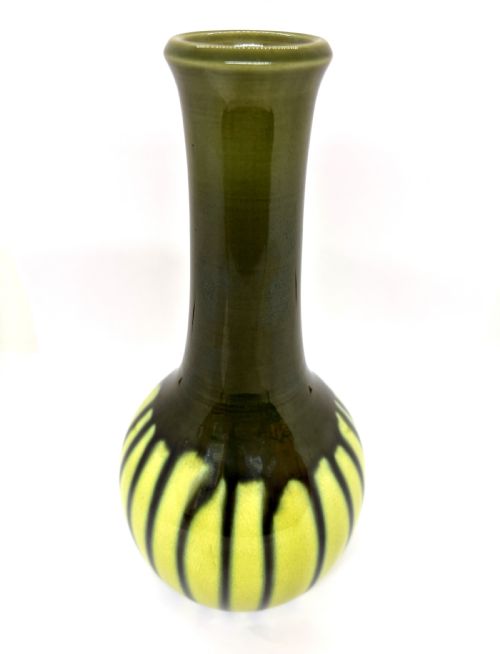
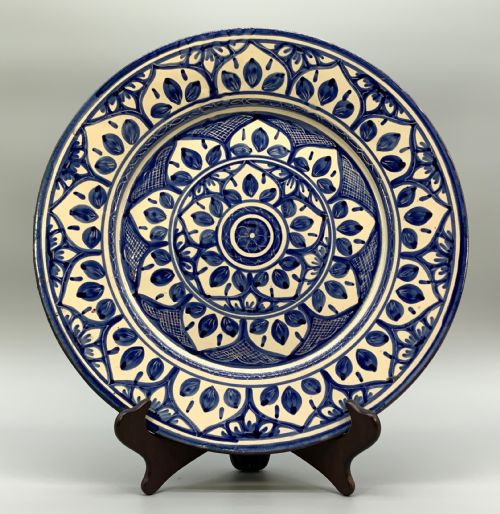
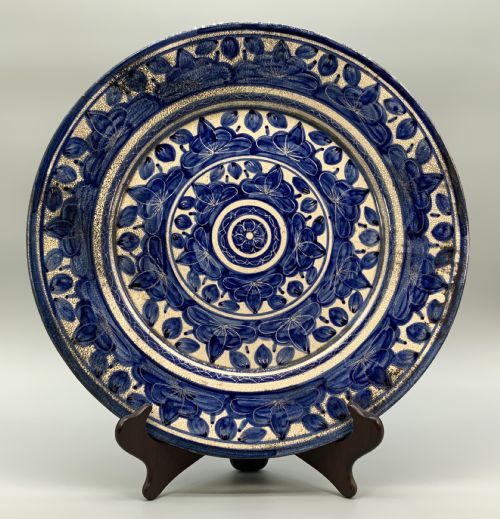
Antique Faience Earthenware
These antique faience earthenware pieces bring tin-glazed colours and centuries of European pottery traditions directly to your walls, tables, and cabinets.
Antique Faience Earthenware
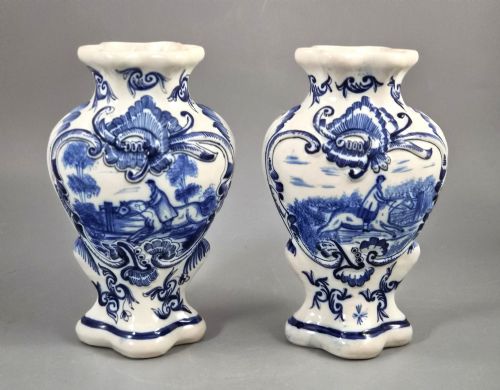
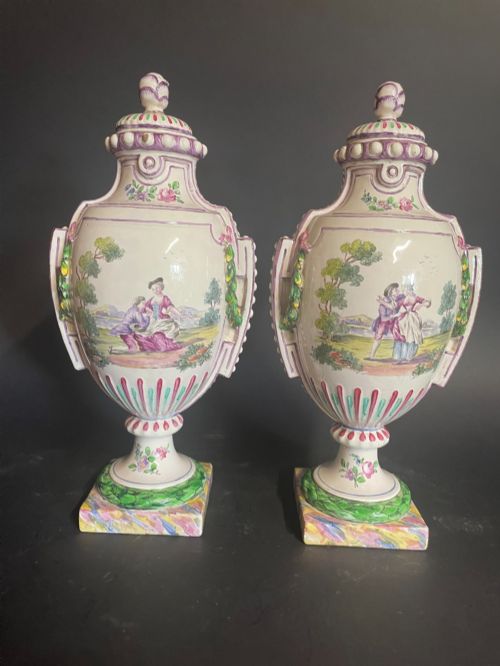
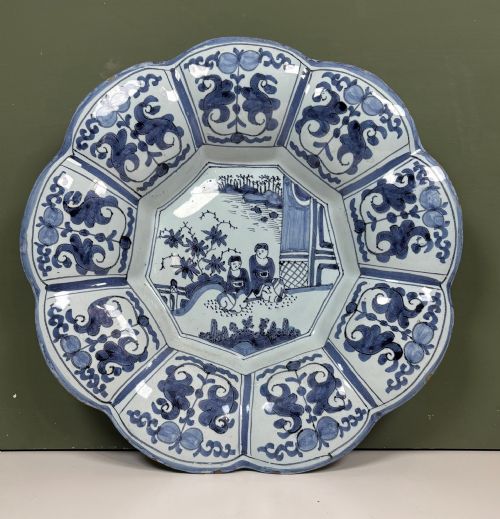
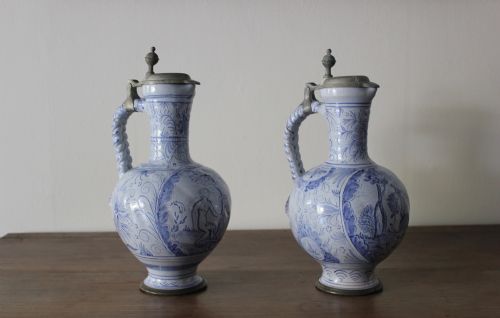
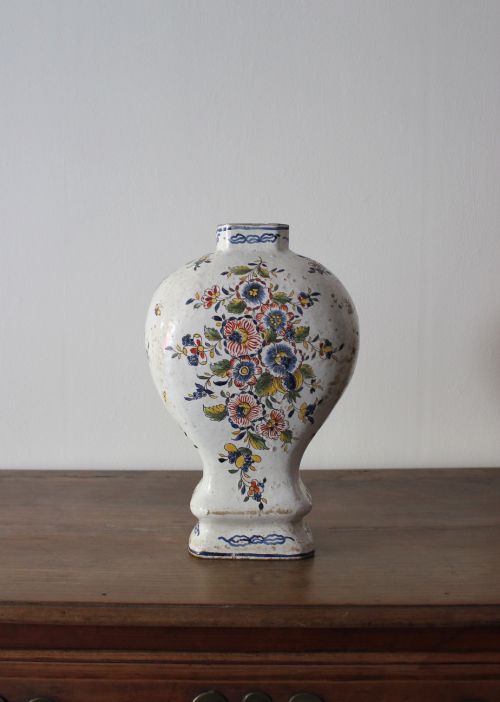
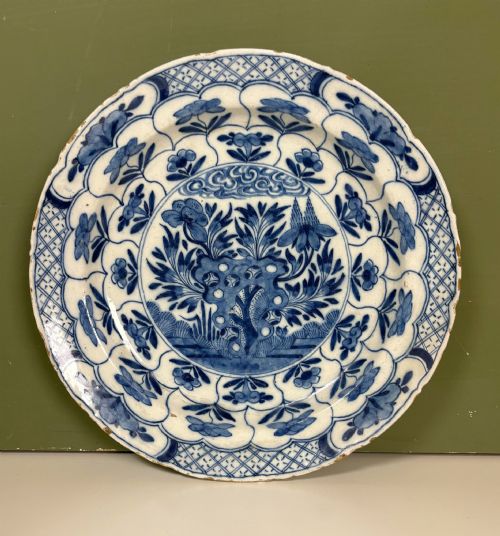
When you search for antique faience earthenware, you encounter tin-glazed ceramics spanning from the seventeenth century through to the mid-twentieth century. The selection ranges from large chargers and dishes to apothecary jars, ewers, and decorative vases.
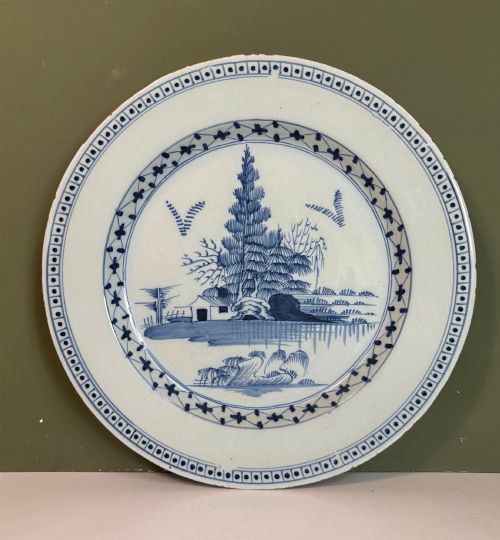
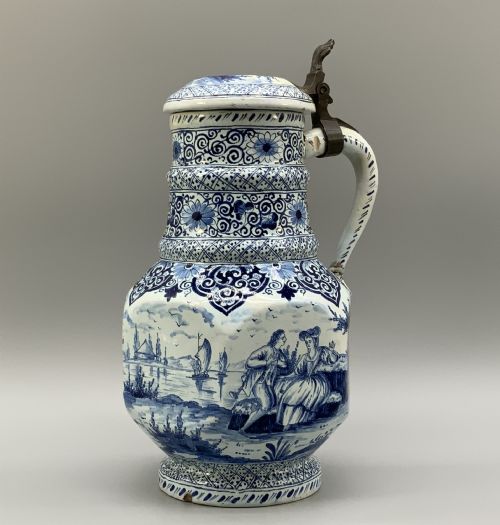
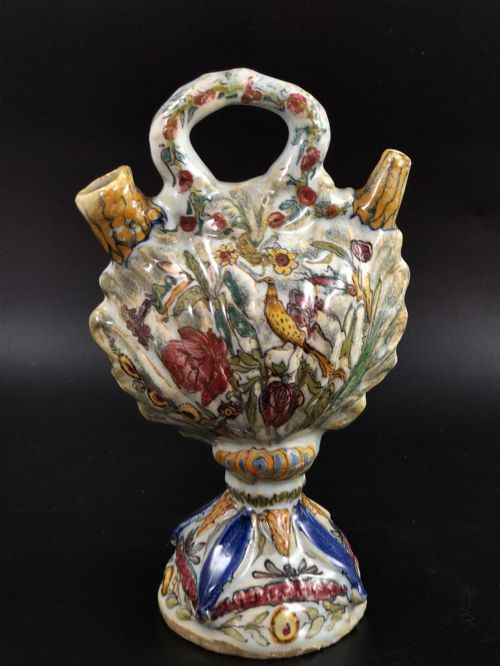
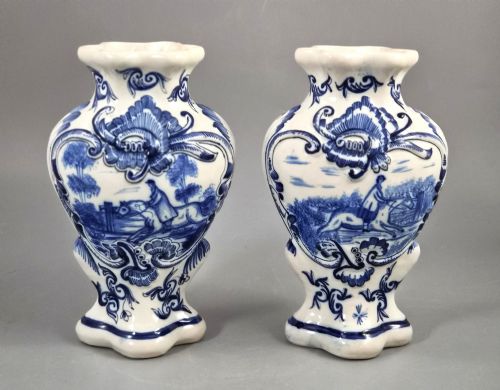
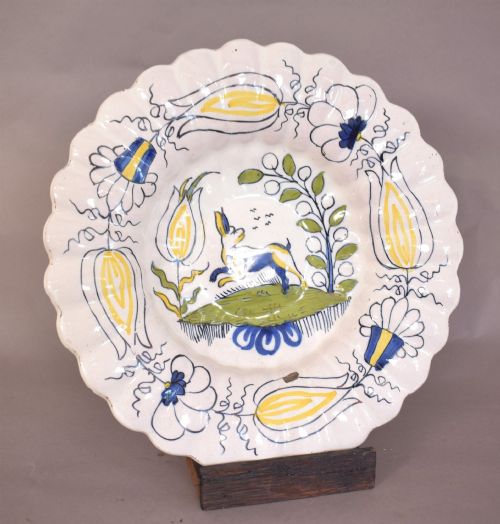
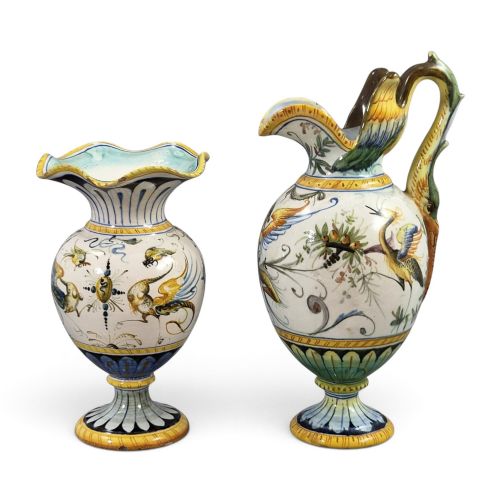
Dutch Delftware and French Desvres or Quimper faience dominate the selection, alongside Italian majolica and English pieces. Domestic forms such as posset pots, salt cellars, and figural pairs sit alongside large wall chargers decorated in blue and white or polychrome palettes.
Materials and construction
These items rely on an earthenware body coated in an opaque tin glaze that provides a smooth white surface for painting. Potters then apply metallic oxide pigments directly onto the unfired or raw glaze before the final firing fuses the colours.
Makers utilise hand-thrown or moulded ceramic bodies, finishing them with hand-painted motifs ranging from floral patterns to Chinoiserie scenes and armorial designs.
Listings span the 17th century through the 1940s, featuring earthenware, tin glaze, and ceramic materials in Dutch, French, and Italian styles.
Assessing quality
Quality rests upon the crispness of the hand-painted brushwork and the complexity of the palette, whether simple blue and white or multi-coloured polychrome work. Finer examples display confident control over tin glaze application and balanced proportions across forms like chargers, vases, and figural groups.
The sophistication of the stylistic revival or regional tradition, such as Renaissance Revival majolica or Dutch Baroque delft, dictates the visual depth of the piece. Well-executed pieces maintain sharp detail in moulded elements like pewter lids or scalloped edges.
Fourmaintraux-Courquin·Cantagalli Florence·Burmantoft's Pottery·Doulton Lambeth
The Antique Faience Earthenware Glossary
- Faience
- Tin-glazed earthenware originating in or imitating European traditions. The technique uses an opaque white glaze to hide the buff or pink clay body.
- Charger
- A large decorative plate designed for display on walls or sideboards rather than everyday dining. These items often feature elaborate centre designs.
- Majolica
- Tin-glazed earthenware associated with Italian and revival styles. It frequently employs vibrant polychrome pigments.
- Polychrome
- Decoration utilising multiple colours rather than a single hue like blue and white. These pigments often include yellow, manganese purple, and green.
- Tin Glaze
- An opaque ceramic glaze containing tin oxide. It provides the characteristic white ground typical of delftware and faience.
Antique Faience Earthenware: Frequently Asked Questions
What is antique faience earthenware?
Antique faience earthenware comprises tin-glazed ceramic objects made across European centres from the seventeenth century onward. The category includes everything from utilitarian vessels to decorative wall chargers.
Potters shaped these objects from earthenware clay before coating them in an opaque tin glaze. This glaze served as a canvas for hand-painted blue and white or polychrome designs.
How were chargers used?
Large chargers served primarily as decorative display pieces on walls, sideboards, or dressers in affluent European homes. Their generous surfaces allowed artists to paint detailed scenes and repeating patterns.
While technically ceramic plates, their size and weight made them unsuitable for standard dining use. Instead, they acted as focal points within domestic interiors.
How do I care for my pottery?
These tin-glazed earthenware items require gentle handling because the ceramic body and glaze can chip or craze over time. Dust them lightly with a dry cloth and avoid harsh chemical cleaners.
Keep them away from direct moisture and rapid temperature changes to protect the historic glaze and painted decoration.
How do I distinguish regional styles?
Regional styles appear through distinct colour palettes, painting techniques, and vessel forms. Dutch pieces often emphasise blue and white Delft designs, while French Quimper and Desvres items feature local figures and floral motifs.
Italian and revival majolica pieces typically display rich polychrome glazes and sculptural elements like ewers, shells, and ewers.