

18th Century Tin Glazed
These pieces of 18th century tin glazed ceramic carry the soft brushwork and opaque white surfaces that defined domestic display across Europe.
18th Century Tin Glazed
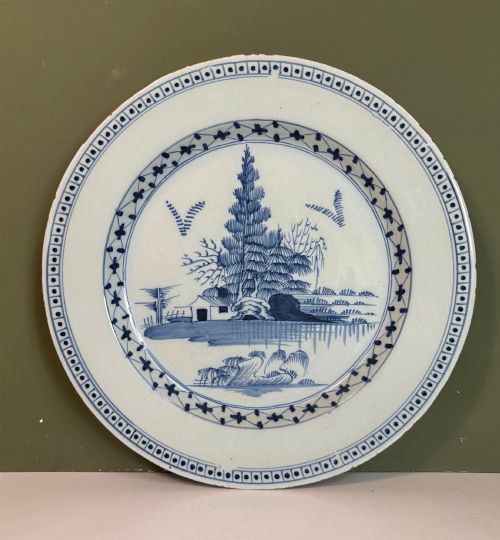
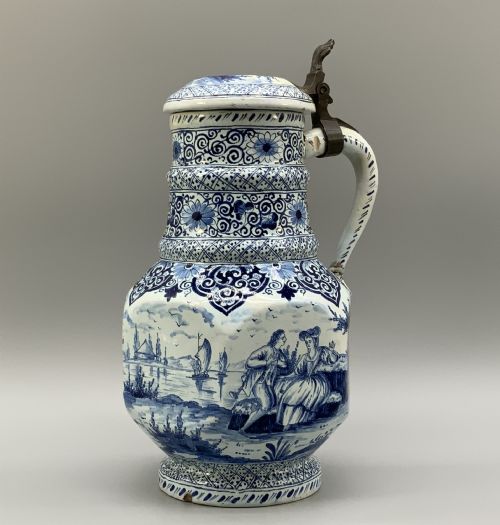
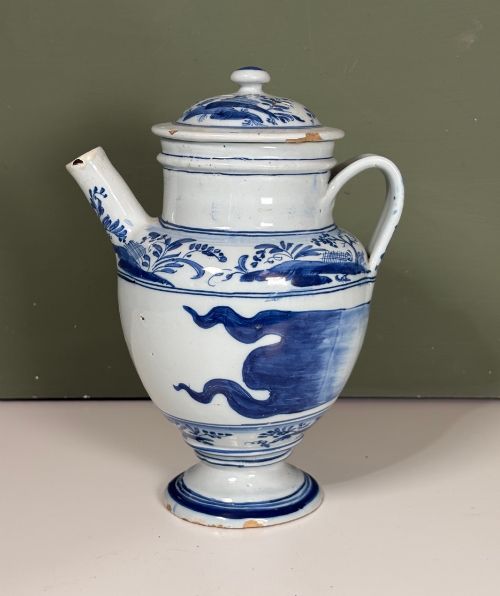
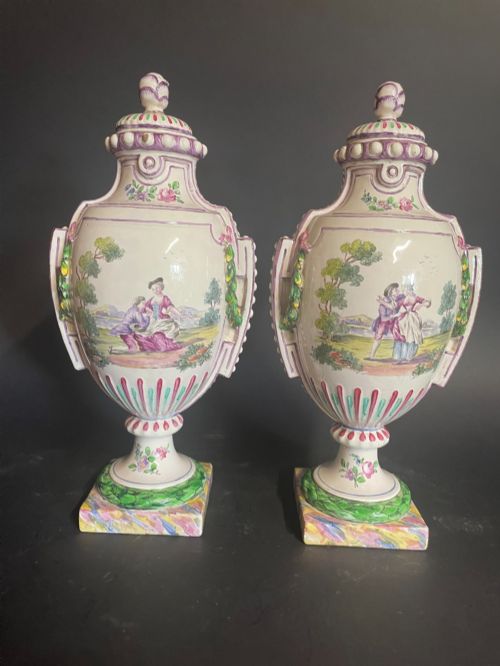
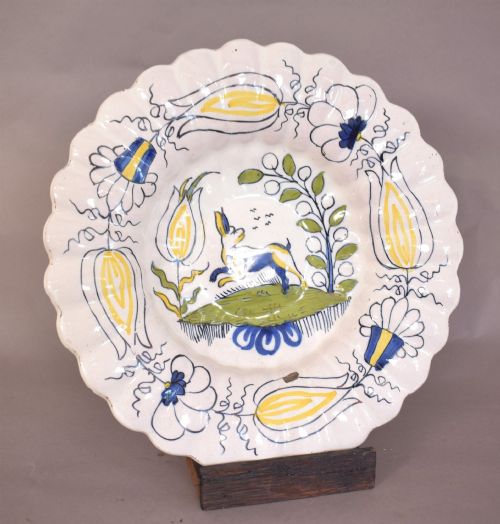
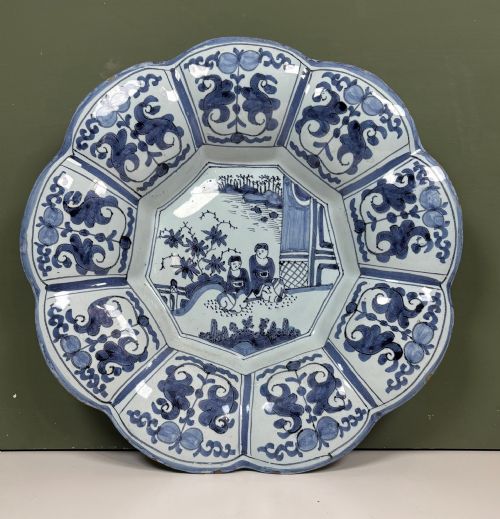
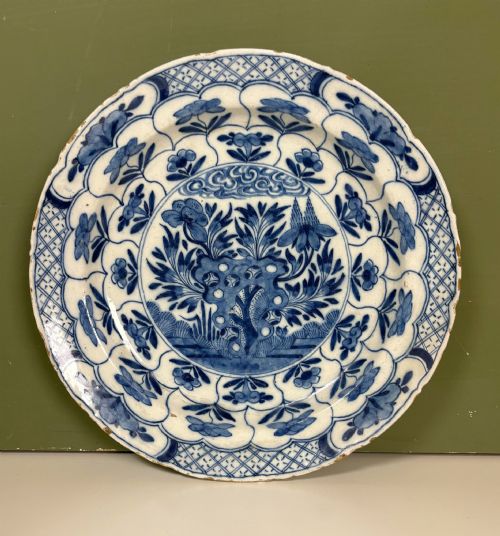
When you search for 18th century tin glazed items, you encounter a diverse array of earthenware objects spanning chargers, apothecary jars, and decorative bowls. The selection on this page centres predominantly on chargers and dishes alongside domestic vessels originating from Dutch, English, and broader continental kilns.
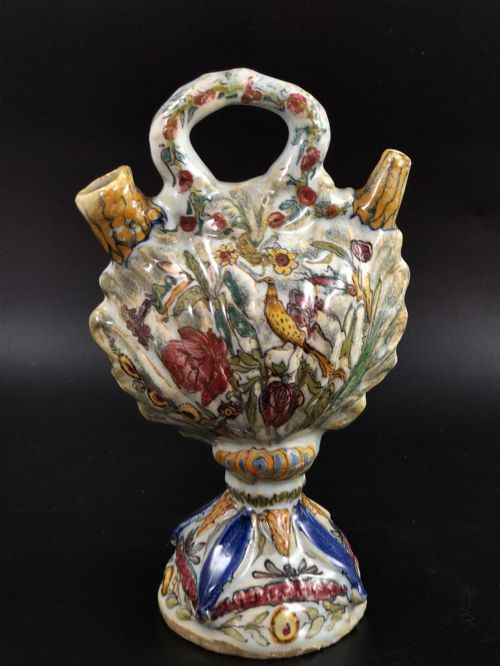
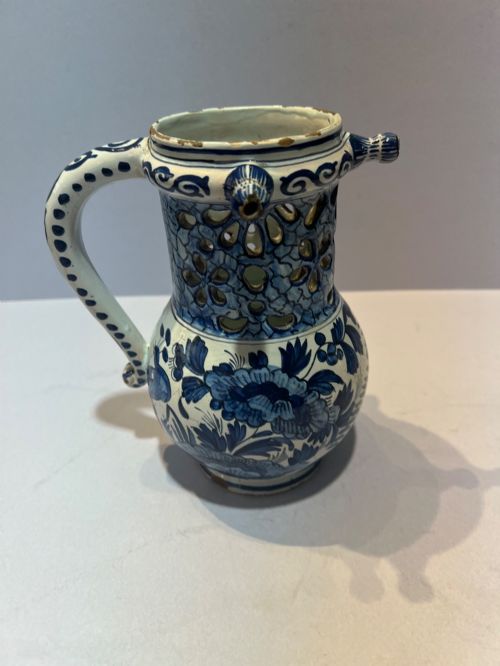
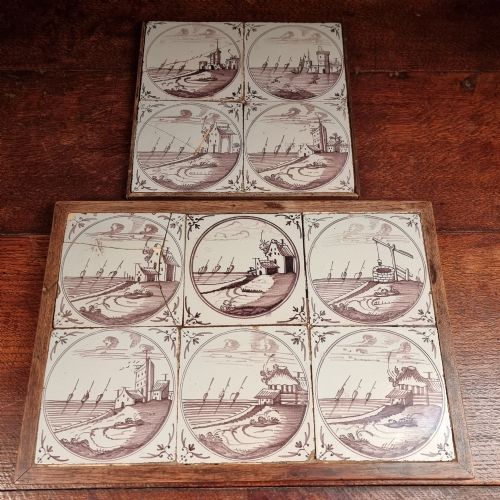
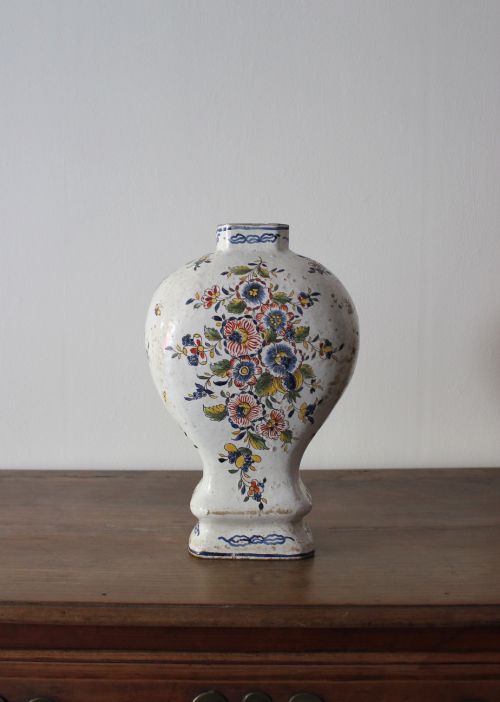
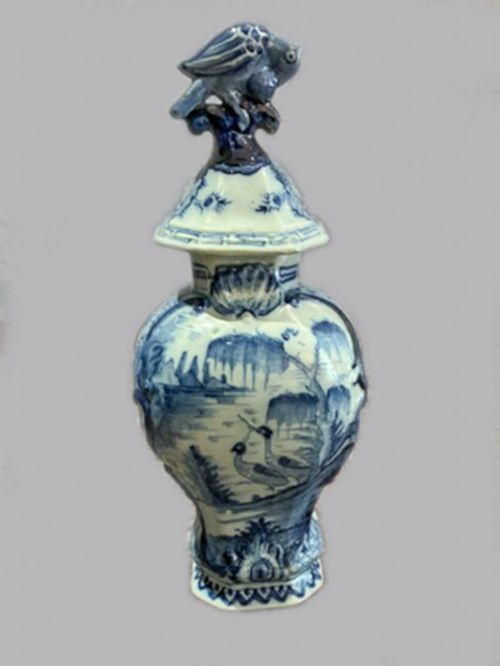
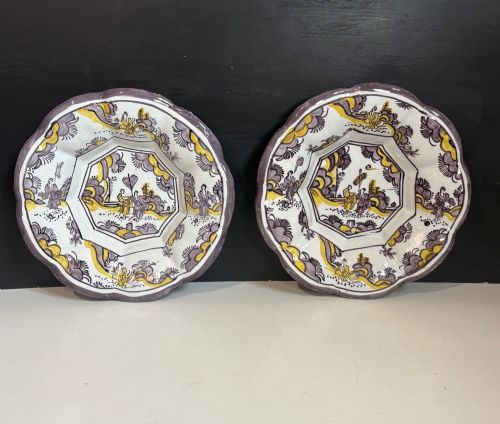
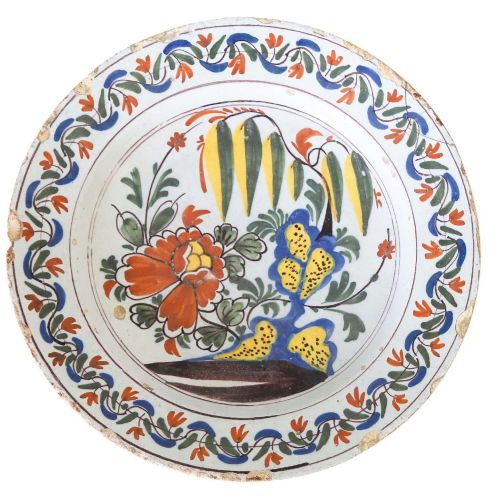
Makers produced everything from large display chargers painted with blue and white motifs to specialised items like puzzle jugs, drug jars, and devotional plaques. Dutch Delftware dominates the grouping, accompanied by English, French, and Italian examples showing polychrome palettes or manganese and yellow pigments.
Materials and construction
Potters formed these items from earthenware clay, coating the fired body in a tin-opacified glaze that provided a smooth, milky-white background for hand-painted decoration. Artisans applied cobalt pigment, manganese, and polychrome oxides directly onto the raw, absorbent glaze before a final kiln firing fixed the colours.
The combination of earthenware bodies and tin glaze required careful control during firing to prevent warping and to achieve the characteristic glossy finish that holds the painted scenes.
Listings feature earthenware materials decorated with cobalt pigment and tin glaze across forms like apothecary jars, chargers, and vases.
Evaluating quality in tin glazed ceramics
Quality rests heavily on the confidence and crispness of the hand-painted decoration, distinguishing hurried factory output from more skilled brushwork. The uniformity of the white tin glaze and the stability of the fired colours also dictate the visual strength of each vessel.
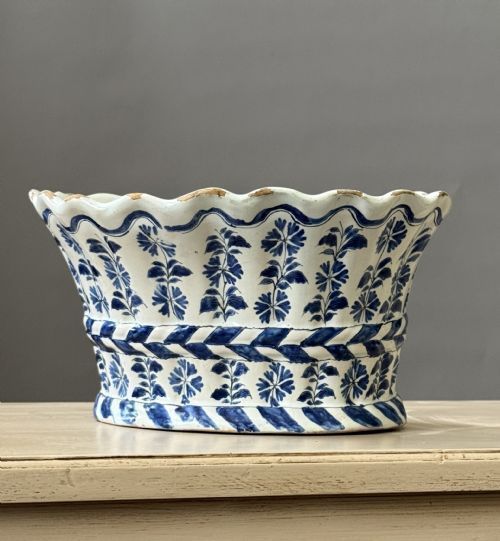
Peculiarities in the potting process, such as the weight of a charger or the proportion of a bough pot and lid, separate standard utilitarian containers from ambitious display pieces.
The 18th Century Tin Glazed Glossary
- Tin glaze
- An earthenware glaze rendered opaque and white by the addition of tin oxide. This coating creates the characteristic canvas for painted cobalt and pigment decoration.
- Charger
- A large ornamental or serving plate intended primarily for wall display or sideboard presentation rather than daily dining. These wide surfaces often feature elaborate historical or floral scenes.
- Polychrome
- Decoration employing multiple colours rather than a single pigment like blue and white. Artisans used varied metallic oxides to achieve these richer palettes.
- Apothecary jar
- A storage vessel used in pharmacies to hold dry drugs, wet syrups, or medicinal ointments. Many carry painted labels denoting their original contents.
- Delftware
- Tin-glazed earthenware produced in the Netherlands and England. The term encompasses a broad range of domestic and ornamental forms.
18th Century Tin Glazed: Frequently Asked Questions
How were apothecary jars used?
Apothecary jars served as storage containers in medical dispensaries and shops for holding specific medicinal ingredients, herbs, and syrups. Pharmacies kept them on shelves to organise dry drugs or wet preparations.
The painted labels on the front identified the contents so practitioners could quickly locate necessary remedies during daily practice.
What is a puzzle jug?
A puzzle jug is a specialised drinking vessel designed with perforated necks and multiple spouts meant to challenge the drinker. Guests had to figure out how to cover hidden holes with their fingers to drink the contents without spilling.
Potters made these vessels as interactive table pieces for taverns and social gatherings during the period.
How do I care for tin glazed earthenware?
Tin glazed earthenware requires gentle handling because the ceramic body is relatively soft and the glaze can chip along the rims. Keep these pieces away from modern dishwashers and harsh cleaning agents.
Dust them softly with a dry cloth and avoid exposing them to sudden temperature changes that might stress the historic glaze.
How can I tell English from Dutch delft?
English and Dutch delft share similar production methods, but subtle traits in the clay body and glaze can help separate them. English earthenware often shows a slightly pinker or coarser fabric under the glaze compared to finer Dutch equivalents.
Palette choices and floral motifs also reflect regional painting styles developed by local potteries in places like Bristol, Lambeth, or Delft.