

Gilt Ceramic Dishes
Gilt ceramic dishes bring cabinet plates, serving bowls and decorative tureens together through gilded highlights on porcelain, bone china and earthenware.
Gilt Ceramic Dishes
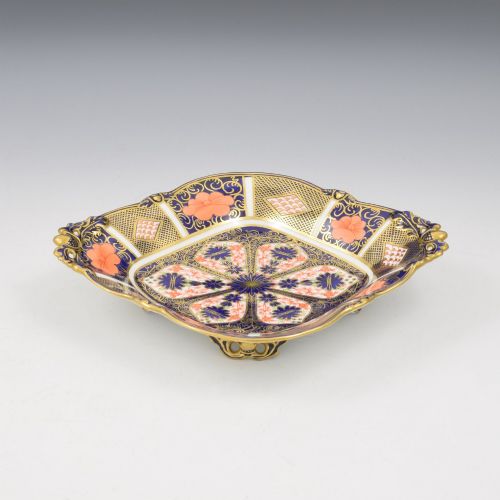
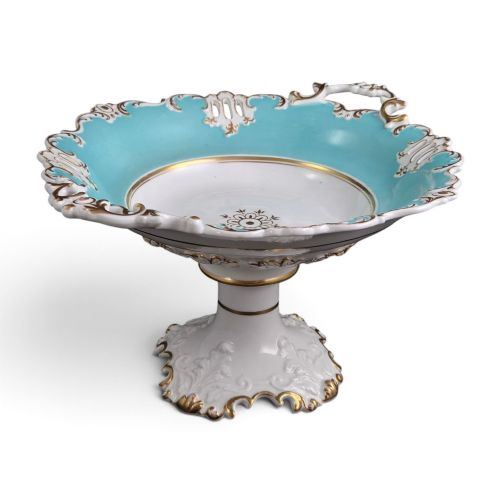
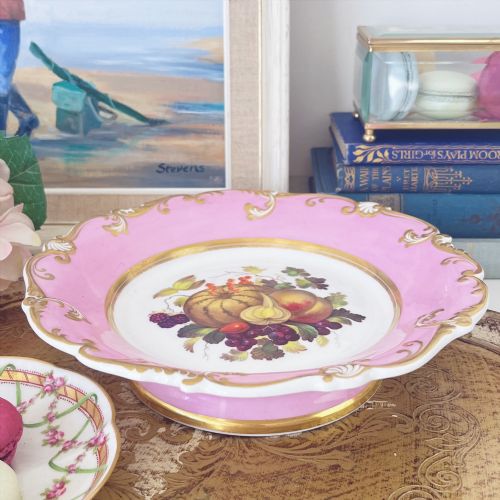
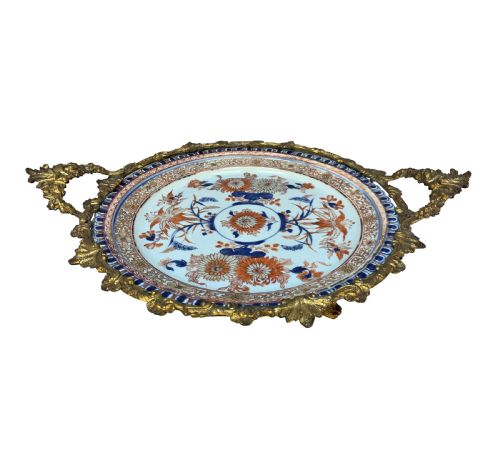
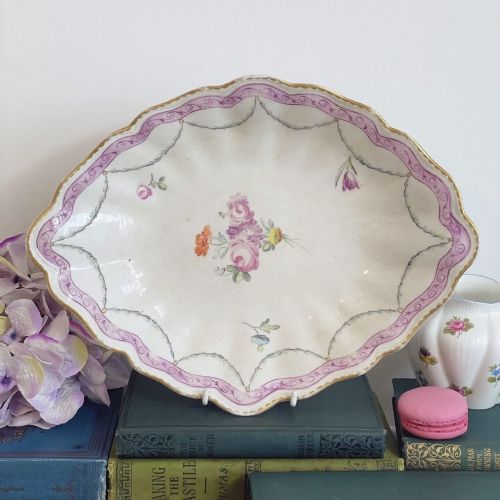
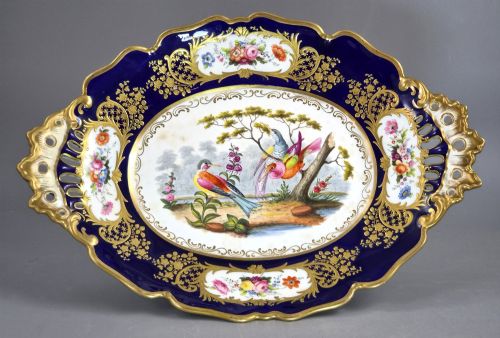
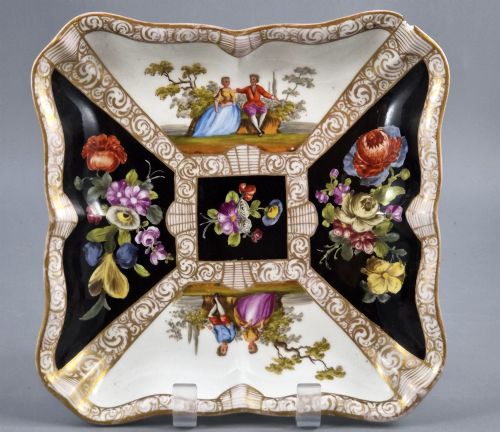
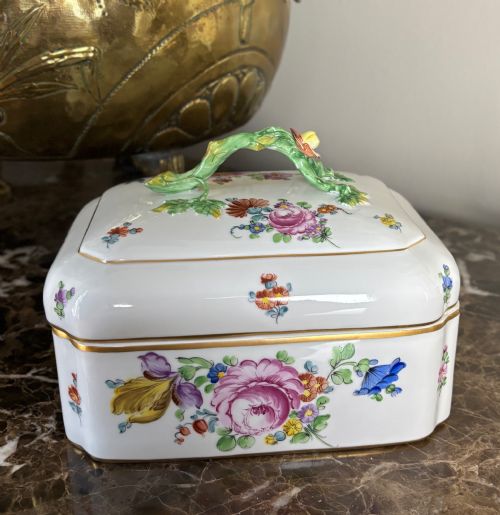
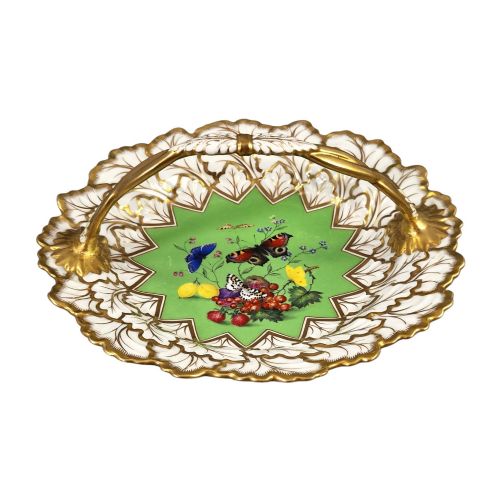
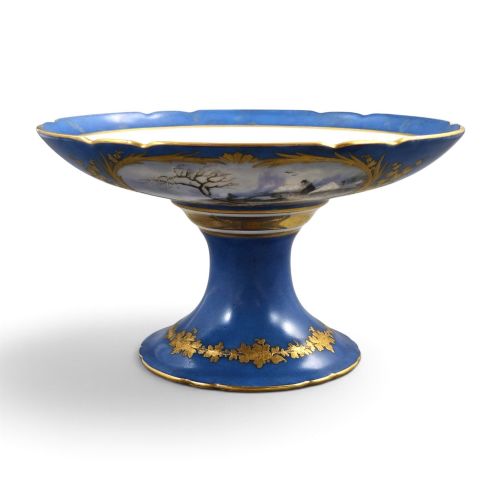
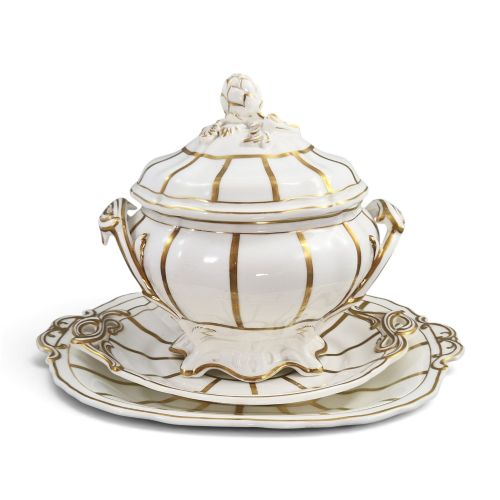
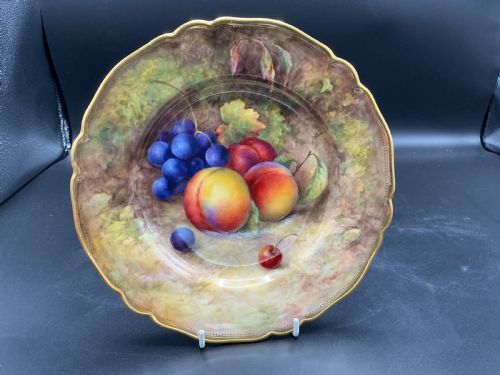
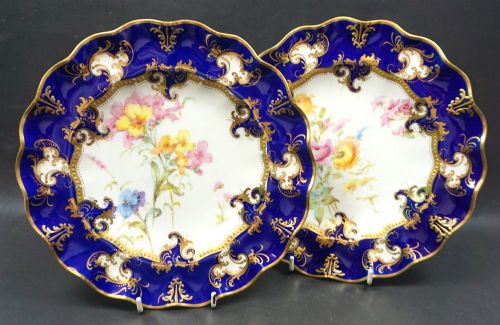
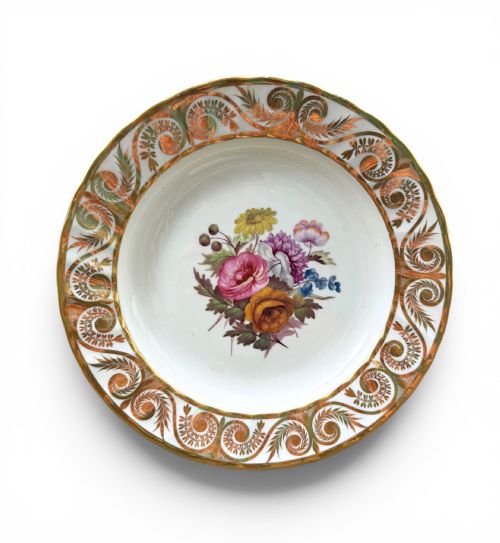
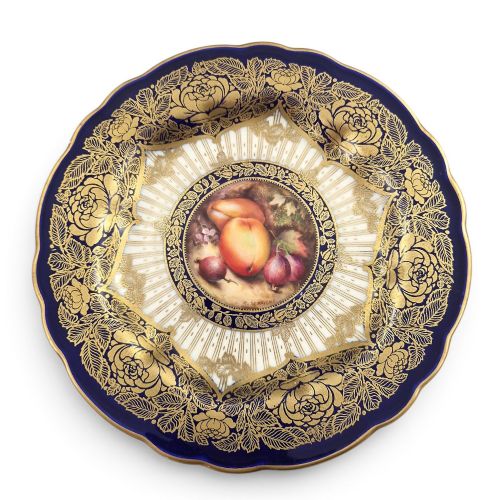
When searching for gilt ceramic dishes, collectors encounter an array of functional and display vessels spanning the eighteenth, nineteenth and early twentieth centuries. These pieces encompass cabinet plates, dessert dishes, footed comports, sugar boxes and tureens created by major European and Asian potteries. The selection on this page relies heavily on nineteenth-century English bone china and porcelain, alongside French, German and Japanese examples decorated with metallic leaf and painted scenes.
Forms range from simple shell-edge plates to elaborate pedestal bowls with butterfly handles and Ormolu mounts. Makers utilised porcelain, bone china, ironstone and enamel to fashion vessels intended for formal dining tables or decorative display cabinets. Many bear handpainted floral motifs, exotic bird studies, landscapes or Watteau scenes framed by intricate gilded borders.
Materials and production methods
Potters formed these items using hard-paste porcelain, soft-paste porcelain, bone china and refined earthenware bodies shaped on wheels or pressed into moulds. Artisans applied polychrome enamels and underglaze cobalt blue before the final firing stages fixed the colours beneath or above the glaze surface. Ormolu mounts and metal stands occasionally complemented ceramic bowls to elevate their status.
Gilding was applied using gold leaf or liquid gold preparations, which required subsequent firing in a kiln to bond the metal to the ceramic body. Once fixed, craftsmen frequently burnished the gold highlights with agate stones to achieve a bright contrast against white, cobalt blue, turquoise or pink ground colours.
Object forms span cabinet plates, decorative bowls, serving dishes, sugar boxes and footed comports attributed to major English and European factories.
Assessing craftsmanship and finish
Quality rests upon the precision of the handpainting and the purity of the ceramic body. Superior pieces exhibit finely detailed brushwork by named artists, crisp moulding and deep, even colour grounds without firing blemishes in the glaze.
The application and burnishing of the gilding further distinguish standard wares from exceptional examples. Thick, hand-chased or deeply polished gold leaf indicates superior atelier work compared to thin, flat metallic paint that shows signs of rubbing or fading.
Coalport·H & R Daniel·Meissen·Flight Barr And Barr·Sèvres·Davenport·Royal Crown Derby·Royal Worcester·Minton·Chamberlains Worcester·Royal Doulton·Wedgwood
The Gilt Ceramic Dishes Glossary
- Bone china
- A type of soft-paste porcelain incorporating bone ash for increased strength and translucency.
- Cabinet plate
- A decorative plate intended for display in a cabinet rather than for serving food at the table.
- Comport
- A raised dish or bowl on a foot, commonly used for serving fruit or sweets during dessert courses.
- Gilding
- The application of gold leaf or gold dust to the surface of ceramic bodies for decorative effect.
- Ormolu
- Cast brass that has been mercury-gilded, frequently used as decorative mounts for porcelain vessels.
- Sucrier
- A small covered sugar bowl or vessel designed for use in a tea or coffee service.
Gilt Ceramic Dishes: Frequently Asked Questions
How do I date these dishes?
Dating relies on identifying factory backstamps, pattern numbers, and stylistic markers such as Rococo Revival scrolls or Aesthetic movement motifs. Physical characteristics of the ceramic paste and glaze also provide clues to the period of manufacture.
Comparison with documented pieces from makers like Coalport or Worcester helps narrow down the decade of production.
Can I use these for serving food?
Most antique pieces function better as display items or cabinet plates due to the fragility of nineteenth-century enamels and delicate gold leaf. Historical gilt wares often suffer surface wear and loss of metallic lustre when subjected to modern detergents and cutlery.
Gentle hand washing in lukewarm water with mild soap suits the occasional sturdy serving dish if required.
How should I clean gilt ceramics?
Cleaning requires a soft, dry cloth or a slightly damp sponge without abrasive compounds. Harsh scrubbing removes the delicate gold leaf applied over the glaze during manufacture.
Avoid soaking pieces with metal mounts or handpainted overglaze decorations in water for extended periods.
What is the difference between porcelain and bone china?
Porcelain consists of kaolin and petuntse fired at high temperatures to create a vitrified, translucent body. Bone china incorporates animal bone ash into the clay mixture, producing a warmer white tone and increased chip resistance.
Both materials readily accept gilding and enamel painting techniques.