

French Rococo Ceramics
French rococo ceramics bring together the delicate forms and playful asymmetry of eighteenth-century design.
French Rococo Ceramics
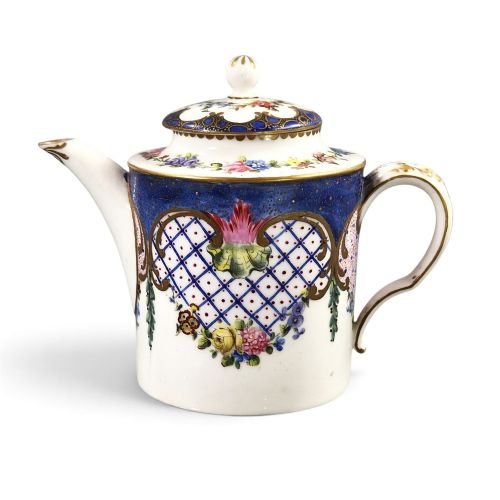
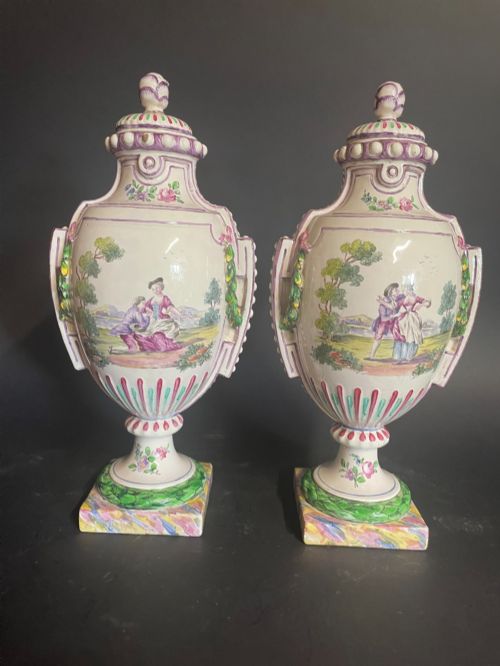
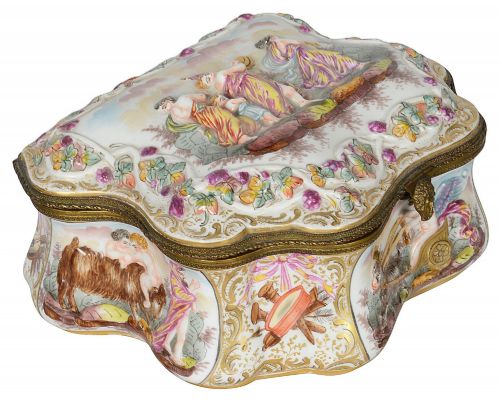
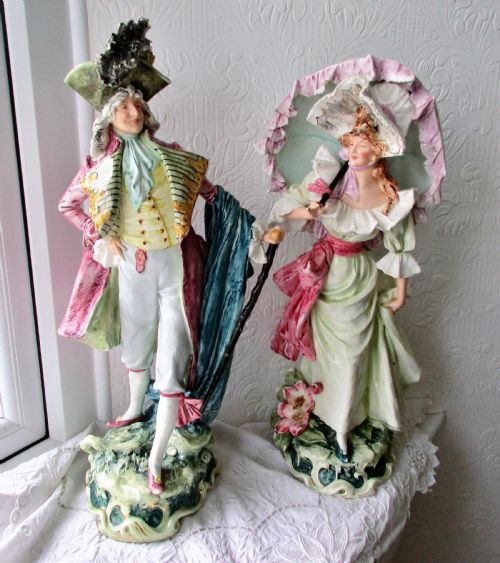
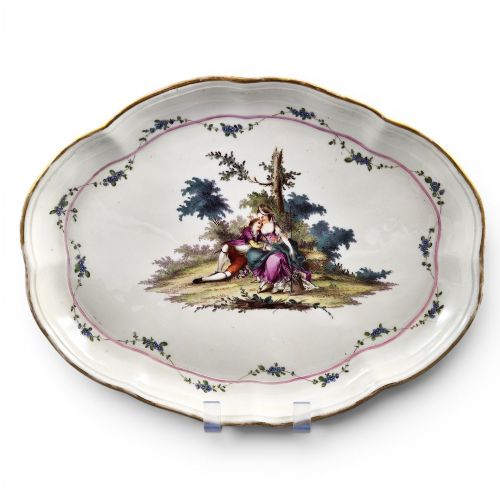
French rococo ceramics encompass a variety of decorative objects, ranging from soft-paste porcelain tableware to glazed earthenware figures created during the eighteenth and nineteenth centuries. When exploring french rococo ceramics, buyers frequently encounter nineteenth-century revival pieces alongside genuine eighteenth-century examples originating from factories like Sèvres, Chantilly, and Marseille.
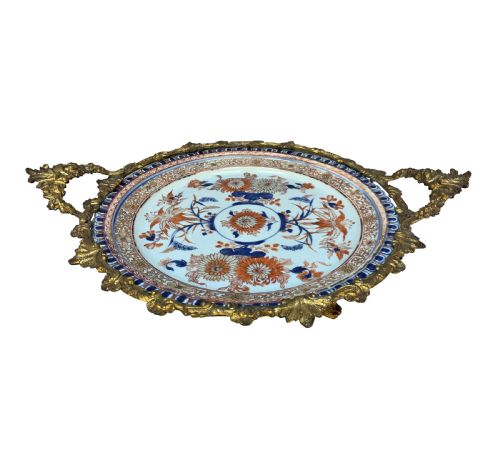
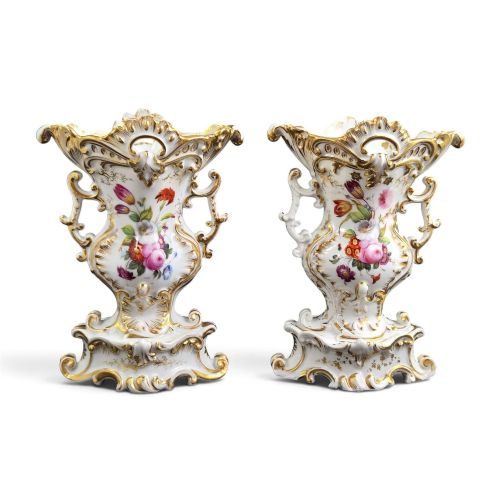
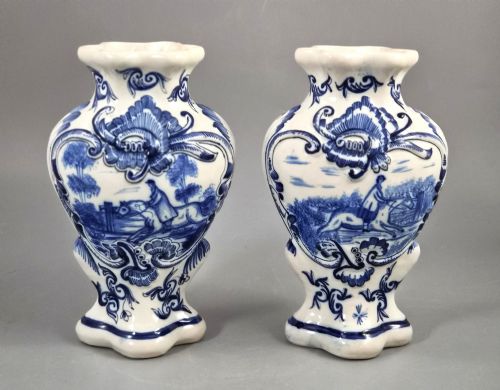
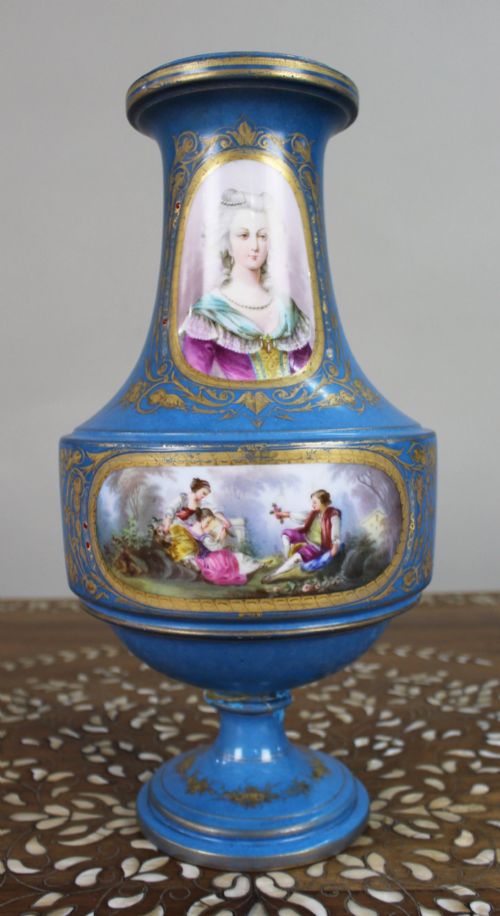
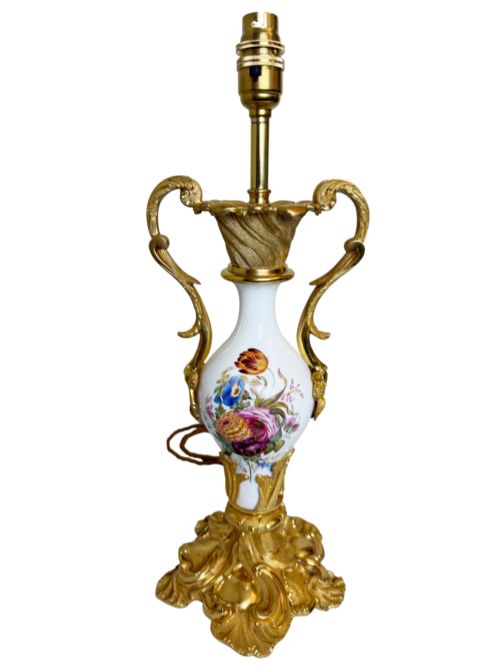
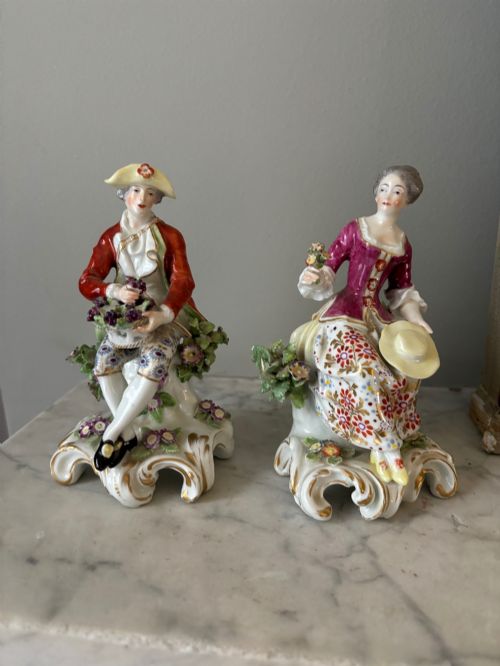
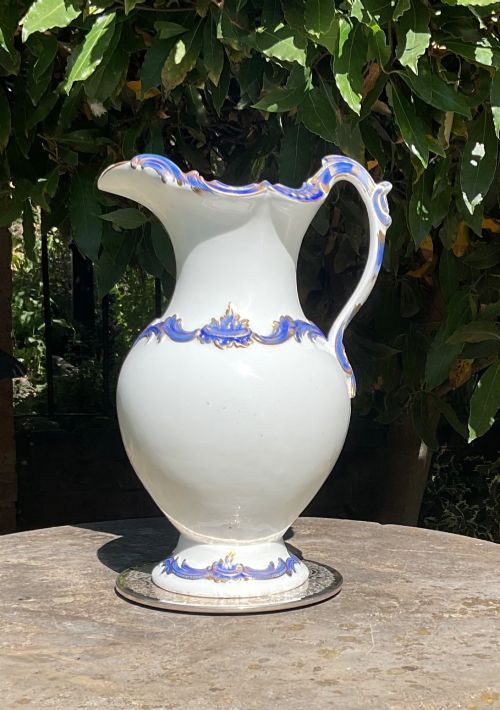
The category includes figurines, vases, cabinet plates, and ewers shaped by natural curves and ornamental scrolls. Many of these pieces incorporate elaborate mounts of gilt bronze or ormolu, marrying ceramic bodies with metalwork.
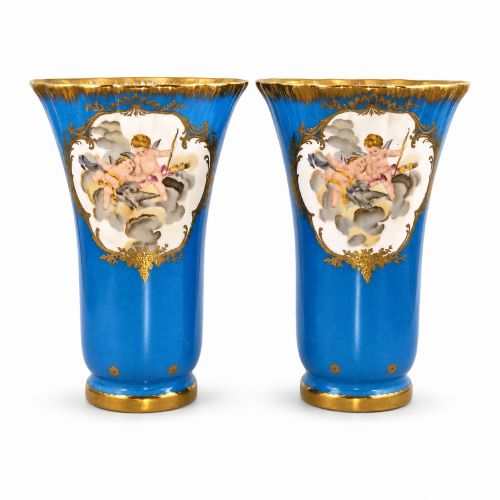
Makers often drew inspiration from earlier traditions, producing items decorated with floral motifs, pastoral scenes, and bleu céleste grounds. The selection reflects both the initial Georgian and Louis XV periods and the subsequent Victorian revivals of the late nineteenth century.
How They Were Made
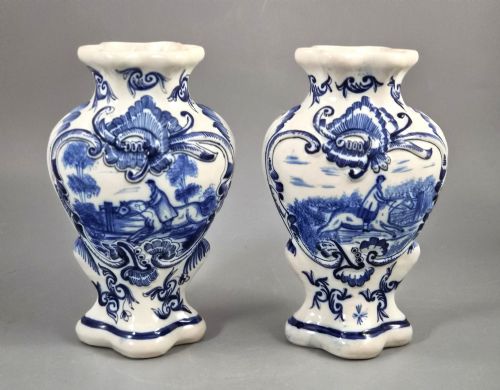
Makers utilised soft-paste porcelain and faience, shaping bodies through moulding and hand-forming before applying tin glazes or translucent lead glazes. Artisans painted fine details by hand using enamel pigments, often incorporating raised white enamel and gold leaf.
Many ceramic bodies were fitted with cast ormolu and gilt bronze mounts, requiring collaborative work between ceramicists and metalworkers. Kiln firing fixed the underglaze and overglaze decorations, achieving the characteristic glossy finish and vibrant colour palettes seen on plates, vases, and figures.
Materials recorded across the inventory include faience, soft-paste porcelain, enamel, ormolu, and gold leaf.
What Varies in Quality
The precision of the hand-painted decoration separates standard production from exceptional work, particularly in the rendering of facial expressions on figures and the execution of intricate floral borders. Finer examples display meticulous brushwork and delicate colour blending without blurring or misaligned enamel transfers.
The quality of associated metalwork also distinguishes pieces, as finely chased ormolu mounts indicate a higher tier of production than simpler gilt bronze elements. Furthermore, the crispness of moulding in soft-paste porcelain or faience reflects the skill applied during the initial shaping process.
Jacob Petit·Fourmaintraux Courquin·Edme Samson·Vion et Baury
The French Rococo Ceramics Glossary
- Soft-paste porcelain
- A ceramic composition made from glass and white clay materials rather than true kaolin and petuntse. It vitrifies at lower temperatures and yields a warm glaze tone.
- Ormolu
- Finely ground high-purity gold applied to a bronze base object through mercury amalgamation or electroplating. It provides a rich, durable metallic finish.
- Bleu céleste
- A bright sky-blue enamel ground colour developed at the Sèvres factory. It gained widespread popularity during the eighteenth century and subsequent revivals.
- Biscuit porcelain
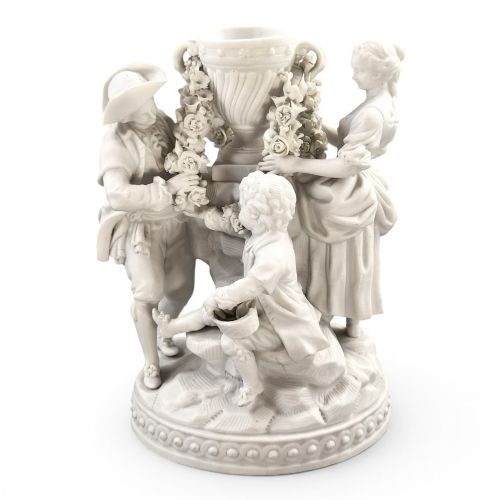
- Unglazed ceramic fired only once to a hard, matte state. It resembles white marble and was frequently used for sculptural figures.
French Rococo Ceramics: Frequently Asked Questions
What is soft-paste porcelain?
Soft-paste porcelain is an artificial ceramic composition developed by European factories before the discovery of true hard-paste porcelain recipes. It produces a softer, warmer visual texture beneath the glaze.
Potters shaped this material into intricate tableware and figures, firing it at lower temperatures than true porcelain. This resulted in distinctive glaze pooling and translucency.
How do I spot a revival piece?
Nineteenth-century revival pieces often mimic eighteenth-century styles, such as Louis XV designs, but typically exhibit different factory marks and heavier potting techniques. Examining the style of the enamel painting and the composition of the ceramic body helps reveal the true period of manufacture.
Makers like those in nineteenth-century Paris frequently reproduced earlier forms with distinct manufacturing methods. Comparing known factory marks assists in confirming the production era.
Where were these ceramics made?
Production centred around established French manufacturing towns, including Paris, Sèvres, Chantilly, Limoges, and Desvres. Each region developed specific formulas for pastes and glazes.
Factories ranged from royal establishments producing table services for the court to smaller workshops creating decorative figures and vases for the broader market.
How should I clean porcelain?
Porcelain items require gentle handling, using a soft, dry cloth to remove surface dust. Water immersion should be avoided for pieces with exposed soft-paste bodies or delicate metal mounts.
Harsh chemical cleaners damage hand-painted enamel and gilding. Periodic dusting maintains the glaze without risking abrasion.