


French Faience Dishes
French faience dishes are tin-glazed earthenware vessels that bring hand-painted provincial charm and historic palettes to a table.
French Faience Dishes
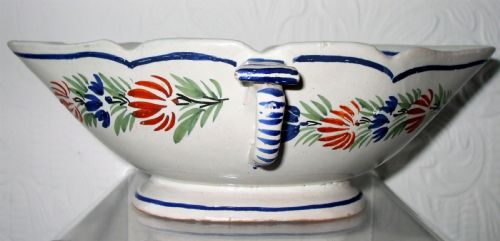
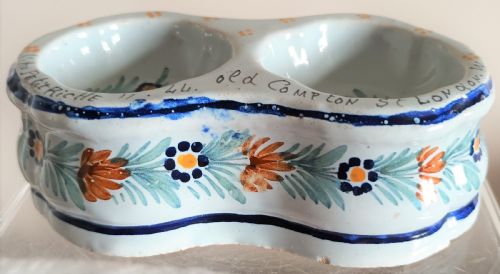
French faience dishes encompass a broad array of tin-glazed earthenware forms, including serving dishes, chargers, salt cellars, sauceboats, and pin trays. You will frequently encounter Quimper pieces alongside items originating from Desvres, Rouen, Lille, and Marseille.
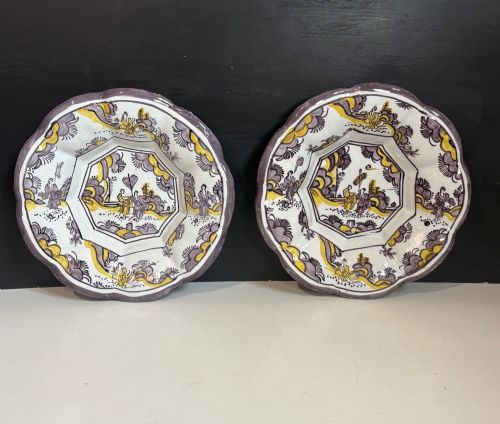
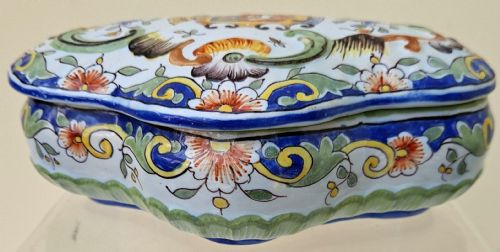
The objects span multiple centuries, ranging from eighteenth-century examples featuring manganese and yellow colourways to nineteenth-century blue and white vide-poche dishes. Forms vary from simple decorative plates to double sauceboats and sweetmeat presentiers.
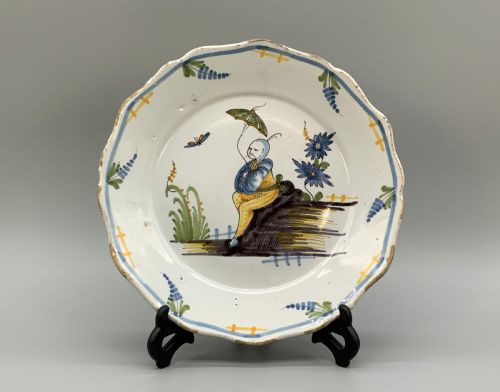
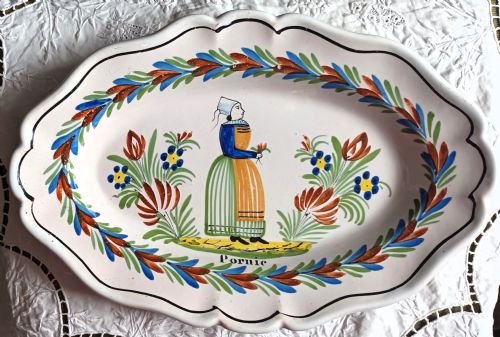
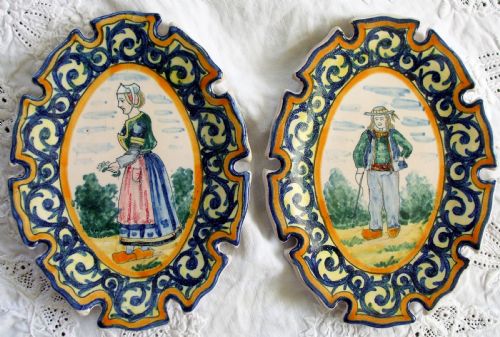
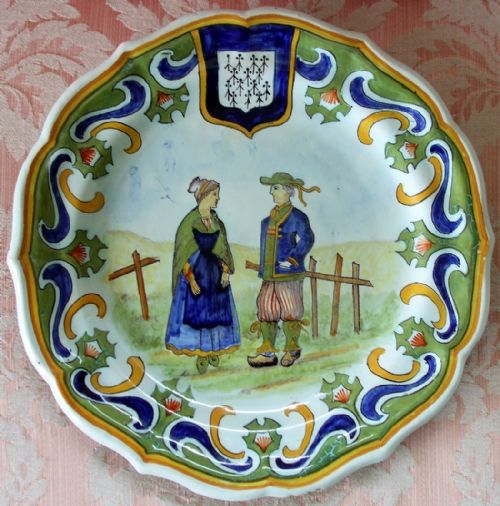
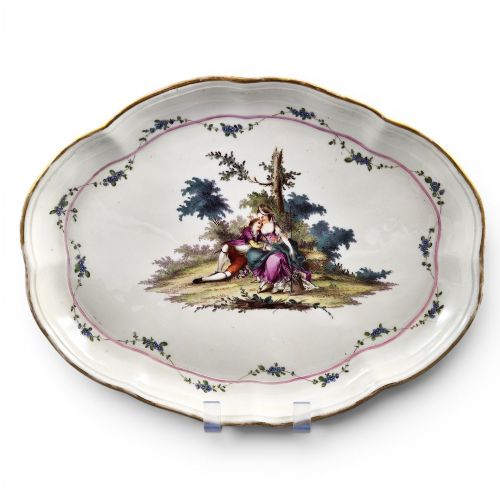
The styles lean heavily into French provincial and French country aesthetics, alongside eighteenth-century European traditions and Renaissance Revival designs. These pieces often feature hand-painted scenes or figures executed in distinct regional palettes.
How They Were Made
The pieces are constructed from earthenware and coated in a tin glaze that creates an opaque white or cream surface suitable for painting. Artisans applied enamel colours directly onto this absorbent glaze before firing.
Decoration is achieved through hand painting, utilising pigments that range from blue and white to puce camaieu and multi-coloured enamel schemes. The resulting surface preserves the brushwork and individual touches of the decorator.
The listings include earthenware items spanning from seventeen-fifty through the nineteenth and twentieth centuries.
What Varies in Quality
Quality rests in the crispness of the hand-painted brushwork and the control of the enamel during the firing process. Finer pieces display deliberate pictorial detail and balanced compositions rather than rushed execution.
The weight and purity of the tin glaze also distinguish finer examples, where an even, luminous surface enhances the underlying earthenware. Finer potting and well-defined moulding elevate forms such as double sauceboats and sweetmeat presentiers.
Joseph Gaspard Robert·HB Quimper·HR Quimper
The French Faience Dishes Glossary
- Faience
- Tin-glazed earthenware produced in France. This ceramic body serves as the canvas for the characteristic painted enamel decoration found on these dishes.
- Tin Glaze
- An opaque white glaze containing tin oxide applied to earthenware. It provides the smooth, pale background necessary for traditional painted designs.
- Vide-Poche
- A small shallow dish designed for emptying pockets. These items appear in nineteenth-century blue and white earthenware.
- Sauceboat
- A boat-shaped vessel used for serving sauces or gravies. Double versions feature two pouring spouts or compartments.
- Sweetmeat Presentier
- A specialised serving dish intended for confectionery or sweet delicacies. These formal pieces often date to the eighteenth century.
French Faience Dishes: Frequently Asked Questions
How do I identify eighteenth-century faience?
Eighteenth-century pieces typically display characteristic palettes such as manganese, yellow, or puce camaieu. The forms often reflect period styles like French Rococo.
Examine the tin glaze and the hand-painted brushwork for the softer, organic qualities typical of earlier manufacture.
What is Quimper faience?
Quimper faience refers to tin-glazed earthenware produced in the French town of Quimper. These items frequently feature regional figures and floral motifs.
Stamps or painted initials such as HB or HR often appear on the underside of these pieces.
Can I use these antique dishes for food?
Most antique faience dishes are collected for display rather than daily dining. Historic tin glazes can be delicate and sensitive to modern detergents.
Gentle hand washing is recommended if you choose to use them for serving.
Where were Desvres dishes made?
Desvres is a French town renowned for its ceramic production, often emulating earlier regional styles. Desvres pieces frequently share decorative motifs with Rouen wares.
They combine traditional tin-glazed techniques with nineteenth-century production methods.