


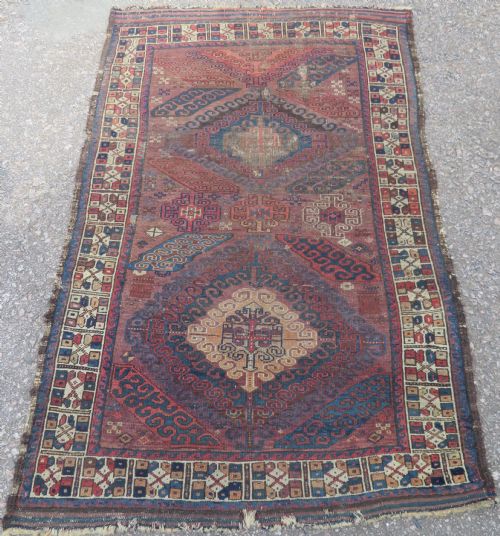


Faded Persian Rug
A faded persian rug brings genuine historical depth into a room through worn wool pile and soft, muted tones shaped by decades of sunlight and use.
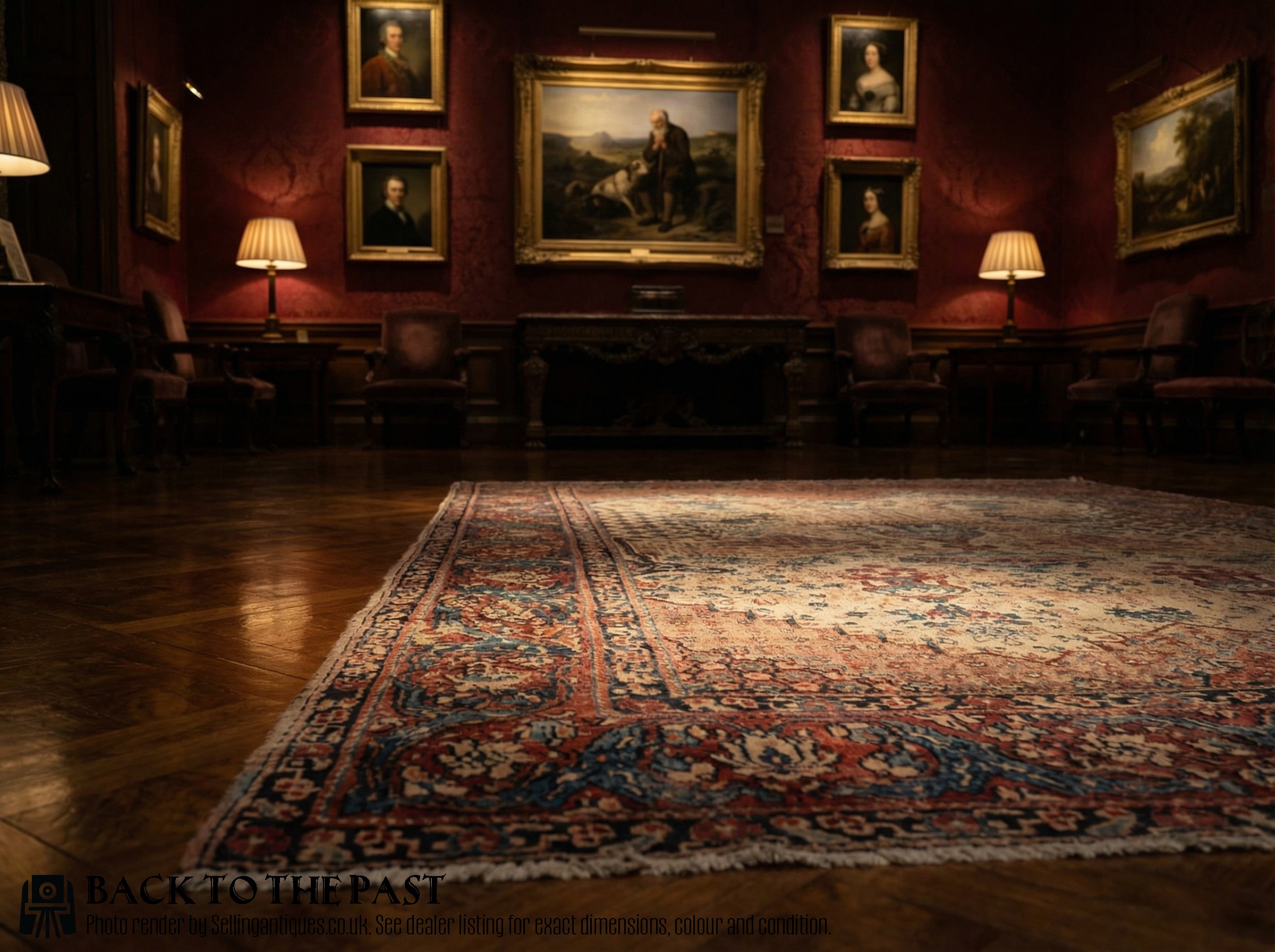
Faded Persian Rug
A faded persian rug represents centuries of weaving tradition from centres such as Tabriz, Kirman, Sarouk, Ushak, Khamseh, Qashqai, Kashan, and Meshed. Buyers seeking this aesthetic find room-sized carpets, area rugs, and narrow runners spanning the late nineteenth century up to the 1920s.
The pieces available showcase distinct regional designs, from the formal medallions of Tabriz and Kirman to the expressive, tribal character of Qashqai and Khamseh examples. Most pieces carry a visibly distressed surface where time has softened the palette and unified the design.
These floor coverings suit both traditional and contemporary interiors because their subdued colours blend quietly into modern schemes. The selection leans heavily toward Persian and Ottoman influences, preserving intricate patterns beneath softened patinas.
How they were made
Makers built these carpets using a sturdy foundation of spun cotton for the warp and weft, which provided the structural grid necessary for large formats. Hand-knotted wool pile was then worked into this foundation row by row, clipped for evenness, and washed to settle the fibres.
Natural dye materials infused the wool with rich hues that mellowed gradually over generations of exposure to light and foot traffic. The density of the knotting determined how sharply the intricate floral or geometric motifs held their definition as the pile wore down.
Faded Persian Rug Retail Price Guide 2026
Typical asking prices for faded persian rug among the pieces listed under this phrase on Sellingantiques today, from the lower quarter to the upper quarter. They describe what is for sale here now, not the wider market.
Regional styles represented span traditional Persian weaving alongside Ottoman designs from Ushak.
What varies in quality
The refinement of the knotting and the complexity of the regional design separate standard domestic weaving from master workshop production. Finer wool selection ensures that even heavily worn surfaces retain structural integrity rather than shedding entirely.
Proportion and symmetry in traditional medallion or field layouts dictate the visual success of the piece. The character of the fading itself matters greatly, distinguishing an even, graceful mellowing from harsh or uneven thinning.
The Faded Persian Rug Glossary
- Warp
- The vertical cotton threads stretched tightly on the loom that form the skeleton of the rug. Fringe ends typically originate from these foundational threads.
- Weft
- The horizontal threads passed back and forth across the warp to secure the knots in place. This structure gives the carpet its rigidity.
- Pile
- The upright wool fibres that create the surface of the rug and receive the wear. As this layer wears down, the rug acquires its faded look.
- Medallion
- A large central ornamental design motif placed in the middle of the field. This focal point anchors the geometric or floral composition.
Faded Persian Rug: Frequently Asked Questions
How do I clean a faded persian rug?
Gentle vacuuming without a rotating beater bar removes trapped dust without pulling at fragile wool fibres. Professional specialist cleaning remains essential for addressing deep soil.
Water and harsh detergents damage antique dyes and weaken old cotton foundations. Quick blotting with a dry cloth handles accidental spills safely.
Can I place these rugs in high traffic areas?
Sturdy wool construction allows these carpets to endure moderate walking when paired with a quality underlay. The already distressed pile means minor further wear blends into the existing character.
Placing them away from direct, harsh sunlight prevents uneven fading across the surface. Regular rotation ensures the rug wears evenly over the years.
What causes the faded look on these carpets?
Decades of natural sunlight filtering through windows gradually soften bright vegetable and mineral dyes. Regular foot traffic contributes by gently abrading the tips of the wool pile.
Age transforms vivid primary colours into muted, earthy tones that collectors prize. This mellowed appearance cannot be fully replicated by artificial distressing.
How do I identify the origin of a rug?
Design motifs, border styles, and colour palettes point directly to specific weaving regions like Kirman or Tabriz. Tribal pieces often feature asymmetrical layouts and coarser materials.
Structural details such as knot density and selvage wrapping provide further clues. Comparing the field design against known regional patterns confirms the provenance.