


Facet Cut Glass
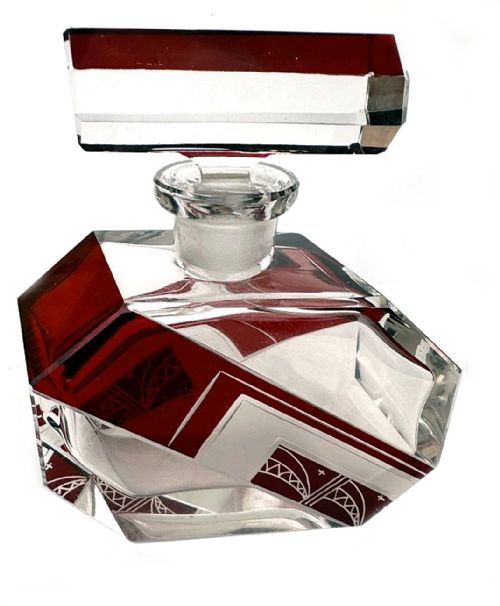
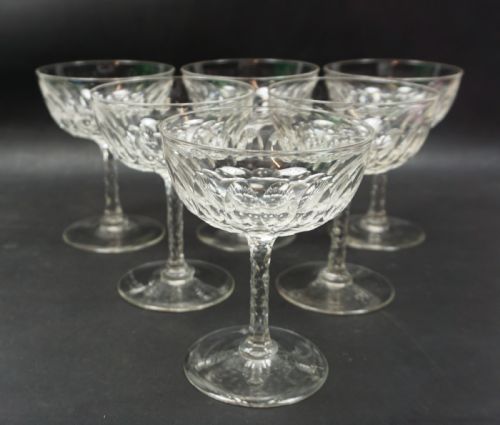
When searching for facet cut glass, collectors encounter drinking vessels, decanters and scent bottles shaped by light and geometric planes.
Facet Cut Glass
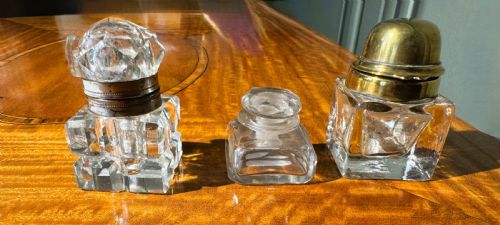
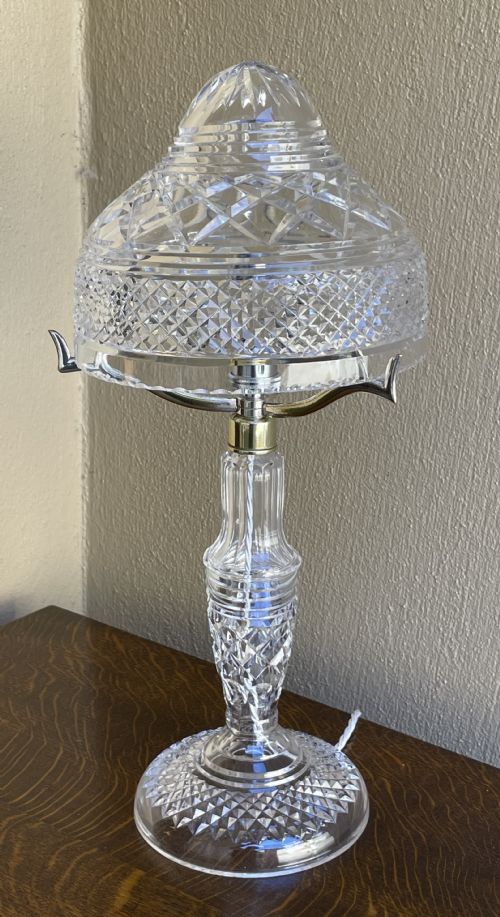
Facet cut glass spans drinking vessels, decanters, scent bottles, inkwells and lighting from the eighteenth century to the twentieth century.
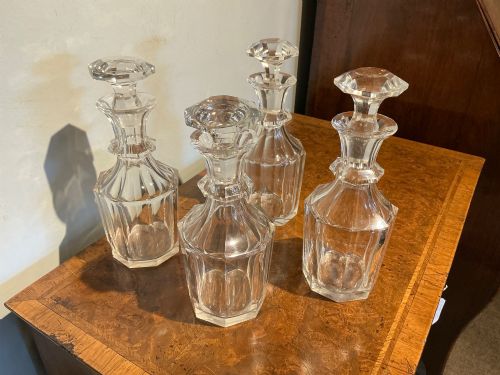
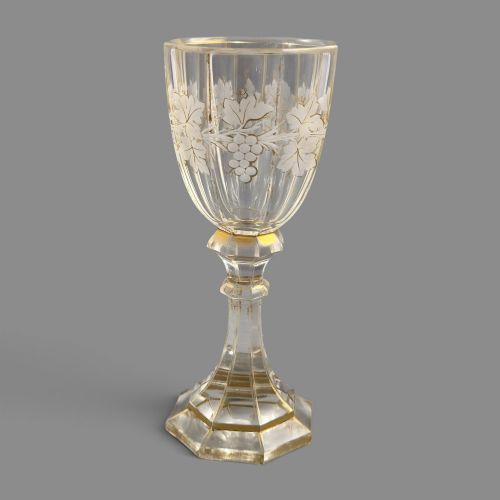
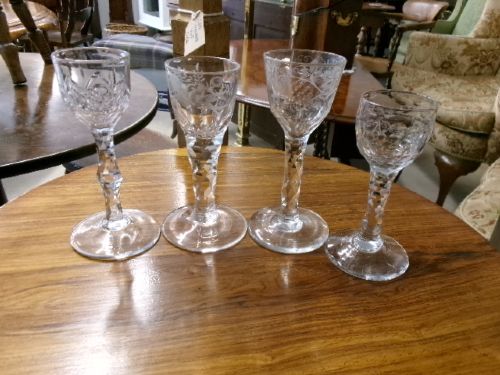
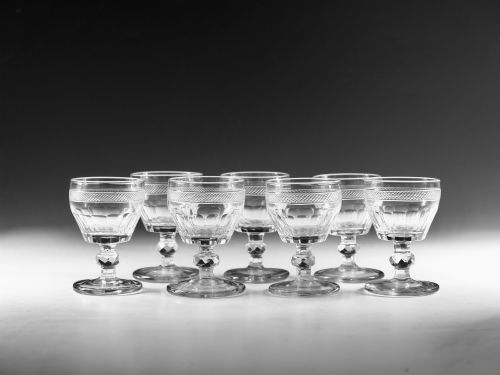
Georgian drinking glasses with faceted stems appear alongside Victorian decanters and Edwardian cordial glasses.
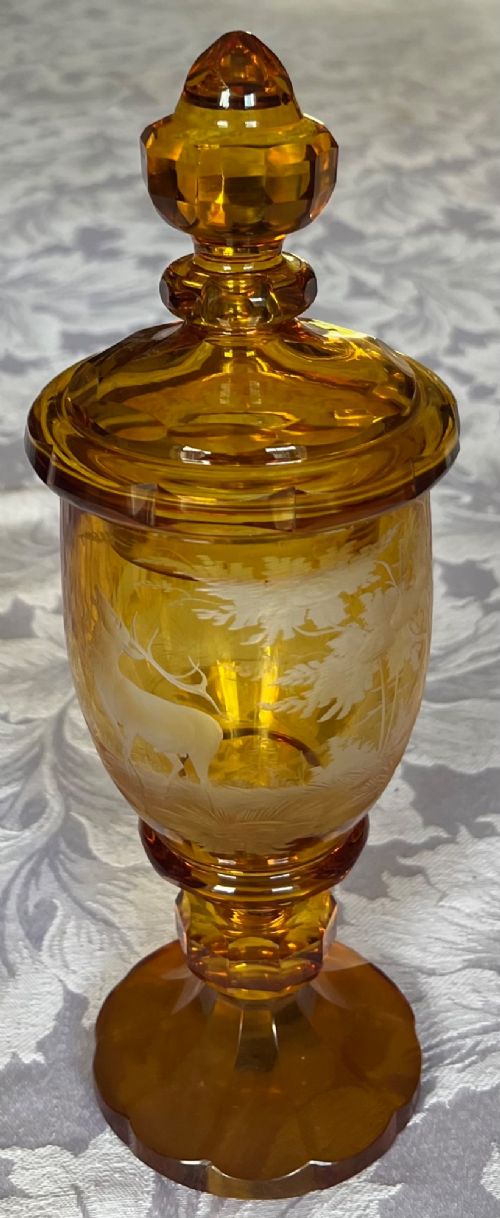
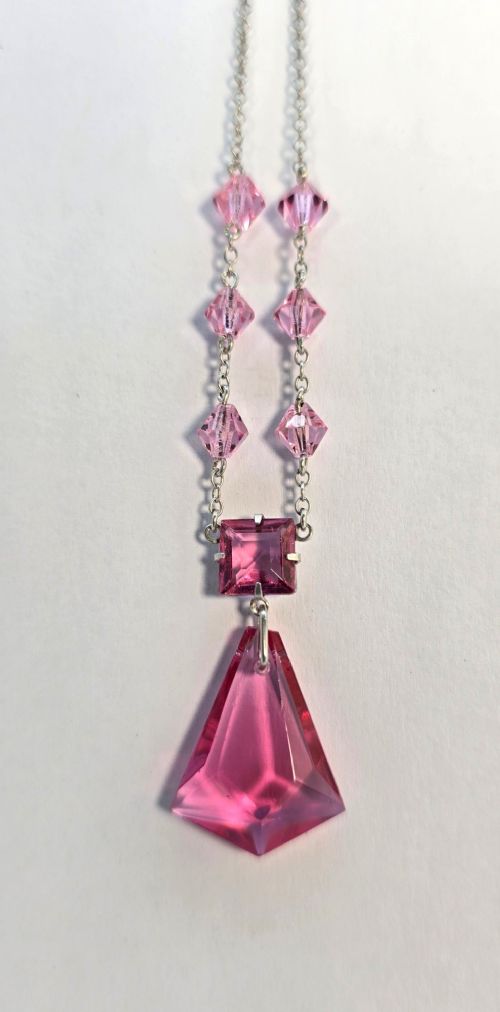
French and Bohemian works introduce coloured glass, overlay techniques and silver mounts to the tradition.
Materials and cutting methods
Glassmakers shaped lead crystal and glass through wheel-cutting, grinding and polishing to create sharp, reflective planes.
Silver, sterling silver and gilt bronze mounted the glass edges on scent bottles, decanters and lamps.
Enamelling, gilding and wheel engraving embellished bowls and surfaces alongside the geometric facets.
Some eighteenth-century drinkers slammed their heavy firing glasses on the table so hard the thick bases earned them a permanent reputation for resilience.
Judging the work
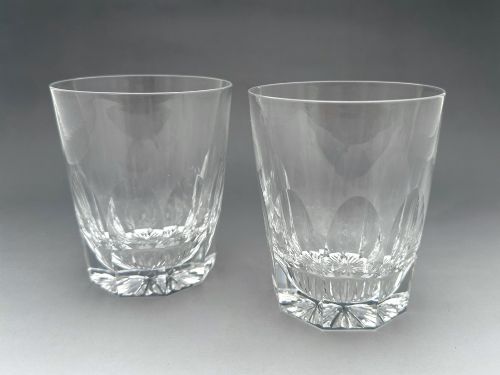
The crispness of the facet edges and the depth of the polish determine the optical clarity of the piece.
Proportion matters in stemware, where the length of the faceted section balances against the foot and bowl.
The integration of metal mounts, whether silver collars or gilt bronze frames, indicates the original ambition of the object.
Moser Bohemian·Karl Palda·St Louis·Charles Graffart for VSL·James Giles
The Facet Cut Glass Glossary
- Facet
- A flat surface cut onto glass to refract light and define the form. These planes catch illumination from multiple angles.
- Firing glass
- A heavy-based drinking glass designed for stability on tavern tables. The thick foot absorbed the impact of being set down firmly.
- Decanter
- A vessel for holding and serving wine or spirits, often fitted with a stopper. Versions range from mallet shapes to tall spirit bottles.
- Overlay
- A layer of coloured glass applied over a clear body and partially cut away. This technique exposes the contrasting metal beneath.
- Knop
- A bulbous decorative swelling on the stem of a glass. It provides grip and visual weight between the bowl and foot.
Facet Cut Glass: Frequently Asked Questions
How do I date early wine glasses?
Georgian examples often display drawn trumpet bowls with long faceted stems and polished pontil marks on the underside. The weight and metal content of the glass alter between the eighteenth century and later Victorian periods.
Changes in bowl shapes, from round funnels to straight-sided flutes, help narrow the production era alongside engraving styles like hop and barley motifs.
What are scent bottles used for?
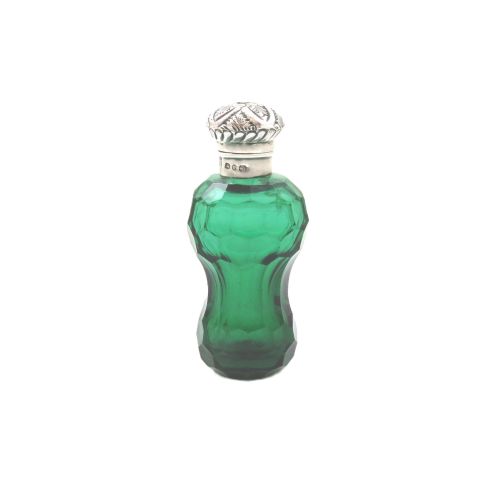
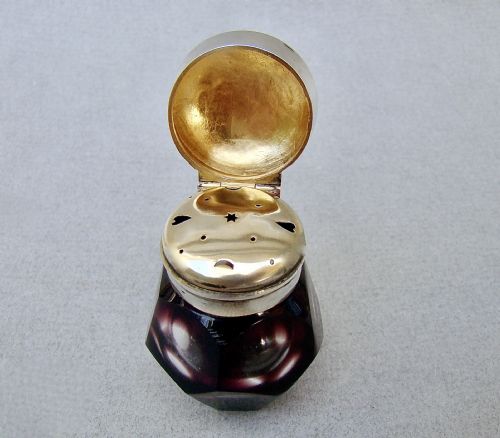
Small pocket scent bottles held perfumes or smelling salts, secured by hinged silver caps or stoppers. Victorian and Edwardian examples combined coloured glass with sterling silver collars.
Many retain internal stoppers beneath their outer lids, designed to prevent leakage while carried in a reticule or dressing case.
Are faceted decanters English or Irish?
Both English and Irish glasshouses produced heavy decanters with geometric cutting during the Georgian period. Irish glass often displays a darker tint and heavy weight due to specific lead oxide proportions.
Distinguishing between them relies on weight, base diameter, and the specific arrangement of shoulder flutes and neck rings.
How should I clean cut glass?
Warm water and mild soap maintain the surface without damaging historic silver mounts or gilding. A soft brush clears dust from narrow facet junctions.
Harsh chemicals and abrasive sponges risk scratching the softer lead crystal surfaces found on nineteenth-century pieces.