



European Ceramic Figures
These european ceramic figures bring character and presence into a room, spanning delicate eighteenth-century groups and large terracotta sculptures.
European Ceramic Figures
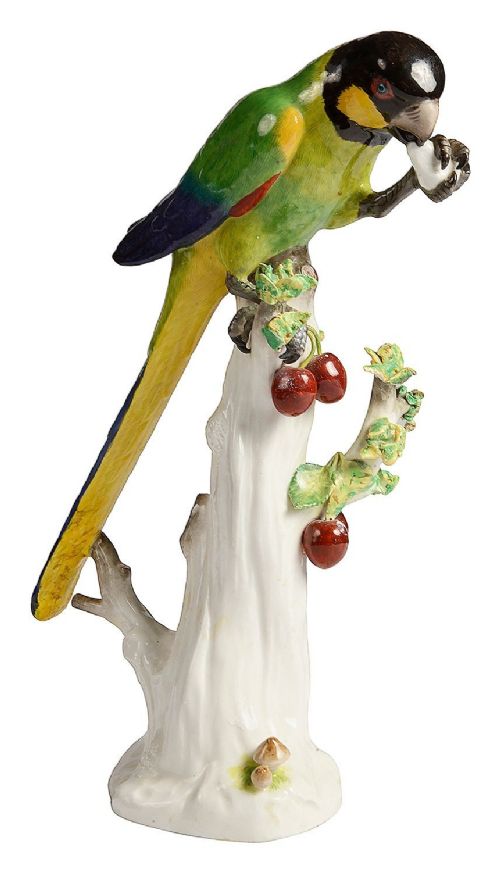
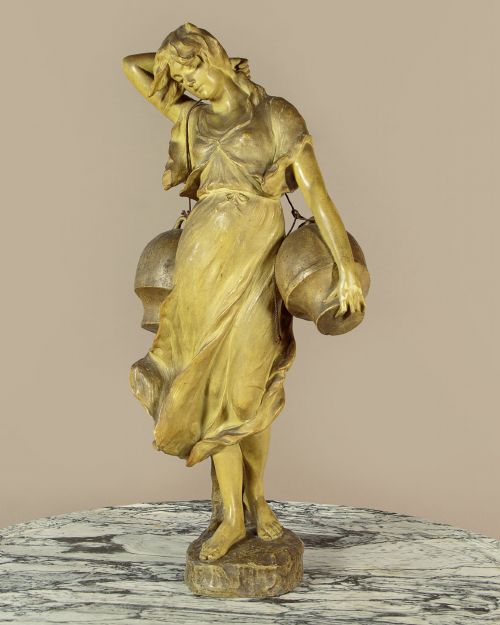
European ceramic figures encompass sculptural works, figurines, and candelabra produced across multiple centuries and aesthetic movements. When searching for european ceramic figures, collectors encounter delicate porcelain groups from famous continental kilns alongside substantial nineteenth-century terracotta pieces.
The selections range from eighteenth-century pastoral pairs and mythological groups to Victorian interpretations and sweeping Art Nouveau figures. The forms vary from intimate cabinet statuettes to large centrepiece figures and figurative candlesticks.
Continental factories such as Meissen, Ludwigsburg, and Goldscheider dominate the tradition, utilising hard-paste porcelain, earthenware, and terracotta. Each period imparts its own stylistic vocabulary, moving from ornate rococo curves to classical revival forms.
How they were made
Potters and sculptors shaped these works using hard-paste porcelain, earthenware, and terracotta, often employing multi-part moulds for complex figural groups. Artisans refined the wet clay or porcelain paste by hand before firing, allowing for intricate details in drapery, foliage, and facial expressions.
Surface decoration relied on hand-applied enamel painting and rich glazes, sometimes accented with gold leaf to highlight decorative borders and garments. Firing temperatures required precise kiln control to ensure the vitrification of porcelain and the stability of large terracotta forms.
Listings feature hard-paste porcelain, terracotta, and earthenware spanning the eighteenth and nineteenth centuries.
What varies in quality
Painting quality dictates much of the visual merit, with master painters executing delicate facial expressions, subtle flesh tones, and intricate patterns on garments rather than relying on heavy, uniform washes. The application of enamel and gold leaf shows greater precision and permanence on the finest works.
Meissen·Goldscheider·Ludwigsburg·Royal Dux·Samson
The European Ceramic Figures Glossary
- Hard-paste porcelain
- A dense, durable ceramic composed of kaolin and petuntse, fired at high temperatures to produce a bright white body with a glass-like finish.
- Terracotta
- A porous, unglazed or glazed red earthenware fired at lower temperatures, commonly utilised for large-scale nineteenth-century sculptural figures.
- Enamel
- A coloured vitreous material painted onto the surface of porcelain or pottery and fired a second time to fuse permanently with the glaze.
- Marcolini Period
- The phase of Meissen porcelain production spanning the late eighteenth century, marked by specific underglaze blue sword marks with a star.
- Rococo Revival
- A nineteenth-century design style drawing on eighteenth-century motifs of asymmetry, C-scrolls, naturalistic foliage, and ornate pastoral themes.
European Ceramic Figures: Frequently Asked Questions
How do I identify Meissen figures?
Meissen porcelain figures typically bear underglaze blue crossed swords on the base, accompanied by various press-numbers and model ciphers.
The modelling style and facial expressions also offer clues, as eighteenth-century and nineteenth-century pieces reflect specific sculptural standards set by the manufactory's master modellers.
What distinguishes Art Nouveau figures?
Art Nouveau figures embrace flowing organic lines, natural forms, and sinuous drapery inspired by plant life and the natural world.
Works from this era, particularly those in terracotta, emphasise movement and elongated silhouettes rather than the rigid symmetry of earlier classical revival styles.
Are pastoral scenes common?
Pastoral themes depicting shepherds, shepherdesses, and rural life appear frequently among eighteenth-century and nineteenth-century continental porcelain groups.
These subjects reflect a broader cultural fascination with idealized country living, often featuring couples, animals, and rustic props.