
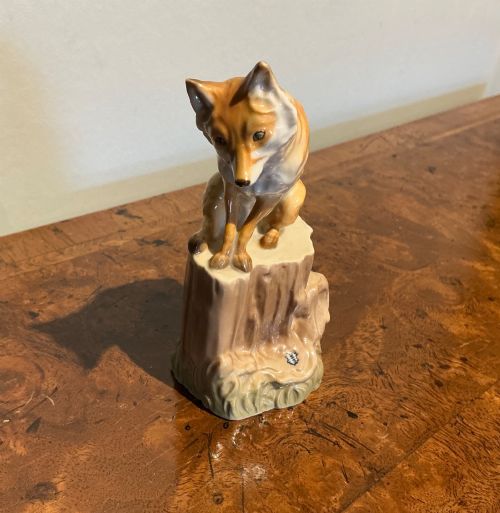


Brown Porcelain Figures
Brown porcelain figures bring character to a room, ranging from delicate Victorian models to early Chinese pottery animals.
Brown Porcelain Figures
When you search for brown porcelain figures, you encounter a varied collection of decorative ceramics and glazed earthenware spanning several centuries. The selection includes figurines, spill vases, and sculptural animal groups originating from European factories and Chinese kilns.
You are most likely to meet Victorian Staffordshire pieces and continental animal figures on this page. These range from recumbent stags and greyhounds to seated maidens and traditional pottery lions.
Materials and methods
The pieces on this page rely primarily on porcelain, earthenware, and soft-paste porcelain shaped into distinct figural forms. Makers applied specialised glazes and enamel details to achieve the characteristic brown tones and surface finishes.
Listings feature pieces spanning from the Georgian period through the Victorian era up to the nineteen-forties.
Assessing quality
The sophistication of the modelling distinguishes standard production pieces from finer sculptural works. Well-modelled animals and classical figures show careful attention to anatomical proportions and naturalistic postures.
Nymphenburg·Derby·Rosenthal·Wedgwood and Co·Royal Worcester·Royal Dux·Volkstedt Triebner Ens and Eckert·Meissen
The Brown Porcelain Figures Glossary
- Spill vase
- A hollow ceramic vessel designed to hold taper spills for lighting candles or fires. These often incorporate animal figures alongside the central holder.
- Bocage
- An ornamental background of applied foliage and flowers made from porcelain. This technique appears frequently behind eighteenth-century animal figures.
- Soft-paste porcelain
- A ceramic composition fired at lower temperatures than hard-paste porcelain. It produces a slightly warmer texture and distinct glaze absorption.
- Lead glaze
- A glossy coating containing lead oxide applied to earthenware surfaces. This treatment deepens the brown and amber tones on older pottery.
- Recumbent
- A sculptural term describing an animal or figure lying down. This posture is common in porcelain models of stags and hounds.
Brown Porcelain Figures: Frequently Asked Questions
How do I clean brown porcelain figures?
Dust the surface gently with a soft, dry brush to prevent the accumulation of dirt in intricate crevices and modelled foliage.
Avoid using water or chemical cleaners on antique porcelain, as moisture can damage older enamels and historic glazes.
Where were these figures displayed originally?
Homeowners placed spill vases on mantelpieces where they remained close to the fireplace for practical everyday use.
Decorative figurines and animal sculptures occupied display cabinets and side tables in nineteenth-century drawing rooms.
How can I tell the period of a figure?
Examine the base and surface texture for factory marks, glaze characteristics, and potting styles typical of specific manufacturing eras.
Stylistic details such as Victorian rococo moulding or Art Deco geometry provide clear clues to the date of origin.
What is a bocage background?
Bocage represents leafy foliage or branches constructed from porcelain and applied behind a central animal or human figure.
This decorative convention creates a natural woodland setting for figures such as stags and birds.