





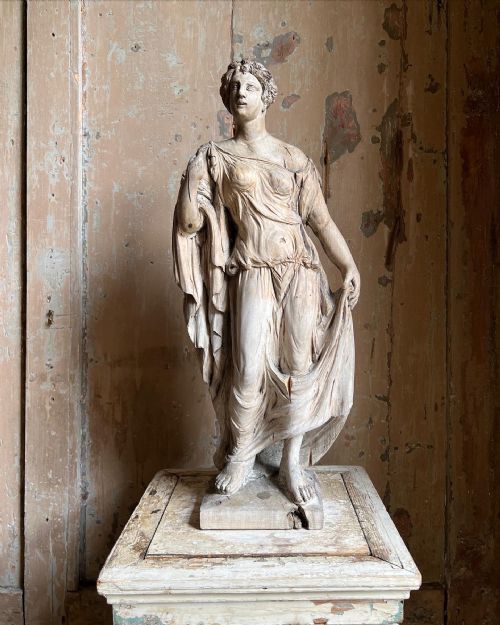


European Carved Wood Statue
These european carved wood statue pieces range from 16th century religious figures to folk art carvings, offering character and historical depth for your interior.
European Carved Wood Statue
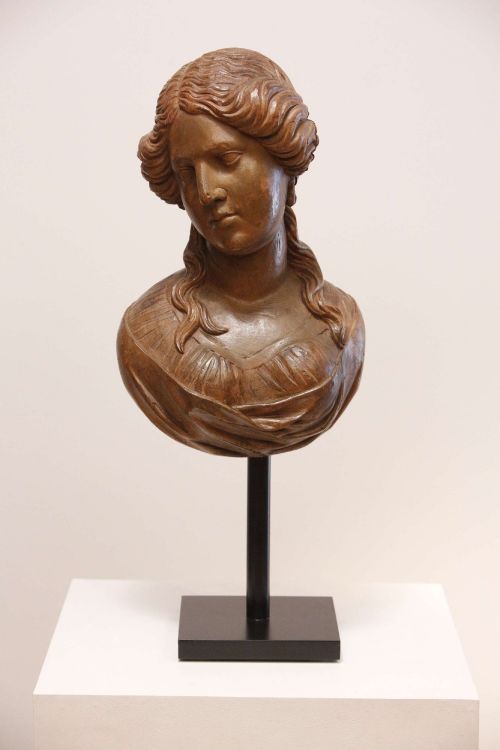
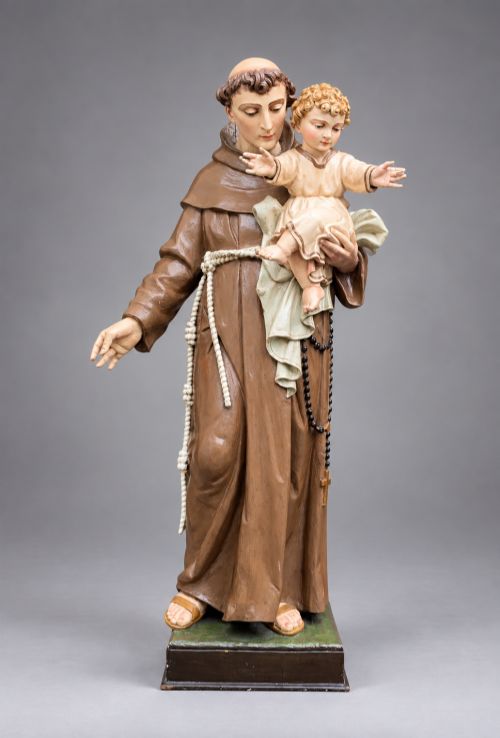
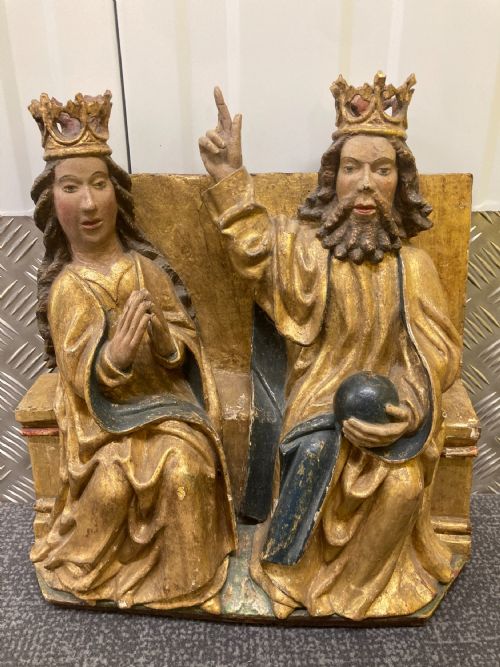
When you search for a european carved wood statue, you encounter figures spanning several centuries, from Late Gothic and Renaissance pieces to 18th century ecclesiastical works and later folk art. The selection includes individual saints, noblemen, cherubs, and pair groupings such as God and Mary.
Most items on this page fall into religious and folk art categories, reflecting centuries of devotion and vernacular craft traditions across the continent. You will find monumental life-size figures alongside smaller busts and companion statues.
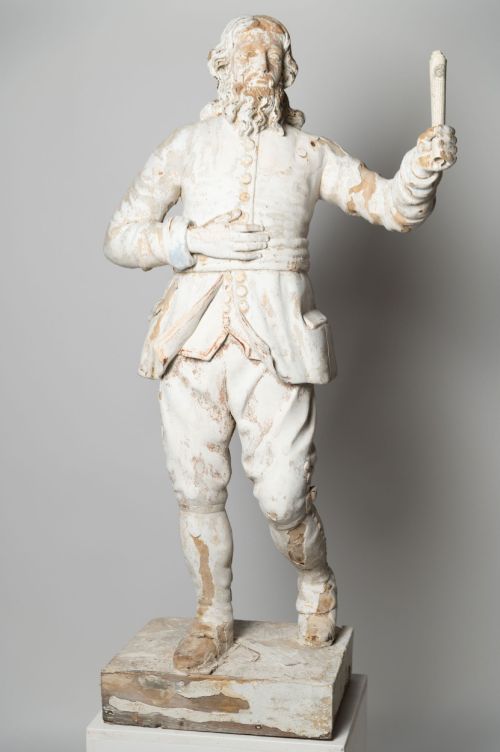
Regional origins include continental sources like the Upper Rhine and Croatia, alongside specific thematic pieces such as Ukrainian interest night watchmen or classical interpretations like the Farnese Flora.
How they were made
The primary material across these works is carved wood, with specific pieces utilising oak, limewood, or unspecified timber suited to regional workshops. Carvers shaped these timbers using traditional hand tools to achieve detailed drapery, facial expressions, and anatomical forms.
Many surfaces retain original or historic treatments including polychrome paint, giltwood, and gesso layers applied over the wood. These coatings provided colour and protection, often weathering and wearing down over centuries to reveal the texture of the grain underneath.
European Carved Wood Statue Retail Price Guide 2026
Typical asking prices for european carved wood statue among the pieces listed under this phrase on Sellingantiques today, from the lower quarter to the upper quarter. They describe what is for sale here now, not the wider market.
Listings feature oak, limewood, and painted wood, spanning the 16th to the 20th century across Renaissance, Baroque, and folk art styles.
What varies in quality
Quality in a european carved wood statue rests upon the anatomical precision and expressive depth of the carver's hand, distinguishing master workshop outputs from simpler vernacular folk art. Finer pieces demonstrate sophisticated control over posture, gesture, and the fall of drapery.
The survival of original surface finishes, such as polychrome paint and gilding, significantly elevates the integrity of a piece. Works retaining their early layered gesso and pigment show a truer historical appearance than those stripped or heavily repainted over time.
The European Carved Wood Statue Glossary
- Polychrome paint
- Decoration applied in several colours to the surface of wood sculpture. This finish was common in religious and folk art traditions to bring realism to carved figures.
- Giltwood
- Timber that has been coated with a thin layer of gold leaf over a prepared ground. It is frequently found on ecclesiastical and Renaissance carvings to denote sacred subjects.
- Gesso
- A plaster mixture used as a smooth base for paint or gilding on wooden objects. It provides a stable surface for detailed polychrome decoration.
- Late Gothic
- An art historical period spanning the transition into the Renaissance, noted in sculpture for elaborate drapery and emotional intensity. Pieces from this era often depict saints and biblical figures with solemn expressions.
- Ecclesiastical
- Pertaining to the Christian church or its clergy, describing items made for religious services or monastic settings. These statues often portray specific saints, cherubs, or scenes from scripture.
European Carved Wood Statue: Frequently Asked Questions
How old are these wooden statues?
The pieces span a wide chronological range, with examples dating from the 16th century through the 18th and 19th centuries, up to mid-20th century works.
Each listing specifies the particular era or century of origin, guiding you through Late Gothic, Renaissance, Baroque, and folk art periods.
What materials were used to make them?
Carvers utilised various timbers, including oak and limewood, shaping them entirely by hand with traditional gouges and chisels.
Many surfaces were subsequently finished with gesso, polychrome paint, or giltwood to add colour and ornamentation.
Where did these carvings originate?
The collection draws from diverse European regions, reflecting local workshop practices and vernacular traditions from places like the Upper Rhine and Croatia.
Subjects range from formal ecclesiastical saints to regional folk art figures and classical mythological interpretations.
How do I care for a historic wooden statue?
Keep wooden sculptures in stable indoor environments away from direct sunlight and dramatic humidity fluctuations, which can affect the timber and painted surfaces.
Dust gently with a dry, soft cloth and avoid chemical polishes that might damage fragile historic gesso and polychrome layers.